Have you ever wondered if it’s safe to keep your air conditioner running during a thunderstorm? You might be worried about power surges, damage to your unit, or even safety risks.
Making the wrong choice could lead to costly repairs or uncomfortable moments when the cooling suddenly stops. You’ll discover clear answers and practical tips to protect your home and your wallet. Keep reading to find out exactly what you should do the next time a storm rolls in.

Credit: www.stoneheatair.com
Risks Of Using Ac In Thunderstorms
Electrical surgesduring thunderstorms can harm air conditioners. Lightning can cause power spikes that damage AC units. This may lead to costly repairsor complete failure.
Inside the home, using AC during storms may create safety risks. Electrical faults can cause firesor shock hazards. Turning off the AC reduces these dangers.
Storms may also affect AC performance. Power fluctuations can make the unit work less efficiently. It might stop cooling properly or turn off unexpectedly.

Credit: genzryan.com
When To Turn Off Your Air Conditioner
Dark clouds gather in the sky. The wind starts blowing stronger. You might hear distant thunder. Birds may fly low or disappear. These are signs a storm is coming. It’s smart to be ready.
Listen to the radio or check the TV for alerts. Local weather stations give warnings. They tell you if a storm is near. Pay attention to these alerts. They help keep you safe.
During storms, power can go out. Keep flashlights and batteries handy. Turn off the air conditioner to protect it. This prevents damage if power surges. Safety first during storms.
How To Safely Power Down Ac
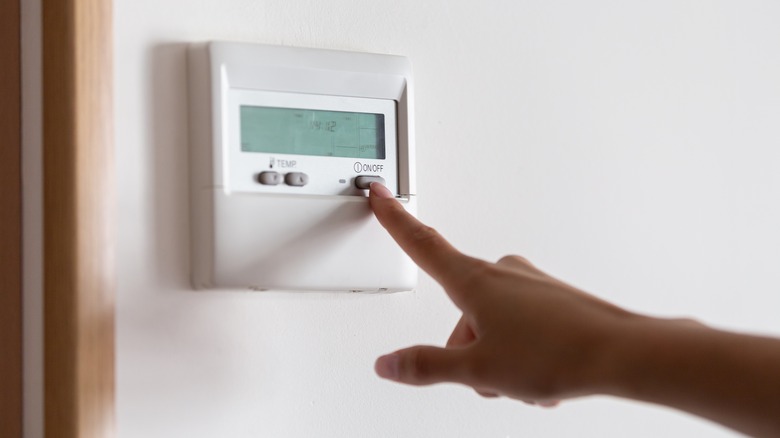
Turn off the air conditioner using the remote or control panel first. Wait for the unit to stop completely before proceeding. Disconnect the power by unplugging the AC or switching off the circuit breaker. This helps avoid electrical damage during a thunderstorm.
Outdoor units should be covered or shielded to protect from rain and debris. Make sure the cover allows air to flow to prevent moisture buildup. Avoid using plastic bags that trap water and cause rust. Keep the area around the unit clear of loose objects that wind can blow into it.
Alternatives To Keep Cool During Storms
Fans help move air and keep you cool without using much power.
Open windows and doors to create a breeze and fresh air flow.
- Place wet cloths on your skin to cool down.
- Drink plenty of water to stay hydrated.
- Wear light, loose clothing to feel cooler.
- Stay in shaded areas to avoid direct heat.
Find covered outdoor spots like porches or gazebos.
Use indoor spaces with good airflow to stay comfortable.
Temporary shelters can protect you from rain and wind.
Maintenance Tips After A Thunderstorm
Check the air conditioner for any visible damagelike dents, cracks, or loose parts. Storms can cause debris to hit the unit. Make sure the electrical connections are dry and safe before turning it back on.
Clear away leaves, mud, and dirt from the unit. Dry the outside and inside parts gently. Wet components can cause rustor electrical problems. Use a soft cloth or brush for cleaning.
- Call a professional for a full inspection.
- Ask them to check electrical wiringand coolant levels.
- Schedule regular checkups to keep the unit working well.
Credit: www.housedigest.com
Frequently Asked Questions
Should I Turn Off My Ac During A Thunderstorm?
Yes, turn off your AC during thunderstorms to protect it from power surges. Lightning can cause electrical damage, risking your unit and home appliances.
Can Lightning Damage My Air Conditioner?
Yes, lightning can cause power surges that damage your AC’s electrical components. Turning off the AC reduces the risk of costly repairs.
Is It Safe To Keep Ac On In A Storm?
It is safer to turn off the AC during a storm. Power fluctuations can harm the system and create fire hazards.
How Does A Thunderstorm Affect Air Conditioner Performance?
Thunderstorms can cause power outages and surges that disrupt AC operation. This may lead to system malfunctions or permanent damage.
Conclusion
Turning off your air conditioner during a thunderstorm can protect your home and device. Lightning can cause power surges that damage electronics. Staying safe is more important than comfort. Wait until the storm passes to switch the AC back on.
This simple step helps avoid costly repairs and power issues. Remember, safety first. Taking small precautions keeps your home and family secure. Stay calm and be prepared during storms.