If you’ve ever thought about tinting your car windows in Vermont, you need to know the rules first. Vermont tint law can be tricky, and breaking it might lead to fines or even your car failing inspection.
You want to make sure your windows look great, keep you cool, and stay legal all at once. This article will clear up the confusion and give you the simple facts you need to keep your ride safe and stylish.
Keep reading to find out exactly what’s allowed and what isn’t when it comes to window tinting in Vermont.
Vermont Tint Law Basics
Understanding Vermont’s tint law basics helps keep your vehicle compliant and safe. Tinting car windows can reduce glare and heat. Yet, the state sets clear rules on how dark and reflective tint can be. These rules protect drivers and law enforcement visibility. Knowing the limits avoids fines and vehicle inspections issues.
Permitted Tint Levels
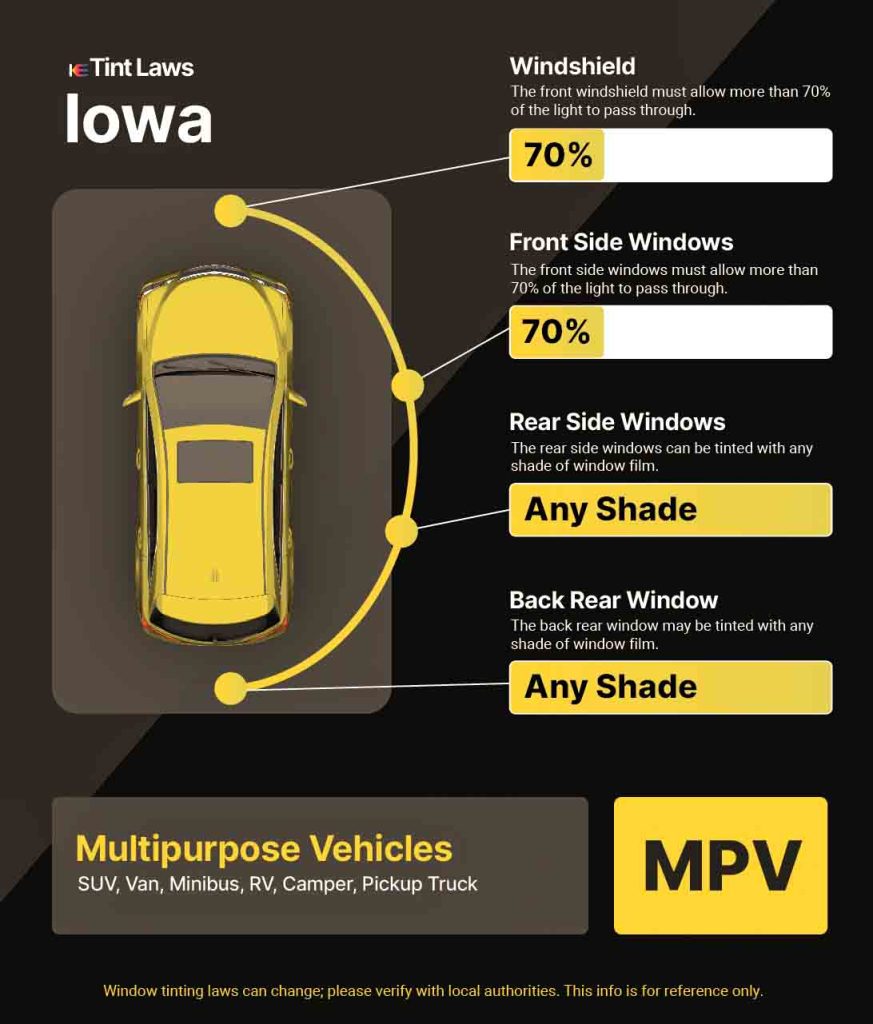
Vermont allows different tint darkness on various windows. The law uses Visible Light Transmission (VLT) percentage. VLT is the amount of light passing through the tint. Higher VLT means lighter tint; lower means darker. Front side windows must allow at least 35% of light in. Rear side and back windows can have any darkness level. Windshields must have a non-reflective tint strip on the top only.
Tint Rules For Different Windows
Each window type has specific tint rules in Vermont. Front side windows cannot be darker than 35% VLT. Rear side windows have no VLT limit but must not be reflective. Rear windshield tinting is allowed with no darkness limit. Windshields can only have tint on the top strip. This strip cannot extend more than 4 inches down. These rules ensure clear vision for drivers and officers.
Reflective And Colored Tints
Reflective tints are limited in Vermont. The law does not allow mirrors or shiny coatings on windows. Colored tints must not change the car’s color dramatically. Colors that reduce visibility or distract drivers are prohibited. The goal is to keep the vehicle safe and visible on the road. Always check tint products to ensure they meet Vermont’s standards.
Medical Exemptions And Special Cases
Vermont tint laws set limits on how dark window tints can be. These rules help keep drivers and passengers safe by ensuring good visibility. Still, some people need darker tints for health reasons. The state allows medical exemptions and special cases. These rules help those who require extra protection from sunlight or glare.
Qualifying Medical Conditions
Some health problems make sunlight harmful. Vermont allows darker tints for these conditions:
- Albinism, which causes sensitivity to light
- Skin conditions like lupus that worsen with sun exposure
- Photosensitivity disorders causing severe reactions to UV rays
- Eye diseases needing protection from bright light
- Other doctor-approved medical reasons
Each condition must be verified by a medical professional. The tint helps protect health without breaking the law.
How To Apply For Exemptions
To get a medical exemption, follow these steps:
- Obtain a written statement from your doctor explaining your condition
- Include details on why darker tint is necessary
- Submit the form and medical proof to the Vermont Department of Motor Vehicles
- Wait for approval before applying darker tint
Keep the exemption certificate in your vehicle. Law enforcement may ask to see it during stops.
Enforcement And Penalties
Understanding how Vermont enforces its tint laws and the penalties involved is crucial for every driver. Enforcement ensures that everyone follows the rules designed to keep roads safe. Knowing the consequences can help you avoid costly fines and legal troubles.
How Tint Laws Are Enforced
Law enforcement officers in Vermont check window tints during routine traffic stops or when a vehicle appears suspicious. They use specialized devices called tint meters to measure the amount of light that passes through your windows.
If your tint is darker than allowed, officers may issue a citation on the spot. Sometimes, they might ask you to remove or adjust the tint before driving again. This hands-on approach helps maintain safety without always leading to heavy penalties.
Fines And Legal Consequences
The penalties for violating Vermont’s tint laws can catch you off guard. You could face fines ranging from $100 to $250 depending on the severity of the violation.
Repeated offenses may lead to higher fines or even court appearances. In some cases, your vehicle registration might be suspended until you fix the tint issue.
Have you ever thought about how much a small window tint choice can affect your driving record and wallet? Staying within legal limits not only saves you money but also keeps your driving history clean.

Credit: chaoppffilm.com
Choosing Legal Window Tint
Choosing the right window tint in Vermont means following the state’s tint laws. These laws set limits on how dark your tint can be. Staying within legal limits avoids fines and keeps your car safe. Proper tint also improves comfort by reducing glare and heat inside the vehicle.
Selecting The Right Tint Percentage
Vermont law requires a minimum of 70% visible light transmission (VLT) on front side windows. This means the tint must let in at least 70% of light. Darker tints are allowed on rear windows and the back windshield. Choose a tint percentage that meets these rules exactly.
- Check the VLT rating on the tint film package.
- Pick a tint that matches the legal limits for each window.
- Consider your comfort and privacy needs alongside the law.
Using the right tint percentage ensures you stay legal and avoid ticket risks.
Professional Installation Tips
Window tint installation requires skill to avoid bubbles and peeling. A professional installer uses precise tools and techniques. Clean windows thoroughly before applying tint. The film should fit each window perfectly without gaps.
- Choose experienced tint installers with positive reviews.
- Confirm they use high-quality tint films with proper VLT ratings.
- Ask about warranties covering installation and tint durability.
- Inspect the tint after installation for smoothness and evenness.
Proper installation extends the life of your tint and keeps your vehicle looking good.
Safety And Visibility Considerations
Safety and visibility play a vital role in Vermont’s tint laws. These laws aim to balance driver protection and clear vision. Tinting windows too dark can reduce visibility and increase accident risks. Understanding these safety aspects helps drivers make smart choices that comply with the law and keep the roads safe.
Impact On Driver Vision
Window tint affects how much light enters the car. Dark tints can block important visual cues. This makes it harder to see pedestrians, signs, and other vehicles. Even small changes in tint darkness can change a driver’s ability to react quickly. Vermont’s tint laws limit darkness to protect driver vision. Clear sight is crucial for safe driving in all conditions.
Nighttime Driving Challenges
Driving at night is more difficult with dark window tint. Low light and glare from headlights can reduce visibility. Dark tints increase eye strain and slow reaction time. Vermont law sets tint levels that allow enough light for safe night driving. Clear windows help drivers spot hazards and navigate safely after dark.

Credit: kepler-dealer.com
Comparing Vermont To Other States
Vermont’s tint laws differ from many other states across the country. These differences impact how much tint you can apply on your vehicle’s windows. Understanding Vermont’s rules alongside other states helps drivers stay legal and safe.
Each state sets its own limits for window tint darkness and reflectiveness. Some states have tighter restrictions, while others allow darker tints. These variations can cause confusion, especially for drivers who travel between states.
Stricter Or More Lenient Rules
Vermont allows a minimum of 35% visible light transmission (VLT) on the front side windows. This means 35% of outside light must pass through the window tint.
Some states require higher VLT percentages, making their laws stricter. For example, New York requires at least 70% VLT on front side windows.
Other states like California allow darker tints with lower VLT limits, making their rules more lenient than Vermont.
Vermont’s rules fall in the middle—neither the strictest nor the most lenient. This balance aims to ensure safety and privacy.
Regional Variations In Tint Laws
Tint laws vary widely across regions. Northern states often have stricter rules due to safety concerns in snowy or foggy conditions.
Southern states tend to allow darker tints because of intense sun and heat. This helps keep vehicles cooler.
For example:
- Florida permits very dark tints on rear windows.
- Vermont restricts tint darkness more on all windows.
- Midwestern states usually have moderate tint limits like Vermont.
Regional weather and visibility needs strongly influence these rules. Drivers must follow local laws to avoid fines and ensure clear vision on the road.
Credit: jerry.ai
Frequently Asked Questions
What Is The Legal Tint Percentage In Vermont?
In Vermont, the legal window tint percentage for passenger vehicles is 70% for front side windows. Rear windows can be tinted to any darkness. For multipurpose vehicles, the front side windows must also allow more than 70% of light in, while rear windows have no restrictions.
Are There Medical Exemptions For Window Tint In Vermont?
Yes, Vermont allows medical exemptions for window tint. Drivers with certain medical conditions can apply for an exemption. This permits them to have darker tints on their vehicle windows. A physician’s certification is required to qualify for this exemption.
What Are The Penalties For Illegal Tint In Vermont?
Penalties for illegal window tint in Vermont may include fines and orders to remove the tint. The fines can vary, and repeated violations might lead to increased penalties. Ensuring compliance with state laws can help avoid these consequences.
Can I Tint My Windshield In Vermont?
Vermont law permits tinting on the windshield only above the manufacturer’s AS-1 line. This is typically the top six inches of the windshield. The tint must be non-reflective to avoid impairing the driver’s visibility.
Conclusion
Vermont’s tint law keeps drivers safe and clear on the road. It sets rules on how dark your window tint can be. Knowing these rules helps you avoid fines and trouble. Always check your tint before driving in Vermont. Stay legal and protect your vehicle’s look and comfort.
Following the law shows you care about safety. Tint smartly and enjoy a cooler, safer ride every time.