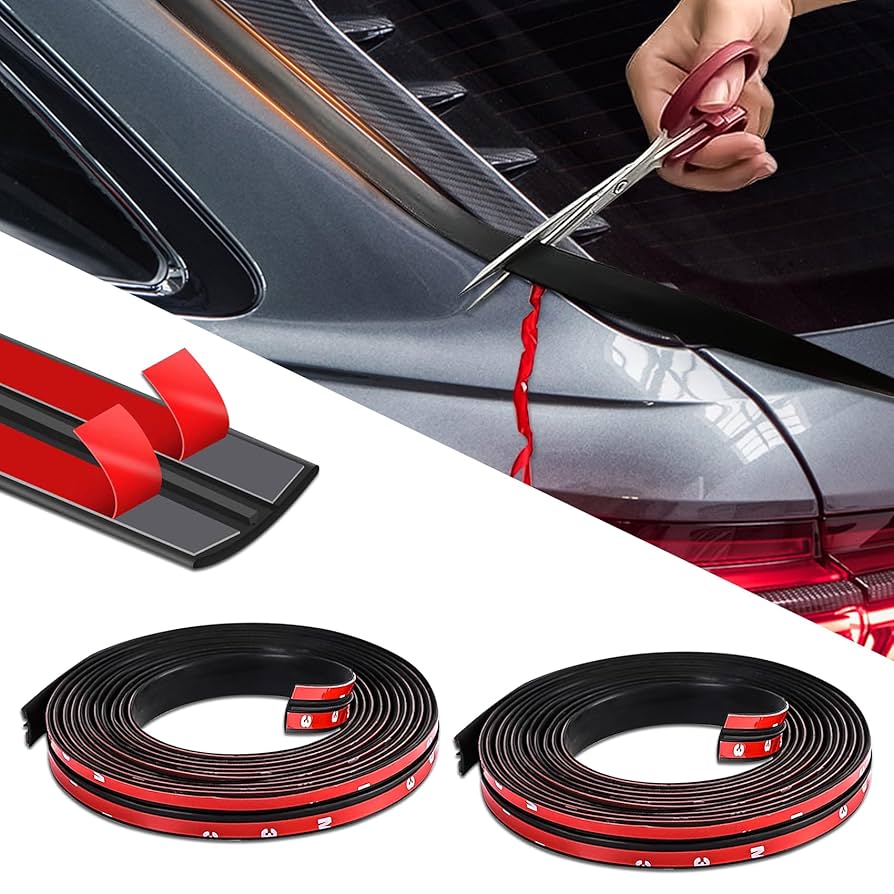
Have you ever felt a cold draft sneaking into your car or noticed water dripping inside after a rainstorm? That’s where weather stripping for your car windshield comes in.
It’s a small part with a big job—keeping your ride cozy, dry, and quiet. If you want to protect your car’s interior and enjoy a smoother drive, understanding weather stripping is a must. Keep reading to discover how this simple fix can make a huge difference for you and your vehicle.
Benefits Of Weather Stripping
Weather stripping for car windshields helps keep out rain, dust, and wind. It also reduces noise and prevents leaks, making drives safer and more comfortable. This simple addition protects your car’s interior from damage caused by water and dirt.
Weather stripping for your car windshield might seem like a small detail, but its benefits are significant. It provides an effective barrier against the elements, ensuring your driving experience is smooth and comfortable. Let’s explore the key benefits of weather stripping and why it’s worth the investment.Preventing Water Leaks
Imagine driving through a heavy rainstorm and feeling a drip of water land on your lap. It’s not just uncomfortable—it’s a sign of a more significant problem. Weather stripping prevents water from seeping into your car, keeping the interior dry and free from potential water damage. By sealing the gaps around your windshield, it acts as a shield against leaks.Reducing Wind Noise
Do you often find the sound of rushing wind distracting while driving? Weather stripping helps minimize this noise by sealing the gaps where air can enter. A quieter cabin means you can enjoy your music or conversations without unnecessary interference. It’s a small change that can greatly enhance your driving comfort.Enhancing Temperature Control
Have you ever noticed how difficult it is to maintain a comfortable temperature in your car? Weather stripping aids in keeping your car’s interior insulated. By reducing air leaks, it helps maintain the desired temperature, whether it’s warm in winter or cool in summer. This can also lead to energy savings, as your air conditioner or heater won’t have to work as hard.Protecting Against Dust And Debris
Driving through dusty roads can leave your car’s interior looking like a mess. Weather stripping acts as a barrier against dust and debris, keeping your car cleaner for longer. It ensures that unwanted particles stay outside, preserving the cleanliness of your car’s interior. Plus, it can extend the life of your car’s upholstery by protecting it from harmful pollutants. Isn’t it amazing how such a small component can have such a big impact on your driving experience? Weather stripping is an investment in comfort, cleanliness, and peace of mind.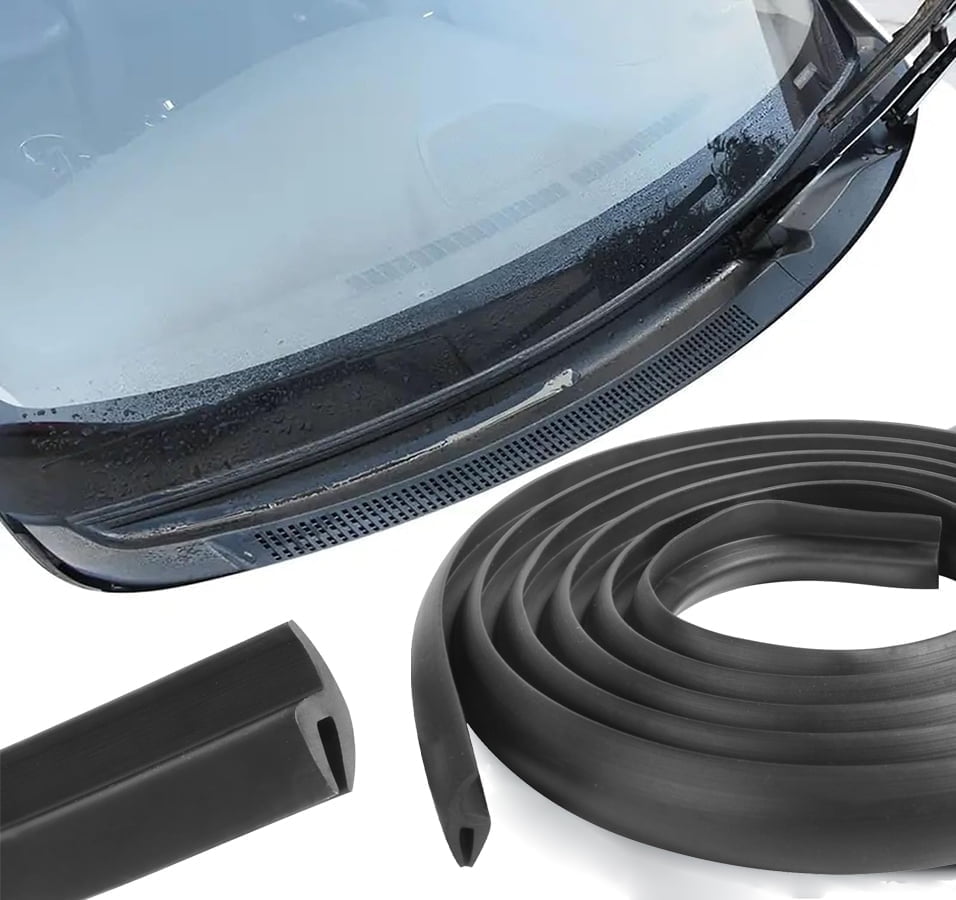
Credit: www.walmart.com
Types Of Weather Stripping Materials
Weather stripping materials vary in design and function. Each type offers unique benefits for car windshields. Choosing the right material helps keep water, dust, and noise out. It also improves comfort and protects the car interior. Below are common types of weather stripping materials.
Rubber Strips
Rubber strips are flexible and durable. They fit tightly around the windshield edges. These strips block water and wind effectively. They resist cracking in cold weather. Rubber strips last long with little maintenance.
Foam Tape
Foam tape is soft and compressible. It fills gaps and seals uneven surfaces well. Foam tape is easy to install with adhesive backing. It works best for small cracks and spaces. This material absorbs vibrations and reduces noise.
Vinyl Seals
Vinyl seals are strong and weather-resistant. They handle heat and sunlight without damage. Vinyl seals come in different shapes for better fit. They provide a solid barrier against rain and dust. These seals are common for many car models.
Silicone Weather Strips
Silicone strips offer excellent flexibility and strength. They stay soft in cold and hot conditions. Silicone resists UV rays and harsh chemicals. These strips provide a tight, long-lasting seal. Silicone is ideal for premium car weather stripping.
Choosing The Right Weather Stripping
Choosing the right weather stripping for your car windshield is more important than most people realize. It’s not just about keeping water and wind out; the right fit affects noise levels, temperature control, and even your safety on the road. So, how do you pick the perfect strip that matches your needs and your car?
Compatibility With Car Model
Every car has unique measurements and designs for its windshield edges. Using weather stripping that doesn’t fit your car model can cause leaks or gaps. Check your vehicle’s manual or consult online forums specific to your make and model to find the recommended weather stripping types.
I once bought a universal strip for my sedan, thinking it would save money. It didn’t seal properly, letting in rain during the next storm. That experience taught me the value of matching compatibility over convenience.
Durability And Flexibility
Weather stripping needs to handle extreme temperatures and constant movement without cracking or losing shape. Look for materials like EPDM rubber, which offers excellent flexibility and resists wear over time. Ask yourself: will this strip stay intact through summer heat and winter frost?
Durability means fewer replacements and less hassle. Flexible materials also ensure a tight seal even when the windshield or frame slightly shifts.
Ease Of Installation
Some strips come with adhesive backing, while others require clamps or professional tools. If you prefer DIY fixes, choose weather stripping that’s simple to install without specialist help. Clear instructions and pre-cut sizes can make the process smooth and quick.
Installing a complicated strip might frustrate you or cause improper sealing. Think about your comfort level with tools and patience before making a choice.
Cost Considerations
Price varies widely depending on material quality, brand, and whether you need a full kit or just a strip. Remember, the cheapest option might save money upfront but cost more in repairs or replacements later. Balance your budget with long-term value.
- Set a realistic budget based on your car’s needs.
- Compare reviews to find durable options within your price range.
- Consider investing a bit more for proven performance.
What’s more important to you: saving money now or avoiding future hassle? Your answer will guide your purchase.

Credit: www.amazon.com
Tools And Supplies Needed
Installing weather stripping on a car windshield requires specific tools and supplies. Having the right items ensures a clean, tight seal. This prevents water leaks and reduces wind noise effectively. Preparation is key for a smooth installation process.
Cleaning Materials
Clean surfaces allow adhesives to stick better. Use a soft cloth or microfiber towel. Rubbing alcohol or glass cleaner removes dirt and grease. Avoid harsh chemicals that can damage rubber or paint. Proper cleaning ensures a strong bond.
Adhesives And Sealants
Select adhesives made for automotive use. Weather-resistant glue holds the stripping firmly in place. Some sealants add extra protection against moisture. Choose a product that cures quickly and remains flexible. This keeps the weather stripping intact during temperature changes.
Cutting Tools
Accurate cuts are vital for perfect fitting strips. Use sharp scissors or a utility knife. A cutting mat protects surfaces and helps with precision. Replace dull blades to avoid tearing the material. Clean edges prevent gaps and leaks.
Measuring Instruments
Measure the windshield frame before cutting strips. A tape measure or ruler works well. Mark the exact length needed for each section. Double-check measurements to avoid mistakes. Proper sizing saves time and materials.
Step-by-step Installation Process
Installing new weather stripping on your car windshield improves protection and comfort. The process involves careful removal of old material, cleaning the surface, and applying new strips. Each step ensures a tight seal against water, wind, and noise. Follow these instructions for a smooth installation.
Removing Old Weather Stripping
Start by gently pulling away the old weather stripping. Use a plastic scraper to lift stubborn sections. Avoid damaging the windshield or frame. Clean off any leftover adhesive or debris. This creates a smooth base for the new stripping.
Preparing The Surface
Wipe the area with a cloth and mild cleaner. Remove all dirt, grease, and moisture. Let the surface dry completely. This helps the new stripping stick better. Check the surface for rust or damage and fix if needed.
Applying New Stripping
Measure the new weather stripping to fit the windshield frame. Cut it to the correct length with scissors. Align the strip carefully along the edge. Press firmly to ensure full contact. Use gentle pressure to avoid stretching or tearing.
Securing And Sealing Edges
Check all edges and corners for gaps or loose spots. Press these areas down firmly. Use weatherproof adhesive if extra sealing is needed. Let the adhesive dry as per instructions. This step prevents leaks and keeps the stripping in place.
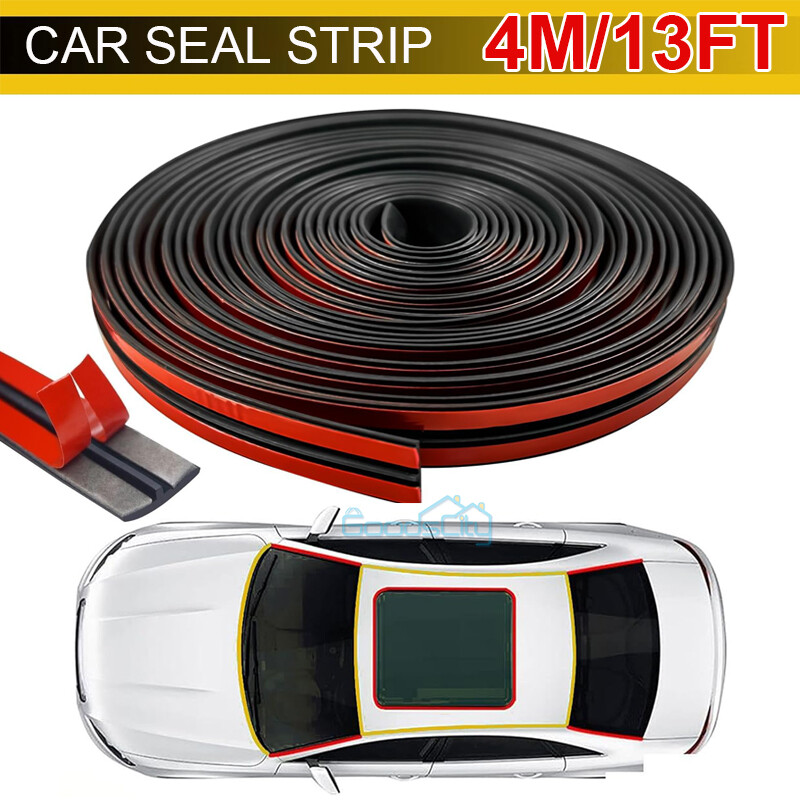
Credit: www.ebay.com
Maintenance Tips For Longevity
Proper care helps your car windshield weather stripping last longer. Regular maintenance prevents leaks, drafts, and damage. It keeps your vehicle comfortable and safe during all seasons.
Regular Cleaning
Dirt and debris can wear down weather stripping. Clean it often using mild soap and water. Avoid harsh chemicals that can cause cracks. Use a soft cloth or sponge to wipe gently. Make sure to dry it completely to stop mold growth.
Inspecting For Damage
Check weather stripping for cracks, tears, or gaps regularly. Look closely around corners and edges where damage is common. Small problems can grow fast without attention. Catching damage early helps avoid costly repairs later.
Reapplying Sealant
Sealant keeps weather stripping flexible and watertight. Apply a suitable rubber sealant every few months. This protects against drying out and hardening. Follow the product instructions carefully for best results. Proper sealing helps maintain a tight fit on the windshield.
When To Replace Weather Stripping
Replace weather stripping if it no longer seals well. Signs include persistent water leaks or wind noise inside the car. Also, replace if cracks are deep or material crumbles. Choosing the right replacement ensures your windshield stays secure and protected.
Common Problems And Fixes
Weather stripping on a car windshield protects against water, dust, and noise. Problems with it can cause leaks, noise, and damage. Knowing common issues helps maintain a proper seal and comfort inside your vehicle.
Some problems appear soon after installation, while others develop over time. Most issues have simple fixes that save money and improve your driving experience.
Leaks After Installation
Leaks often happen due to poor fitting or damaged strips. Dirt or old adhesive can prevent a tight seal. Check the surface is clean before applying new weather stripping. Press firmly to ensure full contact with the windshield edge. Use weatherproof adhesive for better hold. Replace strips if they are cracked or too thin to seal.
Stripping Peeling Off
Peeling occurs if the adhesive weakens or the strip is exposed to harsh weather. Avoid stretching the strip during installation to prevent peeling. Clean the area with rubbing alcohol to remove grease before sticking. Use high-quality adhesive made for automotive use. Replace peeling strips promptly to avoid water damage inside the car.
Noise Despite Sealing
Noise can come from gaps or poor fitting. Wind can whistle through small spaces. Check the strip for gaps or uneven areas. Adjust or replace strips that do not fit snugly. Adding foam tape under the strip can reduce noise. Tighten any loose windshield trim to improve sealing.
Weather Stripping Freezing In Cold
Cold weather can cause strips to freeze and stick to the glass. This may damage the strip or glass when opening doors. Apply silicone spray or rubber protectant to keep strips flexible. Avoid using hot water to melt ice, as it can cause cracks. Gently free frozen strips with warm air from a hairdryer.
Upgrading Your Car’s Weather Protection
Upgrading your car’s weather protection improves comfort and safety. Quality weather stripping blocks wind, rain, and dust. It keeps the cabin quiet and dry. New materials and designs offer better sealing and durability. A well-sealed windshield helps maintain your car’s temperature. It also prevents moisture buildup that can cause damage. Investing in weather stripping upgrades adds value to your vehicle.
Using Advanced Seal Technologies
Modern weather stripping uses flexible, durable materials. These seals resist cracking and shrinking over time. Some have foam cores for better insulation. Others include rubber blends that adapt to temperature changes. These seals create tighter barriers around the windshield edges. This reduces air leaks and water intrusion. Advanced seals last longer and perform better than older types.
Professional Installation Services
Proper installation is key for effective weather stripping. Professionals ensure the seal fits perfectly around the windshield. They clean and prepare surfaces for better adhesion. Incorrect installation can cause leaks and noise. Experts use special tools to remove old seals carefully. They also check for any damage before fitting new strips. This service guarantees a secure, long-lasting weather barrier.
Integrating With Window Tinting
Combining weather stripping with window tinting enhances protection. Tinted windows reduce heat and glare inside the car. Weather stripping prevents air and moisture from entering through gaps. Together, they improve energy efficiency and comfort. Tint films also protect the interior from UV rays. The combination keeps your car cooler and safer in all seasons.
Seasonal Weather Stripping Options
Different seasons require different weather stripping features. Winter strips focus on preventing cold air and ice buildup. Summer options emphasize heat resistance and UV protection. Some seals are designed to handle heavy rain or strong winds. Choose weather stripping based on your local climate needs. Seasonal upgrades keep your car sealed and comfortable year-round.
Frequently Asked Questions
What Is Weather Stripping For Car Windshields?
Weather stripping seals gaps between the windshield and car frame. It prevents water, air, and debris from entering. This keeps the interior dry and reduces wind noise.
Why Is Windshield Weather Stripping Important?
It protects your car from leaks and drafts. Weather stripping also improves temperature control and reduces road noise. Proper sealing extends the windshield’s lifespan.
How Do I Know When To Replace Weather Stripping?
Look for cracks, gaps, or peeling rubber. Water leaks or increased wind noise indicate damage. Replace weather stripping if it no longer seals properly.
Can I Install Weather Stripping On My Own?
Yes, with basic tools and patience, DIY installation is possible. Clean the area thoroughly before applying new weather stripping. Follow manufacturer instructions for best results.
Conclusion
Weather stripping keeps your windshield sealed and safe. It stops water, wind, and dust from entering. This helps keep your car warm in winter and cool in summer. Good weather stripping also lowers noise while driving. Check it often and replace when worn out.
Simple care can save money and trouble later. Choose quality materials for the best fit and long life. Protect your car and enjoy a quieter, cleaner ride every day.