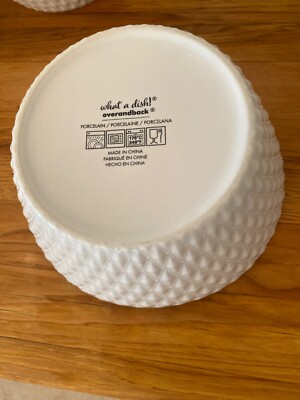
Have you ever stopped to think about the simple dish bowls you use every day? These humble kitchen essentials do more than just hold your food—they can change the way you enjoy your meals.
Whether you’re serving soup, salad, or dessert, the right dish bowl makes a big difference. You’ll discover what a dish bowl really is, why it matters, and how choosing the perfect one can elevate your dining experience. Keep reading, and you’ll never look at your bowls the same way again.

Credit: shopusa.co.ke
Common Dish Bowl Styles
Dish bowls come in many styles. Each style offers unique looks and uses. Choosing the right bowl can improve your dining experience.
Here are some common dish bowl styles you might find in kitchens and restaurants.
Classic Ceramic Bowls
Classic ceramic bowls are popular for their durability and style. They often have smooth finishes and bright colors. These bowls keep food warm for a long time.
They come in many shapes and sizes, making them perfect for soups, salads, and cereals. Ceramic bowls are easy to clean and usually safe for microwaves and dishwashers.
Modern Glass Bowls
Modern glass bowls offer a clean and simple look. They are often clear, which shows the food inside. Glass bowls do not absorb odors or stains.
These bowls can handle hot and cold foods. They are great for serving salads and desserts. Glass bowls add a fresh feel to the table.
Rustic Wooden Bowls
Rustic wooden bowls bring a natural and warm touch to meals. They are made from different woods like oak or bamboo. Wooden bowls often have a handmade look.
These bowls are best for dry foods like nuts or fruits. Wooden bowls need gentle care and should not be soaked in water. They add charm to casual dining.
Metallic And Stainless Steel Bowls
Metallic and stainless steel bowls are strong and long-lasting. They are lightweight and resist rust and stains. These bowls are common in professional kitchens.
They work well for mixing ingredients or serving hot dishes. Steel bowls are easy to clean and often dishwasher safe. Their shiny surface adds a modern touch.
Eco-friendly Bamboo Bowls
Eco-friendly bamboo bowls are lightweight and sustainable. Bamboo grows fast, making it a good choice for the environment. These bowls have a smooth texture and natural color.
They are perfect for casual meals and snacks. Bamboo bowls are biodegradable and safe to use. They need hand washing to stay in good shape.
Choosing Bowls By Use
Bowls come in many shapes and sizes. Picking the right bowl helps with cooking and serving.
Different tasks need different types of bowls. This guide shows what to use for each need.
Serving Salads And Sides
Large, wide bowls work best for salads. They give space to toss ingredients easily.
- Choose bowls with a broad opening
- Look for sturdy materials like ceramic or glass
- Medium to large sizes suit most side dishes
- Bowls with a smooth surface are easy to clean
Mixing And Baking Needs
For mixing, deep and heavy bowls are ideal. They prevent spills during stirring.
| Material | Best For | Notes |
| Glass | Mixing and baking | Microwave safe and easy to clean |
| Stainless Steel | Whisking and beating | Lightweight and durable |
| Ceramic | Baking and serving | Retains heat well |
Soup And Cereal Bowls
Soup bowls should be deep to hold liquids without spilling. Cereal bowls can be medium size.
- Choose bowls with a wide rim for easy handling
- Materials like porcelain keep food warm
- Look for dishwasher-safe options
Decorative And Display Purposes
Decorative bowls add style to your kitchen. They can hold fruits or be a centerpiece.
Decorative Bowl Tips
- Pick bright colors or unique patterns
- Use materials like wood or hand-painted ceramic
- Place on open shelves or dining tables
- Keep them clean and dust-free
Material Benefits And Drawbacks
Dish bowls come in many materials. Each material has its own good and bad points.
Knowing these helps you pick the best bowl for your needs.
Durability And Care
Some dish bowls last longer than others. Some need more care to stay nice.
For example, ceramic bowls can chip easily. Plastic bowls may scratch but do not break.
- Ceramic needs gentle washing to avoid cracks.
- Glass bowls can break if dropped.
- Plastic is less breakable but can stain.
- Metal bowls are strong but may rust if not dried.
Heat Retention And Insulation
Some materials keep food hot longer. Others cool down fast.
Metal bowls heat quickly but lose heat fast. Ceramic keeps heat well but heats slowly.
- Ceramic and glass keep food warm longer.
- Plastic does not keep heat well.
- Metal bowls can get very hot to touch.
Weight And Portability
Light bowls are easy to carry. Heavy bowls can feel bulky.
Plastic bowls are light and good for travel. Ceramic bowls are heavier and fragile.
- Plastic is best for carrying outside.
- Ceramic and glass are heavier but stable.
- Metal bowls are usually light and sturdy.
Aesthetic Appeal
Some bowls look nicer than others. Material affects style and color.
Ceramic bowls offer many colors and designs. Metal bowls have a sleek, modern look.
- Ceramic is good for colorful, artistic bowls.
- Glass looks clear and elegant.
- Plastic may look simple or cheap.
- Metal gives a shiny and modern feel.

Credit: www.ebay.com
Sizes And Shapes Explained
Dish bowls come in many sizes and shapes. Each size fits different needs in your kitchen.
Choosing the right bowl helps serve food properly and makes meals easier.
Small Bowls For Snacks
Small bowls hold snacks or small portions. They are easy to carry and store.
- Perfect for nuts, chips, or dips
- Usually 4 to 6 inches in diameter
- Good for single servings
Medium Bowls For Everyday Use
Medium bowls suit daily meals like salads or soups. They are versatile and common.
| Size | Diameter | Use |
| Small Medium | 7 to 8 inches | Side dishes, cereals |
| Large Medium | 9 to 10 inches | Main course, pasta |
Large Bowls For Family Meals
Large bowls serve family meals or parties. They hold big portions for sharing.
- Diameter often 11 inches or more
- Used for mixing or serving salads
- Great for pasta or fruit bowls
Unique Shapes For Special Occasions
Special bowls come in unique shapes. They add style to your table setting.
| Shape | Use | Example |
|---|---|---|
| Square | Modern look, appetizers | Small dips or sauces |
| Oval | Serving fish or bread | Family dinners |
| Fluted | Decorative, desserts | Fruit or jelly |
Caring For Your Dish Bowls
Dish bowls come in many materials like ceramic, glass, and plastic. Taking care of them helps them last longer and stay nice.
Proper care includes cleaning, storing, and avoiding damage. This guide will help you keep your dish bowls in good shape.
Cleaning Tips For Different Materials
Each material needs special cleaning to avoid damage. Use gentle methods and the right products for each type.
- Ceramic:Wash with warm soapy water and a soft sponge. Avoid harsh scrubbers.
- Glass:Use mild detergent and rinse well. Dry with a soft cloth to avoid water spots.
- Plastic:Clean with warm water and dish soap. Avoid hot water to prevent warping.
- Metal:Use a soft cloth and mild soap. Dry immediately to prevent rust.
Storage Solutions
Store dish bowls safely to avoid chips and cracks. Keep them in a dry place with enough space.
Stack bowls carefully with soft padding or cloth between them. Use shelves or cabinets that protect from dust.
- Use shelf liners to prevent slipping
- Do not stack too high to avoid pressure
- Keep away from heavy items that could fall
- Store in a cool, dry area to prevent moisture damage
Avoiding Damage And Wear
Handle dish bowls gently to avoid cracks and scratches. Avoid sudden temperature changes that can cause breakage.
Use non-abrasive tools for cleaning. Avoid stacking wet bowls to prevent stains and mold growth.
- Do not use metal scrubbers or sharp tools
- Avoid placing hot bowls in cold water
- Dry bowls completely before storing
- Inspect regularly for chips or cracks and stop using damaged bowls
Trends In Dish Bowl Designs
Dish bowls have evolved in style and function. Designers focus on blending beauty with everyday use.
New trends show how dish bowls can fit different tastes and spaces. Let’s explore popular styles today.
Minimalist Styles
Minimalist dish bowls use simple shapes and soft colors. They often have smooth surfaces and clean lines.
These bowls fit well in modern kitchens. They do not distract from the food but highlight it.
Handcrafted Artisanal Bowls
Handcrafted bowls show unique textures and details. Each piece reflects the maker’s skill and style.
- Made from clay or porcelain
- Often painted or glazed by hand
- One-of-a-kind designs
- Imperfect shapes add charm
Bold Colors And Patterns
Bright colors and striking patterns make bowls stand out. They add energy to the dining table.
| Color | Common Patterns |
| Red | Geometric shapes |
| Blue | Floral designs |
| Yellow | Abstract art |
| Green | Striped lines |
Multipurpose And Stackable Designs
Many dish bowls now serve more than one purpose. They save space and fit well in small kitchens.
- Stack easily to save cupboard space
- Suitable for serving and storage
- Made with durable materials
- Designed to fit in dishwashers

Credit: shopusa.co.ke
Frequently Asked Questions
What Are The Uses Of Dish Bowls?
Dish bowls are versatile kitchen essentials used for serving and preparing meals. They are perfect for soups, salads, pasta, and desserts. Additionally, they serve as mixing bowls for baking and cooking. Their design allows for easy portion control and presentation, making them a must-have in every kitchen.
How To Choose The Right Dish Bowl?
Selecting the right dish bowl involves considering size, material, and design. Opt for durable materials like ceramic or glass. Choose sizes based on your serving needs. Design-wise, consider aesthetics that complement your kitchen decor. Ensure they are microwave and dishwasher safe for convenience.
Are Dish Bowls Microwave Safe?
Most dish bowls made of ceramic, glass, or certain plastics are microwave safe. Always check the manufacturer’s label for confirmation. Avoid using metal or non-microwave-safe plastics. Using microwave-safe bowls ensures safe heating of food without releasing harmful chemicals or damaging the bowl.
Can Dish Bowls Be Used For Baking?
Many dish bowls, especially those made of oven-safe materials like ceramic and glass, can be used for baking. Always check the manufacturer’s instructions to ensure they are oven-safe. Using them for baking offers versatility, allowing seamless transition from oven to table.
Conclusion
Dish bowls serve many purposes in daily life. They hold food, keep it warm, and add style to your table. Choosing the right dish bowl can make meals more enjoyable. They come in many shapes, sizes, and materials. Simple or fancy, each has its place in the kitchen.
Remember, a good dish bowl is both useful and attractive. Try different types to find what fits your needs best. Small changes can improve your dining experience a lot.