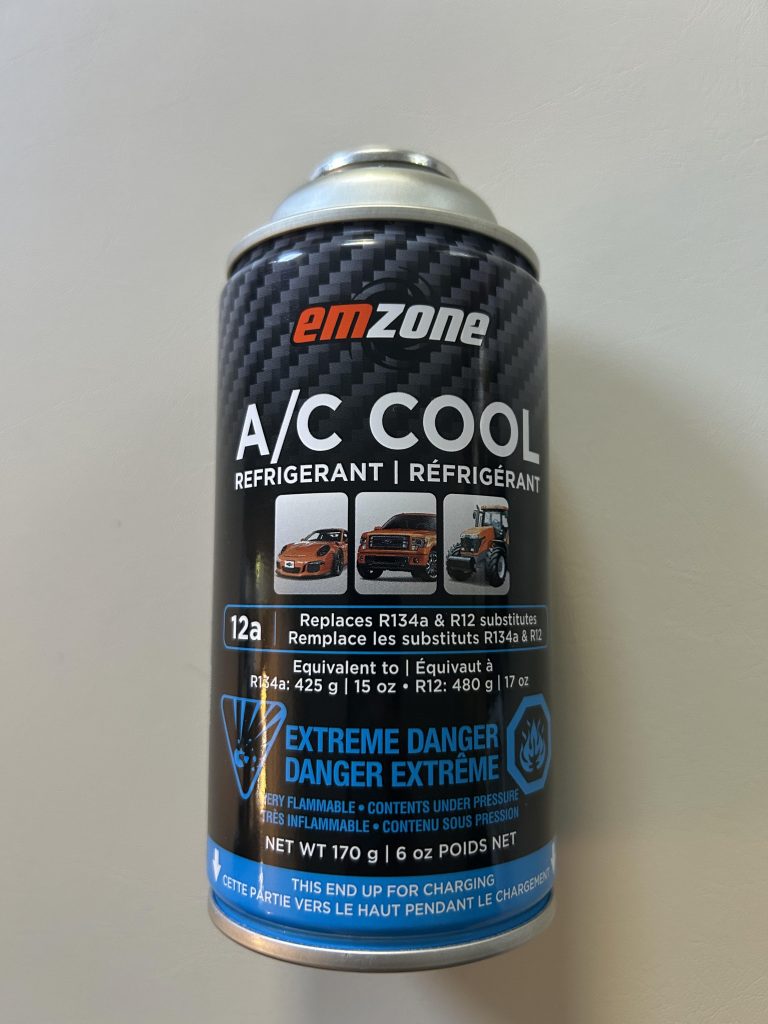
Is your car’s air conditioning blowing warm air instead of a refreshing cool breeze? You might be wondering, “What AC refrigerant does my car need?”
You’re not alone. Many car owners face this question, especially during those sweltering summer months when a functioning AC is a lifesaver. Choosing the right refrigerant is crucial for maintaining your car’s cooling efficiency and ensuring your comfort on the road.
But with so many options and technical jargon, it can feel overwhelming. Don’t worry; we’re here to simplify it for you. In this guide, we’ll break down everything you need to know about car AC refrigerants, helping you make the best choice for your vehicle. So, buckle up and get ready to enjoy a cool ride!

Credit: www.princessauto.com
Types Of Car Ac Refrigerants
The type of refrigerant in your car’s AC system affects its cooling performance and environmental footprint. Car manufacturers use different refrigerants depending on the model and year. Understanding these types helps you maintain your AC correctly and choose the right refrigerant during servicing. Below are the main types of car AC refrigerants used today.
Common Refrigerants Used Today
- R-12 (Freon): Used in cars before the mid-1990s. Now mostly phased out.
- R-134a: Became standard from the mid-1990s until the 2010s. Still common in many vehicles.
- R-1234yf: The newest refrigerant used in many modern cars. Designed to be eco-friendly.
Differences Between R-12, R-134a, And R-1234yf
| Refrigerant | Usage Era | Ozone Impact | Global Warming Potential (GWP) | Compatibility |
|---|---|---|---|---|
| R-12 | Before 1994 | High (ozone-depleting) | High (over 10,000) | Older systems only |
| R-134a | 1994 to 2015 | Zero | High (~1,430) | Most cars from 1994-2015 |
| R-1234yf | 2015 to present | Zero | Very low (<1) | Newer models only |
Environmental Impact Of Refrigerants
R-12 damages the ozone layer and has high global warming potential. It is banned in many countries. R-134a does not harm the ozone but has a significant global warming effect. R-1234yf has almost no effect on the ozone and very low global warming potential.
Using the correct refrigerant reduces harm to the environment. Modern cars require eco-friendly options like R-1234yf. Proper handling and recycling of refrigerants protect the planet and keep your AC running efficiently.
How To Identify Your Car’s Refrigerant
Knowing the right refrigerant for your car’s AC system is essential for effective cooling and avoiding costly repairs. Identifying the correct type isn’t always obvious, especially with newer models using different refrigerants than older vehicles. You can easily find this information by checking specific sources related to your car.
Checking The Owner’s Manual
Your car’s owner’s manual is the most straightforward source for refrigerant information. It usually lists the exact type of refrigerant your AC system uses, along with the quantity needed for a proper refill.
Keep your manual handy or find a digital version online. This ensures you don’t buy the wrong refrigerant, which can damage your AC system and void warranties.
Locating The Refrigerant Label
Many cars have a refrigerant label placed under the hood or near the AC components. This label often specifies the refrigerant type, such as R-134a or R-1234yf, and provides safety warnings.
Look for a small sticker or plate that includes the refrigerant details. If you spot terms like “HFC-134a” or “R-1234yf,” that directly tells you what you need.
Using Online Resources
If you don’t have the manual or can’t find the label, online tools can help. Manufacturer websites, automotive forums, and databases allow you to enter your car’s make, model, and year to get refrigerant info.
Be cautious with forum advice; double-check facts with official sources. Have you tried searching your car’s details online yet? It’s quick and can save you from buying the wrong product.
Signs Your Car Needs Refrigerant
Knowing the signs your car needs refrigerant helps keep the air conditioner working well. Low refrigerant causes the AC to lose cooling power. Detecting problems early avoids costly repairs and keeps you comfortable.
Weak Or Warm Airflow
When the AC blows weak or warm air, refrigerant may be low. The system struggles to cool the air properly. This often happens during hot days or after long drives. Check the airflow from vents to spot this issue.
Hissing Or Strange Noises
Hissing sounds near the AC system can mean refrigerant leaks. Strange noises may come from the compressor or hoses. These sounds are signs of pressure problems inside the system. Listen carefully when the AC runs to notice any unusual noise.
Visible Leaks Or Frost On Components
Look for oil stains or wet spots around AC hoses and connections. These show refrigerant leaks. Frost or ice buildup on pipes or the compressor also indicates low refrigerant. These visible signs mean the system needs attention soon.
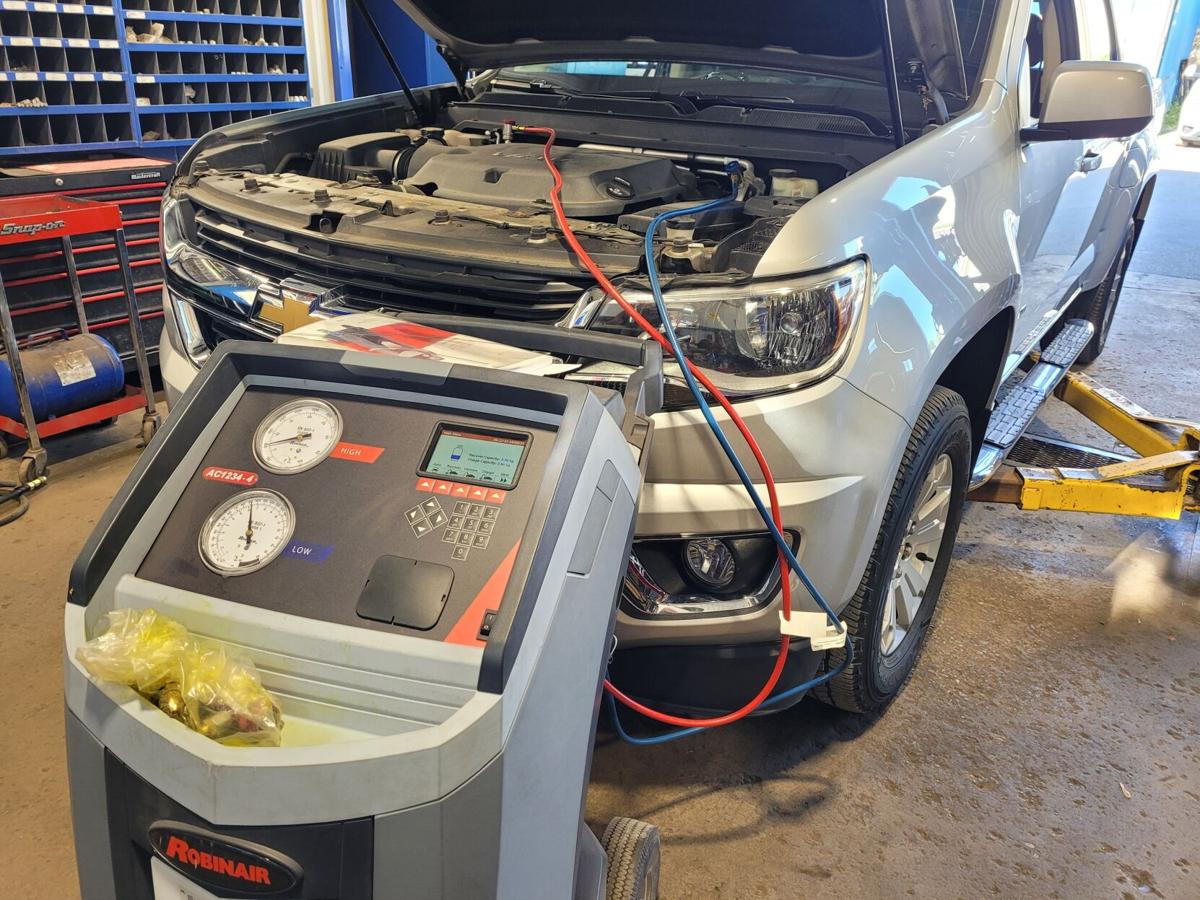
Credit: www.thestar.com
Refilling Your Car’s Ac System
Refilling your car’s AC system is a task that many vehicle owners consider when the cooling starts to falter. It can be tempting to handle this yourself, especially if you want to save time and money. However, understanding the right approach and tools is crucial to avoid damage and ensure your system works efficiently.
Diy Recharge Kits: Pros And Cons
DIY recharge kits are widely available and seem like a quick fix. They usually include a can of refrigerant, a gauge, and a hose to connect to your car’s AC system.
- Pros:Easy to use for small top-ups, cost-effective, and convenient if you don’t have immediate access to a mechanic.
- Cons:Risk of overfilling or underfilling, which can harm your AC system. These kits often don’t detect leaks or other underlying issues.
Have you ever tried a DIY kit only to find your AC still isn’t cooling properly? It’s often because the problem is more than just low refrigerant.
When To Visit A Professional
Sometimes, recharging your AC isn’t just about adding refrigerant. If your system has leaks, damaged components, or pressure irregularities, a professional is your best bet.
Certified technicians have the tools and expertise to diagnose problems accurately. They also ensure the correct type and amount of refrigerant is used, which varies by car model.
Think about the last time you had your AC checked by a mechanic. Did they perform a leak test or just top up the refrigerant? Such checks can save you from recurring issues and costly repairs.
Safety Precautions During Recharge
Handling refrigerant requires care. It’s a chemical that can cause frostbite or respiratory problems if mishandled.
- Always wear protective gloves and eyewear.
- Work in a well-ventilated area to avoid inhaling fumes.
- Never release refrigerant into the atmosphere—it’s harmful to the environment.
Have you read the instructions on your refrigerant can? Ignoring safety tips can lead to accidents that are easily preventable.
Maintaining Your Car’s Ac System
Keeping your car’s AC system in top shape is more than just a comfort issue—it’s about efficiency and avoiding costly repairs. Regular care helps your AC deliver cool air consistently and extends the life of the refrigerant and components. You don’t need to be a mechanic to spot problems early or do simple maintenance that makes a big difference.
Regular Inspections
Check your AC system at least twice a year, ideally before summer. Look for unusual noises or weak airflow, which can signal a refrigerant issue or clogged parts.
Have a professional inspect the refrigerant level and system pressure. Low refrigerant often means a leak, which can damage your compressor if left unchecked.
Leak Detection And Repairs
Leaks are the most common cause of refrigerant loss. You might notice oily spots or a sweet smell near AC components. These signs mean refrigerant is escaping.
Use leak detection kits or UV dye to find hidden leaks. Fixing leaks early prevents system damage and keeps your refrigerant at the right level.
Replacing Filters And Components
Dirty cabin air filters reduce airflow and force your AC to work harder. Change filters every 12,000 to 15,000 miles or as your manual suggests.
Other parts like the compressor, condenser, and expansion valve wear out over time. Replace worn components promptly to maintain system efficiency and refrigerant balance.

Credit: www.reddit.com
Future Trends In Car Ac Refrigerants
The world of car AC refrigerants is evolving fast. As concerns about climate change grow and technology advances, the types of refrigerants used in vehicles are changing too. Understanding these future trends can help you make smarter choices for your car and the environment.
Shift Toward Eco-friendly Options
Car manufacturers and service providers are moving away from older refrigerants like R-134a, which have high global warming potential. Instead, they are adopting eco-friendly alternatives such as R-1234yf. This newer refrigerant has much lower environmental impact and is becoming the industry standard.
You might wonder if these greener options affect your car’s cooling. Many drivers report that eco-friendly refrigerants provide equally effective cooling while being safer for the planet. Switching to these options means you can keep your car cool without adding to climate issues.
Regulations Affecting Refrigerant Use
Governments worldwide are tightening rules on refrigerants to reduce emissions. For example, the European Union and the United States have set strict limits on the use of high global warming potential gases. These regulations push manufacturers to phase out older refrigerants quickly.
Do these rules impact your car maintenance? Yes, they influence what refrigerants mechanics can use during servicing. Staying informed about local laws can save you from costly mistakes or illegal practices when recharging your AC system.
Impact On Vehicle Performance
Some people worry that newer refrigerants might affect their car’s AC system’s performance or durability. However, most modern vehicles are designed to work efficiently with the latest refrigerants. In fact, some new refrigerants help improve energy efficiency, reducing fuel consumption slightly.
Have you noticed your car’s AC working better or worse after a recharge? It could be related to the type of refrigerant used. Choosing the right refrigerant not only keeps you comfortable but can also protect your vehicle’s components over time.
Frequently Asked Questions
What Type Of Ac Refrigerant Does My Car Use?
Most cars use R-134a or the newer R-1234yf refrigerant. Check your owner’s manual or under the hood for the exact type.
How Do I Find The Right Ac Refrigerant For My Car?
Look for the refrigerant label under the hood or in the car manual. It specifies the exact type and amount needed.
Can I Use Any Refrigerant For My Car’s Ac System?
No, using the wrong refrigerant can damage your AC system. Always use the refrigerant specified by your vehicle manufacturer.
How Often Should I Recharge My Car’s Ac Refrigerant?
Recharge frequency depends on leaks and usage. Generally, check your AC system yearly and recharge if cooling efficiency drops.
Conclusion
Choosing the right AC refrigerant keeps your car cool and working well. Different cars need different types of refrigerants. Check your car’s manual or ask a mechanic for help. Using the wrong refrigerant can cause damage. Regular maintenance helps your AC last longer.
Keep your car comfortable during hot days. Knowing what refrigerant your car needs saves time and money. Simple steps can make a big difference. Stay informed and take good care of your vehicle.