Are you worried about what’s happening to the refrigerant in your AC? You might have heard that some types of refrigerants are being phased out, but what does that really mean for you and your air conditioner?
If you want to avoid costly repairs or replacements, it’s important to know which AC refrigerants are disappearing and why. Keep reading to find out what’s changing, how it affects your comfort, and what you need to do to stay cool without breaking the bank.

Credit: www.pacaire.com
Types Of Ac Refrigerants
Understanding the types of AC refrigerants is essential, especially as some are being phased out due to environmental concerns. These refrigerants play a crucial role in how efficiently your air conditioner cools your space. Knowing the differences can help you make informed choices about maintenance, repairs, or upgrades.
Common Refrigerants In Use
Several refrigerants have been popular over the years, but not all are still in use today. Here’s a quick look at some common types:
- R-22 (Freon):Once the standard, it’s now being phased out because of its ozone-depleting properties.
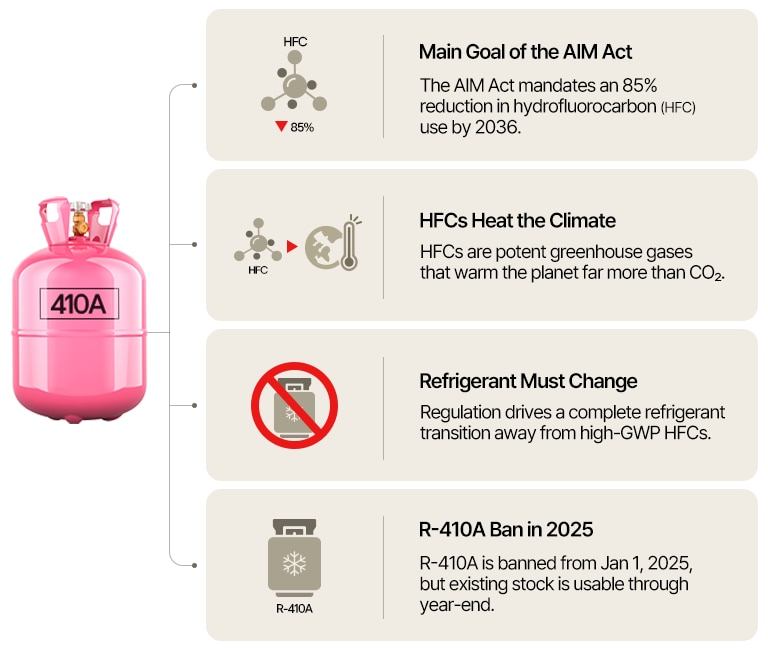
- R-410A (Puron):Currently the most common, it’s more environmentally friendly than R-22 but still has a global warming potential.
- R-32:A newer option with lower environmental impact, gaining popularity for its efficiency and reduced greenhouse effect.
- R-134a:Often used in automotive AC systems, but less common in home units today.
Did you know that switching from an old R-22 system to an R-410A one can significantly improve your AC’s efficiency? It’s worth asking your technician about your current refrigerant type during service calls.
Environmental Impact Factors
Refrigerants vary widely in how they affect the environment. Two main factors drive this impact:
- Ozone Depletion Potential (ODP):Measures how much a refrigerant can damage the ozone layer.
- Global Warming Potential (GWP):Indicates how much heat a refrigerant traps in the atmosphere compared to carbon dioxide.
R-22 has a high ODP, which led to its phase-out under international agreements. Meanwhile, R-410A has zero ODP but a relatively high GWP, pushing the industry toward alternatives like R-32.
Have you considered how your choice of refrigerant impacts not just your comfort but the planet? Understanding these factors can help you choose more sustainable cooling solutions.
Reasons For Phasing Out
Understanding the reasons behind phasing out certain AC refrigerants can help you see why changes in your air conditioning system are necessary. These reasons stem from environmental and regulatory factors that affect both the planet and the future of cooling technology. Let’s break down the key causes driving this shift.
Ozone Depletion Concerns
Some older refrigerants contain chemicals that damage the ozone layer, which protects us from harmful ultraviolet rays. You might not realize how serious this is until you consider the increase in skin cancer and environmental harm linked to ozone depletion.
Chlorofluorocarbons (CFCs) and hydrochlorofluorocarbons (HCFCs) are the main culprits. These substances slowly break down ozone molecules, leading to thinning of the ozone layer.
Global Warming Potential
Even refrigerants that don’t harm the ozone can still trap heat in the atmosphere. This is called Global Warming Potential (GWP), and some refrigerants have a much higher GWP than carbon dioxide.
Using high-GWP refrigerants is like adding more greenhouse gases to the air, accelerating climate change. You might wonder if your AC unit is contributing to this invisible threat.
Regulatory Changes
Governments worldwide are updating laws to limit or ban refrigerants that harm the environment. These regulations push manufacturers and consumers to switch to safer alternatives.
If you own an older AC system, these rules could affect repair options and costs. Staying informed helps you avoid unexpected expenses and environmental impact.
Refrigerants Being Phased Out
Many older AC refrigerants like R-22 are being phased out due to environmental harm. Newer, eco-friendly refrigerants are replacing them in air conditioning systems.
Refrigerants Being Phased Out As you explore the world of air conditioning and refrigeration, it’s crucial to understand the types of refrigerants that are gradually disappearing from the market. These refrigerants, once popular for their effectiveness, are now recognized as harmful to the environment. Their phase-out is part of a global effort to protect our planet.R-22 And Its Environmental Effects
R-22, also known as Freon, was once the go-to refrigerant for residential air conditioning systems. However, it is now being phased out due to its ozone-depleting properties. If your system still uses R-22, it might be time to consider an upgrade. The environmental impact of R-22 is significant. It contributes to ozone layer depletion and global warming. Imagine the collective effect if every household continues using it. Wouldn’t you want to be part of the solution rather than the problem?Other Obsolete Refrigerants
Beyond R-22, there are other refrigerants that are becoming obsolete. For example, R-12, once used in older car air conditioning systems, is no longer manufactured due to its harmful effects. Similarly, R-502, which was used in low-temperature refrigeration, is also phased out. These changes mean that finding replacements or repairing older systems can be costly and challenging. Are you still relying on an outdated system? It might be worth considering newer, more environmentally friendly options. Upgrading can save you money in the long run and contribute to a healthier planet. Navigating the world of refrigerants may seem complex, but making informed choices can have a lasting positive impact. Are you ready to make the switch for a greener future?
Credit: www.russettsouthwest.com
Alternatives To Phased-out Refrigerants
As traditional AC refrigerants face phase-out due to environmental concerns, finding the right alternatives becomes crucial for both homeowners and professionals. These new refrigerants need to balance environmental impact, performance, and cost. Let’s dive into the options that are shaping the future of cooling systems.
Eco-friendly Options
Many newer refrigerants have much lower global warming potential (GWP) than the older ones like R-22. Hydrofluoroolefins (HFOs) such as R-1234yf and R-454B offer significant reductions in emissions. These options not only comply with regulations but also help reduce your carbon footprint.
Natural refrigerants like propane (R-290) and carbon dioxide (R-744) are gaining traction too. They come from abundant sources and have negligible environmental harm. However, they require specific handling and system designs to ensure safety and efficiency.
Performance And Efficiency
Switching to a new refrigerant doesn’t mean compromising on how well your AC system cools. Many alternatives maintain or even improve cooling capacity and energy efficiency. For example, R-32 is popular because it offers high performance with lower GWP.
Think about your AC’s operating conditions—some refrigerants work better in hotter climates, while others excel in moderate temperatures. Matching the refrigerant to your environment ensures you get the best performance without unnecessary energy waste.
Cost Considerations
Initial costs for switching refrigerants can vary widely. Some eco-friendly options require new equipment or system modifications, which add to upfront expenses. However, they often save money in the long run through lower energy bills and fewer repairs.
Ask yourself: How important is upfront cost versus long-term savings for your situation? Sometimes investing a bit more now can protect you from future price hikes on phased-out refrigerants. Plus, some governments offer rebates or incentives for upgrading to greener options.
Impact On Consumers And Industry
The phase-out of certain AC refrigerants brings notable effects for both consumers and the industry. Changes in refrigerant standards push manufacturers and service providers to adapt quickly. Consumers may face higher costs and limited service options. The shift also drives innovation and new product development within the industry.
Service And Maintenance Challenges
Older refrigerants are becoming scarce, making repairs harder. Technicians need special training to handle new refrigerants safely. Equipment must meet updated regulations, increasing service complexity. Consumers might experience longer wait times for repairs. Maintenance costs could rise due to the need for specialized tools and parts.
Retrofitting And Replacement Options
Many existing AC units require retrofitting to use new refrigerants. Not all systems can be converted safely or efficiently. Sometimes, full replacement is the better option. New units use eco-friendly refrigerants with lower environmental impact. Consumers should weigh retrofit costs against replacement benefits. Industry players focus on providing clear guidance to ease transition.
Credit: www.lg.com
Future Trends In Refrigerants
The future of refrigerants is shifting rapidly as industries respond to environmental concerns and regulatory changes. You might have noticed some refrigerants being phased out due to their high global warming potential (GWP). Understanding what’s coming next can help you make better choices for your cooling systems and budget.
Innovations In Cooling Technology
New cooling technologies are emerging that use refrigerants with lower environmental impact. For example, natural refrigerants like propane (R-290) and carbon dioxide (R-744) are gaining popularity because they have minimal or no GWP. These alternatives not only help reduce emissions but often improve energy efficiency, which can lower your electricity bills.
Have you ever wondered why some air conditioners feel colder faster? It’s often due to advancements in compressor design and heat exchange methods that work better with these eco-friendly refrigerants. Manufacturers are also developing smart systems that adjust cooling output based on the room’s needs, saving energy and extending equipment life.
Sustainability Goals
Many countries and companies are setting ambitious sustainability goals that directly affect refrigerant use. The phase-out of traditional refrigerants like R-22 and R-410A is part of a larger plan to cut greenhouse gas emissions. This means the products you buy today must align with stricter environmental standards tomorrow.
If you’re managing a building or fleet of cooling units, it’s worth asking: Are your current systems compatible with the new refrigerants or will you face costly retrofits? Planning ahead can avoid unexpected expenses and support your commitment to a greener future. Plus, some governments offer incentives to switch to sustainable refrigerants—have you checked if you qualify?
Frequently Asked Questions
Which Ac Refrigerant Is Currently Being Phased Out?
R-22 refrigerant, also called Freon, is being phased out due to environmental harm. It depletes the ozone layer and contributes to global warming.
Why Is R-22 Refrigerant Being Discontinued?
R-22 contains HCFCs, harmful chemicals that damage the ozone layer. Global regulations require its phase-out to protect the environment.
What Refrigerants Replace R-22 In Air Conditioners?
R-410A and newer alternatives like R-32 are common replacements. They are more eco-friendly and efficient refrigerants for modern AC units.
When Did The Phase-out Of R-22 Begin?
The phase-out started in 2010 with production limits. Complete production and import bans took effect globally by 2020.
Conclusion
AC refrigerants like R-22 are being phased out worldwide. This change helps protect the environment from harmful gases. Newer refrigerants use safer chemicals with less damage to the ozone layer. Switching to these alternatives saves energy and reduces costs. Knowing about this shift helps you prepare for future repairs.
Stay informed to keep your AC running smoothly and eco-friendly. The phase-out means a cleaner planet and better technology for all.