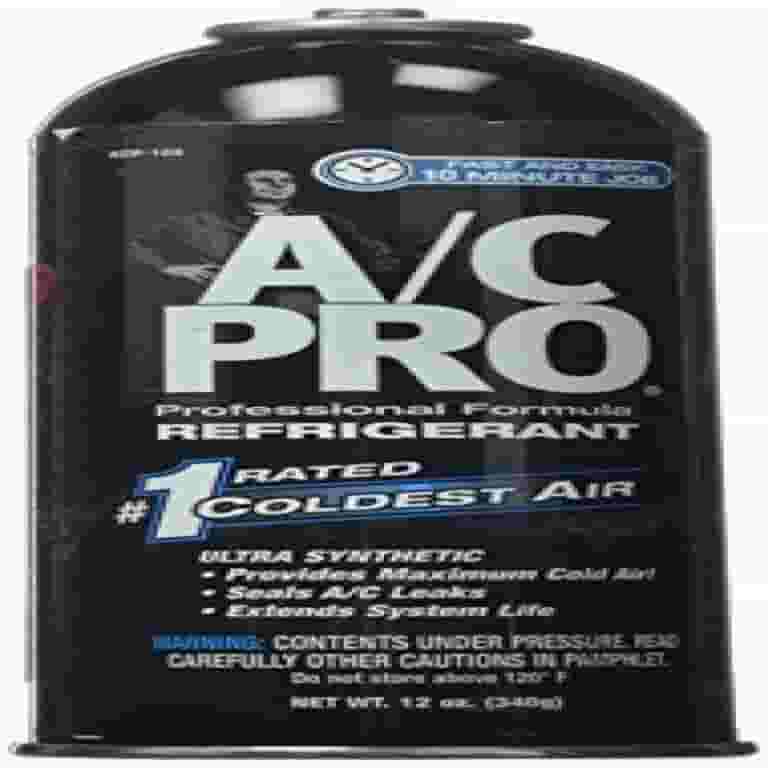
Have you ever wondered what makes your air conditioner cool the air so effectively? The secret lies in something called AC refrigerant.
Understanding what AC refrigerant is and how it works can help you take better care of your cooling system. If you want to keep your home comfortable and avoid costly repairs, knowing this key component is a smart move. Let’s dive in and discover what AC refrigerant really is, why it matters to you, and how it keeps your air conditioner running smoothly.
Types Of Ac Refrigerants
Understanding the different types of AC refrigerants is essential for maintaining an efficient and eco-friendly cooling system. Each refrigerant has unique properties that affect performance, environmental impact, and compatibility with your AC unit. Let’s break down the common options, their effects on the planet, and how to pick the best one for your needs.
Common Refrigerant Options
Several types of refrigerants are commonly used in air conditioning systems today:
- R-22 (Freon):Once the most popular choice, R-22 is being phased out due to its ozone-depleting properties.
- R-410A (Puron):A widely used replacement for R-22, it offers better efficiency and no ozone depletion but has a high global warming potential.
- R-32:Known for its improved energy efficiency and lower environmental impact compared to R-410A.
- R-134a:Often used in automotive and refrigeration systems, it’s less common in residential AC but still relevant.
- Natural refrigerants:Options like propane (R-290) and CO2 (R-744) are gaining attention for their low environmental footprint.
Environmental Impact
Refrigerants have different effects on the environment, especially regarding ozone depletion and global warming. R-22, for instance, damages the ozone layer, which is why it’s being banned worldwide. Meanwhile, R-410A doesn’t harm the ozone but contributes significantly to greenhouse gas emissions.
Have you considered how your AC’s refrigerant affects the planet? Newer refrigerants like R-32 and natural options reduce environmental harm but may require specific equipment or handling. Choosing an eco-friendly refrigerant can lower your carbon footprint and future-proof your cooling system.
Choosing The Right Refrigerant
Picking the right refrigerant depends on your AC system’s compatibility, local regulations, and your environmental priorities. If your unit uses R-22, switching to a compatible alternative like R-410A or R-32 during replacement or servicing is crucial. You should also think about the cost, availability, and efficiency of the refrigerant.
Talk to your HVAC professional about the best option for your home or business. Would investing in a newer refrigerant save you money and energy over time? The right choice can improve performance and reduce environmental impact without breaking your budget.
How Refrigerants Work
Understanding how refrigerants work can change the way you see your air conditioning system. These special fluids are key players in creating the cool air you enjoy on hot days. Let’s break down their role and why they are so essential.
Cooling Cycle Basics
The cooling cycle is a simple yet clever process. Refrigerant starts as a low-pressure gas, absorbing heat from inside your home.
As it absorbs heat, it changes into a high-pressure liquid when compressed. This liquid then releases heat outside as it evaporates back into a gas.
This cycle repeats continuously, moving heat out of your living space and keeping you comfortable.
Role In Heat Transfer
Refrigerants are amazing at carrying heat from one place to another. Think of them as heat shuttles that pick up warmth inside and drop it outside.
They have properties that let them easily change between gas and liquid, which is how they absorb and release heat efficiently.
Without refrigerants, your AC wouldn’t be able to transfer heat effectively, and cool air would be just a dream.
Signs Of Refrigerant Issues
Recognizing the signs of refrigerant issues early can save you from costly repairs and discomfort during hot days. Your air conditioner relies on the right amount of refrigerant to keep your home cool and comfortable. If you notice any changes in how your AC performs, it might be time to check the refrigerant levels or condition.
Reduced Cooling Efficiency
If your AC isn’t cooling as well as it used to, refrigerant problems might be the cause. You may feel warm air blowing from the vents, even when the system is on full blast. This usually means the refrigerant is low or leaking, preventing your AC from absorbing heat effectively.
Have you ever adjusted your thermostat multiple times without feeling any difference? That’s a common sign of reduced cooling efficiency caused by refrigerant issues. Don’t ignore it—addressing the problem early can restore your comfort quickly.
Unusual Noises Or Odors
Listen closely when your AC is running. Hissing or bubbling sounds can indicate a refrigerant leak inside the system. These noises are caused by escaping refrigerant gas and should not be overlooked.
Along with sounds, strange smells might come from your vents. A chemical or sweet odor can be a sign of refrigerant leakage, which could be harmful if inhaled over time. If you notice these signs, it’s best to have a professional inspect your unit immediately.
Leaks And Pressure Drops
Visible leaks around your AC unit or near refrigerant lines are a clear indicator of trouble. Refrigerant leaks can cause pressure drops, leading to inefficient cooling and potential damage to your compressor.
Monitoring system pressure is crucial. Sudden drops may signal a leak or other issues affecting refrigerant flow. Regular maintenance and checks can help you catch these problems before they escalate.
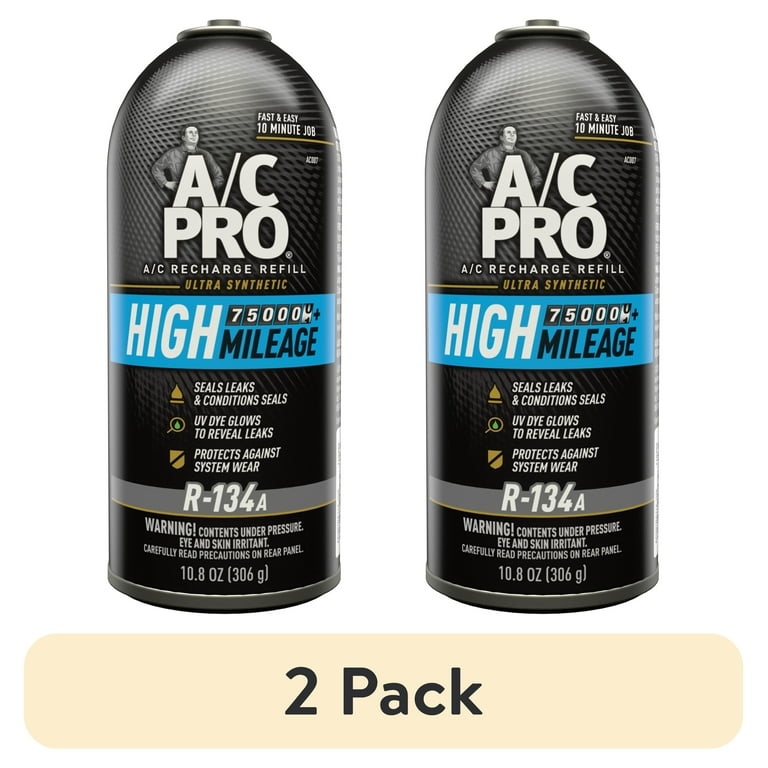
Credit: www.walmart.com
Maintaining Optimal Refrigerant Levels
Maintaining the right refrigerant level in your AC system is essential for efficient cooling. The correct amount of refrigerant ensures the system runs smoothly without strain. Low or high refrigerant levels can cause poor performance and damage to the unit.
Regular checks help spot issues early. Proper handling during recharging keeps the AC safe and effective. Avoiding overcharging protects the system from costly repairs.
Checking Refrigerant Charge
Check the refrigerant charge by observing cooling performance and pressure readings. Signs of low refrigerant include warm air and longer cooling cycles. Use pressure gauges to measure the refrigerant level accurately. Regular inspections can prevent leaks and inefficiency.
Professional Recharging Tips
Always hire a certified technician for recharging refrigerant. Professionals use proper tools and follow safety rules. They measure the exact amount needed for your system. This prevents damage and extends the AC’s life. Keep records of each recharge for future reference.
Avoiding Overcharging
Too much refrigerant causes high pressure and poor cooling. It can damage the compressor and other parts. Avoid overcharging by trusting professionals to add the right amount. Never add refrigerant without proper measurement tools. Correct levels ensure safe and effective AC operation.
Refrigerant Safety Tips
Handling AC refrigerants requires more than just technical know-how. Your safety and the environment depend on careful practices every time you work with these chemicals. Understanding key safety tips helps you avoid accidents and long-term harm.
Handling And Storage
Always wear protective gloves and goggles when dealing with refrigerants. These substances can cause frostbite or eye injuries if they come into direct contact with your skin or eyes.
Store refrigerants in a cool, dry place away from direct sunlight and heat sources. Make sure containers are upright and tightly sealed to prevent leaks.
Think about your last visit to a repair shop—did the technician handle refrigerants carefully? Proper handling not only protects you but also helps maintain the efficiency of your AC system.
Health And Environmental Precautions
Refrigerants can be harmful if inhaled. Ensure you work in well-ventilated areas to avoid breathing in any fumes. If you feel dizzy or nauseous, leave the area immediately.
Many refrigerants contribute to ozone layer depletion and global warming. You must never release them into the atmosphere. Instead, use certified recovery equipment to capture and recycle refrigerants safely.
Have you considered how your actions impact the planet? Being mindful about refrigerant use protects not only your health but also the environment for future generations.

Credit: www.walmart.com
Future Trends In Ac Refrigerants
Looking ahead, the world of AC refrigerants is changing rapidly. You might wonder how these changes will affect your air conditioning systems and the environment. Understanding future trends can help you make better choices and stay ahead with efficient cooling solutions.
Eco-friendly Alternatives
More eco-friendly refrigerants are gaining attention as concerns about climate change grow. These new options include natural refrigerants like propane (R-290) and carbon dioxide (R-744), which have much lower global warming potential (GWP) than traditional ones.
Switching to these alternatives isn’t just about being green. You can also benefit from improved energy efficiency and potentially lower operating costs. Have you checked if your current AC unit supports eco-friendly refrigerants or if a retrofit is possible?
Regulatory Changes
Governments worldwide are tightening regulations on refrigerants to reduce environmental harm. Many countries are phasing out high-GWP refrigerants, pushing manufacturers and users to adopt safer options.
This means your next AC purchase or service might come with different refrigerant requirements. Staying informed about these rules can save you from unexpected expenses and keep your system compliant.

Credit: www.walmart.com
Frequently Asked Questions
What Is Ac Refrigerant And Why Is It Important?
AC refrigerant is a chemical that absorbs heat and cools air. It circulates in the AC system to remove indoor heat. Without refrigerant, the AC cannot cool your space effectively.
Which Types Of Refrigerants Are Commonly Used In Acs?
Common AC refrigerants include R-22, R-410A, and R-32. Newer systems mostly use R-410A and R-32 for better efficiency and environmental safety. Older units often contain R-22, which is being phased out.
How Does Ac Refrigerant Affect Energy Efficiency?
Efficient refrigerants like R-410A improve cooling performance and reduce energy consumption. Proper refrigerant levels ensure the system runs smoothly and saves electricity. Low or leaking refrigerant can increase energy bills.
Can I Refill Ac Refrigerant Myself?
Refilling refrigerant requires specialized tools and certification due to environmental laws. It’s best to hire a certified HVAC technician to handle refrigerant safely and ensure proper system function.
Conclusion
Understanding AC refrigerant is crucial for efficient cooling. It keeps your air conditioner running smoothly. Choosing the right refrigerant impacts performance and energy usage. Regular maintenance helps prevent leaks and ensures system longevity. Always consult a professional for refrigerant handling.
This ensures safety and compliance with environmental regulations. Staying informed about refrigerant options benefits both your wallet and the planet. Remember, a well-maintained AC system offers comfort and peace of mind. Keep cool, stay informed, and enjoy the benefits of a properly functioning air conditioning system.