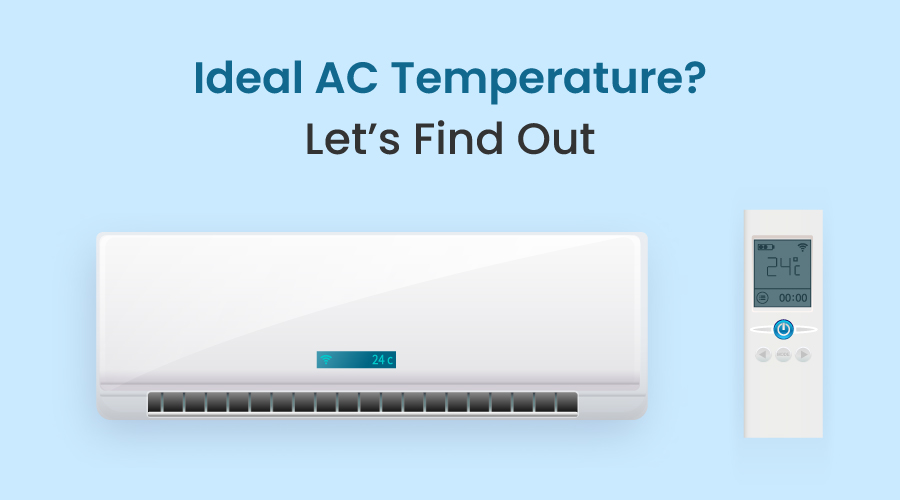
Are you struggling to find the perfect air conditioner temperature that keeps you comfortable without wasting energy? You’re not alone.
Setting your AC just right can make a huge difference—not only in how cool your home feels but also in your electricity bill. What if you could discover the ideal temperature that balances comfort and savings effortlessly? Keep reading, because understanding the best air conditioner temperature for your space will change the way you experience summer—and your wallet will thank you too.
Ideal Temperature Range
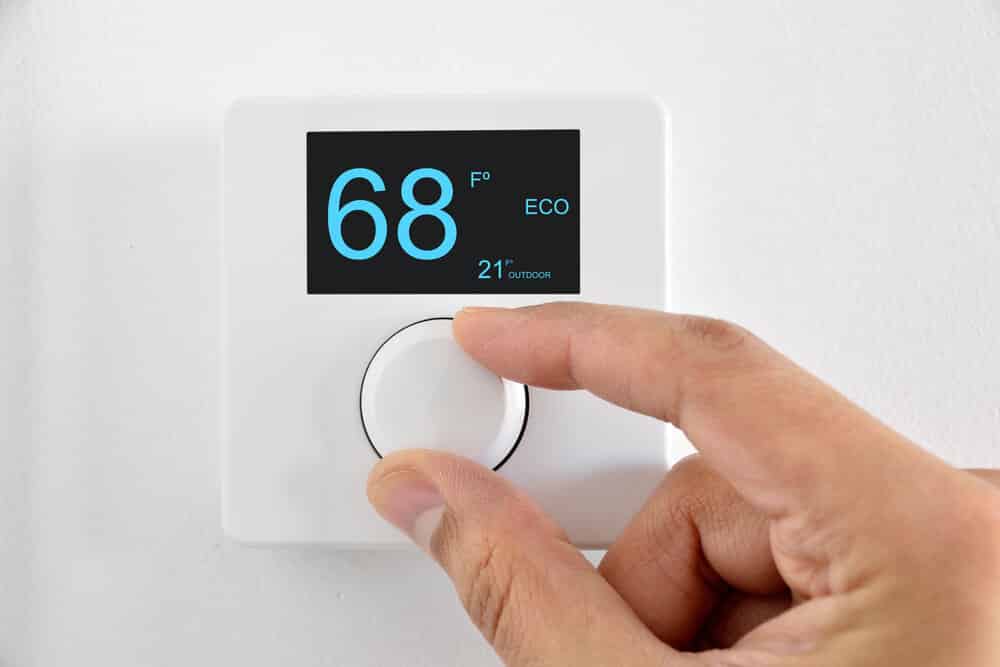
Setting the air conditioner to 24-26°C (75-78°F)during the day keeps rooms comfortable and energy use low. This range helps maintain a cool atmosphere without making the air too cold.
At night, a slightly higher temperature of 26-28°C (78-82°F)is better. It allows the body to sleep well while saving electricity. Warm nights need less cooling, so raise the thermostat.
| Season | Ideal Temperature Range (°C) | Notes |
|---|---|---|
| Summer | 24-26 | Use lower temps for hot days, higher for cooler nights |
| Winter | 26-28 | Less cooling needed, keep temps warmer for comfort |
Credit: fischerheating.com
Energy Efficiency Tips
Balancing comfort and savingsmeans setting your air conditioner to a temperature that feels good but does not waste energy. The ideal temperature is usually around 78°F (25°C)when you are home. This saves energy and keeps your space cool enough.
Using programmable thermostatshelps control your AC without manual work. Set higher temperatures when you are away and cooler when you return. This simple step cuts energy use and lowers bills.
Maintaining your AC unitis key to energy efficiency. Clean or replace filters every month during use. Keep the outdoor unit free from leaves and dirt. Regular checks by a technician ensure it runs smoothly and uses less power.
Health And Comfort Factors
Humidity controlis key for comfort and health. Air conditioners help reduce moisture in the air. This prevents mold and dust mites, which can cause allergies. Keeping humidity between 30% and 50%feels best for most people.
Air quality matters. Air conditioners with good filters remove dust, pollen, and smoke. Clean air helps you breathe easier and stay healthy.
Avoid overcoolingto prevent colds and dry skin. Setting the temperature too low can cause discomfort. A range of 72°F to 78°Fusually works well. It saves energy and keeps your body comfortable.
Credit: www.tomsguide.com
Special Situations
Babies and elderlyneed warmer air to stay comfortable. Set the temperature around 75°F to 78°F. Too cold air can cause health issues for them.
Office settingsoften require cooler temperatures, usually 72°F to 75°F, to keep people alert. Home settings can be a bit warmer, around 74°F to 78°F, for relaxation.
| Climate | Recommended AC Temperature | Reason |
|---|---|---|
| Hot and Humid | 72°F – 75°F | Controls moisture and cools effectively |
| Dry and Hot | 75°F – 78°F | Prevents over-drying the air |
| Cold Climate | 78°F – 80°F | Keeps indoor air warm and cozy |
Smart Thermostat Benefits
Adaptive temperature controllearns your habits and adjusts settings automatically. It keeps your home comfy without extra effort. This feature saves energy by avoiding overcooling or overheating. The system changes temperature based on time of day or room use.
Remote access featureslet you control your thermostat from anywhere. Use your phone or tablet to change settings on the go. This means you can cool your house before you get home. It adds convenience and helps reduce energy waste.
Energy usage monitoringshows how much power your AC uses. You can see which times or settings use the most energy. This helps you make smart choices to lower bills. Some thermostats give tips to save more energy.

Credit: blossomaircon.com
Frequently Asked Questions
What Is The Ideal Ac Temperature For Summer?
The ideal AC temperature for summer is around 24-26°C (75-78°F). This range provides comfort while ensuring energy efficiency. Adjusting the temperature slightly higher when you’re away can help save on electricity bills. It’s important to balance comfort with cost-effectiveness to maintain a pleasant indoor environment.
How Does Humidity Affect Ac Temperature Settings?
Humidity significantly impacts AC temperature settings. High humidity makes it feel warmer, requiring a lower temperature setting for comfort. Conversely, low humidity might allow for higher settings. Proper humidity management, through dehumidifiers or AC settings, ensures optimal comfort and efficiency in your home, preventing excess energy consumption.
What Ac Temperature Saves The Most Energy?
Setting your AC to 78°F (26°C) when you’re home saves the most energy. This temperature maintains comfort while minimizing energy usage. Increasing the temperature by a few degrees when you’re away further reduces energy consumption. Using a programmable thermostat can optimize these settings automatically for maximum efficiency.
How Do I Choose The Right Ac Temperature?
Choose the right AC temperature based on comfort and efficiency. Start with 24°C (75°F) and adjust according to personal preference. Consider external weather conditions and humidity levels. Utilize a programmable thermostat to automate settings. This ensures comfort while reducing energy costs, providing a balanced indoor climate.
Conclusion
Setting the right air conditioner temperature saves energy and money. Aim for a comfortable level around 24-26°C (75-78°F). This keeps your home cool without overworking the AC. Adjust slightly based on your comfort and outside heat. Remember, a steady temperature works better than constant changes.
Proper settings improve air quality and reduce wear on your unit. Enjoy cool air that feels just right all day long. Simple habits make a big difference in comfort and efficiency.