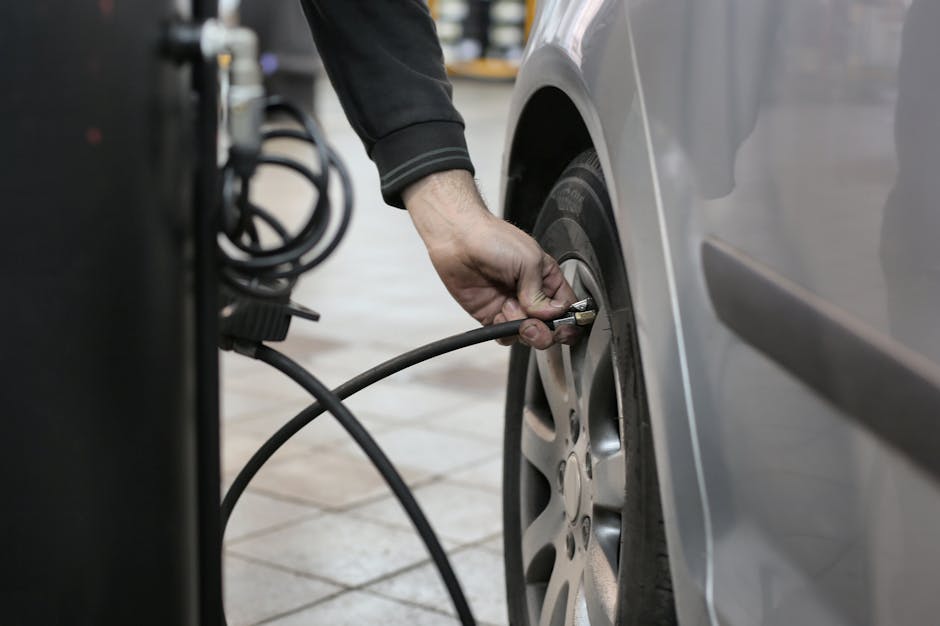
Are you unsure about the right air pressure for your car tires? You’re not alone.
Many drivers overlook this crucial aspect of vehicle maintenance, which can impact your safety, fuel efficiency, and even the lifespan of your tires. Imagine driving with tires that have optimal pressure—your car runs smoothly, you save money on gas, and most importantly, you drive safely.
This small adjustment can make a big difference. Curious about how you can achieve this? Stick around, because we’re about to reveal the secrets of tire pressure that will transform your driving experience.
Recommended Tire Pressure
Keeping the right air pressure in your car tires is very important. Proper tire pressure helps your car run safely and saves fuel.
Knowing the correct pressure depends on your car and the tires it uses. Always check the right numbers before filling air.
Finding Manufacturer Guidelines
The best place to find the right tire pressure is your vehicle’s manual. The maker lists the recommended pressure for your tires.
- Look inside the driver’s door frame for a sticker with tire info.
- Check the owner’s manual for detailed pressure data.
- Follow the manufacturer’s numbers, not the tire sidewall.
Pressure Differences By Vehicle Type
Tire pressure varies with the type of vehicle. Trucks need more air than small cars, for example.
| Vehicle Type | Recommended Pressure (PSI) |
| Small Cars | 30 – 35 |
| SUVs | 35 – 40 |
| Pickup Trucks | 40 – 45 |
| Heavy Trucks | 50 – 80 |
Credit: www.carparts.com
Effects Of Incorrect Pressure
Keeping the right air pressure in your car tires is very important. Incorrect pressure can cause many problems. It affects how long your tires last, your fuel use, and your safety on the road.
This guide explains what happens when your tires do not have the right pressure. Learn about the impact on tire wear, fuel efficiency, and handling risks.
Impact On Tire Wear
Too low or too high tire pressure causes uneven tire wear. Low pressure makes the edges of the tire wear faster. High pressure wears down the center of the tire. Both conditions shorten tire life and increase replacement costs.
- Low pressure causes tire edges to wear out quickly.
- High pressure causes the tire center to wear faster.
- Uneven wear reduces tire lifespan.
- Improper wear can lead to blowouts.
Fuel Efficiency Consequences
Incorrect tire pressure can lower fuel efficiency. Underinflated tires increase rolling resistance, making your engine work harder. Overinflated tires reduce the contact area, which can also reduce efficiency and comfort.
| Pressure Condition | Effect on Fuel | Reason |
| Underinflated | More fuel used | Higher rolling resistance |
| Overinflated | Less fuel efficient | Reduced tire contact with road |
| Correct pressure | Optimal fuel use | Proper tire-road contact |
Handling And Safety Risks
Wrong tire pressure harms your car’s handling and safety. Low pressure can cause poor steering and longer stopping distances. High pressure reduces grip and increases risk of a blowout. Both conditions raise chances of accidents.
- Slower response when steering
- Longer braking distance
- Higher risk of tire blowouts
- Less stability on wet or slippery roads
Checking Tire Pressure
Maintaining the right air pressure in car tires is key for safety and fuel efficiency.
Checking your tire pressure regularly helps avoid uneven tire wear and improves driving comfort.
Best Tools To Use
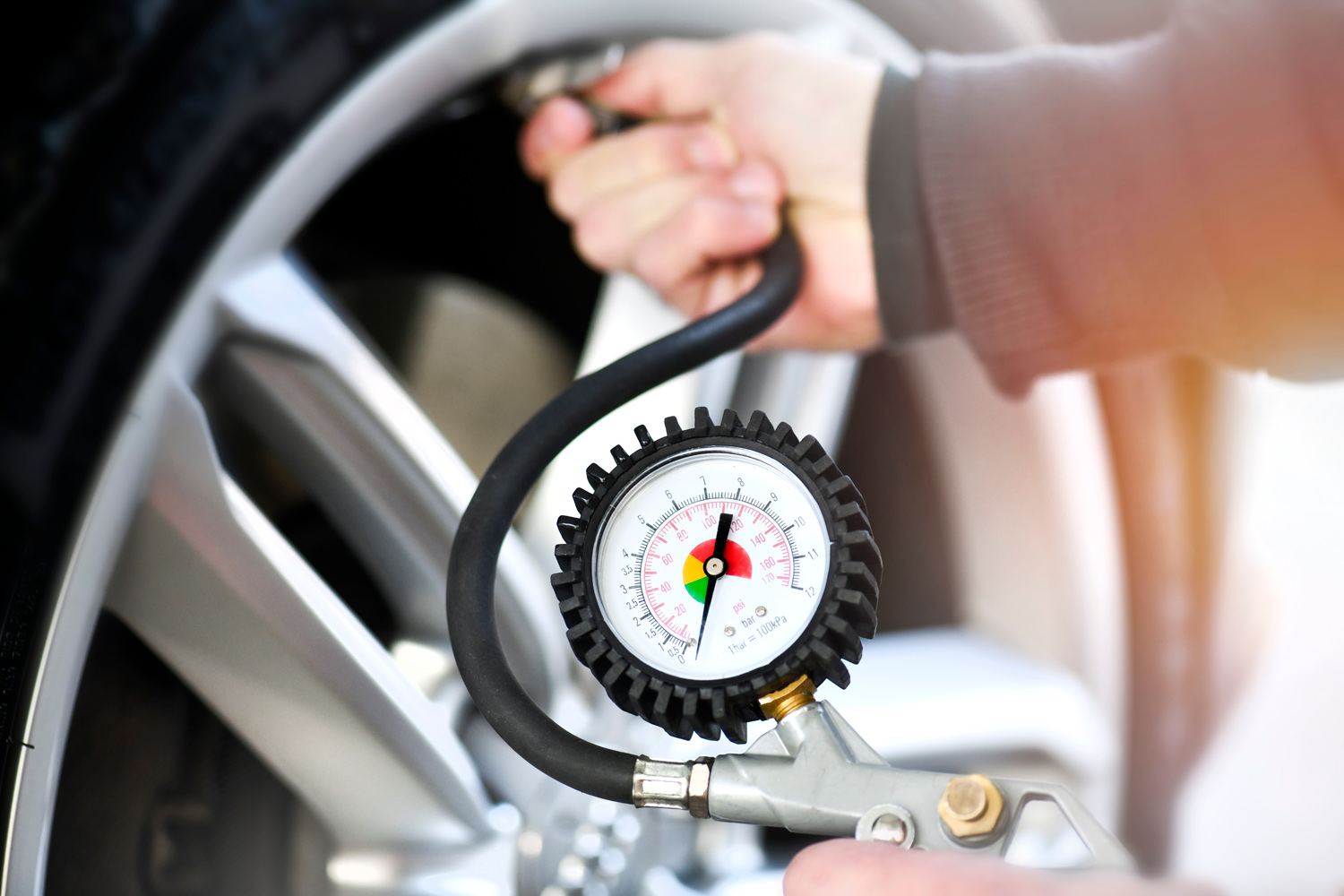
There are several tools to check tire pressure accurately at home or on the road.
- Digital tire pressure gauge: Gives quick and easy readings.
- Dial tire pressure gauge: Uses a dial to show pressure.
- Stick tire pressure gauge: A simple, compact tool with a sliding scale.
- Air compressor with pressure gauge: Allows you to add air and check pressure.
When To Check Pressure
Tire pressure changes with temperature and use. Check it often to keep tires safe.
| Time to Check | Reason |
| Before long trips | Ensures tires are properly inflated for safety. |
| Once a month | Keeps tires at recommended pressure for normal driving. |
| When tires look low | Prevents damage from driving on underinflated tires. |
| After temperature drops | Cold weather can lower tire pressure. |

Credit: www.amazon.com
Adjusting Tire Pressure
Keeping the right air pressure in your car tires is very important. Proper pressure helps your tires last longer and keeps you safe on the road.
You can adjust tire pressure by adding air or letting some out. Both need care to get the best result.
How To Inflate Tires Properly
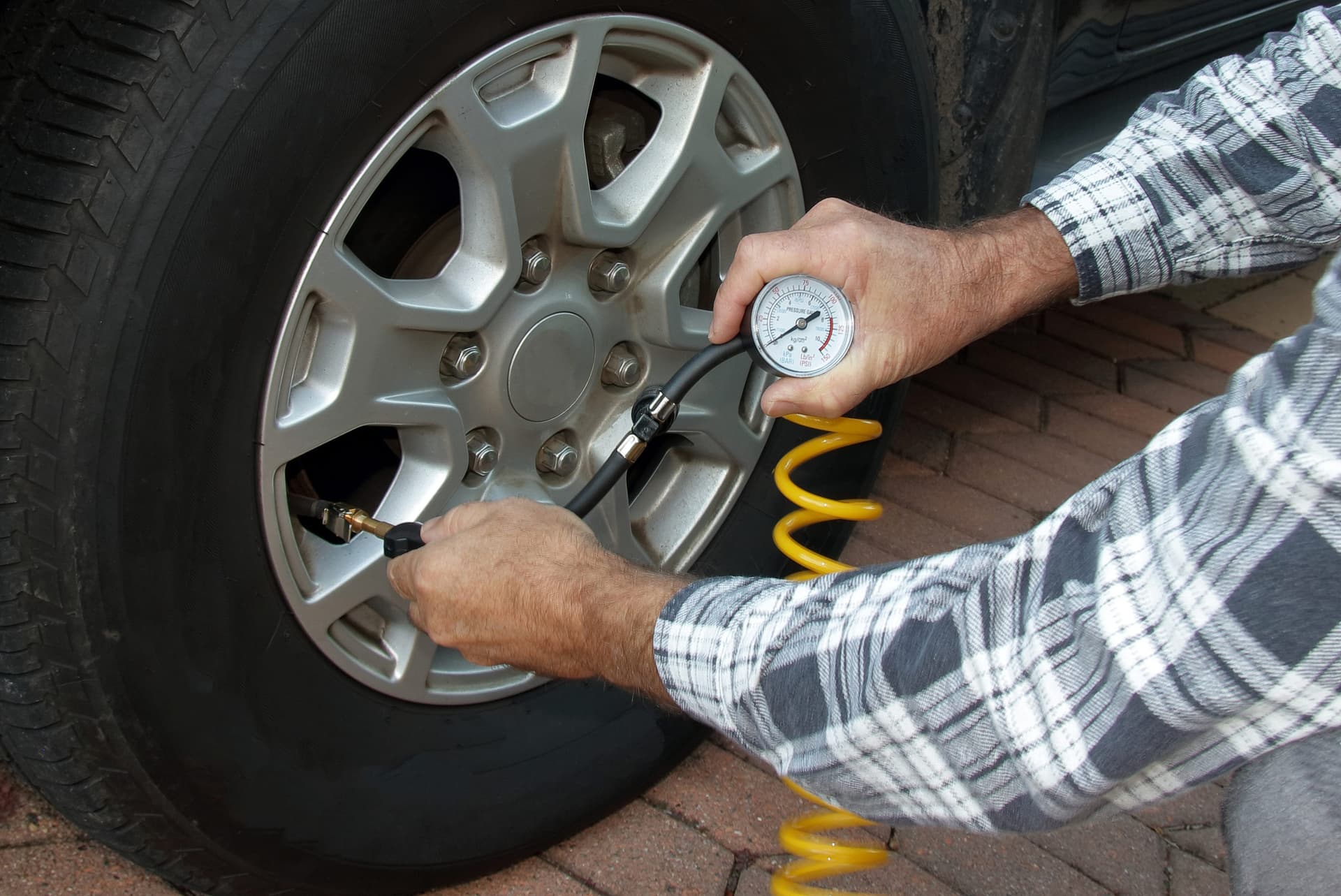
Inflating tires to the right pressure is simple. Use a tire pressure gauge to check the current pressure before adding air.
- Find the recommended pressure on the car’s door sticker or manual.
- Remove the valve cap from the tire.
- Press the air hose onto the valve stem firmly.
- Add air in short bursts and check pressure often.
- Stop when the gauge shows the correct pressure.
- Replace the valve cap tightly after inflating.
Deflating Overinflated Tires
If your tires have too much air, you need to let some out. Too much pressure can make the ride rough and reduce tire grip.
| Step | Action |
|---|---|
| 1 | Remove the valve cap from the tire. |
| 2 | Press the valve stem gently to release air. |
| 3 | Check the pressure with a gauge as air escapes. |
| 4 | Stop releasing air when the pressure is correct. |
| 5 | Replace the valve cap securely. |
Seasonal Pressure Changes
Car tire pressure changes with the seasons. Cold and hot weather affect the air inside tires. Knowing the right pressure helps your car run safely.
Checking tire pressure often is important. Seasonal changes can cause underinflation or overinflation. Both can harm your tires and driving.
Cold Weather Adjustments
Cold air makes tire pressure drop. For every 10°F drop, pressure falls about 1 psi. Low pressure can cause poor grip and tire damage.
Check tire pressure more in winter. Inflate tires to the recommended pressure when cold. This keeps tires safe and helps fuel efficiency.
- Check pressure when tires are cold
- Add air if pressure is below the car’s recommended level
- Do not overinflate to compensate for cold
- Inspect tires for cracks or damage
Hot Weather Considerations
Heat makes air expand, increasing tire pressure. Overinflated tires can wear out faster and cause a rough ride. Check pressure often in summer.
Reduce pressure if needed, but do not go below the recommended level. Proper tire pressure helps your car handle well and saves tire life.
- Check tire pressure in the early morning
- Release air if pressure is too high
- Follow manufacturer’s recommended pressure
- Avoid driving on hot roads with overinflated tires
Credit: simpletire.com
Special Tire Types
Car tires come in many types. Each type needs different air pressure. Proper air pressure keeps tires safe and lasts longer.
Special tires like run-flat and performance tires have unique air pressure needs. It is important to know these needs for best driving.
Run-flat Tires
Run-flat tires let you drive after a puncture. They have stronger sidewalls. This helps support the car without air.
These tires usually need higher air pressure than regular tires. Check the car manual or tire sidewall for correct pressure.
- Run-flat tires keep driving safe after a flat.
- Higher air pressure helps support the tire structure.
- Check pressure often to avoid damage.
Performance Tires
Performance tires give better grip and handling. They work well at high speeds and sharp turns. Air pressure affects their performance.
These tires often need pressure near the higher end of the recommended range. Proper pressure keeps the tire shape and road contact.
- Use higher air pressure for better control.
- Check pressure before fast or long drives.
- Follow the car manual for exact numbers.
Common Myths About Tire Pressure
Many drivers do not check their tire pressure regularly. This can cause problems on the road. Knowing the right air pressure helps keep tires safe and efficient.
There are many myths about the right air pressure for car tires. These myths can make people confused or careless. This article explains some common myths and the truth behind them.
Myth: Higher Pressure Means Better Mileage
Some believe that inflating tires beyond the recommended pressure saves fuel. Too much air pressure can make the ride rough. It also wears out the center of the tire faster. Proper pressure is best for good mileage and safety.
Myth: Tire Pressure Only Matters In Winter
Many think tire pressure is only important in cold weather. Tire pressure changes with temperature all year. It can drop in winter and rise in summer. Checking pressure regularly is important in every season.
Myth: You Can Use The Same Pressure For All Tires
Some drivers put the same air pressure in every tire. Front and rear tires often need different pressures. The car’s manual or door sticker shows the correct numbers. Using the right pressure helps the car handle well and last longer.
Myth: Tire Pressure Can Be Checked By Touch
Many people try to feel tire pressure by pressing the tire. This method is not accurate. A tire can look full but be underinflated. Use a tire pressure gauge for the best result.
Myth: Overinflated Tires Are Safer
Some think overinflated tires reduce the chance of a flat. Too much pressure can cause tires to burst. It also reduces the tire’s grip on the road. Staying within the recommended pressure keeps tires safe.
Recommended Tire Pressure Ranges
| Type of Vehicle | Recommended Pressure (PSI) |
| Small Cars | 30 – 35 |
| Sedans | 32 – 36 |
| SUVs and Trucks | 35 – 40 |
| High Performance Cars | 30 – 38 |
Tips For Long-term Tire Maintenance
Keeping your car tires in good shape helps you drive safely and saves money. Regular care stops problems before they start.
This guide covers simple steps to maintain tire pressure and keep tires aligned and rotated for longer life.
Regular Pressure Checks
Check tire pressure once a month and before long trips. Proper air pressure avoids uneven wear and improves fuel use.
- Use a reliable tire pressure gauge.
- Check pressure when tires are cold.
- Follow the car maker’s recommended pressure.
- Adjust pressure for heavy loads or towing.
- Look for signs of leaks or damage.
Tire Rotation And Alignment
Rotate tires every 5,000 to 8,000 miles to spread wear evenly. Keep wheels aligned to avoid pulling and uneven tread.
| Maintenance | Frequency | Purpose |
| Tire Rotation | Every 5,000 to 8,000 miles | Even tire wear |
| Wheel Alignment | Once a year or as needed | Prevent pulling and uneven wear |
Frequently Asked Questions
What Is The Ideal Air Pressure For Car Tires?
The ideal air pressure varies by car model but usually ranges between 30-35 PSI. Check your vehicle’s manual or tire placard for exact numbers. Proper inflation improves safety, fuel efficiency, and tire lifespan.
How Often Should I Check My Car Tire Pressure?
Check your tire pressure at least once a month and before long trips. Temperature changes affect pressure, so regular checks keep tires safe and efficient.
Can Incorrect Tire Pressure Affect Car Performance?
Yes, low pressure reduces fuel efficiency and increases tire wear. High pressure can cause a harsh ride and uneven wear. Proper pressure ensures better handling and safety.
Where Can I Find The Recommended Tire Pressure?
You can find the recommended pressure on the driver’s side door jamb, inside the fuel door, or in your owner’s manual. It’s specific to your vehicle and tire size.
Conclusion
Proper tire air pressure keeps your car safe and efficient. Check pressure regularly to avoid uneven wear. Correct pressure improves fuel economy and handling. Too low or too high pressure causes problems on the road. Use the tire label or manual for the right numbers.
Keep a gauge in your car for easy checks. Small efforts lead to better driving and longer tire life. Stay aware and keep your tires in good shape. Safe driving starts with the right tire pressure.