Have you ever wondered, “What anti-theft device do I have on my car?” Knowing this can give you peace of mind and help protect your vehicle from theft.
Your car likely has some form of security, but do you really know how it works or how effective it is? You’ll discover the common types of anti-theft devices and learn how to identify which one is keeping your car safe.
By the end, you’ll feel more confident about your car’s protection—and maybe even find ways to boost it. Keep reading to unlock the secrets behind your car’s security system.
Credit: gearjunkie.com
Common Car Anti-theft Devices
Many cars have devices to stop theft. These devices help protect your vehicle. Knowing what device you have can help you keep your car safe.
Below are common types of anti-theft devices found in cars. Each has a special way to block thieves.
Immobilizers
Immobilizers stop the engine from starting without the right key. They work by blocking signals to the engine. Most modern cars have them to prevent hot-wiring.
Car Alarms
Car alarms make loud noises when someone tries to break in. They alert people nearby and scare off thieves. Some alarms connect to your phone for alerts.
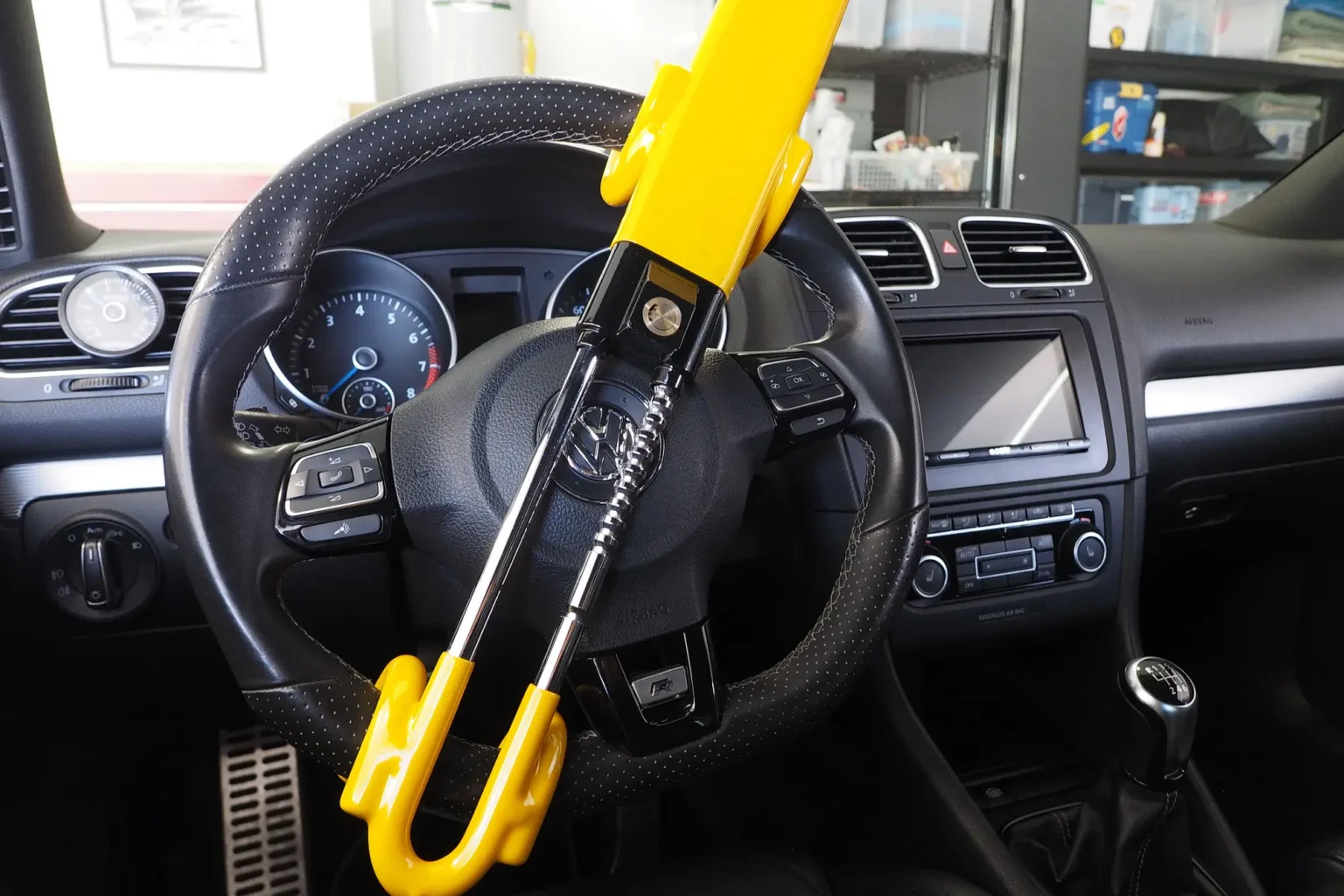
Steering Wheel Locks
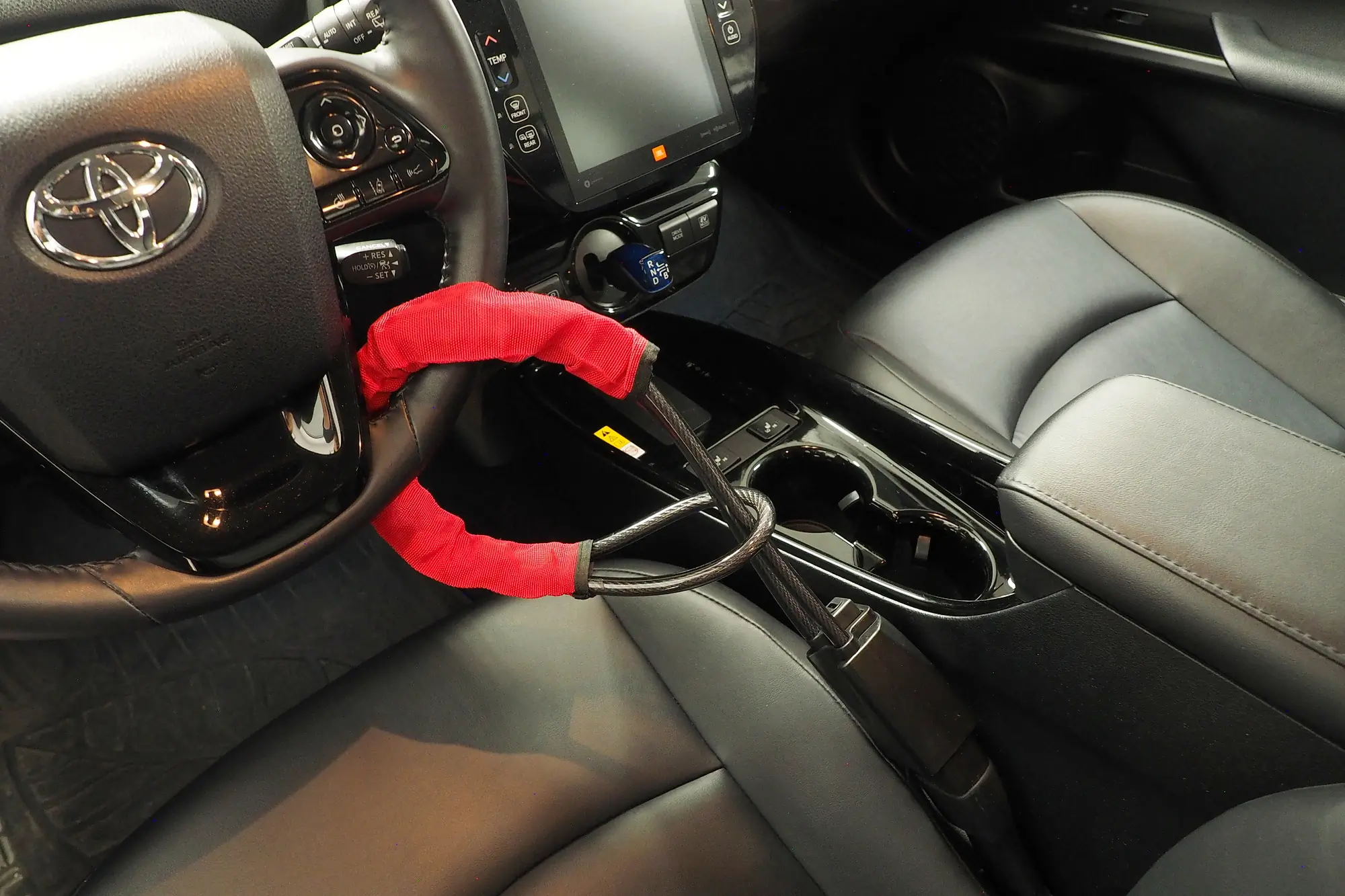
Steering wheel locks block the wheel from turning. They are visible and act as a strong theft deterrent. They are easy to use and affordable.
- Attach the lock to the steering wheel
- Lock it with a key or combination
- Remove it only with the key or code
- Check the lock regularly for damage
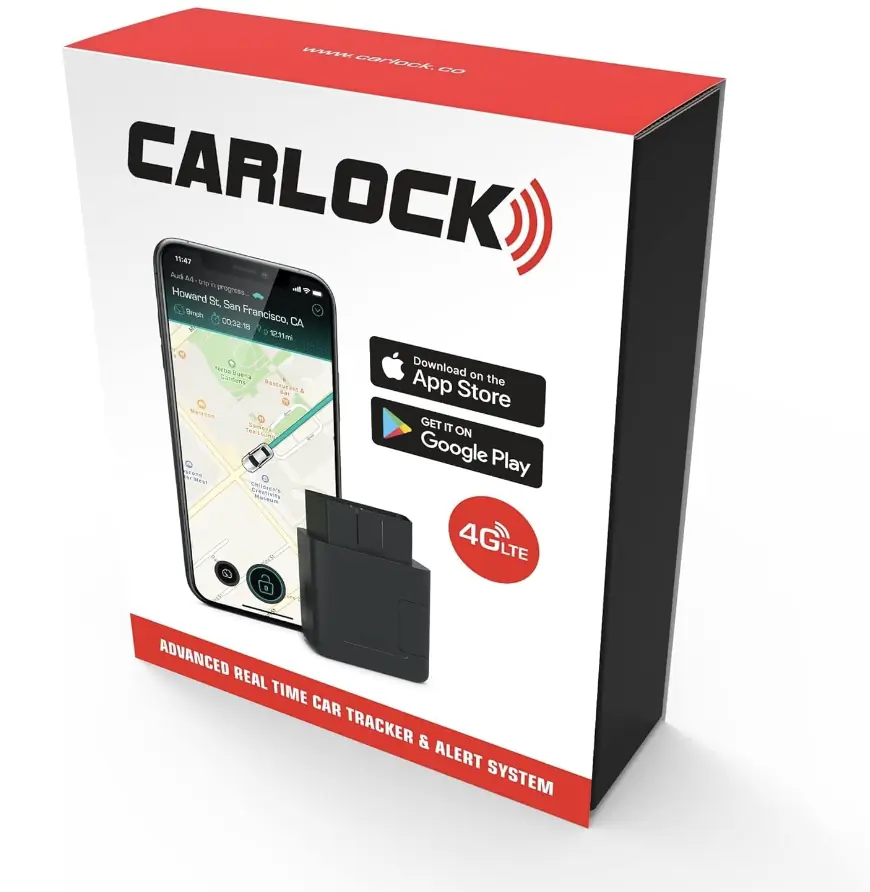
Gps Tracking Systems
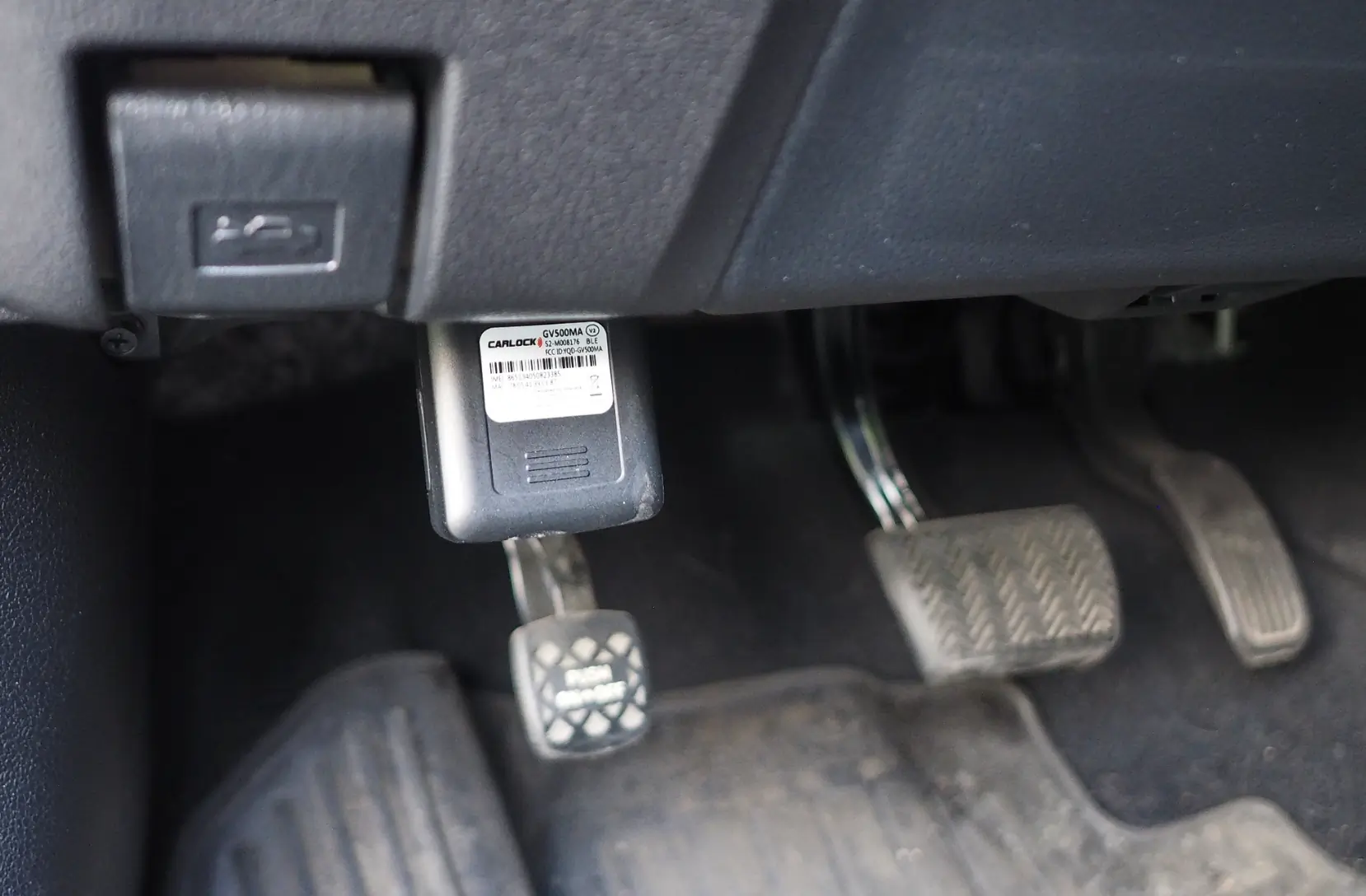
GPS tracking systems help find your car if it is stolen. They use satellites to show the car’s location. Many offer real-time tracking and alerts.
| Feature | Description |
| Real-Time Tracking | Shows live location on a map |
| Geo-Fencing | Sends alert if car leaves set area |
| Remote Immobilization | Stops engine remotely in some models |
Kill Switches
Kill switches cut off power to the engine. They stop the car from starting without turning the switch on. They are hidden and hard to find.
Common places to hide kill switches:
- Under the dashboard
- Near the steering column
- Inside the fuse box
Identifying Your Car’s Anti-theft Features
Knowing your car’s anti-theft devices helps protect it from theft. These features vary by make and model.
This guide shows how to identify the anti-theft systems installed in your vehicle.
Checking The Owner’s Manual
The owner’s manual lists all security features your car has. It explains how they work and where to find them.
- Look for sections on alarms or immobilizers
- Note any instructions for activating or deactivating devices
- Check for information about key types and remote controls
Inspecting The Dashboard And Interior
Look closely at your dashboard and inside your car for signs of anti-theft devices.
- Check for warning lights related to alarms or immobilizers
- Find stickers or labels about security systems
- Look for hidden switches or buttons that may activate an alarm
Looking For External Devices
Some cars have visible external anti-theft devices. These can alert thieves and deter theft.
| Device Type | Where to Look | Purpose |
| Steering Wheel Lock | Steering Column | Prevents wheel from turning |
| Alarm Siren | Front Grill or Under Hood | Makes loud noise if triggered |
| Immobilizer Indicator | Dashboard | Shows if immobilizer is active |
| Wheel Lock | Tires | Stops wheel rotation |
Using Vehicle Identification Number (vin)
The VIN can reveal anti-theft features installed by the manufacturer. You can use online resources to check.
To use your VIN:
- Find your VIN on the dashboard or driver’s side door frame
- Enter the VIN on trusted car history or manufacturer websites
- Review the security features listed in the vehicle details
Technology Behind Anti-theft Systems
Cars use different anti-theft devices to stop thieves. These systems work with smart technology to protect your vehicle.
Understanding how these systems work helps you know what kind of protection your car has.
Electronic Immobilizer Functionality
Electronic immobilizers stop the engine from starting without the right key. They use a chip in the key to send a code to the car.
If the code does not match, the car will not start. This prevents thieves from hot-wiring your vehicle.
- Key contains a small transponder chip
- Car reads the chip’s unique code
- Engine starts only if code is correct
- Blocks unauthorized engine start
Alarm Sensors And Triggers
Alarm systems use sensors to detect unusual activity. These sensors trigger a loud alarm if someone tries to break in.
Common sensors include motion detectors, door sensors, and glass break sensors. They protect your car by alerting you and scaring away thieves.
- Door sensors detect forced entry
- Motion sensors sense movement inside the car
- Glass break sensors hear window breaks
- Alarm sounds to warn and deter intruders
Gps Tracking Technology
GPS trackers help find a stolen car quickly. They send the car’s location to the owner or police in real time.
This technology improves the chances of recovering your car after theft. It uses satellites to track the vehicle anywhere.
- Uses satellite signals to find location
- Sends real-time location updates
- Helps police track stolen cars
- Can include alerts if the car moves unexpectedly
Remote Keyless Systems
Remote keyless systems let you lock or unlock your car without a physical key. They use wireless signals to communicate with the car.
These systems add convenience and security. They often include buttons to activate alarms or open the trunk from a distance.
- Uses radio signals between key fob and car
- Allows locking/unlocking remotely
- Can trigger car alarm
- May include panic button for emergencies
Benefits Of Knowing Your Anti-theft Device
Knowing what anti-theft device your car has helps you protect it better. It also gives you more control over your vehicle’s safety features.
This knowledge can save you money and make your car easier to maintain. It also helps you understand how your security system works.
Enhanced Security Awareness
When you know your car’s anti-theft device, you can use it properly. You will understand the signals and alerts it gives.
This helps you spot threats early and act quickly. You can avoid damage or theft by knowing how your device works.
Improved Vehicle Maintenance
Your anti-theft device may need regular checks or updates. Knowing your device helps you keep it in good shape.
Proper maintenance means fewer malfunctions. It also means your car’s security system stays reliable over time.
Maximizing Insurance Benefits
Insurance companies often offer lower rates for cars with anti-theft devices. Knowing your device helps you claim these benefits.
You can provide proof of your device and its features. This can reduce your insurance costs and improve your coverage.
Upgrading Or Adding Anti-theft Devices
Knowing what anti-theft device your car has is important for safety. Upgrading or adding new devices can protect your vehicle better.
There are many options to improve your car’s security. Some devices are easy to install, while others need a professional.
Popular Aftermarket Options
You can add devices that fit your needs and budget. Some popular choices include alarms, immobilizers, and GPS trackers.
- Car alarms that sound when someone tries to enter
- Immobilizers that stop the engine from starting
- GPS tracking systems to find a stolen car
- Steering wheel locks that block the wheel from turning
- Kill switches that cut power to important parts
Professional Installation Tips
Some anti-theft devices need expert installation for best results. A professional can ensure the device works correctly and safely.
Choose a trusted installer who knows your car model. Ask about warranty and support for the device after installation.
- Check if the installer is certified and experienced
- Ask for a clear price and service details
- Make sure installation does not affect the car’s warranty
- Test the device after installation to confirm it works
Cost Vs. Security Considerations
Higher cost does not always mean better security. Choose devices that match your risk level and budget.
Some devices need a one-time payment, while others may require monthly fees. Think about long-term costs and benefits.
| Device Type | Average Cost | Security Level | Maintenance |
|---|---|---|---|
| Car Alarm | $50 – $200 | Medium | Low |
| Immobilizer | $100 – $300 | High | Low |
| GPS Tracker | $100 – $500 | High | Monthly fee |
| Steering Wheel Lock | $20 – $60 | Low to Medium | None |
| Kill Switch | $50 – $150 | High | Low |
Credit: gearjunkie.com
Credit: gearjunkie.com
Frequently Asked Questions
How Can I Identify The Anti-theft Device On My Car?
Check your car’s dashboard and under the steering wheel for labels or blinking lights. Consult the owner’s manual for specific anti-theft features installed by the manufacturer. Some devices have visible alarms, while others are integrated and need professional diagnostics.
What Are Common Types Of Car Anti-theft Devices?
Common devices include immobilizers, alarms, steering wheel locks, and GPS trackers. Immobilizers prevent the engine from starting without the correct key. Alarms alert owners of unauthorized entry, while GPS trackers help locate stolen vehicles.
Can I Check My Car’s Anti-theft System Without Special Tools?
Yes, you can visually inspect your car for signs like blinking security lights or alarm stickers. Testing the key fob’s lock and alarm function also helps. For detailed info, use your car’s manual or visit a dealership.
Why Is It Important To Know My Car’s Anti-theft Device?
Understanding your anti-theft device helps you use it effectively and maintain security. It also aids in troubleshooting and ensures you can activate or deactivate it properly. This knowledge can prevent theft and reduce insurance costs.
Conclusion
Knowing your car’s anti-theft device helps protect it better. Different cars have different systems like alarms, immobilizers, or tracking devices. Each one adds a layer of safety. Check your car’s manual or ask a dealer for details. Staying informed helps you spot issues early.
It also guides you in choosing extra protection if needed. Keep your car safe by understanding the tools it already has. Simple steps make a big difference in preventing theft. Your car’s security matters, so stay aware and prepared.