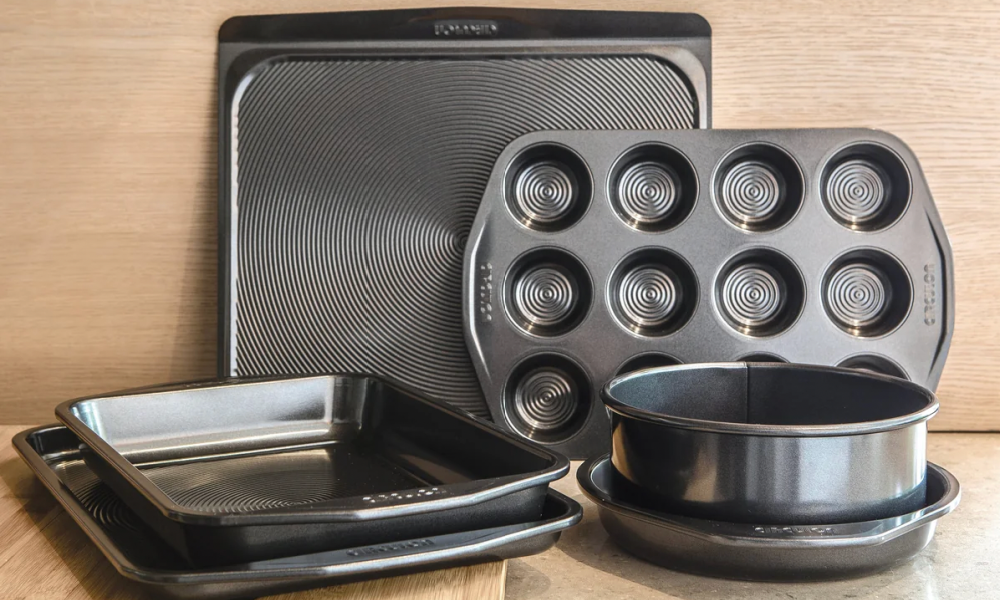
Have you ever wondered what makes a baking tray perfect for your favorite recipes? Choosing the right baking tray can change the way your food cooks, how easy it is to clean, and even the taste of your dish.
But what exactly are baking trays made of, and why does it matter to you? You’ll discover the common materials used in baking trays, how each one affects your cooking, and which type suits your kitchen needs best. Keep reading, and you’ll never look at your baking tray the same way again.
Credit: www.nordicware.com
Common Baking Tray Materials
Baking trays come in many materials. Each type offers different benefits. Choosing the right tray helps you bake better.
Some materials heat quickly, while others hold heat longer. Some trays are easy to clean. Others last many years.
Aluminum Trays
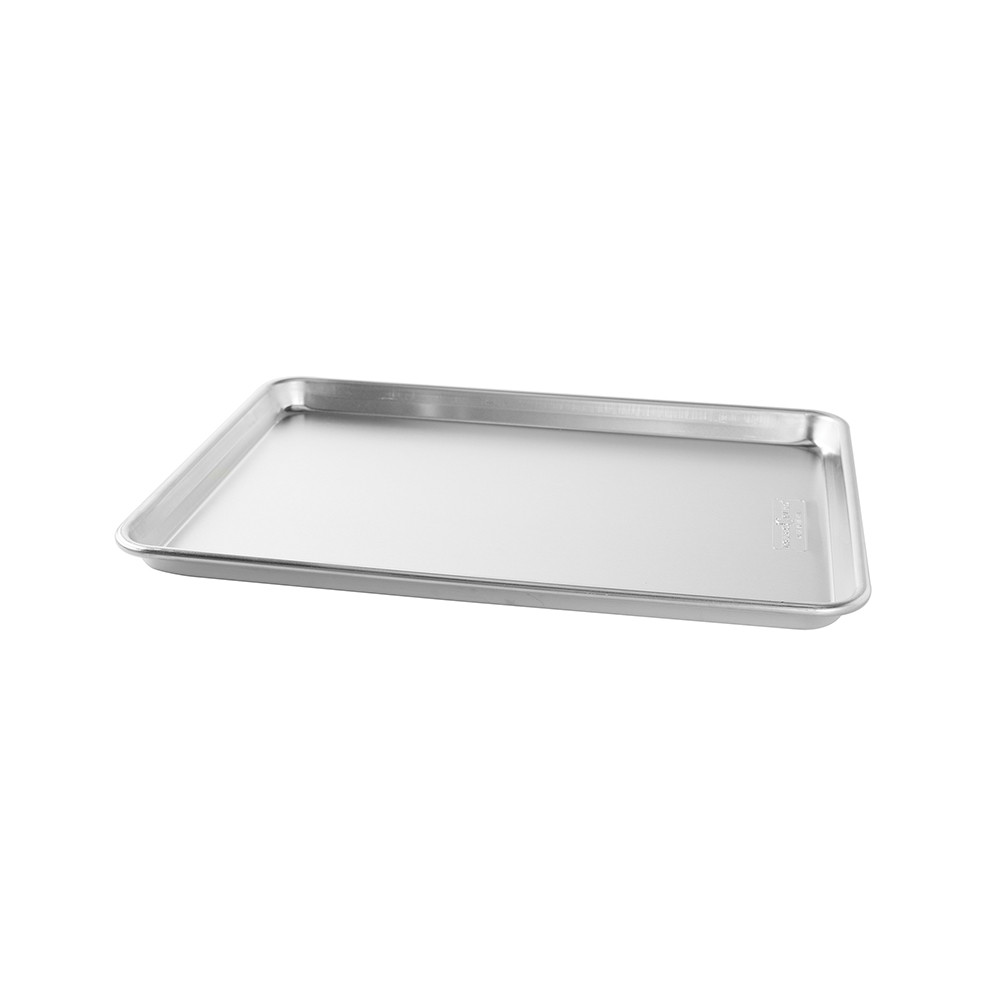
Aluminum trays heat up fast and spread heat evenly. They are lightweight and usually affordable. Bakers use them for cookies and cakes.
Stainless Steel Trays
Stainless steel trays are strong and resist rust. They do not react with food. These trays take longer to heat but last a long time.
Non-stick Coated Trays
Non-stick trays have a special coating. It stops food from sticking. Cleaning is easy. They work well for sticky dough and delicate pastries.
- Easy to clean
- Less oil needed
- Can scratch easily
- Coating may wear out
Silicone Baking Mats
Silicone mats are flexible and reusable. Place them on metal trays for non-stick baking. They handle heat well and are easy to store.
Glass And Ceramic Trays
| Material | Heat Type | Best For | Care |
| Glass | Even and slow | Casseroles and pies | Handle with care, avoid sudden temperature changes |
| Ceramic | Retains heat well | Bread and baked desserts | Wash gently, avoid chips |

Credit: www.olivemagazine.com
Properties Of Baking Tray Materials
Baking trays come in different materials. Each material has unique properties that affect baking results.
Understanding these properties helps you choose the right tray for your cooking needs.
Heat Conductivity
Heat conductivity is how well a material spreads heat. Good conductivity means even baking and browning.
Metal trays like aluminum and steel conduct heat quickly. Glass and ceramic heat slower but keep heat longer.
Durability And Strength
Durability means how long a tray lasts without damage. Strength is its ability to hold heavy food without bending.
- Steel trays are very strong and resist warping.
- Aluminum trays can dent but last long if thick.
- Glass and ceramic can crack or chip easily.
- Silicone trays are flexible but less sturdy.
Non-stick Performance
Non-stick surfaces prevent food from sticking. This helps with easy release and cleaning.
| Material | Non-stick Quality | Care Tips |
| Aluminum | Often coated, good release | Hand wash to keep coating |
| Steel | Usually no coating, can stick | Use oil or parchment paper |
| Silicone | Naturally non-stick | Clean with warm soapy water |
| Glass/Ceramic | Can stick, no coating | Use grease or liners |
Weight And Handling
Weight affects how easy it is to handle a baking tray. Light trays are easy to move and clean.
Aluminum trays are light. Steel trays are heavier but more stable. Glass and ceramic are heavy and fragile.
Safety And Food Compatibility
Safety means the tray does not release harmful chemicals when heated. Food compatibility means it does not affect taste or color.
| Material | Safety | Food Compatibility |
|---|---|---|
| Aluminum | Safe if anodized or coated | May react with acidic foods if uncoated |
| Steel | Very safe, no reactions | Neutral taste impact |
| Silicone | Food-grade safe | Neutral, no taste change |
| Glass/Ceramic | Safe when glazed properly | Neutral, no flavor impact |
Choosing The Right Tray For Baking
Baking trays come in many materials. Each material affects heat and baking results.
Choosing the right tray helps you bake better and avoid problems like burning.
Baking Cookies And Pastries
Cookies and pastries need even heat. Aluminum trays are great for this. They spread heat well.
Non-stick trays help cookies not stick and make cleaning easy. Dark trays brown faster.
- Aluminum: heats evenly, lightweight
- Non-stick: easy release, simple cleanup
- Dark trays: faster browning
Roasting And Broiling
For roasting and broiling, use heavy trays that hold heat well. Stainless steel works fine.
Cast iron trays are good for high heat and even cooking. They can handle broiler temperatures.
- Stainless steel: durable, resists rust
- Cast iron: retains heat, sturdy
- Look for deep trays to hold juices
Cakes And Bread
Cakes and bread bake best in metal or silicone pans. These materials help with even cooking.
Silicone trays are flexible and non-stick. Metal pans conduct heat faster but may brown edges.
- Metal pans: fast, even heat
- Silicone: flexible, non-stick
- Avoid very dark pans for delicate cakes
Specialty Baking Needs
Some baking needs require special trays. Glass or ceramic pans are good for casseroles and pies.
These materials hold heat well and cook slowly. They give a nice crust and avoid hot spots.
- Glass: cooks evenly, easy to see food
- Ceramic: holds heat, good for slow baking
- Use silicone mats for delicate or sticky items

Credit: hongling18.en.made-in-china.com
Care And Maintenance Tips
Baking trays come in different materials like aluminum, steel, or silicone. Each type needs proper care to last long. Cleaning and storing trays right helps keep them in good shape.
This guide shares simple tips to clean, avoid damage, and extend the life of your baking trays. Follow these easy steps for better results in your kitchen.
Cleaning Techniques
Clean trays soon after use to stop food from sticking. Use warm water and mild soap. Avoid harsh chemicals that can harm the tray’s surface.
For stuck-on food, soak the tray in warm soapy water before scrubbing gently. Use soft sponges or cloths to avoid scratches.
- Rinse trays with warm water first
- Use mild dish soap and soft sponge
- Soak tough stains before scrubbing
- Avoid steel wool or metal brushes
- Dry trays fully before storing
Avoiding Warping And Damage
Do not expose trays to sudden temperature changes. Moving a hot tray to cold water can cause warping. Handle trays with care to avoid dents or bends.
Use oven mitts to protect your hands and the tray. Avoid stacking heavy items on top of trays during storage to keep them flat and even.
- Do not cool trays quickly with cold water
- Handle trays carefully to prevent dents
- Use oven mitts when moving hot trays
- Store trays flat or upright without heavy weight
Extending Tray Lifespan
Season your metal trays by rubbing a thin layer of oil before first use. This helps prevent rust and keeps food from sticking. Avoid using sharp tools on trays that can scratch the surface.
Check trays regularly for damage. Replace trays with deep scratches or cracks to keep baking safe and even. Use trays only for their intended purpose to avoid early wear.
- Season metal trays with oil before first use
- Avoid cutting or scraping on the tray surface
- Inspect trays for damage often
- Replace trays if they have cracks or deep scratches
- Use trays only for baking, not as cutting boards
Frequently Asked Questions
What Materials Are Commonly Used For Baking Trays?
Baking trays are often made from aluminum, stainless steel, or silicone. Aluminum offers excellent heat conductivity. Stainless steel provides durability and resistance to rust. Silicone is flexible and non-stick. Each material has unique benefits, catering to various baking needs and preferences.
Are Non-stick Baking Trays Safe To Use?
Non-stick baking trays are generally safe when used properly. Ensure you avoid high temperatures and metal utensils. Use wooden or silicone tools to prevent scratching. Regularly inspect for any damage. Proper care extends their lifespan and ensures safety during baking.
Do Silicone Baking Trays Require Special Care?
Silicone baking trays are easy to maintain. They are dishwasher safe and require minimal greasing. Avoid using sharp objects to prevent tearing. Store them flat or rolled up to save space. Proper care ensures their longevity and non-stick properties.
How Does Aluminum Affect Baking Results?
Aluminum baking trays offer excellent heat conductivity, resulting in even baking. They heat up quickly, providing efficient cooking. However, they may react with acidic ingredients. Use parchment paper for protection. Their lightweight nature makes them easy to handle and ideal for various recipes.
Conclusion
Baking trays come in many materials, each with its own benefits. Aluminum heats quickly and cooks food evenly. Stainless steel is strong and lasts a long time. Non-stick trays make cleaning easy after use. Silicone trays offer flexibility and resist heat well.
Choosing the right tray depends on your cooking style. Understanding materials helps you bake better every time. Simple knowledge can improve your kitchen experience. Pick the tray that fits your needs best. Enjoy baking with the right tools by your side.