When shopping for an air conditioner, you might have come across the term “BTU” and wondered what it means for you and your home. Understanding BTU is key to choosing the right air conditioner that keeps your space cool without wasting energy or money.
If you’ve ever felt too hot or noticed your AC isn’t working well, learning about BTUs can change that. You’ll discover exactly what BTUs are, why they matter, and how to find the perfect fit for your cooling needs. Keep reading to make sure your next air conditioner works efficiently and keeps you comfortable all year long.
What Are Btus
BTUstands for British Thermal Unit. It measures the amount of heat energy needed to raise the temperature of one pound of water by one degree Fahrenheit.
BTUis used to measure energy in heating and cooling. It helps show how much heat an air conditioner can remove from a room.
In air conditioners, higher BTUmeans more cooling power. A small room needs fewer BTUs, while a large room needs more.
| Term | Meaning |
|---|---|
| BTU | Amount of heat energy |
| Energy Measurement | Shows heat removed or added |
| Cooling Systems | Use BTU to rate power |
How Btu Affects Air Conditioners
BTUstands for British Thermal Unit. It measures the cooling powerof an air conditioner. The higher the BTU, the more heat the unit can remove from a room.
A unit with too low a BTU will not cool well. One with too high a BTU wastes energy and cools too fast without removing humidity.
Choosing the right BTUdepends on the size of your space. A small room needs fewer BTUs than a big room.
| Room Size (sq. ft.) | Recommended BTU |
|---|---|
| 100 – 300 | 5,000 – 6,000 |
| 300 – 500 | 7,000 – 8,000 |
| 500 – 800 | 10,000 – 12,000 |
| 800 – 1,200 | 14,000 – 18,000 |
Energy efficiency is affected by BTU size. A unit with the correct BTU uses less power. It keeps the room comfortable longer. Too large or too small BTU uses more energy.
Calculating Btu Requirements
Room sizeis key in figuring out the right BTU for your air conditioner. Bigger rooms need more BTUs to cool well. Small rooms require fewer BTUs to stay comfortable.
Several factors affect BTU calculation. Sunlight, number of people, and electronic devices all add heat. Rooms with many windows or poor insulation need more cooling power.
BTU calculatorsmake this easier. They ask for room dimensions and other details. Then, they suggest the best BTU size for your space. This helps avoid buying an AC unit that is too weak or too strong.

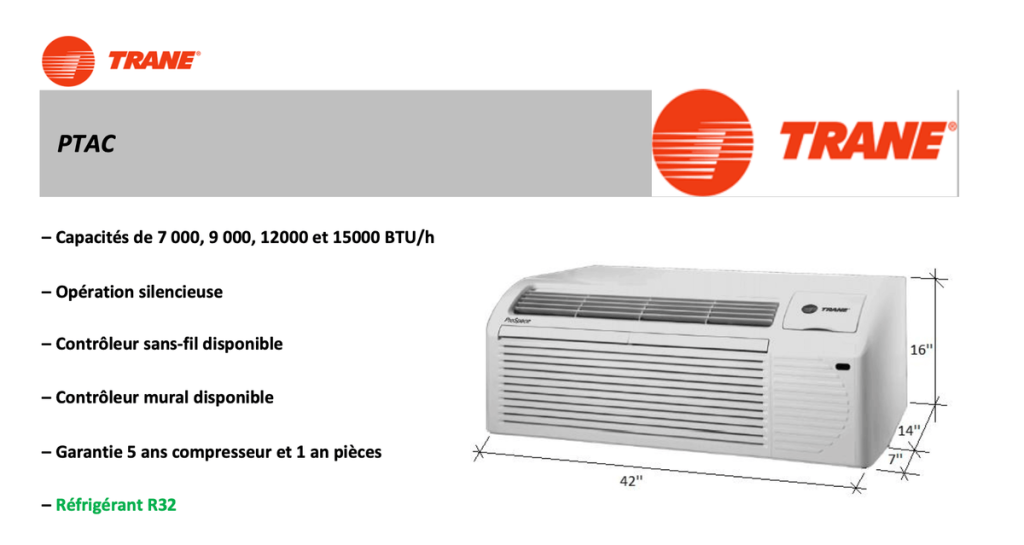
Credit: www.amazon.ca
Types Of Air Conditioners By Btu
Window unitsare compact and fit into a window frame. They cool single rooms efficiently. These units have a specific BTU ratingto match room size. They are easy to install and affordable.
Portable air conditionerscan be moved from room to room. They use a hose to vent hot air outside. Portable ACs have varied BTU sizes. They are good for small spaces or temporary use.
Central air systemscool entire buildings or homes. These systems have high BTU capacitiesto cool large areas. They use ducts to distribute air evenly. Central air conditioners are more expensive but very effective.
Btu And Energy Costs
BTU(British Thermal Unit) measures how much heat an air conditioner can remove. The higher the BTU, the more electricity it uses. A unit with too high BTU wastes energy and costs more. Too low BTU won’t cool the room well.
Btu And Electricity Usage
An air conditioner with higher BTUdraws more power. It increases your electricity bill. Smaller rooms need less BTU, which saves energy. Choose the right BTU size for your space.
Tips To Save Energy
- Pick an air conditioner with the correct BTU size.
- Close doors and windows while cooling.
- Use fans to help air circulate.
- Clean filters regularly for better efficiency.
- Set a comfortable but not too low temperature.
Balancing Btu And Cost
| Room Size (sq ft) | Recommended BTU | Energy Cost |
|---|---|---|
| Up to 150 | 5,000 – 6,000 | Low |
| 150 – 300 | 7,000 – 8,000 | Medium |
| 300 – 500 | 10,000 – 12,000 | Higher |
| 500 – 800 | 14,000 – 18,000 | High |
Match BTU to room size for best energy useand cost.
Common Btu Myths
More BTU does not always mean better cooling.An air conditioner with too many BTUs cools a room too fast but leaves it humid and uncomfortable.Too few BTUs means the unit works hard but can’t cool properly. Both oversizing and undersizingcause energy waste and higher bills.
Oversized units turn on and off often, causing wear and tear.Undersized units run constantly, which raises noise levelsand reduces lifespan.
| BTU Size | Effect on Cooling | Effect on Noise |
|---|---|---|
| Too High | Cools quickly but unevenly | Lower noise but frequent cycling |
| Ideal | Efficient and steady cooling | Balanced noise level |
| Too Low | Struggles to cool, stays warm | Louder due to constant running |
Maintaining Optimal Btu Performance
Regular cleaning and changing of air filters keeps the BTU output efficient. Dirt blocks airflow, lowering cooling power. Check and clean the coils to prevent ice buildup. Clear debris around the outdoor unit to maintain proper function. Schedule yearly professional checkups for best performance.
- Signs of low BTU efficiency include poor cooling and higher energy bills.
- Warm air or longer cooling times also show BTU loss.
- Strange noises or frequent cycling can signal problems.
Consider upgrading your air conditioner if it cannot cool your space well. Old units often use more power and have lower BTU ratings. Modern models offer better cooling for the same energy. Choose a unit with the correct BTU size for your room to save money and stay comfortable.
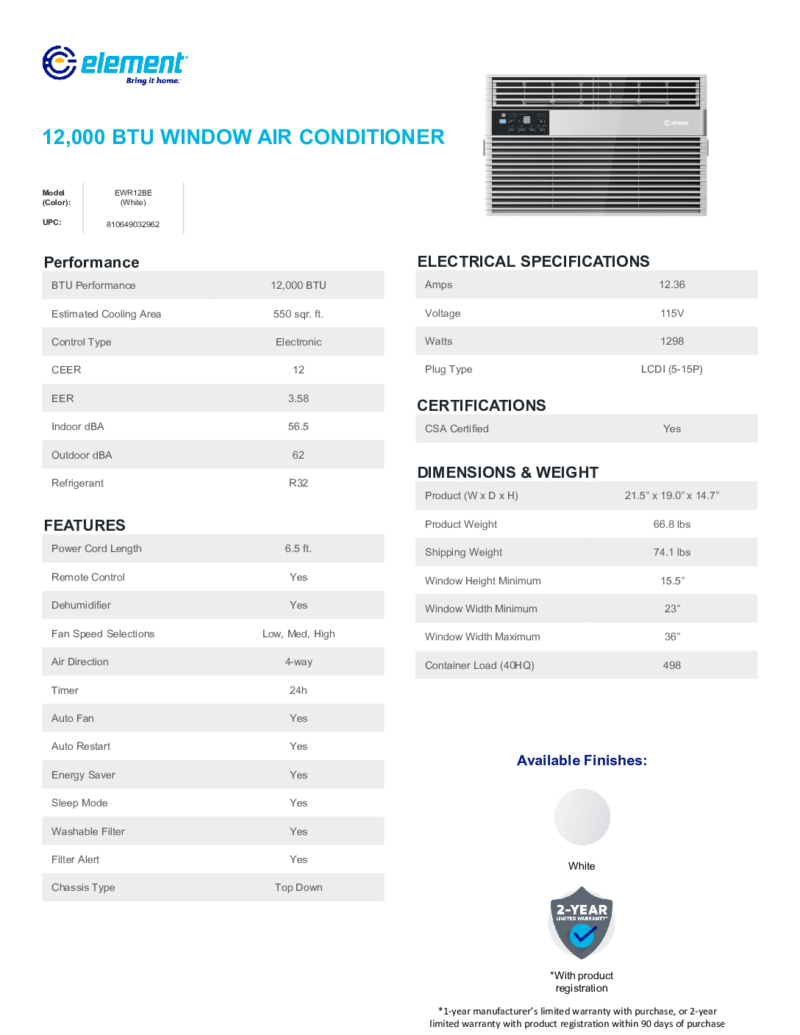
Credit: elementelectronics.com

Credit: senville.ca
Frequently Asked Questions
What Does Btu Mean In Air Conditioners?
BTU stands for British Thermal Unit. It measures the energy needed to cool or heat a space. In air conditioners, BTU indicates the cooling capacity. Higher BTU means more cooling power. Choosing the right BTU ensures efficient cooling and energy savings.
How Do I Choose The Right Btu?
To choose the right BTU, consider room size and usage. Larger rooms need higher BTU for effective cooling. Too low BTU won’t cool efficiently, while too high wastes energy. Calculate room size and check BTU recommendations for optimal performance and efficiency.
Is Higher Btu Better For Cooling?
Higher BTU cools faster but isn’t always better. It should match room size for efficiency. Oversized units cycle on and off frequently, wasting energy. Properly sized BTU ensures consistent temperature and energy savings. Consult a BTU chart for the best match.
Can Btu Affect Energy Consumption?
Yes, BTU affects energy consumption. An air conditioner with the right BTU for the room size uses energy efficiently. Too high or low BTU increases energy use and costs. Choose a unit with appropriate BTU for balanced comfort and savings.
Conclusion
BTU shows how much heat an air conditioner can remove. Choosing the right BTU helps cool rooms well and saves energy. Too low BTU means poor cooling. Too high wastes power and money. Knowing BTU makes buying easier and smarter.
It helps keep your home comfortable all year. Now you understand why BTU matters for air conditioners. Simple but important!