
Have you ever noticed the term “BTU” on an air conditioner and wondered what it really means? Understanding BTU can help you choose the right air conditioner for your space, saving you money and keeping your home comfortable.
If you pick the wrong size, your AC might not cool effectively or could waste energy. You’ll discover exactly what BTU stands for, why it matters, and how to find the perfect match for your needs. Keep reading to make sure your next air conditioner works just right for you.
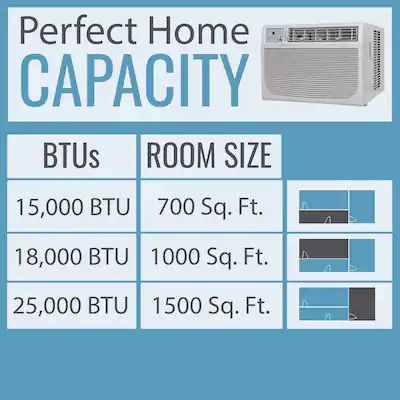
Credit: www.bestbuy.com
Btu Basics
BTU stands for British Thermal Unit. It measures how much heat an air conditioner can remove from a room.
Knowing BTU helps you pick the right air conditioner size for your space.
What Btu Means
BTU is the amount of heat needed to raise one pound of water by one degree Fahrenheit.
In air conditioners, BTU measures the cooling power. Higher BTU means stronger cooling.
How Btu Affects Cooling
Choosing the right BTU size keeps your room comfortable. Too low BTU means poor cooling.
Too high BTU can cool too fast and waste energy. It also creates uneven temperature.
- Small room: 5,000 to 8,000 BTU
- Medium room: 8,000 to 12,000 BTU
- Large room: 12,000 to 18,000 BTU

Credit: minisplitsystemsdirect.com
Choosing The Right Btu
BTU stands for British Thermal Unit. It measures how much heat an air conditioner can remove from a room. Choosing the right BTU helps keep your space cool and comfortable.
Picking the correct BTU depends on several factors. These include the size of the room, the climate you live in, and the energy efficiency of the unit.
Room Size And Btu
The size of your room affects the BTU needed. Larger rooms need air conditioners with higher BTU to cool properly.
| Room Size (square feet) | BTU Needed |
| 100 – 150 | 5,000 |
| 150 – 250 | 6,000 – 8,000 |
| 250 – 350 | 8,000 – 10,000 |
| 350 – 450 | 10,000 – 12,000 |
| 450 – 550 | 12,000 – 14,000 |
Climate Considerations
Climate impacts the BTU size needed for your air conditioner. Hotter climates need units with higher BTU to cool effectively.
- Warm or hot climates need 10% to 20% more BTU
- Cool climates may require less BTU
- Rooms with many windows or poor insulation may need more BTU
Energy Efficiency Impact
Choosing the right BTU also affects energy use. Too high BTU wastes energy and costs more. Too low BTU makes the unit run longer and wear out faster.
Tips to improve energy efficiency:
- Pick an air conditioner with an Energy Star label
- Consider inverter technology for better control
- Use programmable thermostats to reduce runtime
- Seal windows and doors to keep cool air inside
Btu And Air Conditioner Types
BTU stands for British Thermal Unit. It measures how much heat an air conditioner can remove from a room.
Different air conditioners have different BTU ratings. You need the right BTU for your room size to cool well.
Window Units
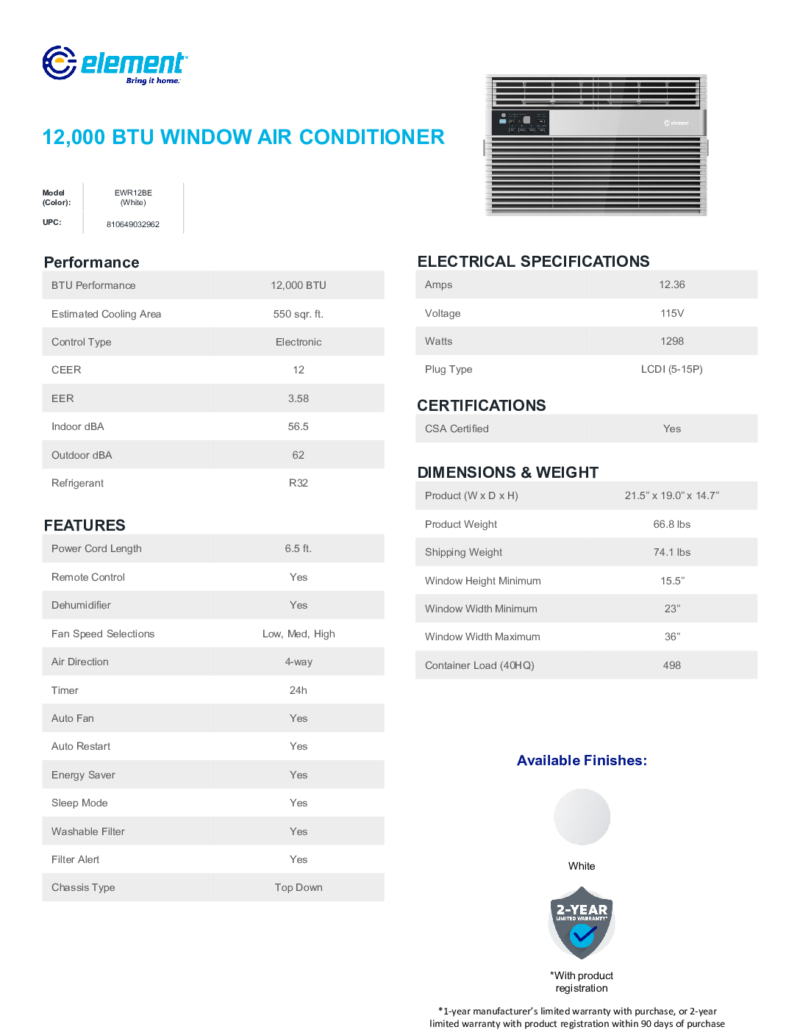
Window units are small air conditioners you install in a window. They cool one room at a time.
These units usually have BTUs from 5,000 to 12,000. The bigger the room, the higher the BTU needed.
- Good for small to medium rooms
- Easy to install and remove
- Affordable and space-saving
Split Systems
Split systems have two parts: an indoor unit and an outdoor unit. They cool larger spaces or whole homes.
These systems have BTUs from 9,000 to 36,000 or more. They work quietly and use less energy.
- Good for cooling multiple rooms
- Indoor unit does not block windows
- Higher BTU means more cooling power
Portable Acs
Portable air conditioners can move from room to room. They need a vent to push hot air outside.
These units usually have BTUs from 8,000 to 14,000. They are good for temporary or small spaces.
- Easy to move and install
- Needs a window or vent hose
- Best for rooms under 500 square feet
Calculating Btu Needs
BTU means British Thermal Unit. It measures how much cooling an air conditioner can do.
Choosing the right BTU size helps keep a room cool without wasting energy.
Simple Btu Calculation
To find the BTU needed, first measure the room size in square feet.
Multiply the room’s square feet by 20 BTU per square foot for a basic estimate.
- Room size (length x width in feet) = square feet
- Square feet x 20 = BTU needed
Adjustments For Room Features
Some room features change how many BTUs you need. Adjust your calculation if:
- The room gets a lot of sun. Add 10% more BTU.
- More than two people stay in the room. Add 600 BTU per extra person.
- The room has heat-producing appliances. Add extra BTU for them.
- Ceiling is higher than 8 feet. Increase BTU accordingly.
These adjustments help keep the room cool and comfortable all day.
Common Btu Mistakes
BTU measures an air conditioner’s cooling power. Choosing the right BTU is key. Many make errors that affect comfort and cost.
Two main mistakes are oversizing and undersizing the air conditioner. Both cause problems in your home.
Oversizing Issues
Buying an air conditioner with too many BTUs is common. It cools the room fast but causes trouble.
- Short cooling cycles that waste energy
- Poor humidity control, making the room feel damp
- Increased wear and tear on the unit
- Higher electricity bills without better comfort
Undersizing Problems
An air conditioner with too few BTUs runs all the time. It never cools the room enough.
| Problem | Effect |
| Long run times | More energy use and higher bills |
| Inadequate cooling | Uncomfortable indoor temperature |
| Unit strain | Shorter lifespan of the air conditioner |
| Higher repair costs | Frequent maintenance needed |
Credit: elementelectronics.com
Improving Cooling Efficiency
BTU stands for British Thermal Unit. It measures how much heat an air conditioner can remove from a room. Choosing the right BTU helps the air conditioner cool the room properly. This guide explains how proper installation and maintenance improve BTU performance.
Good cooling efficiency means your air conditioner works well without wasting energy. You get better comfort and lower electricity bills by paying attention to BTU details.
Proper Installation Tips
Installing an air conditioner with the right BTU size matters. Too small or too large units waste energy and cool poorly. Follow these tips for proper installation.
- Measure the room size to pick the correct BTU capacity.
- Keep the unit away from direct sunlight or heat sources.
- Ensure good airflow around the air conditioner.
- Seal windows and doors to prevent cool air from escaping.
- Install the unit at a height that allows even cooling.
Maintenance For Optimal Btu Performance
Regular maintenance keeps the air conditioner running at full BTU power. Clean and check parts often to avoid efficiency loss.
| Maintenance Task | Why It Helps |
| Clean or replace filters | Improves airflow and cooling speed |
| Check refrigerant levels | Ensures proper heat removal |
| Clear debris from coils | Prevents blockages and overheating |
| Inspect electrical connections | Reduces risk of breakdowns |
| Schedule professional service | Keeps system running smoothly |
Frequently Asked Questions
What Does Btu Mean In Air Conditioning?
Btu stands for British Thermal Unit. It’s a measure of energy. In air conditioning, Btu indicates the cooling capacity. Higher Btu means the unit can cool a larger area. Understanding Btu helps in choosing the right air conditioner size for your space.
How Do I Calculate Btu For My Room?
Calculating Btu requires knowing your room size. Measure the room’s length and width. Multiply these for square footage. For every square foot, estimate 20 Btu for cooling. Consider factors like sunlight, ceiling height, and number of occupants for precise calculation.
Why Is Btu Important In Ac Units?
Btu is crucial for determining an AC’s cooling capacity. An incorrect Btu rating leads to inefficiency. Too low Btu means insufficient cooling, while too high wastes energy. Selecting the right Btu ensures optimal performance and energy efficiency.
Can A High Btu Ac Cool Faster?
Yes, a high Btu AC can cool a room faster. However, it might cycle on and off frequently. This can lead to inefficient operation and increased energy costs. It’s essential to match the Btu with room size for efficient cooling.
Conclusion
BTU shows how much cooling an air conditioner can do. Knowing BTU helps pick the right size for your room. Too small or too big affects comfort and energy use. Check the room size and climate before choosing. A good BTU match keeps you cool and saves money.
Understanding BTU makes buying an air conditioner easier. Keep this in mind for a comfortable home all year.