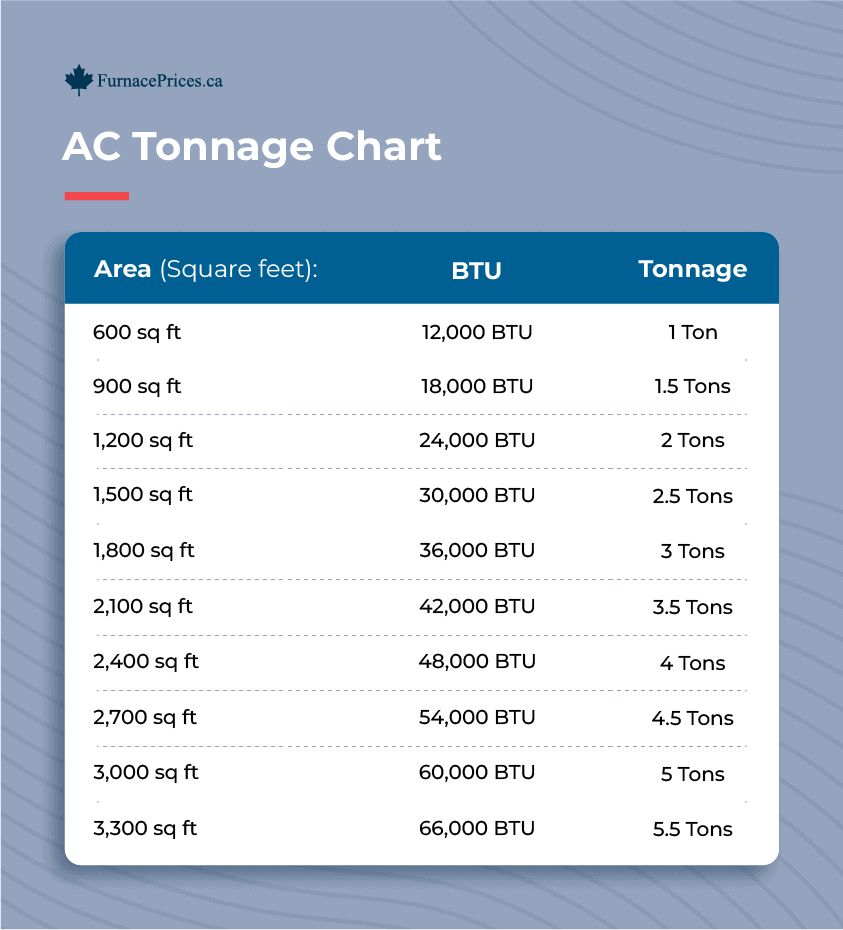
When you’re shopping for an air conditioner, you might come across the term “BTUs” and wonder what it means. Understanding BTUs can make a big difference in choosing the right air conditioner for your space.
If you want to keep your home cool without wasting energy or money, knowing how BTUs work is key. You’ll discover exactly what BTUs are, why they matter, and how to pick the perfect air conditioner for your needs. Keep reading to make sure your next cooling choice is the smartest one.
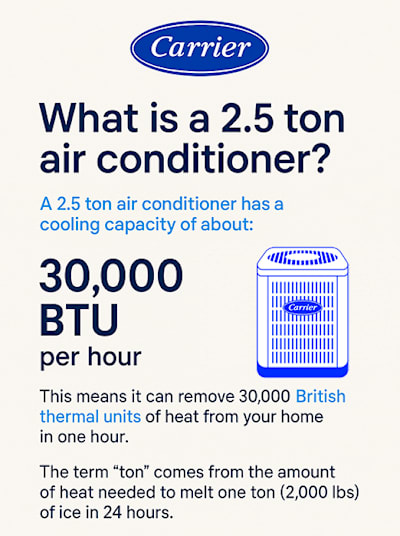
Credit: www.carrier.com
Btu Basics
BTU stands for British Thermal Unit. It measures heat energy.
Air conditioners use BTUs to show cooling power. This helps pick the right unit.
What Is A Btu
A BTU is the amount of heat needed to raise one pound of water by one degree Fahrenheit.
This unit helps measure energy in heating and cooling systems.
Btu And Cooling Power
Higher BTU means more cooling power. It tells how much heat an AC can remove per hour.
- Small rooms need lower BTU air conditioners.
- Large rooms need higher BTU air conditioners.
- Too low BTU may not cool well.
- Too high BTU can waste energy and cause humidity issues.
How Btu Affects Air Conditioning
| BTU Rating | Room Size | Effect on Cooling |
| 5,000 – 8,000 | Up to 350 sq ft | Good for small rooms |
| 8,000 – 12,000 | 350 – 550 sq ft | Ideal for medium rooms |
| 12,000 – 18,000 | 550 – 1,000 sq ft | Works for large rooms |
| 18,000+ | Over 1,000 sq ft | Best for very large spaces |
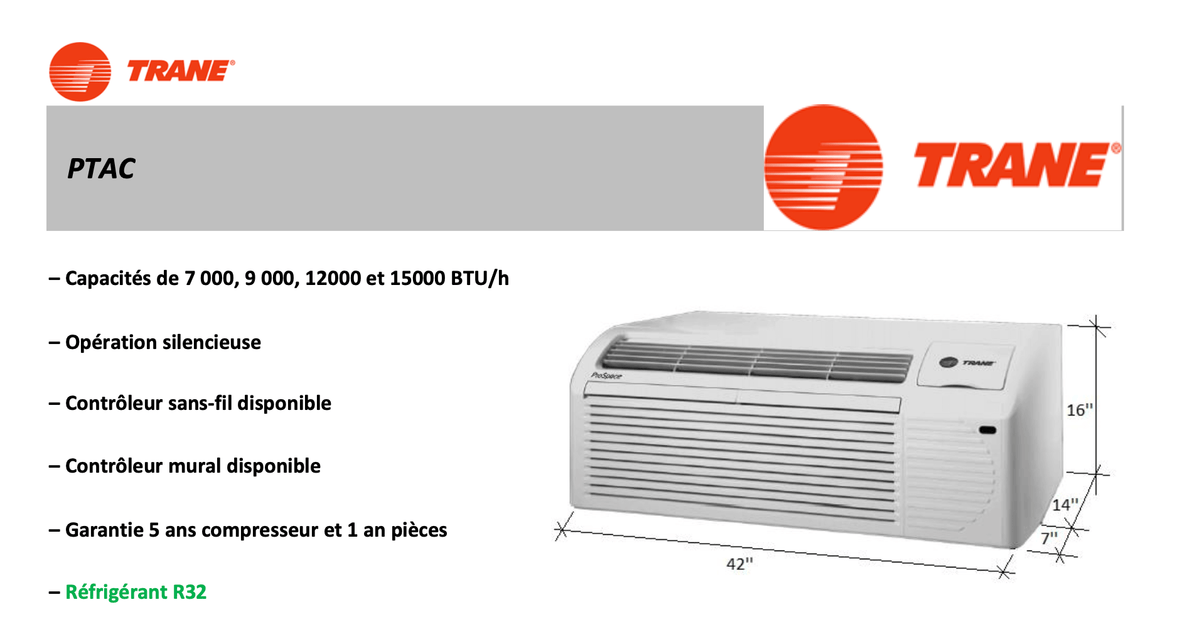
Credit: airgreen.ca
Choosing The Right Btu
BTU stands for British Thermal Unit. It measures how much heat an air conditioner can remove from a room. Choosing the right BTU helps keep your room comfortable.
Too low BTU means the room stays warm. Too high BTU wastes energy and costs more. Knowing your room size and other factors helps pick the right BTU.
Room Size And Btu Needs
The size of your room is the main factor for choosing BTU. Bigger rooms need air conditioners with higher BTU ratings. Small rooms need less power.
Measure your room in square feet. Then match the square feet to the right BTU. This keeps your room cool without wasting energy.
- Up to 150 sq ft: 5,000 BTU
- 150 to 250 sq ft: 6,000 BTU
- 250 to 350 sq ft: 8,000 BTU
- 350 to 450 sq ft: 10,000 BTU
- 450 to 550 sq ft: 12,000 BTU
Factors Influencing Btu Requirements
Other things affect how many BTUs you need. The number of people in the room matters. More people produce more heat. This means you need a stronger air conditioner.
Sunlight also changes your BTU needs. Rooms with many windows or strong sun need more cooling power. Ceiling height and insulation quality also affect BTU.
- Number of people using the room
- Amount of sunlight entering the room
- Ceiling height
- Quality of insulation
- Heat from appliances or electronics
Common Btu Ratings For Rooms
Air conditioners come in common BTU sizes. These sizes fit most room types. Picking a common BTU size makes it easier to find and buy your unit.
| Room Type | Typical Room Size | Common BTU Rating |
|---|---|---|
| Small Bedroom | 100 – 150 sq ft | 5,000 BTU |
| Medium Bedroom | 150 – 250 sq ft | 6,000 – 8,000 BTU |
| Living Room | 250 – 450 sq ft | 8,000 – 12,000 BTU |
| Large Room | 450 – 600 sq ft | 12,000 – 14,000 BTU |
Btu And Energy Efficiency
BTU stands for British Thermal Unit. It measures how much heat an air conditioner can remove. Knowing BTU helps pick the right size AC for your space.
Energy efficiency shows how well an air conditioner uses electricity. A more efficient unit cools better with less power.
Energy Consumption And Btus
Higher BTU means more cooling power but also more energy use. Choosing the right BTU size is key to avoid wasting energy or not cooling enough.
Here is a simple guide for room size and suggested BTU:
| Room Size (sq ft) | Recommended BTU |
|---|---|
| 100 – 300 | 5,000 – 6,000 |
| 300 – 500 | 7,000 – 8,000 |
| 500 – 800 | 10,000 – 12,000 |
| 800 – 1,200 | 14,000 – 18,000 |
Seer Ratings And Btu
SEER means Seasonal Energy Efficiency Ratio. It rates how well an AC cools over a season. Higher SEER means better energy use.
- Choose AC units with higher SEER ratings for savings.
- BTU size and SEER together show total efficiency.
- A large BTU unit with low SEER wastes energy.
- Balance BTU size with a good SEER rating for best results.
Tips To Save Energy
Saving energy lowers bills and helps the environment. Small changes make a big difference.
- Set the thermostat at a comfortable, not too low, temperature.
- Use fans to help air flow and reduce AC load.
- Close curtains during hot days to block sunlight.
- Seal windows and doors to keep cool air inside.
- Maintain your AC unit with regular cleaning and filter changes.
Types Of Air Conditioners By Btu
BTU stands for British Thermal Unit. It measures how much heat an air conditioner can remove from a room per hour.
Different types of air conditioners have different BTU ratings. Choosing the right BTU helps cool your space efficiently.
Window Units
Window air conditioners are installed in a window or a hole in a wall. They are good for cooling single rooms.
- BTU sizes range from 5,000 to 12,000.
- Smaller units (5,000-6,000 BTU) cool small rooms up to 150 square feet.
- Larger units (10,000-12,000 BTU) cool rooms up to 550 square feet.
- Energy use depends on the BTU rating.
Portable Air Conditioners
Portable air conditioners can move from room to room. They are easy to install and good for temporary use.
| BTU Range | Room Size | Best Use |
| 8,000 – 10,000 | 250 – 450 sq ft | Small to medium rooms |
| 12,000 – 14,000 | 450 – 700 sq ft | Large rooms or open areas |
Central Air Systems
Central air systems cool entire homes or buildings. They use a large BTU capacity to handle many rooms.
- BTU ratings range from 18,000 to 60,000 or more.
- BTU size depends on home size and insulation.
- Professional sizing is important for efficiency.
- Systems include ducts to distribute cool air.
Calculating Btu For Your Space
BTU stands for British Thermal Unit. It measures the cooling power of an air conditioner. To pick the right AC, you must know how many BTUs your room needs.
Calculating the correct BTU helps your AC cool efficiently. Too few BTUs will not cool well. Too many will waste energy.
Measuring Room Dimensions
First, measure your room’s length, width, and height. Use a tape measure for accuracy. Multiply these numbers to find the room’s volume.
- Measure the room length in feet.
- Measure the room width in feet.
- Measure the room height in feet.
- Calculate volume: length × width × height.
Adjusting For Insulation And Sunlight
Insulation and sunlight affect cooling needs. Poor insulation or direct sunlight increases BTU demand. Good insulation lowers it.
| Condition | BTU Adjustment |
|---|---|
| Well Insulated, Little Sunlight | Reduce 10% |
| Average Insulation, Some Sunlight | No Change |
| Poor Insulation, Lots of Sunlight | Increase 10-20% |
Using Online Btu Calculators
Online BTU calculators simplify the process. Enter your room size and conditions. The tool gives a BTU estimate instantly.
Benefits of Online BTU Calculators:
- Fast and easy to use
- Includes adjustments for insulation and sunlight
- Helps avoid guesswork
Common Btu Mistakes
BTU stands for British Thermal Unit. It shows how much cooling power an air conditioner has. Choosing the right BTU is important to keep a room comfortable.
Many people make mistakes when picking BTUs. These errors can cause poor cooling or waste energy. Understanding these mistakes helps you pick the best air conditioner.
Overestimating Btu Needs
Some people buy air conditioners with too many BTUs. They think bigger means better cooling. But too much BTU can cool too fast and cause problems.
Overpowered units cycle on and off often. This wastes energy and wears out the AC faster. It also can make the room feel cold and damp.
Underestimating Cooling Requirements
Buying an air conditioner with too few BTUs is another common mistake. The unit will run all the time but still not cool the room well. This raises your electricity bills.
Rooms with many windows, high ceilings, or many people need more cooling power. Ignoring these factors can lead to poor comfort.
Impact Of Poor Btu Choices
Choosing the wrong BTU affects comfort and costs. Too high or too low BTU can cause uneven temperatures. It also shortens the AC’s lifespan.
- Higher energy bills from inefficient cooling
- Increased wear and tear on the air conditioner
- Uncomfortable room temperatures
- More frequent repairs and replacements
Maintaining Optimal Btu Performance
BTU stands for British Thermal Unit. It measures how much heat an air conditioner can remove. Keeping your AC’s BTU at the right level helps your home stay cool and saves energy.
Understanding how to maintain BTU performance keeps your air conditioner running well. This guide covers tips for upkeep, signs you need a new unit, and how to spot BTU problems.
Regular Maintenance Tips
Regular care helps your AC keep the right BTU output. Clean parts and check for issues to avoid weak cooling or high energy bills.
- Clean or replace air filters every 1–3 months.
- Clear debris around the outdoor unit.
- Check refrigerant levels annually.
- Inspect and clean coils regularly.
- Schedule professional tune-ups each year.
When To Upgrade Your Ac Unit
Old or small units may not cool your space well. Upgrading can improve comfort and lower power use if your AC is outdated or too weak.
| Reason to Upgrade | Details |
| Age over 10 years | Newer models use less energy |
| Frequent repairs | Costs add up over time |
| Inadequate cooling | BTU rating does not match room size |
| High energy bills | Older units waste power |
Signs Of Btu Mismatch
Your AC may have a BTU mismatch if it cools poorly or runs too long. This can cause discomfort and waste energy.
- The room never feels cool enough.
- The unit turns on and off frequently.
- High humidity remains inside.
- Energy bills rise without reason.
- The AC is noisy or freezes up.

Credit: www.popularmechanics.com
Frequently Asked Questions
What Does Btu Mean In Air Conditioners?
BTU stands for British Thermal Unit. It measures the cooling power of an air conditioner. A higher BTU means stronger cooling capacity. It helps you choose the right AC size for your room.
How Many Btus Do I Need For My Room?
Calculate room size in square feet. Multiply by 20 BTUs per square foot. This gives an estimate of the cooling power needed. Proper BTUs ensure efficient and effective cooling.
Why Are Btus Important For Ac Efficiency?
BTUs determine an AC’s ability to cool a space. Too few BTUs mean poor cooling. Too many BTUs waste energy. Correct BTU rating improves comfort and saves electricity.
Can A High Btu Ac Increase Energy Bills?
Yes, an oversized AC with high BTUs uses more energy. It cools quickly but cycles on and off frequently. This leads to higher electricity costs and wear on the unit.
Conclusion
Understanding BTUs helps you pick the right air conditioner. It shows how much cooling power you need. Choosing the correct BTU saves energy and money. Too low means your room stays warm. Too high wastes electricity and costs more. Know your room size before buying.
BTUs guide you to a comfortable home. Now you can make a smart choice easily.