
Have you ever wondered what those numbers on your air conditioner really mean? When you see “BTUs” listed, you might think it’s just a technical detail, but it’s actually the key to how well your AC cools your space.
Understanding BTUs can help you pick the right air conditioner that keeps your room comfortable without wasting energy or money. If you want to stay cool and save on bills, keep reading—because knowing about BTUs will change the way you choose and use your air conditioner.
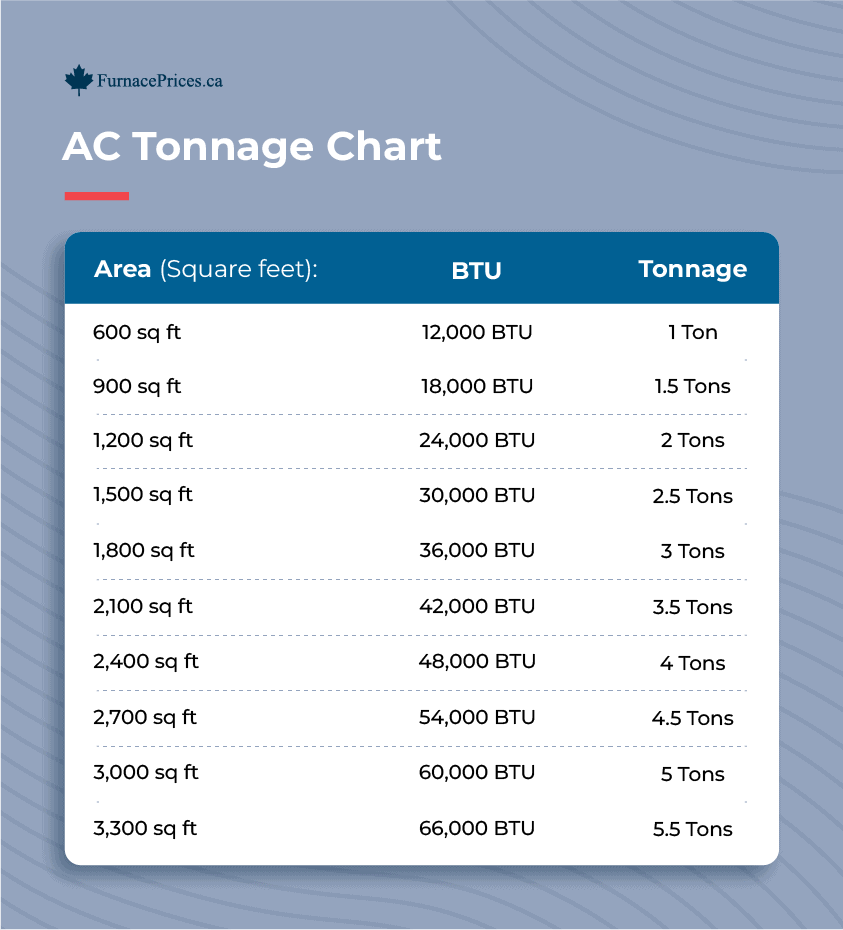
Credit: www.furnaceprices.ca
Btu Basics
Btustands for British thermal unit. It measures energy needed to raise or lower temperature. One Btu cools or heats about one pound of water by one degree Fahrenheit.
Btustell how strong an air conditioner is. More Btus mean more cooling power. Small rooms need fewer Btus, big rooms need more.
| Room Size (sq ft) | Recommended Btu |
|---|---|
| 100 – 300 | 5,000 – 6,000 |
| 300 – 500 | 7,000 – 8,000 |
| 500 – 1,000 | 10,000 – 12,000 |
Choosing the right Btu helps AC work well and saves energy. Too few Btus means not enough cooling. Too many Btus use extra power and can waste money.
Choosing The Right Btu
Choosing the right Btufor your air conditioner depends mainly on the room size. Small rooms need fewer Btus, while large rooms need more. Too few Btus will not cool the room well. Too many Btus waste energy and cost more.
The climatewhere you live also changes Btu needs. Hot, sunny areas need air conditioners with higher Btus. Cooler or shaded places need less power to stay comfortable.
| Room Size (sq ft) | Recommended Btu |
|---|---|
| Up to 150 | 5,000 – 6,000 |
| 150 – 300 | 6,000 – 8,000 |
| 300 – 450 | 8,000 – 12,000 |
| 450 – 600 | 12,000 – 14,000 |
Energy efficiency saves money and helps the environment. Look for air conditioners with a high Energy Efficiency Ratio (EER). Efficient units use less electricity to cool the same space.
- Check the EER or SEER rating before buying.
- Higher ratings mean better efficiency.
- Efficient models reduce your electricity bill.
Btu Ratings Explained
Btustands for British Thermal Unit. It measures how much heat an air conditioner can remove. Nominal Btuis the number on the AC label. It shows the ideal cooling power. Actual Btuis what the AC delivers in real life. Actual Btu can be lower due to many factors like room size and insulation.
SEERmeans Seasonal Energy Efficiency Ratio. It shows how well the AC uses electricity over a season. A higher SEER means better energy savings. It helps compare models beyond just Btu numbers.
| Factor | Impact on Cost |
|---|---|
| Btu Rating | Higher Btu usually means higher price and power use. |
| SEER | Higher SEER means lower electricity bills. |
| Actual vs Nominal Btu | Lower actual Btu may cause longer run time and more cost. |
Btu And Energy Consumption
Btustands for British Thermal Unit. It shows how much cooling poweran air conditioner has. Higher Btu means more power but also more energy use. Air conditioners with high Btu levels use more electricity, which can raise your energy bills.
Choosing the right Btu size helps balance cooling comfortand energy costs. Too much Btu cools too fast and wastes energy. Too little Btu makes your AC work harder and uses more power.
- Close windows and doors to keep cool air in.
- Use fans to help air circulate.
- Set thermostat to a comfortable, not very low, temperature.
- Keep air filters clean for better airflow.
- Turn off the AC when rooms are empty.
Troubleshooting Btu Issues
Signs of an incorrect Btu sizeinclude poor cooling and uneven room temperature. An air conditioner too small will struggle to cool the space, causing it to run longer and use more energy. On the other hand, a unit too large cools quickly but leaves the room damp and uncomfortable.
- Common cooling problemsinclude warm spots and high energy bills.
- Too small Btu units may never fully cool the room.
- Too large units cycle on and off too often, wasting energy.
When to upgrade your AC unit:If your system struggles to cool your home or raises energy bills, it may be time. Older units may also lack the efficiency of modern models. Upgrading can improve comfort and save money in the long run.
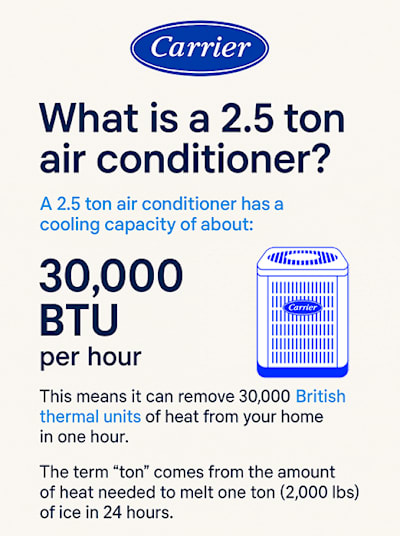
Credit: www.carrier.com
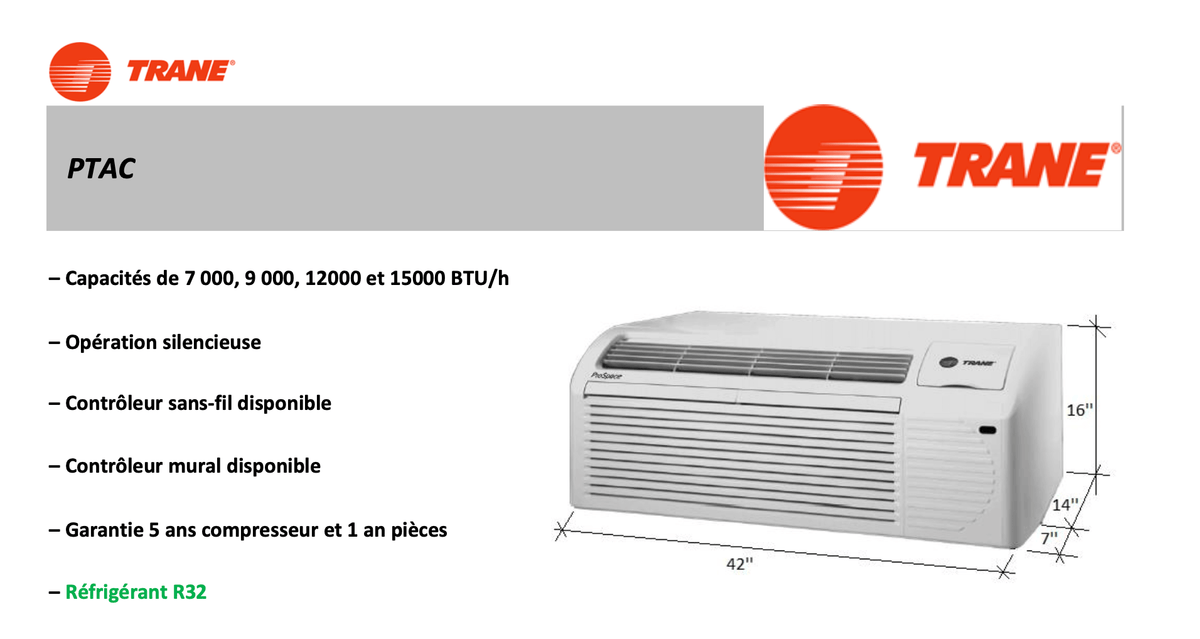
Credit: airgreen.ca
Frequently Asked Questions
What Does Btu Mean In Air Conditioning?
BTU stands for British Thermal Unit. It’s a measure of energy. In air conditioners, it indicates the cooling capacity. Higher BTUs mean more cooling power. It’s essential for choosing the right-sized unit for your space. Proper BTU ensures efficient cooling and energy usage.
How Do Btus Affect Air Conditioner Performance?
BTUs determine an air conditioner’s cooling efficiency. More BTUs can cool larger spaces effectively. However, too many BTUs can lead to energy waste. It’s crucial to match BTUs with room size. This ensures optimal performance and energy efficiency, keeping your space comfortable.
How Many Btus Do I Need For My Room?
The required BTUs depend on your room size. Generally, 20 BTUs per square foot are recommended. Measure your room’s dimensions to calculate. Consider factors like ceiling height and sunlight. Choosing the right BTU ensures effective cooling. It also prevents energy wastage and maintains comfort.
Is A Higher Btu Air Conditioner Better?
Higher BTUs mean more cooling power. However, it’s not always better. If BTUs exceed room requirements, it leads to inefficiency. The unit may cycle too quickly, wasting energy. It’s crucial to choose BTUs based on room size. This ensures optimal cooling and energy savings.
Conclusion
BTUs measure how much cooling an air conditioner provides. Choosing the right BTU size keeps your room comfortable. Too low means the room stays warm. Too high wastes energy and costs more. Check room size before buying an air conditioner.
This helps you pick the perfect BTU level. Understanding BTUs makes buying easier and smarter. Your home will stay cool without extra expense. Simple and clear—BTUs matter for a good AC.