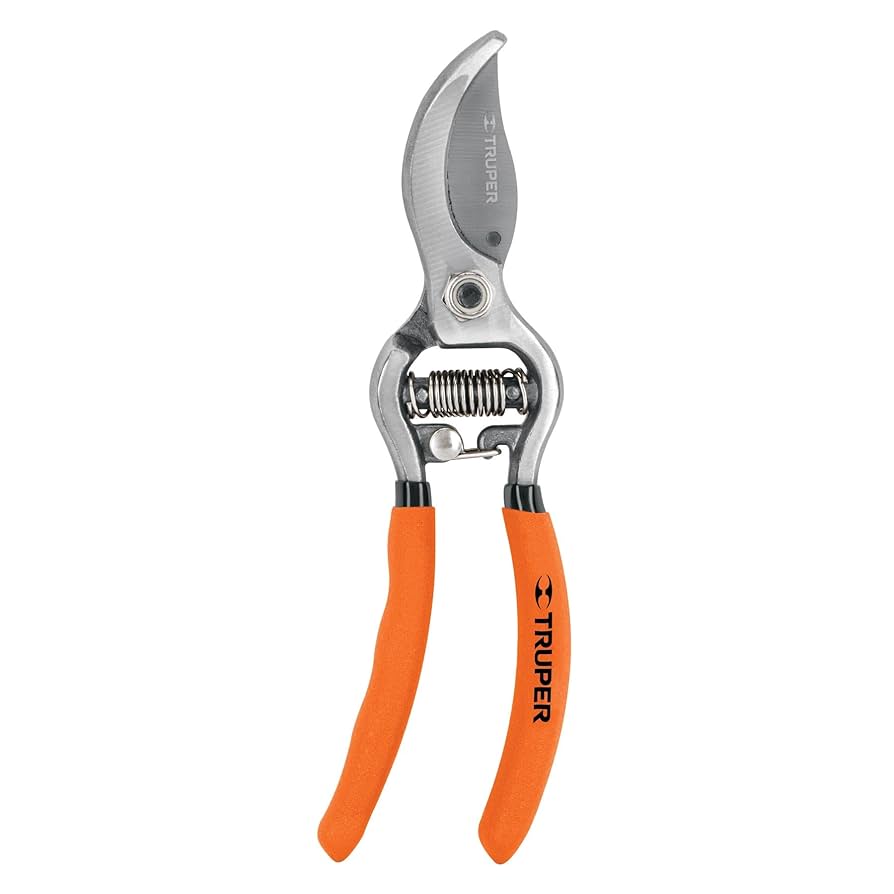
Have you ever struggled to cut through tough branches or delicate stems without crushing them? If so, understanding the right tool can make all the difference.
Bypass pruners are designed to give you clean, precise cuts every time, making your gardening tasks easier and more effective. You’ll discover exactly what bypass pruners are, how they work, and why they might be the perfect addition to your gardening toolkit.
Keep reading to unlock the secret to healthier plants and a more enjoyable gardening experience.

Credit: www.amazon.com
Bypass Pruners Basics

Credit: harttools.com
Advantages For Gardeners
Bypass pruners are a popular tool for gardeners. They help cut plants cleanly and easily.
These pruners work like scissors, making sharp cuts without crushing stems. Gardeners find them very useful.
Clean And Precise Cuts
Bypass pruners have sharp blades that slide past each other. This action makes clean cuts on plants.
Clean cuts help plants heal faster. They also reduce damage to stems and leaves.
Healthier Plant Growth
Using bypass pruners helps keep plants healthy. Clean cuts stop diseases from entering plants.
Plants grow stronger after neat pruning. This tool supports good air flow and sunlight inside plants.
Versatility In Use
Bypass pruners can cut many plant parts. They work well on flowers, shrubs, and small branches.
Gardeners use them for shaping plants and removing dead parts. This tool fits many gardening tasks.
Choosing The Right Pruner
Bypass pruners are tools used to cut branches and stems cleanly. Picking the right pruner makes gardening easier and safer.
Think about the materials, comfort, and size before buying a pruner. These factors affect how well it works for you.
Blade Material And Sharpness
Blades come in different materials like stainless steel or carbon steel. Sharp blades make clean cuts and reduce plant damage.
Look for blades that stay sharp longer. Some blades have coatings to prevent rust and keep them sharp.
- Stainless steel blades resist rust and are easy to clean
- Carbon steel blades are very sharp but need more care
- Coated blades last longer and cut smoothly
Handle Comfort And Grip
Comfortable handles reduce hand fatigue during use. Look for pruners with soft, non-slip grips for better control.
Ergonomic handles fit the shape of your hand. This helps if you use pruners for a long time.
- Rubber or foam grips improve comfort
- Ergonomic shape reduces hand strain
- Non-slip surfaces prevent accidents
Size And Weight Considerations
Choose pruners that fit your hand size well. Small hands need smaller pruners for better control.
Lighter pruners are easier to use for a long time. Heavy pruners can cause tired hands and less precise cuts.
- Check the pruner size before buying
- Pick lightweight tools for long gardening sessions
- Balance weight and strength for your needs
Proper Pruning Techniques
Using bypass pruners correctly helps plants grow strong and healthy. Pruning cuts should be clean and precise. This reduces stress on the plant and promotes healing.
Understanding how to cut and where to place the cut is important. It also helps to avoid damage and keep the plant in good condition.
Cutting Angle And Placement
Make cuts at a 45-degree angle. This angle helps water run off the cut and prevents rot. Place the cut just above a leaf node or bud. This encourages new growth in the right direction.
- Cut above outward-facing buds to shape the plant
- Avoid cutting too close to the bud to prevent damage
- Leave a small stem stub to protect the bud
- Use sharp blades for a clean cut
Avoiding Plant Damage
Do not crush or tear branches when pruning. Bypass pruners work like scissors and cut cleanly. Always use the right tool for the branch size to avoid damage.
| Branch Diameter | Recommended Tool |
|---|---|
| Up to ½ inch | Bypass pruners |
| ½ inch to 1 inch | Loppers |
| Over 1 inch | Pruning saw |
Maintaining Plant Health
Clean pruners prevent spreading diseases between plants. Disinfect tools before and after use. Remove dead or diseased branches first to keep plants healthy.
- Use rubbing alcohol or bleach solution to clean blades
- Sharpen blades regularly for smooth cuts
- Prune during dry weather to reduce infection risk
- Dispose of pruned material away from healthy plants
Maintenance Tips
Bypass pruners stay sharp and work well with regular care. Proper maintenance helps you cut plants smoothly and safely.
Follow simple steps to clean, lubricate, and store your pruners. This keeps them ready for your next gardening task.
Cleaning And Sharpening Blades
Clean blades after each use to remove sap and dirt. Use a damp cloth or brush. Dry blades well to avoid rust.
- Wipe blades with a cloth soaked in soapy water
- Remove sticky residue with rubbing alcohol
- Use a sharpening stone or file to keep edges sharp
- Sharpen at a 20-degree angle for best results
Lubrication And Rust Prevention
Lubricate moving parts to keep pruners smooth and rust-free. Apply oil after cleaning and sharpening.
| Type of Oil | Use For |
| Light machine oil | Blade and pivot |
| WD-40 | Rust prevention and cleaning |
| Vegetable oil | Safe natural alternative |
Storage Recommendations
Store pruners in a dry place to avoid damage. Keep blades closed and locked if possible.
- Clean and dry pruners before storing
- Use a sheath or pouch to protect blades
- Keep out of reach of children
- Store away from moisture and direct sunlight
Common Mistakes To Avoid
Bypass pruners are useful tools for trimming plants and small branches. Using them correctly keeps your plants healthy and your tools lasting longer.
Many people make mistakes that can damage plants or tools. Avoiding these common errors helps you get the best results.
Using Dull Blades
Dull blades tear plant stems instead of cutting cleanly. This can harm the plant and slow healing.
Keep blades sharp for smooth cuts. Sharpen them regularly using a sharpening tool or file.
- Dull blades cause ragged cuts
- Ragged cuts increase plant disease risk
- Sharp blades make clean, healthy cuts
Incorrect Cutting Methods
Cutting at the wrong angle or position can damage plants. Always cut just above a leaf node or bud.
Avoid crushing or bending stems. Use smooth, straight cuts to help plants grow back strong.
- Cut near a leaf or bud
- Use smooth, straight cuts
- Do not crush or bend stems
Neglecting Tool Care
Failing to clean and oil pruners causes rust and reduces tool life. Clean blades after each use.
Store pruners in a dry place. Regular maintenance keeps them sharp and working well.
- Wipe blades clean after use
- Apply oil to prevent rust
- Store in a dry, safe place

Credit: www.stockdales.com
Frequently Asked Questions
What Are Bypass Pruners Used For?
Bypass pruners are essential gardening tools used to cut live plant stems and branches. They work like scissors, providing a clean cut, which helps the plant heal faster. Ideal for pruning flowers, shrubs, and small trees, bypass pruners are a must-have for any gardener aiming for healthy plant growth.
How Do Bypass Pruners Differ From Anvil Pruners?
Bypass pruners have two curved blades that slide past each other, ensuring a clean cut. Anvil pruners, however, have one straight blade that presses against a flat surface. This design is better for cutting dead wood. For live plants, bypass pruners are preferred due to their precision and minimal damage.
Are Bypass Pruners Good For Roses?
Yes, bypass pruners are excellent for cutting roses. Their scissor-like action ensures clean cuts, reducing damage to the plant. Clean cuts help prevent diseases and promote healthy growth. When pruning roses, it’s essential to make angled cuts to allow water drainage, which bypass pruners facilitate effectively.
How Should I Maintain My Bypass Pruners?
Maintaining bypass pruners is simple. Regularly clean the blades with soapy water to prevent sap buildup. Sharpen them periodically to ensure precise cuts. After use, dry them thoroughly and apply a light oil coating to prevent rust. Proper maintenance extends the lifespan and efficiency of your pruners.
Conclusion
Bypass pruners cut plants cleanly and easily. They work like scissors, making smooth cuts. This helps plants heal faster and stay healthy. Bypass pruners suit many gardening tasks, from small branches to delicate stems. Using the right tool saves time and effort.
Remember to keep pruners sharp and clean for best results. Choose bypass pruners for precise and simple cutting in your garden. Enjoy healthier plants and easier gardening with this tool.