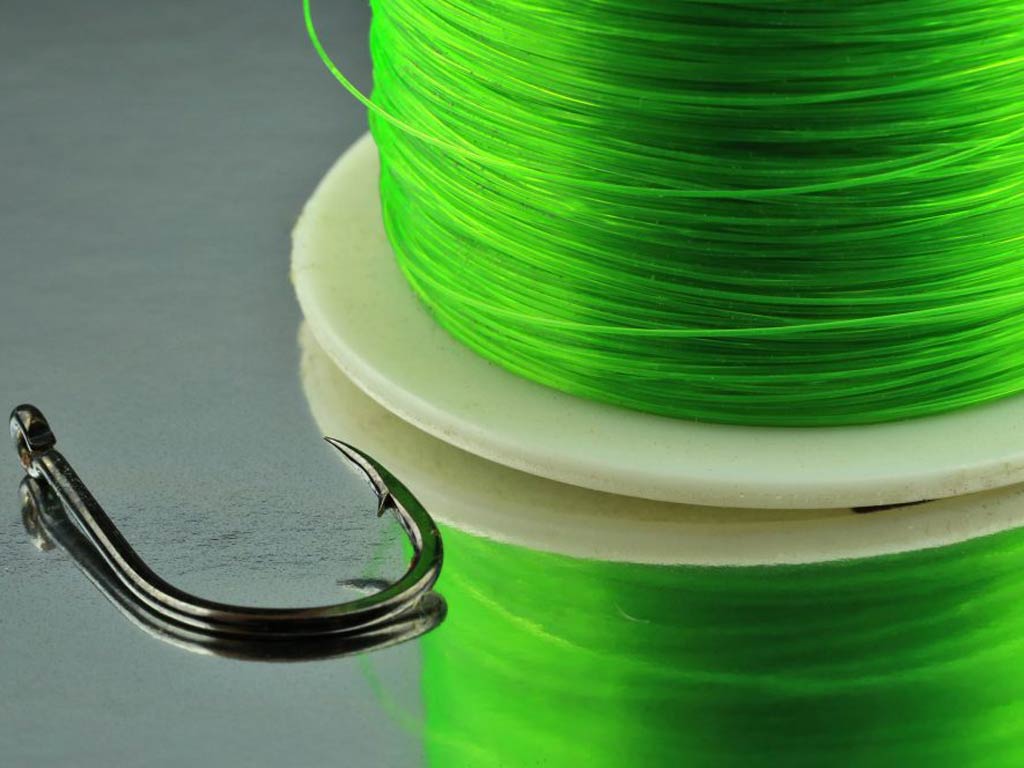
Have you ever wondered what makes your fishing line strong enough to catch that big fish? Understanding what fishing lines are made of can change the way you choose your gear—and boost your success on the water.
Whether you’re a beginner or an experienced angler, knowing the materials behind your line helps you pick the right one for your fishing style. Keep reading, and you’ll discover the secrets that can make every cast count.

Credit: fishingbooker.com
Types Of Fishing Line Materials
Fishing lines come in various materials. Each type has its own use and benefits. Choosing the right line can improve your fishing experience.
Below are the main types of fishing line materials and their features. This guide will help you understand what each line offers.
Monofilament Line
Monofilament line is made from a single strand of nylon. It is flexible and easy to handle. This type is good for beginners and general fishing.
It stretches under pressure, which helps prevent the line from breaking. It is also affordable and widely available.
Braided Line
Braided line consists of several fibers woven together. It is very strong and thin for its strength. This line has little stretch and offers high sensitivity.
- High strength-to-diameter ratio
- Very durable and resistant to abrasion
- Good for fishing in heavy cover
- Less stretch means better hook sets
Fluorocarbon Line
Fluorocarbon line is made from a special polymer that is nearly invisible underwater. It sinks faster than other lines, making it good for deep fishing.
This line resists sunlight and abrasion well. It is often used as a leader or main line when stealth is important.
Specialty Lines
Specialty lines include materials made for unique needs. Some combine features from other lines or add new benefits.
| Type | Material | Use |
| Copolymer | Blended nylon | Stronger and less stretch than monofilament |
| Fluoro-Braid | Fluorocarbon + braid | Invisible and strong for clear water |
| Lead Core | Braided core with lead wrap | Sinks fast for trolling deep |
Credit: n1outdoors.com
Monofilament Line Features
Monofilament fishing lines are popular for their simplicity and versatility. They are made from a single strand of material that offers good strength and flexibility.
This type of fishing line works well for many fishing conditions. It is easy to handle and has unique features that anglers like.
Composition And Manufacturing
Monofilament lines are made from nylon, a type of plastic. The nylon is melted and then shaped into a thin, single strand.
The manufacturing process uses heat and pressure to form the line. This creates a smooth and flexible fishing line that is easy to use.
Strength And Stretch
Monofilament lines are strong but also stretch under load. This stretch helps absorb sudden pulls from fish.
The stretch reduces the chance of the line breaking. It also gives anglers better control when fighting a fish.
Durability And Uv Resistance
Monofilament lines last a long time but can weaken over months of use. They are affected by sunlight and water conditions.
UV light can break down the nylon, making the line less strong. Some lines include additives to improve UV resistance.
Braided Line Characteristics
Braided fishing lines are popular among anglers. They offer unique features for fishing in various environments. Understanding these characteristics can help in choosing the right line for your needs.
These lines are known for their strength and durability. They are made from woven fibers, providing benefits not found in other line types.
Material Composition
Braided lines are made from synthetic fibers. Common materials include Dyneema and Spectra. These fibers are woven tightly, creating a strong line.
This composition makes them thinner and lighter. They have less stretch than other lines, offering better sensitivity.
Tensile Strength
Braided lines are known for high tensile strength. This means they can hold more weight without breaking. Anglers use them for catching large fish.
- High strength-to-diameter ratio
- Suitable for heavy cover fishing
- Preferred for deep-sea fishing
Abrasion Resistance
Braided lines offer good abrasion resistance. They withstand rough surfaces and obstacles. This makes them ideal for rocky or coral environments.
However, they can be less resistant to sharp objects. Anglers often check the line for damage during use.
Fluorocarbon Line Qualities
Fluorocarbon fishing lines are popular among anglers. They offer several useful qualities for fishing.
This type of line is made from a special material that makes it strong and nearly invisible underwater.
Material Properties
Fluorocarbon lines are made from polyvinylidene fluoride. This is a dense and durable plastic.
The material resists abrasion well and does not absorb water, keeping the line strong and stiff.
Invisibility Underwater
Fluorocarbon has a refractive index close to water. This makes it hard to see underwater.
Fish are less likely to notice the line, which helps anglers catch more fish.
Sensitivity And Strength
Fluorocarbon lines transmit vibrations well. This helps anglers feel bites and movements.
They also have high tensile strength, so they can handle strong fish without breaking.
- Good resistance to abrasion
- Low stretch for better sensitivity
- Strong and durable under tension
Comparing Line Strength And Diameter
Fishing lines come in different materials, strengths, and diameters. Choosing the right line means understanding how strength and diameter work together.
Both factors affect your fishing success. Stronger lines hold bigger fish, but diameter affects how the line moves in water.
Breaking Strength Ratings
Breaking strength is the maximum weight a fishing line can hold before breaking. It is measured in pounds or kilograms. Different lines have different strength ratings based on their material and thickness.
| Line Type | Typical Breaking Strength | Common Use |
|---|---|---|
| Monofilament | 6 to 30 lbs | General fishing |
| Fluorocarbon | 8 to 40 lbs | Clear water fishing |
| Braid | 10 to 80 lbs | Heavy cover or big fish |
Line Diameter Impact
Line diameter affects casting distance and water visibility. Thinner lines cast farther and are less visible to fish. Thicker lines are stronger but easier for fish to see.
- Thin lines reduce water resistance.
- Thick lines resist abrasion better.
- Diameter affects reel capacity.
- Choose diameter based on fishing conditions.
Choosing Based On Fish Species
Different fish require different line strengths and diameters. Small fish need thinner, lighter lines. Large fish need stronger, thicker lines to avoid breakage.
- Small fish: Use 4-8 lb line, thin diameter.
- Medium fish: Use 10-20 lb line, medium diameter.
- Large fish: Use 30+ lb line, thicker diameter.
- Consider fish behavior and habitat.
Environmental Impact Of Fishing Lines
Fishing lines are usually made from plastic materials like nylon and fluorocarbon. These materials take many years to break down in nature. When lost in water, fishing lines can harm fish, birds, and other animals.
Many fishing lines end up in oceans and lakes. This causes pollution and dangers for wildlife. It is important to understand how fishing lines affect the environment.
Biodegradable Options
Biodegradable fishing lines break down faster in water. They use natural materials that animals can digest safely. These lines reduce long-term pollution in oceans and lakes.
Some biodegradable lines are made from plant fibers or special polymers. These lines still need to be strong for fishing but also eco-friendly.
Recycling And Disposal
Proper disposal of fishing lines helps protect the environment. Many fishing lines can be recycled at special collection points. Recycling prevents lines from ending up in water.
Never throw fishing lines in regular trash or nature. Use recycling bins or take lines to fishing stores. This reduces pollution and keeps wildlife safe.
- Collect used fishing lines carefully
- Find local recycling programs for fishing gear
- Do not discard lines in rivers, lakes, or oceans
Reducing Line Waste
Reducing the amount of fishing line used helps the environment. Use the right line strength for your fishing needs. Avoid using extra line that might get lost.
Recycle and reuse lines when possible. Check your fishing gear often for damage. Replace worn lines before they break in water.
- Choose correct line strength
- Reuse line spools if safe
- Inspect and replace damaged lines early
Selecting The Right Line For Your Needs
Choosing the correct fishing line affects your success and enjoyment. Lines come in many materials and strengths.
Understanding your fishing needs helps pick a line that matches your style and conditions.
Fishing Conditions And Techniques
Different fishing spots and methods require specific line types. Freshwater fishing often uses lighter lines. Saltwater needs stronger, corrosion-resistant lines.
- Use monofilament for general fishing and easy handling.
- Choose fluorocarbon for clear water and less visibility.
- Select braided lines for heavy cover and strong fish.
Budget Considerations
| Line Type | Cost Range | Durability |
| Monofilament | Low to Medium | Moderate |
| Fluorocarbon | Medium to High | High |
| Braid | Medium to High | Very High |
Consider how often you fish and replace lines. Spending more might save money over time with durable lines.
Line Maintenance Tips
Keep your fishing line in good shape to avoid breaks and tangles. Follow these tips:
- Rinse lines with fresh water after saltwater use.
- Store lines in a cool, dry place away from sunlight.
- Check for nicks or damage before each trip.
- Replace lines regularly to maintain strength.

Credit: n1outdoors.com
Frequently Asked Questions
What Materials Are Used In Fishing Lines?
Fishing lines are commonly made from nylon, fluorocarbon, and braided fibers. Nylon offers flexibility and strength. Fluorocarbon is nearly invisible underwater. Braided lines provide high strength and low stretch. Each material suits different fishing conditions and techniques.
How Does Nylon Compare To Fluorocarbon Lines?
Nylon lines are stretchier and more affordable. Fluorocarbon lines have better abrasion resistance and are less visible underwater. Fluorocarbon sinks faster, making it ideal for deep water. Choice depends on fishing style and water clarity.
Why Are Braided Fishing Lines Popular?
Braided lines offer high strength with thin diameter. They have minimal stretch, enhancing sensitivity and hook setting. Braided lines resist abrasion well and last longer. They are great for heavy cover and big fish.
Are Fishing Lines Biodegradable?
Most traditional fishing lines are not biodegradable and can harm aquatic life. However, eco-friendly biodegradable lines are emerging. These lines break down naturally, reducing environmental impact. Anglers are encouraged to use and dispose of lines responsibly.
Conclusion
Fishing lines come in many materials, each with its own strengths. Nylon, fluorocarbon, and braided lines serve different needs. Choosing the right line depends on your fishing style and water conditions. Knowing what lines are made of helps you fish smarter and enjoy more success.
Keep these basics in mind for better fishing trips. Simple materials make a big difference in your catch.