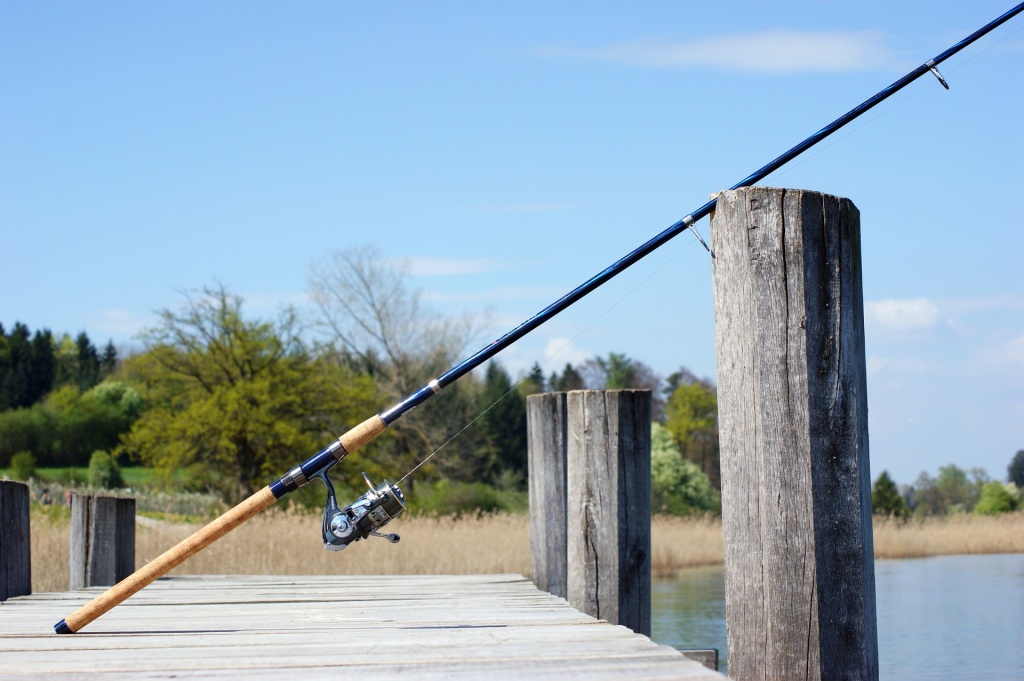
Have you ever wondered what makes a fishing rod strong, flexible, and perfect for your next catch? The materials used to build your fishing rod play a huge role in how it performs on the water.
Knowing what fishing rods are made of can help you choose the right one and improve your fishing experience. Keep reading, and you’ll discover the secrets behind these essential tools that can turn your fishing trip into a success.

Credit: www.youtube.com
Materials Used In Fishing Rods
Fishing rods come in many types depending on the materials used. The material affects the rod’s strength, weight, and flexibility.
Different materials suit different fishing styles. Let’s look at the common materials used in fishing rods.
Natural Materials
Early fishing rods were made from natural materials. Wood and bamboo are the most common natural materials.
Bamboo rods are strong and flexible. Wood rods can be heavy but offer good control. Natural materials give a traditional feel.
- Bamboo: lightweight and flexible
- Wood: sturdy but heavier
- Cork: often used for handles
Synthetic Materials
Synthetic materials are man-made and often improve rod performance. Common synthetics include fiberglass and carbon fiber.
Fiberglass rods are strong and bend well. Carbon fiber rods are lighter and very sensitive. These materials last longer than natural ones.
- Fiberglass: durable and flexible
- Carbon fiber: light and sensitive
- Plastic composites: used in some handles
Composite Materials
Composite rods combine natural and synthetic materials. This mix creates rods with balanced strength and weight.
For example, a rod may have a carbon fiber core with fiberglass wrapping. This design adds power and flexibility.
- Carbon fiber and fiberglass blends
- Mixes of wood and synthetic fibers
- Custom blends to fit fishing needs

Credit: blackfinrods.com
Characteristics Of Common Rod Materials
Fishing rods come in different materials. Each material changes how the rod feels and works.
We will look at four common materials. These are graphite, fiberglass, bamboo, and carbon fiber.
Graphite
Graphite rods are light and strong. They bend easily but return to their shape fast.
These rods give good sensitivity. You can feel small bites on the line well.
- Lightweight for easy handling
- High sensitivity to detect bites
- Brittle and can break if stressed too much
Fiberglass
Fiberglass rods are heavier than graphite rods. They are very flexible and strong.
These rods are good for beginners. They are less likely to break under pressure.
- Heavier but very durable
- Flexible and good for big fish
- Less sensitive than graphite rods
Bamboo
Bamboo rods are classic and natural. They have a smooth, slow bend.
These rods are heavy and require care. They offer a unique feel during fishing.
- Traditional and natural material
- Heavy and less sensitive
- Needs regular maintenance
Carbon Fiber
Carbon fiber rods are very strong and light. They combine features of graphite and fiberglass.
These rods give excellent strength and good sensitivity. They are usually more expensive.
- Very light and strong
- Good sensitivity and durability
- Costly compared to other materials
How Material Affects Rod Performance
Fishing rods come in different materials. These materials change how the rod feels and works.
The right material helps you catch fish better. It changes how strong, light, and flexible the rod is.
Flexibility And Strength
Materials affect how much a rod bends and how strong it is. Carbon fiber rods bend well and are strong.
Fiberglass rods bend more but are less strong. Graphite rods are light and strong but can break easier.
- Carbon fiber: strong and flexible
- Fiberglass: very flexible but less strong
- Graphite: light, strong, less flexible
Weight And Sensitivity
Light rods help you feel fish bites better. Graphite rods are very light and sensitive.
Heavier materials like fiberglass reduce sensitivity. Lightweight rods make fishing more fun and easier.
- Graphite rods: light and sensitive
- Fiberglass rods: heavier, less sensitive
- Composite rods: mix of both for balance
Durability And Maintenance
Fiberglass rods are tough and last a long time. They resist damage better than graphite rods.
Graphite rods need more care to avoid cracks. Cleaning and careful storage help all rods last longer.
- Fiberglass: durable, low maintenance
- Graphite: fragile, needs care
- Composite: balanced durability and care

Credit: fishingbooker.com
Specialized Rod Materials For Different Fishing Styles
Fishing rods come in many materials. Each style uses different materials. These materials affect strength, weight, and flexibility.
Choosing the right material helps anglers fish better. It matches the fishing type and fish size.
Fly Fishing Rods
Fly fishing rods are light and flexible. They usually use graphite or fiberglass. Graphite rods are strong and sensitive. Fiberglass rods are softer and bend more. These rods help cast the fly line smoothly.
Spinning Rods
Spinning rods are versatile. They use graphite, fiberglass, or a mix of both. Graphite offers light weight and sensitivity. Fiberglass adds durability and toughness. Many spinning rods have composite materials to balance strength and feel.
- Graphite rods are light and sensitive
- Fiberglass rods are strong and flexible
- Composite rods combine both materials
Casting Rods
Casting rods need strength and precision. They are often made from graphite or graphite composites. These materials give fast action and better control. Some casting rods include carbon fiber for extra stiffness.
| Material | Benefit |
| Graphite | Lightweight and sensitive |
| Graphite composite | Strong with fast action |
| Carbon fiber | Extra stiffness and control |
Innovations In Fishing Rod Materials
Fishing rods have seen many changes in the materials used to make them. These changes help rods become stronger, lighter, and more durable. New technology plays a big part in improving fishing rods.
Today, makers use special materials and methods to build rods that perform better in different fishing conditions. Let’s look at some new materials used in fishing rods.
Nanotechnology
Nanotechnology uses tiny particles to improve the strength and flexibility of fishing rods. These particles make rods more resistant to breaking and damage. This means anglers can use rods that last longer and feel better during fishing.
- Increases rod strength without adding weight
- Improves flexibility for better casting
- Enhances durability against wear and tear
- Allows better control and sensitivity
Hybrid Composites
Hybrid composites mix different materials like carbon fiber and fiberglass. This mix creates rods that balance strength, weight, and cost. Anglers can find rods that suit their needs better with these combinations.
| Material | Strength | Weight | Cost |
| Carbon Fiber | High | Light | High |
| Fiberglass | Medium | Heavier | Low |
| Hybrid Composite | High | Medium | Medium |
Eco-friendly Options
Eco-friendly fishing rods use materials that are better for the environment. These rods use recycled or natural materials to reduce waste. They help protect water bodies and wildlife.
- Bamboo – a fast-growing natural material
- Recycled carbon fibers – reused from old rods
- Biodegradable resins – break down safely in nature
Frequently Asked Questions
What Materials Are Commonly Used In Fishing Rods?
Fishing rods are mainly made from fiberglass, graphite, and composite materials. Fiberglass offers durability and flexibility. Graphite is lightweight and sensitive. Composite rods combine both for balanced performance. These materials influence rod strength, weight, and sensitivity, affecting fishing experience and suitability for different fish types.
How Does Graphite Improve Fishing Rod Performance?
Graphite makes fishing rods lighter and more sensitive. It allows anglers to detect subtle fish bites easily. Graphite rods offer excellent strength-to-weight ratio, enhancing casting accuracy. They are preferred for precision fishing and long casting distances. However, graphite rods can be more fragile than fiberglass ones.
Why Are Fiberglass Fishing Rods Popular?
Fiberglass rods are popular due to their toughness and flexibility. They handle heavy loads and resist impact well. These rods are ideal for beginners and heavy-duty fishing. Fiberglass is less expensive and more durable than graphite. It provides a smooth, forgiving action during casting and retrieval.
What Role Do Composite Materials Play In Fishing Rods?
Composite rods blend fiberglass and graphite benefits. They offer a balance of strength, flexibility, and sensitivity. Composite rods suit various fishing styles and skill levels. They provide durability and improved performance compared to single-material rods. These rods are versatile and often used for general-purpose fishing.
Conclusion
Fishing rods come in many materials, each with its own benefits. Graphite rods are light and sensitive, perfect for feeling bites. Fiberglass rods are strong and flexible, great for beginners. Composite rods blend both materials for balanced performance. Choosing the right rod depends on your fishing style and needs.
Knowing what rods are made of helps you pick better gear. This knowledge makes fishing more fun and successful. Keep these facts in mind when selecting your next fishing rod. Happy fishing!