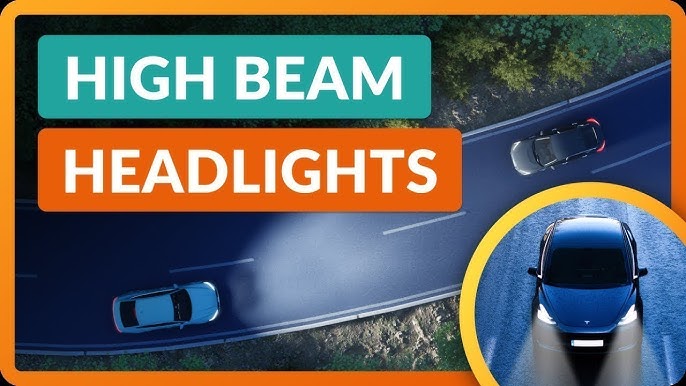
Have you ever wondered what those bright lights at the front of your car really do? Headlights are more than just simple bulbs—they are your car’s eyes when darkness falls or the weather turns bad.
Understanding how headlights work can keep you safer on the road and help you make smarter choices for your vehicle. Keep reading to discover everything you need to know about headlights and why they matter to you every time you drive.

Credit: www.carparts.com
Purpose Of Car Headlights
Car headlights help drivers see clearly in the dark. They also make cars visible to others.
Understanding the purpose of headlights helps improve driving safety at night and in poor weather.
Enhancing Night Visibility
Headlights shine light on the road to help drivers see obstacles, signs, and pedestrians. They improve vision in dark conditions.
- Illuminate road ahead clearly
- Help spot animals or people
- Show road curves and signs
- Assist in bad weather like fog or rain
Signaling To Other Drivers
Headlights also communicate the car’s presence and actions to others on the road. They alert other drivers to your location and movements.
| Headlight Use | Purpose |
| Low beams | Show position without blinding others |
| High beams | Increase visibility on empty roads |
| Flashing headlights | Warn or signal other drivers |
Improving Road Safety
Using headlights correctly reduces accidents. They help drivers react faster to dangers.
- Turn on headlights at dusk or in poor weather
- Use low beams in traffic to avoid blinding others
- Check and clean headlights regularly
- Replace bulbs when dim or broken
Types Of Headlights
Headlights help drivers see the road at night or in bad weather. Different types of headlights offer various benefits and features.
Choosing the right headlight can improve visibility and safety on the road. Here are the main types of headlights used in cars.
Halogen Bulbs
Halogen bulbs are the most common headlights. They use a tungsten filament and halogen gas to create light. These bulbs are affordable and easy to replace.
They produce a warm yellow light. Halogen bulbs have a shorter lifespan than newer types but work well in most conditions.
Led Headlights
LED headlights use light-emitting diodes. They are energy-efficient and last much longer than halogen bulbs. LEDs produce bright, white light that improves visibility.
- Consume less power
- Instant on and off
- Compact size allows creative designs
- Higher initial cost than halogen bulbs
Hid/xenon Lights
HID, or Xenon, lights create light by electrifying gas inside a bulb. They produce intense, bright light that covers long distances. These lights are popular in luxury cars.
| Feature | Details |
| Light Color | Bright white to bluish |
| Power Usage | Lower than halogen |
| Lifespan | Longer than halogen, shorter than LED |
| Warm Up Time | Few seconds to reach full brightness |
Laser Headlights
Laser headlights are the newest technology. They use lasers to create a bright and focused beam. These headlights can light up far distances with low energy use.
Laser lights often work with LED elements. They are expensive but offer excellent performance in high-end cars.
Headlight Beam Patterns
Headlights on a car help drivers see the road in the dark. They also let other drivers see your car.
Different beam patterns provide different lighting for driving situations. These include low beams, high beams, and adaptive headlights.
Low Beams
Low beams light the road close to your car. They shine downward to avoid blinding other drivers.
Drivers use low beams in city driving and when other cars are nearby. They give good visibility without causing glare.
High Beams
High beams shine a bright, long light far down the road. They help you see better on dark, empty roads.
Use high beams only when no other cars are in front or coming toward you. They can blind other drivers if used incorrectly.
Adaptive Headlights
Adaptive headlights change direction with the steering wheel. They light up curves and corners better than fixed beams.
These headlights improve safety by adjusting the beam to where you are driving. They also reduce glare for other drivers.
Credit: www.right2drive.com.au
Legal Requirements
Headlights are essential for safe driving at night and in poor weather. Laws set rules on how and when to use headlights.
This guide explains the main legal requirements for headlights on cars. It covers usage laws, brightness and color, and inspection rules.
Headlight Usage Laws
Many places require drivers to use headlights from sunset to sunrise. Some laws also require headlights during rain, fog, or snow.
- Use headlights at night and in bad weather.
- Switch to low beams when other cars approach.
- Do not use high beams in city areas or behind other vehicles.
- Turn on headlights when windshield wipers operate.
Required Brightness And Color
Headlights must meet specific brightness levels to ensure visibility without blinding others. The color of light is also regulated.
| Requirement | Details |
| Brightness | Between 700 and 1,200 lumens per headlight |
| Color | White or yellow light only |
| Beam Pattern | Must focus light on the road, not into oncoming traffic |
Inspection And Maintenance Rules
Cars must pass headlight inspections to ensure safety standards. Owners must keep headlights clean and properly aligned.
- Check headlights regularly for cracks or damage.
- Clean lenses to avoid dim light output.
- Replace bulbs that are dim or burned out.
- Adjust headlight aim during vehicle inspections.
Maintaining Headlights
Headlights help you see clearly at night and in bad weather. Keeping them in good shape keeps you safe on the road. Regular care makes sure they work well.
Simple tasks like cleaning, replacing bulbs, and fixing alignment improve your headlights’ performance. Here are ways to maintain them properly.
Cleaning And Polishing
Dirty or cloudy headlights reduce light output. Clean them often to keep brightness strong. Use a soft cloth and mild soap with water. Avoid harsh chemicals that can damage the lens.
- Wash lenses with soapy water
- Dry with a clean cloth
- Use a headlight polish for cloudy lenses
- Apply a UV protectant to avoid yellowing
Replacing Bulbs
Burned-out bulbs make driving unsafe. Replace bulbs in pairs for even light. Choose the right bulb type for your car model. Handle new bulbs with gloves to avoid oil damage.
| Bulb Type | Common Use | Average Lifespan |
| Halogen | Standard headlights | 450 to 1,000 hours |
| LED | Modern cars | 15,000 to 30,000 hours |
| HID (Xenon) | High-intensity lights | 2,000 to 3,000 hours |
Fixing Alignment Issues
Poorly aligned headlights reduce visibility and can blind other drivers. Check alignment every six months or after a crash. Use a flat wall and level ground for testing. Adjust screws to center the beam.
- Park 25 feet from a flat wall
- Measure headlight height from ground
- Mark the wall at headlight height
- Turn on headlights and check beam position
- Adjust bolts to center beams on marks
Common Headlight Problems
Headlights are important for safe driving at night. They help you see the road and other cars clearly.
Sometimes, headlights can have problems. These issues can make driving dangerous or illegal.
Dimming Lights
Dimming headlights mean the light is not as bright as it should be. This can reduce visibility.
Common causes include old bulbs, dirty lenses, or electrical problems.
- Old bulbs lose brightness over time
- Dirt or dust on lenses blocks light
- Weak battery or alternator issues
Flickering Or Failure
Flickering headlights can be distracting and unsafe. Sometimes, headlights may stop working completely.
These problems usually come from bad wiring, loose connections, or blown fuses.
- Loose or damaged wiring
- Faulty headlight switch
- Burned out fuse or bulb
Condensation Inside Headlights
Condensation appears as water drops inside the headlight cover. It can reduce light output and cause damage.
This happens when moisture enters the headlight unit through cracks or poor seals.
- Cracked or broken headlight lens
- Worn or missing seals
- High humidity or rain exposure
Tips For Better Visibility
Good visibility while driving is essential for safety. Proper use of headlights helps you see the road and be seen by others.
Understanding how and when to use your headlights improves your driving experience and reduces accidents.
Using Headlights In Different Conditions
Use headlights in low light, rain, fog, and snow. They help you see and alert others to your presence.
- Turn on headlights at dusk and dawn
- Use headlights in heavy rain or fog
- Switch on headlights in tunnels and shaded roads
- Keep headlights clean for better light output
When To Switch Between Beams
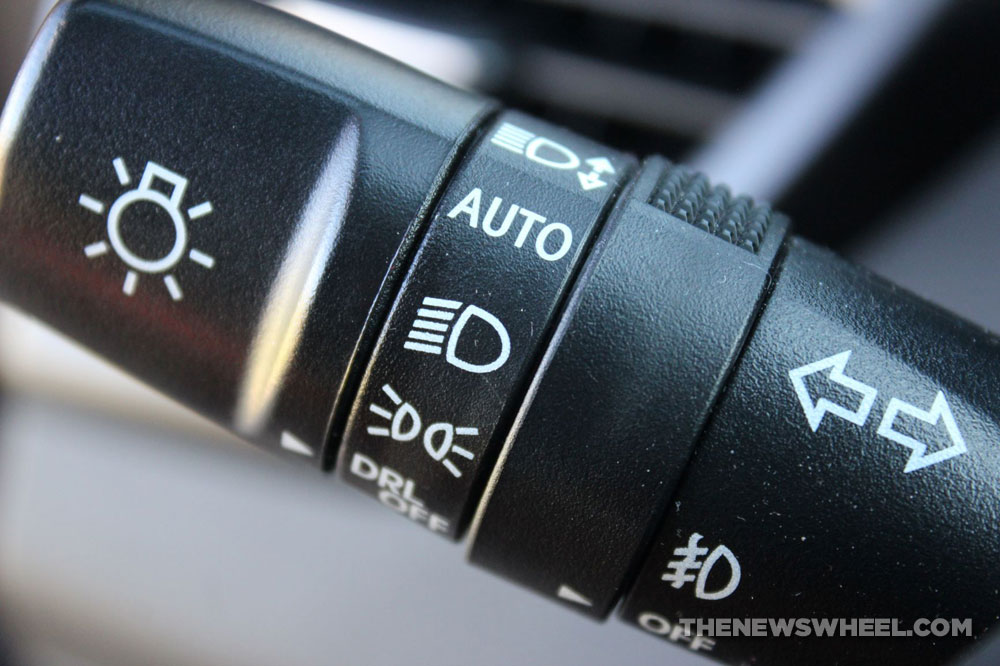
Headlights have low and high beams. Use them correctly to see well and avoid blinding others.
| Beam Type | When to Use | When to Avoid |
| Low Beam | City driving, traffic, fog, rain | Avoid on empty dark roads |
| High Beam | Dark roads without traffic | Do not use near other vehicles |
Avoiding Glare For Other Drivers
Glare from headlights can blind other drivers. Adjust your lights to keep the road safe.
- Lower your high beams within 500 feet of oncoming cars
- Dim lights when following closely behind another vehicle
- Keep headlights aimed at the road, not into other drivers’ eyes
- Clean headlights regularly to reduce scattered light
Credit: thenewswheel.com
Frequently Asked Questions
What Are The Types Of Car Headlights?
Car headlights come in various types like halogen, LED, and HID. Halogen bulbs are affordable and commonly used. LEDs offer better energy efficiency and brightness. HIDs provide intense illumination but are more expensive. Each type has its own advantages and is suited for different driving needs.
How Do Led Headlights Work?
LED headlights use light-emitting diodes to produce bright light. They are energy-efficient and have a longer lifespan. LEDs emit light when an electric current passes through semiconductor material. This technology provides better visibility and consumes less power than traditional halogen bulbs, making them popular in modern vehicles.
Why Are Headlights Important For Safety?
Headlights illuminate the road during low-light conditions, improving visibility. They help drivers see obstacles and road signs clearly at night. Properly functioning headlights also make a vehicle visible to other drivers, reducing the risk of accidents. Regular maintenance ensures optimal performance and enhances overall safety.
How To Maintain Car Headlights?
Regular cleaning and inspection are key to maintaining car headlights. Use a soft cloth and mild cleaner to remove dirt and grime. Check for any cracks or moisture inside the headlights. Replace bulbs promptly when they burn out. Proper maintenance ensures optimal brightness and extends the lifespan of the headlights.
Conclusion
Headlights help drivers see the road clearly at night. They also make cars visible to others. Different types of headlights offer various benefits. Regular checks keep them working well and safe. Understanding headlights improves your driving experience. Bright, well-maintained lights reduce accidents and confusion.
Always use headlights as the law requires. Safe driving starts with good visibility. Keep your headlights clean and replace bulbs when needed. Simple steps make nighttime driving safer for everyone.