Have you ever wondered why measuring cups are a kitchen essential? Whether you’re baking a cake or cooking a meal, getting the right amount of ingredients can make all the difference.
Measuring cups help you add precision to your recipes, so your dishes turn out just right every time. You’ll discover exactly what measuring cups are used for and how they can make your cooking easier and more enjoyable. Keep reading—you might be surprised at how much these simple tools can improve your kitchen skills!
Types Of Measuring Cups
Measuring cups help you get the right amount of ingredients. Different types are made for dry or liquid items.
Choosing the right measuring cup makes cooking and baking easier. It also helps your food taste better.
Dry Measuring Cups
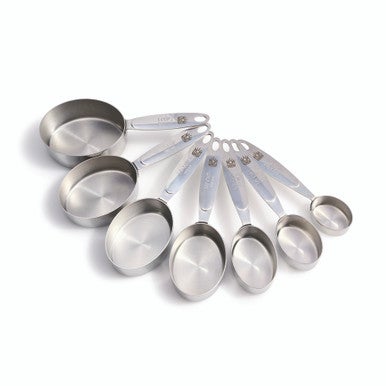
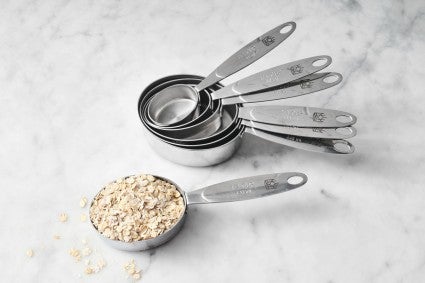
Dry measuring cups are used for solid ingredients like flour and sugar. They usually come in sets with different sizes.
These cups are meant to be filled and leveled off for accuracy. They are often made of plastic, metal, or ceramic.
- Measure dry ingredients by scooping and leveling
- Common sizes: 1 cup, ½ cup, ⅓ cup, ¼ cup
- Stackable sets save space in the kitchen
Liquid Measuring Cups
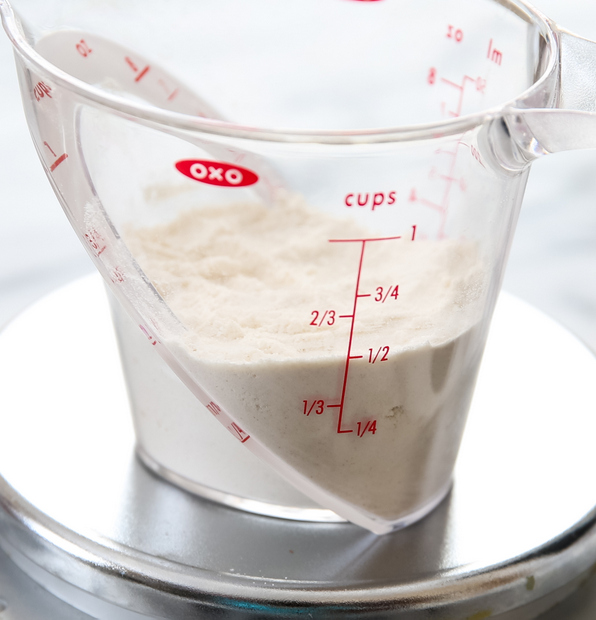
Liquid measuring cups are designed for liquids like water, milk, and oil. They have a spout for easy pouring.
These cups are usually clear with measurement marks on the side. They let you see the liquid level from the outside.
- Made of glass or plastic for easy viewing
- Measurement marks show cups, ounces, and milliliters
- Use on flat surfaces to check accurate levels
Specialty Measuring Cups
Specialty measuring cups are made for specific tasks. Some measure small amounts, others are for sticky ingredients.
These cups can include adjustable spoons, flexible cups, or ones designed for powders and syrups.
- Adjustable measuring spoons for small quantities
- Flexible silicone cups for easy ingredient release
- Cups with pour spouts for sticky ingredients like honey
Credit: kirbiecravings.com
Materials And Designs
Measuring cups come in many materials and designs. Each type offers different benefits for cooking and baking. Choosing the right one helps measure ingredients accurately.
This guide explains common materials and designs of measuring cups. Learn about plastic, silicone, glass, metal, and special options like collapsible cups.
Plastic And Silicone Cups
Plastic and silicone measuring cups are lightweight and easy to handle. They often come in bright colors and have clear measurement marks.
- Plastic cups are affordable and durable for everyday use.
- Silicone cups are flexible and heat-resistant.
- Both types are dishwasher safe for easy cleaning.
- Silicone cups can bend, making it easier to pour liquids.
Glass And Metal Cups
Glass and metal measuring cups are sturdy and long-lasting. They offer precise measurements and work well with hot or cold ingredients.
| Material | Advantages | Disadvantages |
| Glass | Clear measurement marks, microwave safe | Can break if dropped |
| Metal | Very durable, often dishwasher safe | Not microwave safe, no clear marks |
Collapsible And Stackable Options
Collapsible and stackable measuring cups save space in the kitchen. They are great for small storage areas.
Common features include:
- Collapsible cups fold flat for easy storage.
- Stackable cups fit inside each other to save space.
- Made from silicone or plastic for flexibility.
How To Use Measuring Cups Correctly
Measuring cups help you get the right amount of ingredients. Using them correctly makes your cooking and baking better.
Different ingredients need different ways to measure. This guide shows you how to measure dry and liquid ingredients well.
Measuring Dry Ingredients
Use dry measuring cups for flour, sugar, and other powders. Fill the cup until it is overflowing.
Do not pack the ingredient unless the recipe says so. Lightly scoop or spoon the ingredient into the cup.
Remove extra ingredient by leveling it off with a flat edge.
Measuring Liquid Ingredients
Use liquid measuring cups made of glass or clear plastic. Pour the liquid slowly into the cup.
Place the cup on a flat surface to see the true amount. Check the measurement at eye level.
- Check the meniscus, the curve on the liquid surface.
- Read the bottom of the meniscus for an accurate measure.
- Pour carefully to avoid spilling or overfilling.
Leveling Techniques
Leveling means making the top of the ingredient even with the cup edge. This gives exact measurements.
Use a flat tool like the back of a knife or a spatula. Gently scrape off the extra ingredient.
- Fill the cup slightly over the top.
- Hold the cup steady on a flat surface.
- Use a flat edge to level the ingredient.
- Avoid shaking or tapping the cup to settle the ingredient.
Benefits Of Using Measuring Cups
Measuring cups help you add the right amount of ingredients. They make cooking and baking easier and more precise.
Using measuring cups can improve your recipes and save time in the kitchen. They are a useful tool for every cook.
Accuracy In Recipes
Measuring cups ensure you use exact amounts of ingredients. This accuracy helps recipes turn out as expected.
Accurate measurements prevent mistakes like adding too much flour or sugar. This keeps the flavor and texture balanced.
Consistency In Cooking And Baking
Using measuring cups helps you make dishes the same way every time. This consistency builds confidence in your cooking skills.
Consistent results mean your family and friends can enjoy their favorite meals regularly without surprises.
Time-saving Tips
Measuring cups speed up the cooking process by reducing guesswork. You can quickly add ingredients without stopping to estimate.
Keep measuring cups handy and clean to save time during meal prep. Organizing them by size also helps you find the right cup fast.
- Use nested measuring cups for easy storage
- Measure dry ingredients with dry cups and liquids with liquid cups
- Level off ingredients for exact amounts
Common Mistakes To Avoid
Measuring cups are important tools for cooking and baking. Using them correctly helps get the right amount of ingredients. Avoiding common mistakes can improve your recipes.
Here are some frequent errors to watch for when using measuring cups. Fixing these can make your cooking more precise and consistent.
Using The Wrong Cup Type
There are different types of measuring cups for dry and liquid ingredients. Using the wrong type can cause errors in your recipe.
- Dry measuring cups are for flour, sugar, and similar items.
- Liquid measuring cups have a spout and space to see the level.
- Using dry cups for liquids can spill and give wrong amounts.
- Using liquid cups for dry items can cause packing and wrong weight.
Ignoring Ingredient Density
Not all ingredients have the same density. This means one cup of one ingredient may weigh differently than another.
| Ingredient | Approximate Weight per Cup |
| Flour | 120 grams |
| Sugar | 200 grams |
| Butter | 227 grams |
| Oats | 90 grams |
Knowing the density helps you measure by weight if needed. This improves recipe results, especially in baking.
Not Checking Measurements Twice
One common mistake is trusting the first measurement without checking. Errors happen easily, so double-checking saves time and ingredients.
- Fill the cup carefully to the right line.
- Look at the cup at eye level for accuracy.
- Check if the ingredient is packed or loose, then adjust.
- Measure again if unsure before adding to the recipe.
Caring For Measuring Cups
Measuring cups help you add the right amount of ingredients to your recipes. Taking care of them keeps them accurate and safe to use.
Clean and store measuring cups properly. Also, know when to replace them to keep your cooking precise.
Cleaning Tips
Wash measuring cups after each use to avoid stains and residue. Use warm water and mild soap for best results.
- Rinse cups immediately after use to prevent sticking.
- Use a soft sponge to avoid scratches.
- For plastic cups, avoid hot water to prevent warping.
- Dry cups thoroughly to stop mold or rust.
Storage Solutions
Store measuring cups where they stay clean and do not get damaged. Keep them easy to reach for quick use.
| Storage Method | Benefits |
|---|---|
| Hang on hooks | Saves space and prevents scratches |
| Keep in a drawer tray | Organized and protected from dust |
| Stack inside each other | Saves room but check for tight fit |
When To Replace Them
Measuring cups can lose accuracy or get damaged. Replace them to keep your recipes right.
- Check for cracks or chips before each use.
- Replace if measurement marks fade or become hard to read.
- Swap out plastic cups if they warp or smell.
- Use new cups if metal rust appears.
Measuring Cups Beyond The Kitchen
Measuring cups are common tools in cooking. They help get the right amount of ingredients. But these cups can also be useful outside the kitchen.
People use measuring cups in many ways. They are handy for crafts, health, and science tasks. This article looks at different uses for measuring cups.
Crafting And Diy Projects
Measuring cups help with crafts and DIY projects. They hold and measure paints, glues, and other liquids. Using the right amount keeps projects neat and safe.
- Mixing paint colors evenly
- Measuring resin for jewelry making
- Holding small beads or buttons
- Pouring exact amounts of glue
Portion Control And Dieting
Measuring cups help control food portions. They make it easy to follow diet plans. People use them to measure servings of cereals, fruits, and drinks.
| Food Item | Common Portion Size |
| Cooked Rice | 1 cup |
| Salad Greens | 2 cups |
| Fruit Pieces | 1 cup |
| Yogurt | 1 cup |
Scientific And Educational Uses
In science classes, measuring cups show how to measure liquids. They help students learn about volume and capacity. They also aid in simple experiments that need exact amounts.
Here are some science uses for measuring cups:
- Measuring water for plant growth studies
- Mixing chemicals safely in experiments
- Teaching children how to measure liquids
- Comparing volumes of different liquids

Credit: www.reluctantgourmet.com
Credit: www.kingarthurbaking.com
Frequently Asked Questions
What Are Measuring Cups Used For In Cooking?
Measuring cups accurately measure liquid and dry ingredients. They ensure precise quantities for recipes. This helps achieve consistent cooking and baking results every time.
Can Measuring Cups Measure Both Liquids And Solids?
Yes, measuring cups are designed for liquids and solids. Liquid cups often have a spout for easy pouring. Dry measuring cups allow level measurements by filling and leveling off ingredients.
Why Are Measuring Cups Important In Baking?
Baking requires exact ingredient amounts for chemical reactions. Measuring cups help maintain proper ratios. This ensures proper texture, rise, and flavor in baked goods.
How Do I Choose The Right Measuring Cup?
Choose measuring cups based on ingredient type and quantity. Use clear cups with markings for liquids. Use nested sets for dry ingredients. Material options include plastic, glass, and metal.
Conclusion
Measuring cups are essential in every kitchen. They ensure accuracy in recipes. Perfect for baking, cooking, and portioning. Consistent results need precise measurements. Different sizes and materials offer flexibility. Choose based on your needs. Plastic, metal, or glass—each has benefits.
Sturdy design ensures long-lasting use. Easy to clean and store. Helps maintain correct ingredient ratios. Avoids cooking mishaps and ensures delicious outcomes. A must-have tool for any home cook. Invest in quality measuring cups. They simplify meal prep and enhance culinary skills.
Keep them handy for your next kitchen adventure.