
Have you ever stopped to think about what makes your refrigerator work so well? It might seem like just a big box that keeps your food cold, but there’s much more to it than meets the eye.
Understanding what refrigerators are made of can help you appreciate the technology behind keeping your meals fresh. You’ll discover the key materials and parts that make your fridge a reliable kitchen companion. Ready to unlock the secrets inside your refrigerator?
Keep reading—you’ll be surprised by what’s inside!
Core Components
The core components of a refrigerator determine its strength, efficiency, and durability. These parts work together to keep your food fresh and cool. Understanding what goes inside helps you appreciate the technology behind it.
Outer Shell Materials
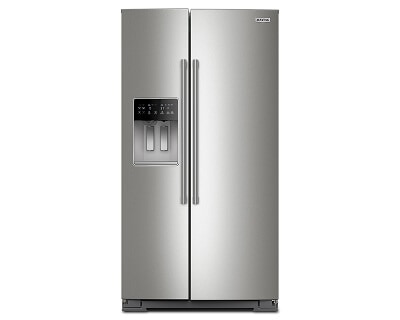
The outer shell protects the refrigerator from damage and wear. Most shells are made from steel or aluminum. Steel is strong and resistant to dents. Aluminum is lighter and resists rust better. Some models have a plastic coating for extra protection and style. The outer shell also helps maintain the fridge’s shape and structure.
Insulation Types
Insulation keeps the cold air inside and blocks heat from outside. Most refrigerators use foam insulation. Polyurethane foam is popular because it traps air well. This foam fills the space between the outer shell and inner lining. It reduces energy use by keeping the temperature steady. Good insulation means your fridge runs less and saves power.
Interior Linings
The interior lining holds your food and must be safe and easy to clean. Common materials include plastic and metal. Plastic linings are lightweight and cost-effective. They resist stains and moisture. Metal linings, often coated with enamel, add strength and last longer. Shelves and drawers inside are usually made from glass or plastic to support items securely.

Credit: www.goodhousekeeping.com
Cooling System Parts
The cooling system in your refrigerator is a finely tuned assembly of parts working together to keep your food fresh. Understanding what these parts are made of helps you appreciate the technology behind that constant chill. These components not only affect performance but also influence energy efficiency and maintenance needs.
Compressor Composition
The compressor is often called the heart of the refrigerator’s cooling system. It’s usually made from durable metals like steel or cast iron to handle high pressure and heat. Inside, you’ll find copper windings that help create the magnetic field needed to power the motor.
Next time you hear your fridge humming loudly, you’ll know the compressor is hard at work. Have you ever considered how a simple metal box can pump refrigerant through the system so efficiently?
Condenser And Evaporator Materials
Both the condenser and evaporator coils are typically made from copper or aluminum. Copper is favored for its excellent heat conductivity, while aluminum offers a lightweight and cost-effective alternative. These coils are coated with protective layers to prevent corrosion and extend their lifespan.
These metals allow heat to transfer quickly—either releasing it outside or absorbing it inside the fridge. Think about how quickly your fridge cools after you close the door; that’s the coils doing their job.
Refrigerant Types
Refrigerants are special fluids that absorb and release heat as they cycle through the cooling system. Older refrigerators used CFCs (chlorofluorocarbons), but these have been replaced by more eco-friendly options like HFCs (hydrofluorocarbons) and natural refrigerants such as propane or isobutane.
Choosing the right refrigerant impacts not just cooling efficiency but also environmental safety. Have you ever checked what refrigerant your fridge uses? It’s a small detail that makes a big difference for the planet.
Electrical Elements
Electrical elements are the heartbeat of any refrigerator. They keep things running smoothly, from controlling temperature to ensuring your food stays fresh. Without these components, your fridge would just be a cold box with no control or convenience.
Wiring And Circuit Boards
The wiring inside your refrigerator connects all the electrical parts, allowing them to communicate and work together. Circuit boards act like tiny computers, managing everything from temperature settings to defrost cycles.
Ever noticed how your fridge sometimes beeps or flashes lights? That’s the circuit board at work. If the wiring is damaged or loose, your fridge might not cool properly or could stop working entirely. Checking these connections can save you from costly repairs.
Motors And Fans
Motors power the compressor and fans that circulate cold air inside the fridge. Without these, cold air wouldn’t reach every corner, leading to uneven cooling or spoiled food.
Think about the humming sound your fridge makes—that’s the motor and fan in action. If your fridge feels warmer than usual or you hear strange noises, it might be time to inspect these parts. Maintaining them ensures your fridge runs efficiently and quietly.
Lighting Components
The light bulb inside your fridge might seem simple, but it’s essential for visibility. Most modern refrigerators use LED lights because they use less energy and last longer than traditional bulbs.
Have you ever opened the fridge in the dark and struggled to find what you need? Good lighting solves that problem. Replacing a burnt-out bulb is an easy fix that improves your daily kitchen experience.
Credit: www.maytag.com
Additional Features
Refrigerators are not just cold boxes; they come with several additional features that improve your daily experience. These parts are designed to make food storage easier, more efficient, and even smarter. Understanding these components can help you appreciate your fridge’s design and functionality better.
Shelves And Drawers
Shelves inside a refrigerator are usually made of tempered glass or plastic. Tempered glass shelves are durable and easy to clean, while plastic ones are lightweight and flexible. Drawers, often called crisper drawers, are made from transparent plastic to help you see the contents without opening them.
Have you noticed how adjustable shelves can change the way you store bulky items? This flexibility allows you to customize your fridge space based on your needs, making it more practical.
Door Seals And Gaskets
The door seals and gaskets play a crucial role in keeping cold air inside. These are typically made of flexible rubber or vinyl materials that create an airtight seal when the door closes. If these seals wear out, your fridge has to work harder, which increases energy consumption.
Think about the last time you found frost buildup around your fridge door. It’s often a sign that the gasket isn’t sealing properly. Replacing worn seals can save energy and keep your food fresher longer.
Control Panels And Displays
Modern refrigerators feature control panels and displays made from plastic and glass materials. These panels allow you to adjust temperature, activate special modes, or even monitor energy usage. Touchscreen displays are becoming more common, offering easy navigation and additional features like notifications.
Have you ever used a fridge with a digital display? It changes how you interact with your appliance, giving you more control and information at a glance. This can help you avoid temperature mishaps and optimize food storage conditions.
Sustainability Factors
Sustainability plays a big role in the materials and design of refrigerators today. You might not realize it, but the choices behind what goes into your fridge affect the environment more than you think. Understanding these factors can help you make smarter, greener decisions when buying or maintaining your refrigerator.
Recyclable Materials
Many modern refrigerators use steel and aluminum, which are highly recyclable. This means when your fridge reaches the end of its life, these metals can be reused instead of ending up in a landfill.
Plastic components vary in recyclability, so it’s important to check the type of plastic used. Some manufacturers are now adding recycled plastics in their fridges, reducing waste and the need for new raw materials.
Have you ever considered what happens to your old fridge? Choosing models made with recyclable parts can significantly cut down environmental impact.
Energy Efficiency Impact
The materials and insulation inside your refrigerator directly affect its energy use. Better insulation keeps cold air in and warm air out, reducing electricity consumption.
Look for fridges with Energy Star ratings—they use advanced materials and technologies to consume less power. Over time, this not only saves money but also reduces your carbon footprint.
Think about how much energy your fridge uses daily. Could switching to a more efficient model make a noticeable difference in your bills and the planet?
Eco-friendly Alternatives
Some manufacturers now use natural refrigerants like hydrocarbons instead of traditional chemicals that harm the ozone layer. These alternatives have a much lower environmental impact.
Biodegradable insulation materials are also gaining popularity, replacing harmful foam-based insulations. These changes help reduce pollution during both production and disposal stages.
Are you ready to support eco-friendly innovations in home appliances? Choosing a refrigerator with green alternatives can be a powerful way to contribute to a healthier planet.

Credit: www.maytag.com
Frequently Asked Questions
What Materials Are Used To Make Refrigerator Bodies?
Refrigerator bodies are mainly made of steel or aluminum. These metals provide strength and durability. They are often coated with paint to prevent rust and improve appearance.
What Insulation Is Inside A Refrigerator?
Most refrigerators use polyurethane foam insulation. This foam traps air and prevents heat transfer. It helps keep the inside cold and energy efficient.
What Components Make Up The Refrigerator Door?
Refrigerator doors contain metal, plastic, and foam insulation. The outer layer is metal or plastic, while the inside has foam for insulation. Magnetic seals ensure the door stays tightly closed.
What Materials Are Used For Refrigerator Shelves?
Shelves are commonly made from tempered glass or plastic. Tempered glass is strong and easy to clean. Plastic shelves are lightweight and resistant to spills.
Conclusion
Refrigerators use different materials to keep food fresh and cool. Metal, plastic, and foam work together inside. These parts help with insulation, durability, and safety. Knowing what makes a fridge can help you care for it better. It also shows how technology keeps your food fresh.
Understanding these materials makes choosing a fridge easier. Every piece plays a role in saving energy and protecting your food. Simple yet strong materials create the perfect cold environment. Refrigerators truly blend science and design to serve your home.