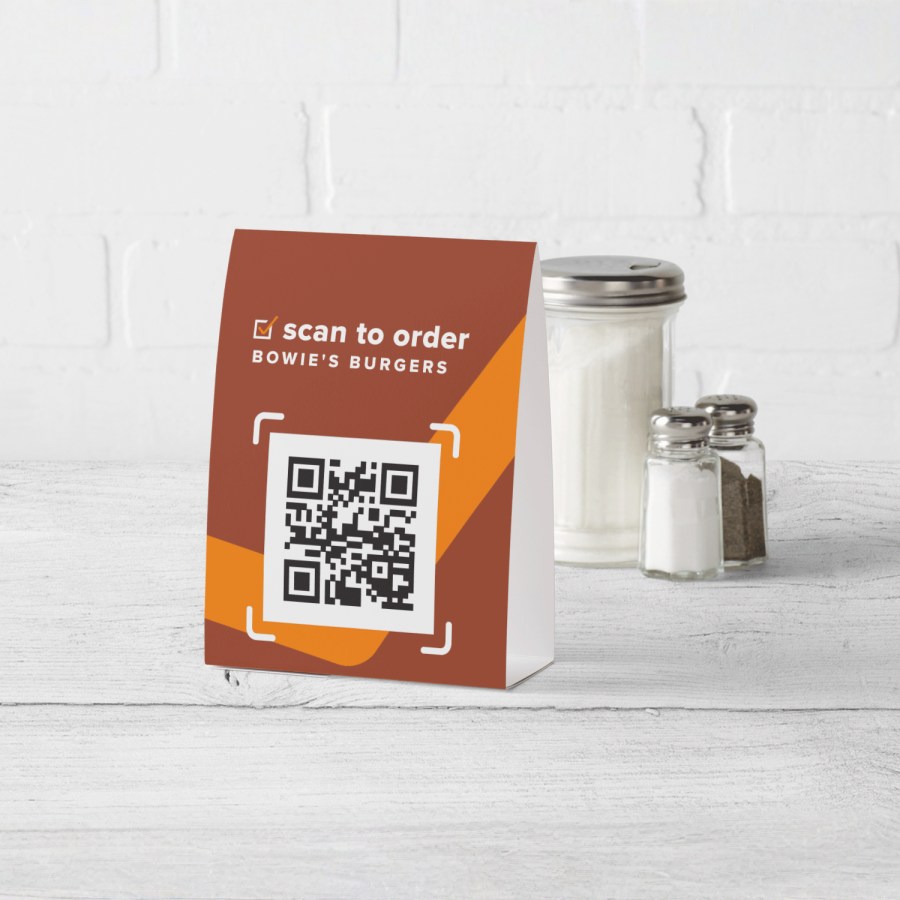
Have you ever noticed those small, eye-catching cards standing on tables at restaurants, cafes, or events? Those are called table tents, and they do more than just hold a spot on your table.
If you want to grab your customers’ attention quickly and share important messages without being pushy, table tents might be exactly what you need. You’ll discover what table tents are, why they work so well, and how you can use them to boost your business or event.
Keep reading to find out how this simple tool can make a big impact on your success.
Credit: www.vistaprint.ca
Table Tents Basics
Table tents are small, folded pieces of paper or card. They stand on tables to show messages or information.
They are easy to see and catch people’s attention in places like restaurants or stores.
Definition And Purpose
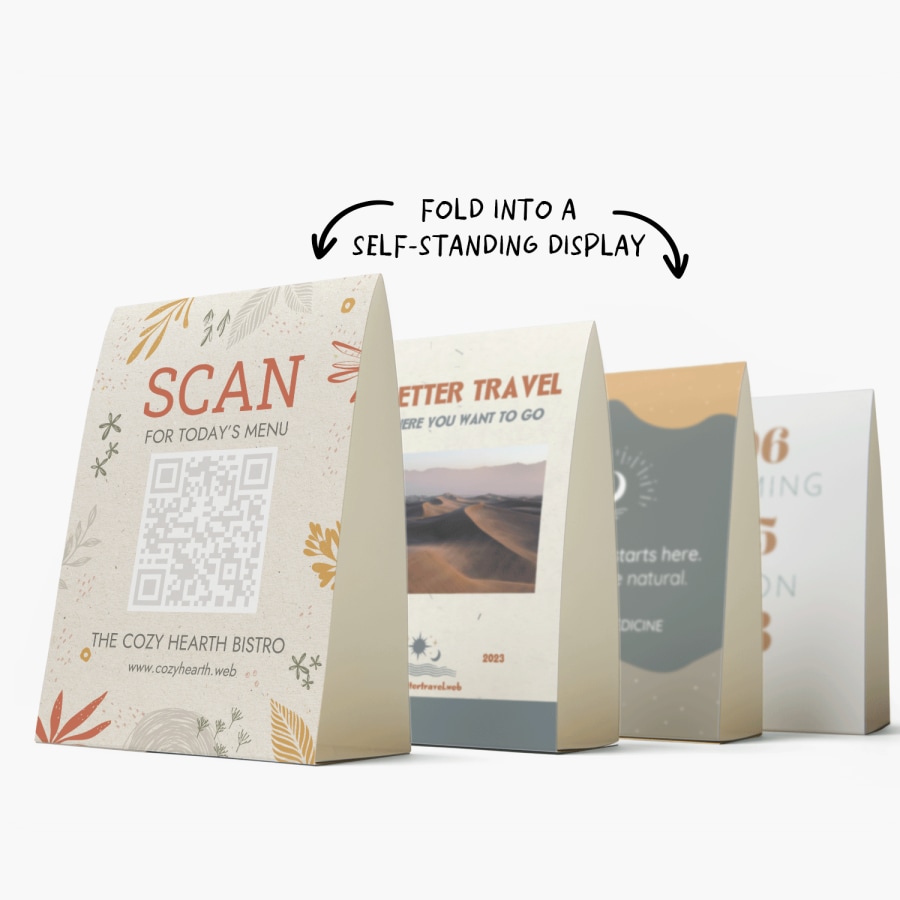
Table tents are display tools that stand on flat surfaces. They usually fold to make a tent shape.
Their main purpose is to share short messages, offers, or important details with customers.
- Show special deals or discounts
- Highlight new products or menu items
- Provide quick information or instructions
Common Uses In Marketing
Table tents help businesses promote products or services directly to customers at their tables.
They are common in restaurants, cafes, hotels, and retail stores to increase sales and awareness.
- Advertising new menu items or drinks
- Promoting limited-time offers or events
- Encouraging customer feedback or surveys
- Providing contact or social media information
Credit: www.vistaprint.ca
Design Tips
Table tents are small folded cards used to share information. Good design helps them catch attention fast.
Keep the look simple and clear. Use space smartly to make your message easy to read.
Effective Layouts
Use a clean layout with clear sections. Avoid clutter to keep focus on key points.
- Place the main message at eye level
- Use headings to separate ideas
- Leave space around text for easy reading
- Align elements for a neat look
Choosing Colors And Fonts
Pick colors that fit your brand and attract attention. Use readable fonts for all text.
| Color | Use | Example |
| Bright | Highlight key info | Red, Yellow |
| Neutral | Background and text | White, Gray, Black |
| Accent | Call to action | Blue, Green |
Incorporating Images And Graphics
Add images or icons to support the message. Use simple graphics that do not distract.

Example of a clean table tent with image
Materials And Sizes
Table tents are small, tent-shaped cards used to display information on tables. They are often seen in restaurants, events, and conferences.
Understanding the materials and sizes for table tents helps in selecting the right one for your needs.
Popular Materials
Table tents can be made from various materials. Each material has its own advantages.
- Cardstock:Durable and cost-effective for short-term use.
- Plastic:Waterproof and ideal for outdoor use.
- Acrylic:Offers a sleek and modern look, perfect for upscale settings.
Standard Dimensions
Standard dimensions help ensure your table tents fit well and look professional.
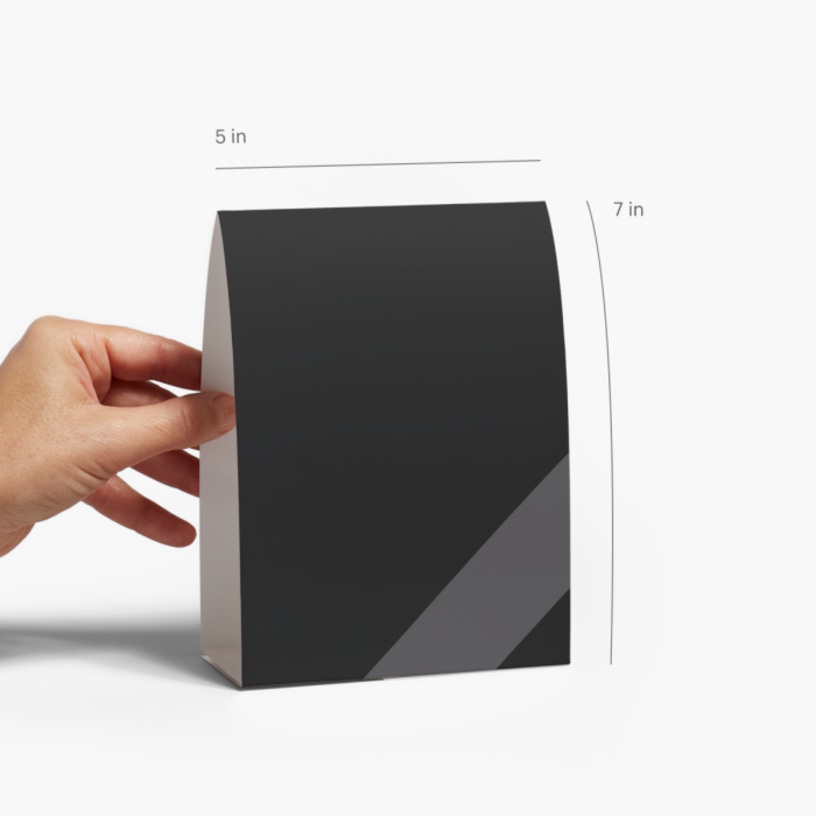
| Size | Width | Height |
| Small | 4 inches | 6 inches |
| Medium | 5 inches | 7 inches |
| Large | 6 inches | 8 inches |
Custom Options
Custom options allow you to personalize table tents to better suit your needs and branding.
Consider adding your logo, choosing unique colors, or selecting custom shapes for a distinctive look.
Placement Strategies
Table tents are small display cards that sit on tables. They show messages, offers, or menus to customers.
Where and when you place table tents affects how well they work. Good placement helps catch attention.
Ideal Locations
Put table tents where people spend time and look around. This makes sure they see the message clearly.
Common spots include dining tables, bar counters, and waiting areas. These places have steady foot traffic.
- Dining tables for direct customer focus
- Bar counters for quick promotions
- Waiting areas for longer viewing time
- Checkout counters for last-minute offers
Maximizing Visibility
Use table tents that stand out with bright colors and clear text. Keep the design simple and easy to read.
Place them where lights hit well and avoid clutter around them. This helps customers notice the tents fast.
- Use bold fonts for main messages
- Choose colors that contrast with the table
- Keep tents at eye level for seated customers
- Remove nearby items that block view
Timing And Rotation
Change table tents regularly to keep content fresh. Update offers and messages based on time and events.
Rotate tents during different times of day or seasons. This keeps customers interested and engaged.
- Switch promotions weekly or monthly
- Use special tents for holidays or events
- Update messages for lunch and dinner hours
- Remove old tents to avoid confusion
Marketing Benefits
Table tents are small, foldable signs placed on tables. They catch attention and share information clearly.
These tools help businesses promote products and connect with customers in restaurants, cafes, and events.
Enhancing Brand Awareness
Table tents show your brand logo and colors. They remind customers about your business while they wait or eat.
- Display your logo and tagline prominently
- Use consistent colors and fonts
- Highlight your brand story briefly
- Place table tents in high-traffic areas
Driving Sales And Promotions
Table tents help promote special offers or new products. They guide customers to try items they might not know about.
| Promotion Type | Example | Benefit |
| Discount | 10% off desserts | Encourages more orders |
| New Product | Seasonal drink | Raises curiosity |
| Combo Deals | Meal + drink combo | Increases average sale |
Engaging Customers
Table tents can include questions, fun facts, or social media links. This invites customers to interact with your brand.
Ways to engage customers with table tents:
- Ask a simple question related to your product
- Share a quick tip or interesting fact
- Include a QR code for feedback or contests
- Promote your social media handles
Printing Techniques
Table tents are small display signs placed on tables. They help share information clearly and attract attention.
Choosing the right printing technique affects the look and feel of table tents. It also impacts cost and quality.
Digital Vs. Offset Printing
Digital printing uses a printer to apply ink directly to the paper. It works well for small orders and quick jobs.
Offset printing uses plates to transfer ink onto paper. It is best for large orders with consistent colors.
- Digital printing is faster and good for short runs.
- Offset printing gives higher quality for large runs.
- Digital allows easy changes in design between prints.
- Offset printing has better color accuracy and sharpness.
Finishing Options
Finishing adds extra features to table tents. It can protect and improve the look of the print.
Common finishing options include lamination, UV coating, and die-cut shapes.
- Lamination adds a plastic layer for durability.
- UV coating makes colors brighter and protects from scratches.
- Die-cut creates custom shapes for unique designs.
- Folding styles affect how the table tent stands on tables.
Cost Considerations
Cost depends on the printing method, finishing, and quantity. Small runs usually cost more per piece.
Offset printing has lower cost per unit for large orders. Digital printing suits small orders with less setup cost.
- Digital printing has no plate cost, good for small runs.
- Offset printing requires plates, cheaper for big orders.
- Finishing adds to total cost but improves quality.
- Simple designs cost less than complex or full-color prints.
Measuring Effectiveness
Table tents are small signs placed on tables to share information or offers. Measuring their effectiveness helps businesses see if they influence customers.
Tracking how customers respond and how sales change can guide better decisions for using table tents.
Tracking Customer Response
Watch how many customers notice or use the offers on table tents. You can ask staff to note customer reactions or use surveys.
- Count how many customers mention the table tent
- Ask customers if they saw the table tent
- Use QR codes to track scans
- Check if customers follow calls to action
Analyzing Sales Impact
Compare sales before and after using table tents. This shows if offers or messages boost purchases.
| Time Period | Sales Volume | Change (%) |
| Before Table Tents | $5,000 | – |
| After Table Tents | $6,200 | 24% |
Adjusting Strategies
Use collected data to improve table tents. Change designs, offers, or placement based on what works best.
- Test different messages or images
- Move table tents to new spots
- Update offers regularly
- Train staff to promote table tent offers
Creative Examples
Table tents are small, folded cards that stand on tables. They show messages clearly in places like restaurants and stores.
Many businesses use table tents to catch attention with simple, creative designs. They help share offers, events, or important details.
Restaurant Promotions
Restaurants use table tents to show new dishes or special deals. These tents sit on tables where guests can see them easily.
Creative table tents in restaurants include colorful images of food and clear, short messages about discounts or combos.
- Highlight daily specials with mouth-watering pictures
- Show happy hour times and drink prices
- Promote loyalty programs or contests
Event Marketing
Table tents at events share schedules, speaker info, or directions. They help guests know what to do next.
Creative event table tents use bold colors and easy-to-read fonts. They can include QR codes for more details.
- Display the agenda with time slots
- Introduce key speakers or performers
- Give instructions for event activities
Retail Displays
Retail stores place table tents near products to show prices or promotions. They guide customers to buy more.
Creative retail table tents use bright colors and fun shapes. They can highlight new arrivals or clearance sales.
- Feature best sellers with product photos
- Announce limited-time discounts
- Promote gift ideas during holidays
Common Mistakes To Avoid
Table tents are useful tools for sharing information on tables. They catch attention and communicate messages quickly. Avoid these common mistakes to make them effective.
Simple and clear table tents work best. Overloading, poor placement, and ignoring branding can reduce their impact.
Overloading Information
Putting too much text or details on a table tent makes it hard to read. People usually glance at them briefly. Too much information can confuse or bore them.
Focus on one main message. Use short sentences and clear words. Highlight only the most important points.
- Limit text to a few key facts
- Use bullet points for easy reading
- Avoid small fonts and crowded layouts
Poor Placement
Placing table tents where people cannot see them wastes effort. They should be at eye level or where customers sit. If placed too far or hidden, they lose value.
Check your tables and seating areas. Make sure each table tent stands out and is easy to spot without moving.
- Place tents on clean, flat surfaces
- Keep them away from clutter or busy backgrounds
- Use stands or holders to keep tents upright
Ignoring Branding
Table tents without brand identity look generic and forgettable. Using logos, colors, and fonts from your brand helps build recognition. It also shows professionalism.
Match your brand style in the design. This creates trust and makes your message clear as part of your business.
- Include your logo in a visible spot
- Use brand colors and fonts consistently
- Keep design simple but aligned with your brand
Credit: www.vistaprint.ca
Frequently Asked Questions
What Are Table Tents Used For?
Table tents are marketing tools used to display promotions, menus, or information. They attract customer attention on tables in restaurants, cafes, or events.
How Do Table Tents Improve Customer Engagement?
Table tents provide clear, concise information directly at the customer’s table. This boosts interaction by highlighting offers, events, or product details effectively.
What Materials Are Table Tents Made From?
Table tents are commonly made from cardstock, plastic, or acrylic. These materials are durable, easy to print on, and suitable for repeated use.
Can Table Tents Be Customized For Businesses?
Yes, table tents can be fully customized in size, design, and message. Customization helps brands reinforce identity and target specific promotions clearly.
Conclusion
Table tents offer a simple way to share information. They catch attention on tables or counters. Businesses use them to show menus, offers, or events. They are small but effective marketing tools. Anyone can create and place them easily. Using table tents helps communicate clearly and quickly.
They fit well in restaurants, shops, and offices. Try table tents to make your message stand out. A small change can bring good results. Simple, clear, and useful—table tents work well.