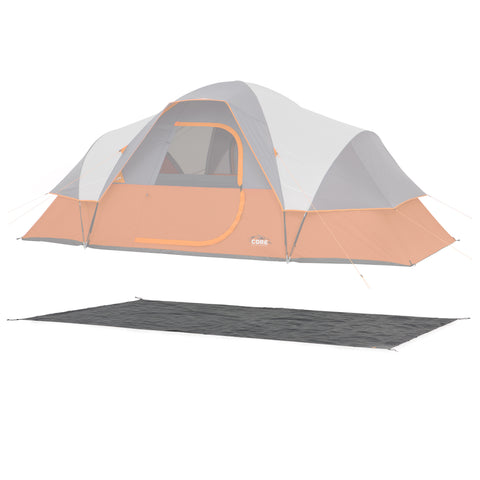
Have you ever set up your tent only to find the ground beneath it wet, rough, or full of sharp rocks? That’s where a tent footprint comes in handy.
A tent footprint is a simple yet powerful accessory that protects your tent’s floor from damage and keeps you comfortable during your outdoor adventures. If you want to extend the life of your tent and enjoy a better camping experience, understanding what tent footprints are and how they work is essential.
Keep reading to discover why this small piece of gear can make a big difference on your next trip.
What Tent Footprints Are
Tent footprints are thin mats placed under tents. They protect the tent floor from damage.
They also keep moisture, dirt, and sharp objects away from the tent. This helps the tent last longer.
Materials Used
Tent footprints are made from strong, waterproof materials. These materials stop water and dirt from reaching the tent.
- Polyethylene: A tough plastic that is water-resistant and durable.
- Ripstop Nylon: Lightweight fabric that resists tearing and is waterproof.
- Polyester: Strong and water-resistant material often coated for extra protection.
- Canvas: Heavy fabric sometimes used for extra durability.
Typical Sizes
Tent footprints come in sizes that fit different tents. They usually match the tent’s floor shape and size.
- Small footprints for 1-2 person tents, about 6 to 7 feet long.
- Medium footprints for 3-4 person tents, about 7 to 9 feet long.
- Large footprints for family tents, 9 feet or longer.
Benefits Of Using Footprints
Tent footprints are protective layers placed under tents. They create a barrier between the tent floor and the ground.
Using footprints helps keep tents clean and safe. They add value to your camping experience.
Protecting Tent Floors
Footprints shield the tent floor from sharp rocks and sticks. This stops holes and tears in the fabric.
They also prevent dirt and mud from sticking to the tent’s bottom. This makes cleaning easier after camping.
Extending Tent Lifespan
Footprints reduce wear and tear on your tent floor. Less damage means your tent lasts longer.
They help keep the tent’s waterproof coating intact. This keeps your tent strong against rain and moisture.
Improving Comfort
Footprints add an extra layer of padding between you and the ground. This makes sleeping inside the tent more comfortable.
They also reduce moisture from the ground. This keeps the inside of the tent dry and cozy.
Choosing The Right Footprint
Tent footprints protect the bottom of your tent from damage and dirt. They act as a barrier between the ground and your tent floor.
Choosing the right footprint helps keep your tent clean and extends its life. It also adds comfort and extra waterproofing.
Matching Tent Models
Footprints come in many sizes and shapes. Choose one that matches your tent model exactly. A good fit covers the tent floor without extra overhang.
If the footprint is too small, it won’t protect the entire tent bottom. If it is too large, water might collect under the tent.
Weight And Portability
When hiking or backpacking, weight matters. A lightweight footprint is easier to carry on long trips.
- Look for materials like silnylon or lightweight polyester
- Choose a footprint that folds small for easy packing
- Balance weight with durability based on your trip type
Durability Considerations
| Material | Durability | Water Resistance |
| Polyethylene | High | Good |
| Silnylon | Medium | Excellent |
| Polyester | Medium | Good |
| Canvas | Very High | Poor |
Choose a footprint material that fits your camping style. Durable materials resist holes and tears. Waterproof materials keep moisture away from your tent floor.

Credit: altongoods.com
Diy Footprint Options
Using a footprint under your tent helps protect the tent floor. It stops damage from rocks and wet ground. Making your own footprint saves money and fits your tent size.
Two popular DIY options are tarps and repurposed materials. Both are easy to find and work well for camping.
Using Tarps
Tarps are strong, waterproof sheets that work great as footprints. They shield your tent from dirt and sharp objects. You can cut tarps to match your tent’s shape and size.
- Choose a tarp slightly smaller than your tent floor.
- Trim edges if needed to avoid water pooling.
- Use grommets or tie-downs to secure the tarp.
- Pick a tarp material that is durable but light.
Repurposing Materials
Old items around the house can become footprints. Materials like shower curtains, old vinyl tablecloths, or plastic drop cloths work well. They are waterproof and easy to cut to size.
| Material | Pros | Cons |
| Shower Curtain | Waterproof and flexible | Tears easily if thin |
| Vinyl Tablecloth | Durable and cheap | Can be heavy |
| Plastic Drop Cloth | Lightweight and waterproof | Less durable |
Caring For Your Footprint
Tent footprints protect your tent floor from dirt and damage. Taking care of your footprint helps it last longer. Proper care keeps it clean and strong.
Learn how to clean and store your footprint the right way. This will keep it ready for your next trip.
Cleaning Tips
After camping, remove all dirt and debris from your footprint. Use a soft brush or cloth to clean it gently. Avoid harsh chemicals that can damage the fabric.
If your footprint is very dirty, wash it with mild soap and water. Rinse well and let it dry fully before packing it away.
- Shake off loose dirt before cleaning
- Use mild soap and cold water
- Do not use bleach or strong detergents
- Air dry completely before storage
Storage Advice
Store your footprint in a dry place to prevent mold and mildew. Avoid folding it the same way every time to stop creases and wear.
Keep your footprint away from sharp objects or heavy gear. Use a storage bag or loose container to protect it.
- Dry footprint fully before storing
- Store in a cool, dry area
- Fold loosely to avoid creases
- Keep away from sharp or heavy items

Credit: www.amazon.com
Popular Brands And Models
Tent footprints protect the bottom of your tent from dirt and damage. They also help keep moisture out. Choosing the right footprint can extend your tent’s life.
Many outdoor brands offer footprints designed for their tents. Some are made to fit specific models. Others are more versatile and work with different tents.
Rei Co-op Tent Footprints
REI Co-op offers footprints made for their popular tents. These footprints fit well and provide solid ground protection. They are lightweight and easy to pack.
Msr Tent Footprints
MSR footprints match many of their tent models. They use durable materials that resist tears and water. MSR footprints are known for their strong build and long use.
Big Agnes Footprints
Big Agnes offers footprints tailored to their tents. They use lightweight fabrics that still protect well. These footprints are easy to set up and fold compactly.
Popular Footprint Models
| Brand | Model | Material | Weight | Compatibility |
| REI Co-op | Kingdom 6 Footprint | Polyester Ripstop | 1 lb 2 oz | Kingdom 6 Tent |
| MSR | Hubba NX Footprint | 70D Nylon | 8 oz | Hubba NX Series |
| Big Agnes | Seedhouse SL Footprint | 40D Nylon | 7 oz | Seedhouse SL Tent |
| Kelty | Salvo 2 Footprint | 210D Polyester | 12 oz | Salvo 2 Tent |

Credit: www.amazon.com
Frequently Asked Questions
What Is A Tent Footprint Used For?
A tent footprint is a protective groundsheet placed under your tent. It shields the tent floor from abrasion, moisture, and dirt. This extends the tent’s lifespan and improves comfort by keeping the bottom dry and clean during camping.
How Does A Tent Footprint Protect Your Tent?
A tent footprint acts as a barrier between the tent and rough ground. It prevents tears, punctures, and wear from rocks and sticks. It also repels water, reducing dampness inside the tent and enhancing overall durability.
Can I Use Any Tarp As A Tent Footprint?
While tarps can substitute footprints, they often lack precise sizing. A tent footprint is custom-made to fit your tent’s floor perfectly. This ensures full coverage and better protection without excess material that can cause tripping or water pooling.
Do Tent Footprints Improve Camping Comfort?
Yes, footprints add a layer of cushioning and insulation. They help keep the tent floor dry and reduce cold from the ground. This makes sleeping more comfortable and helps maintain a cleaner tent interior.
Conclusion
Tent footprints protect your tent’s floor from wear and tear. They keep moisture and dirt away, making camping cleaner and more comfortable. Using a footprint can also extend your tent’s life by preventing damage. They are lightweight and easy to carry, adding little extra weight to your gear.
Choosing the right footprint matches your tent size for best results. Simple, practical, and useful—tent footprints make outdoor stays better and longer-lasting. Consider adding one to your camping kit for a smoother trip.