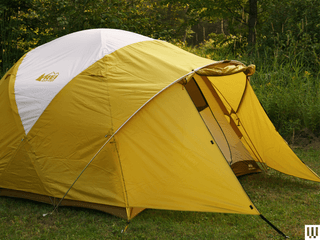
Have you ever wondered what makes tents so essential for outdoor adventures? Whether you’re planning a weekend camping trip or just curious about how these simple structures work, understanding tents can change the way you experience nature.
Tents are more than just fabric and poles—they offer shelter, comfort, and a sense of security wherever you go. Keep reading, and you’ll discover everything you need to know about tents, from their basic parts to how they protect you in the wild.
This knowledge will help you choose the perfect tent for your next outing and make your time outside more enjoyable than ever.
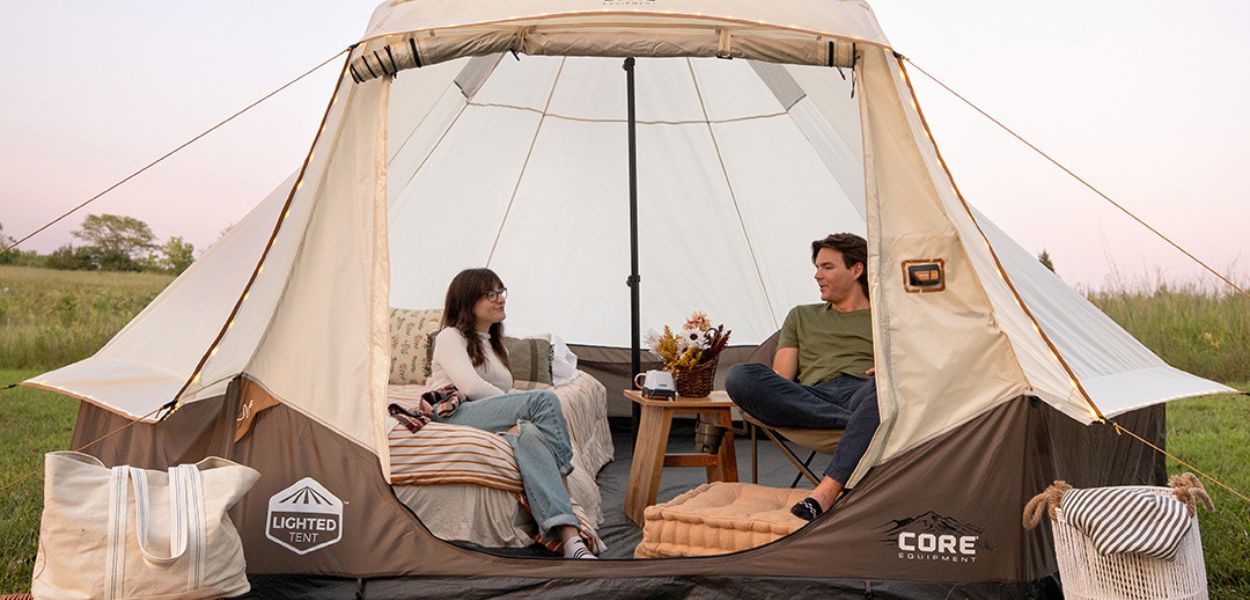
Credit: www.coreequipment.com
Tents Basics
Tents are portable shelters used outdoors. They protect people from weather and insects.
Tents come in many shapes and sizes. They are common for camping, festivals, and events.
What Is A Tent
A tent is a temporary shelter made from fabric and poles. It creates a covered space outdoors.
Tents keep you dry and safe from wind and bugs. They are easy to set up and move.
Common Tent Materials
Tent fabrics must be strong and water-resistant. Different materials offer different benefits.
- Nylon: Lightweight and strong, good for backpacking.
- Polyester: Resists UV damage and holds color well.
- Canvas: Heavy but very durable and breathable.
- Polyethylene: Used in cheap tents, waterproof but less durable.
Basic Tent Components
Tents have parts that work together to make a shelter. Each part has a special role.
- Fabric:The main body that blocks wind and rain.
- Poles:Support the tent shape and hold it up.
- Rainfly:A cover that protects the tent from rain.
- Groundsheet:A layer that keeps moisture from the ground out.
- Guy Lines:Ropes that keep the tent stable in wind.
- Zippers:Open and close tent doors and windows.
Types Of Tents
Tents come in many shapes and sizes. Each type suits different needs and weather conditions.
Understanding tent types helps you pick the right one for camping or outdoor events.
Dome Tents
Dome tents have a rounded shape with flexible poles crossing in the middle. They are easy to set up.
These tents are good for casual camping and handle wind well because of their shape.
Tunnel Tents
Tunnel tents have long, curved poles that make a tunnel shape. They offer more space inside.
These tents are good for families or groups and work best in calm weather.
A-frame Tents
A-frame tents look like a triangle from the side. They use two poles at the ends and a ridge pole on top.
These tents are light and simple but offer less headroom inside.
Pop-up Tents
Pop-up tents open up quickly with built-in flexible frames. They are great for quick setups.
These tents are best for short trips or festivals where speed matters.
Cabin Tents
Cabin tents have straight walls and a boxy shape. They provide lots of room and headspace.
These tents work well for families who need space for gear and movement.
Geodesic Tents
Geodesic tents have many poles crossing to form a strong, dome-like structure. They resist wind and snow well.
These tents are ideal for harsh weather and mountaineering trips.
Backpacking Tents
Backpacking tents are lightweight and compact. They are easy to carry on long hikes.
These tents focus on saving space while still protecting you from rain and wind.
Tent Uses
Tents are portable shelters made of fabric and poles. People use tents for many reasons.
They protect from weather and provide privacy outdoors. Tents come in many shapes and sizes.
Camping And Hiking
Camping tents give a safe place to sleep outside. They keep campers dry and shielded from wind.
Hikers use lightweight tents that are easy to carry. These tents help rest during long trips.
Backyard And Garden Use
People set up tents in their yards for fun or shade. Tents can create a play area for kids.
Garden tents offer shelter from sun and rain. They make outdoor spaces more comfortable.
Emergency Shelters
Tents help people during disasters and emergencies. They provide quick shelter when homes are damaged.
Emergency tents are strong and easy to set up. They offer safety and warmth for displaced people.
Event And Festival Tents
Event tents create space for gatherings and parties. They protect guests from sun and rain.
Festival tents hold food, merchandise, and seating areas. They help organize outdoor events smoothly.
Military And Expedition Use
Military tents serve as mobile bases in the field. They protect soldiers and store supplies.
Expedition tents are tough and weatherproof. They support explorers in harsh environments.

Credit: www.wired.com
Benefits Of Tents
Tents offer a simple way to explore the outdoors. They provide comfort and protection while being easy to use.
Whether camping, hiking, or at a festival, tents make outdoor adventures more enjoyable.
Portability And Convenience
Tents are lightweight and easy to carry. This makes them ideal for travelers who need to move quickly.
- Easy to pack and unpack
- Fits in small storage spaces
- Can be set up in minutes
Protection From Weather
Tents shield you from rain, wind, and sun. They keep you dry and comfortable in different weather conditions.
Cost-effectiveness
Tents are a budget-friendly lodging option. They save money on hotels and other accommodations.
| Accommodation | Average Cost per Night |
| Hotel | $100 |
| Tent Site | $20 |
Versatility For Different Activities
Tents are suitable for many activities like camping, festivals, and beach trips. They serve as a versatile shelter solution.
Enhancing Outdoor Experience
Using a tent brings you closer to nature. It allows for a unique experience of sleeping under the stars.
Choosing The Right Tent
Choosing the right tent is important for a good camping experience. You need to think about size, weather, and ease of use.
This guide helps you find a tent that fits your needs and makes camping comfortable.
Capacity And Size
Check how many people will use the tent. Make sure it fits everyone and gear inside.
Choose a tent slightly bigger than your group for comfort and extra space.
- Look for tents labeled by number of people
- Consider space for sleeping bags and backpacks
- Extra room helps with movement inside the tent
Seasonal Ratings
Tents have seasonal ratings that show what weather they handle. Pick one that matches your camping season.
Three-season tents work for spring, summer, and fall. Four-season tents are stronger for winter and snow.
- Three-season tents: good for mild weather
- Four-season tents: built for cold and heavy snow
- Choose according to weather conditions expected
Setup Complexity
Some tents are easier to set up than others. Pick one you can handle without stress.
Look for tents with simple poles and clear instructions. Practice setting it up before camping.
- Pop-up tents are fast and easy
- Hub-style tents have connected poles for quick setup
- More complex tents take longer but offer more space
Durability And Material Quality
Choose tents made with strong materials to last many trips. Good quality keeps you safe in bad weather.
Check the tent fabric and poles. Look for waterproof and tear-resistant fabrics.
- Polyester and nylon fabrics are common and durable
- Aluminum poles are light and strong
- Check for quality zippers and seams
Budget Considerations
Tents come in many prices. Choose one that fits your budget but meets your needs.
Cheaper tents may work for occasional use. Higher-priced tents offer better durability and features.
- Decide how often you will camp
- Balance price with quality and features
- Consider extra costs like repair kits or accessories
Tent Care And Maintenance
Tents protect you from weather during outdoor activities. Taking care of your tent keeps it strong and useful.
Good care helps avoid damage and saves money on repairs or replacements.
Cleaning Tips
Clean your tent after every trip. Remove dirt, mud, and stains to keep fabric in good shape.
- Use a soft brush to clear loose dirt
- Wash with mild soap and cold water
- Do not use harsh chemicals or bleach
- Rinse well to remove all soap residue
- Air dry in shade to prevent fabric damage
Proper Storage
Store your tent dry and cool. Avoid folding it the same way every time to prevent creases.
| Storage Tip | Reason |
|---|---|
| Keep tent dry | Prevents mold and mildew growth |
| Store loosely folded | Reduces fabric wear and creasing |
| Avoid direct sunlight | Protects fabric from UV damage |
| Use breathable bag | Allows air circulation |
Repairing Common Damages
Tents can tear or have broken zippers. Fix small problems quickly to avoid bigger damage.
- Patch holes with repair tape or fabric patches
- Use waterproof glue for seams
- Replace broken zipper sliders
- Reinforce weak areas with extra stitching
Extending Tent Lifespan
Follow simple habits to keep your tent lasting many years. Care is key to long use.
- Set up tent on smooth, clean ground
- Use a groundsheet to protect the floor
- Keep tent dry before storage
- Store away from heat and sunlight
- Inspect and repair after each use
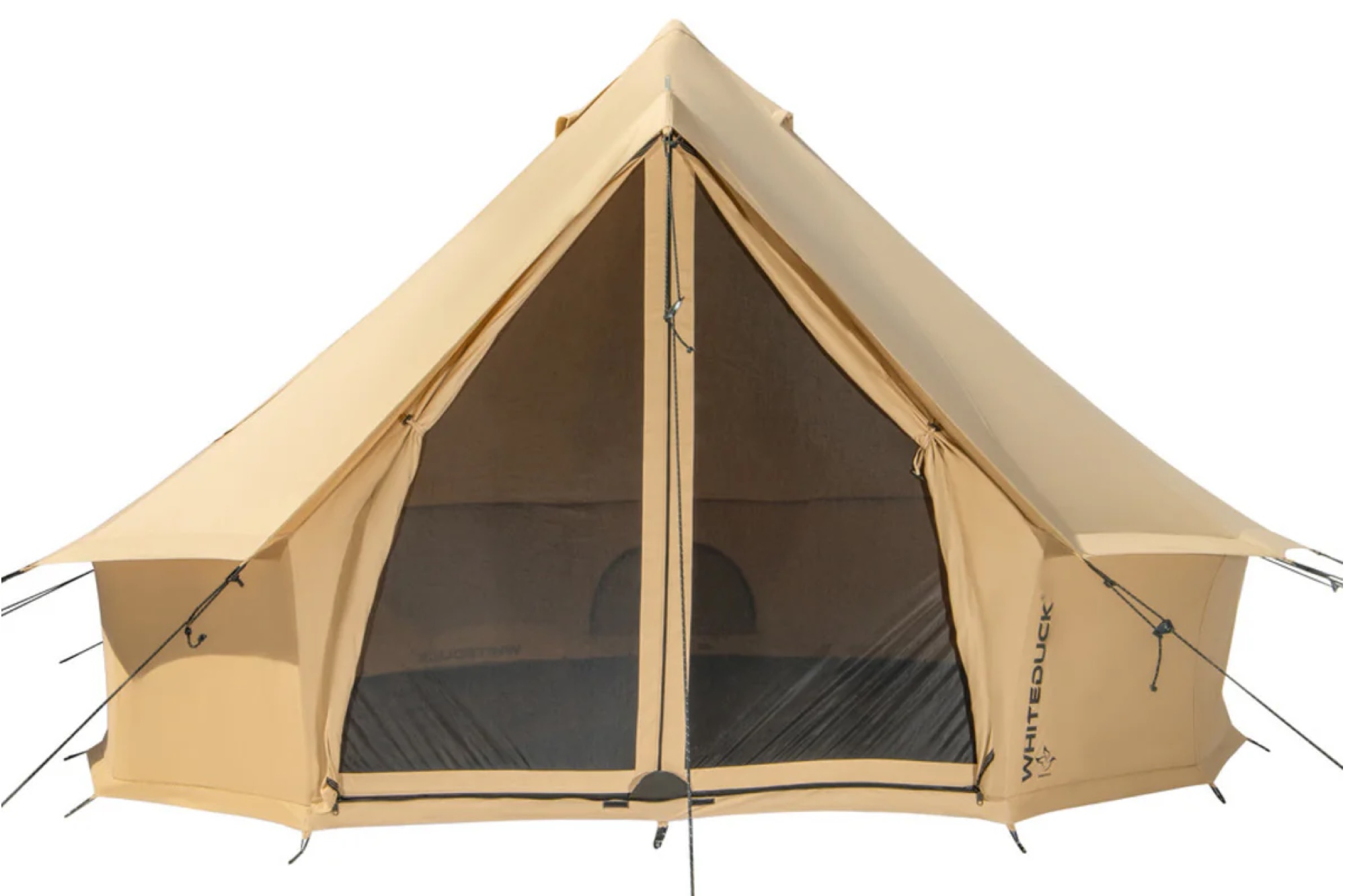
Credit: gearjunkie.com
Frequently Asked Questions
What Is A Tent Used For?
A tent is a portable shelter used for camping, outdoor events, or emergencies. It protects from weather and insects.
How Do Tents Protect From Weather?
Tents use waterproof fabric and strong poles to shield against rain, wind, and sun. Ventilation prevents condensation inside.
What Materials Are Tents Made From?
Tents are commonly made from nylon, polyester, or canvas. These materials provide durability, water resistance, and lightweight portability.
How Do I Choose The Right Tent Size?
Choose a tent size based on the number of people and gear. Consider extra space for comfort and storage.
Conclusion
Tents provide shelter and comfort outdoors. They come in many shapes and sizes. People use tents for camping, festivals, and emergencies. Choosing the right tent depends on your needs. Materials and design affect durability and ease of use. Tents protect from weather and insects.
They create a cozy space anywhere you go. Understanding tents helps you enjoy outdoor activities more. A good tent makes your trip safer and fun. Keep these points in mind when planning your next adventure.