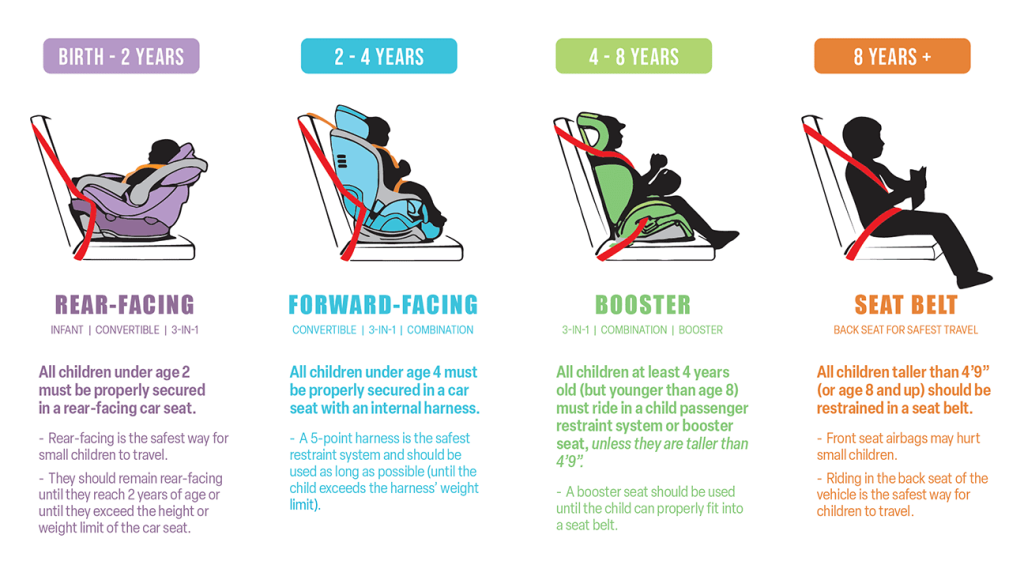
When it comes to child car safety, booster seats play a very important role. Many parents wonder, what are the age and weight requirements for booster seats? This article will explain these rules in a simple and clear way. You will learn why booster seats are needed and when your child should start using one.
Why Are Booster Seats Important?
Booster seats help children sit safely in cars. They raise the child’s body so the car’s seat belt fits well. A seat belt that fits right can protect children in accidents. Without a booster seat, the belt might hurt the child or not protect them enough.
Car seats have different types. Babies use infant seats. Toddlers use convertible seats. After that, children use booster seats. Booster seats are the next step for kids too big for a car seat but too small for adult belts.
Age Requirements for Booster Seats
Booster seats are usually for children from about 4 years old to 12 years old. However, age is not the only factor. It depends on the child’s size and weight too. Some kids need booster seats longer than others.
Most safety rules say children should use booster seats until they are big enough for the seat belt to fit correctly. This usually happens when the child is about 8 to 12 years old. But it is best to look at the child’s height and weight too.
General Age Guidelines
- Start booster seat at about 4 years old.
- Use booster seats until at least 8 years old.
- Many children continue until 12 years old.
Weight Requirements for Booster Seats
Weight is very important when choosing a booster seat. Most booster seats are for children who weigh between 40 and 100 pounds (18 to 45 kilograms). Some booster seats have different limits. Always check the seat’s label.
Here is a simple guide for weight:
| Seat Type | Weight Range (pounds) | Weight Range (kilograms) |
|---|---|---|
| Forward-facing car seat | 20 – 65 | 9 – 29 |
| Booster seat | 40 – 100 | 18 – 45 |
| Seat belt only | Over 100 | Over 45 |
If your child weighs less than 40 pounds, they might still need a forward-facing car seat. If they weigh more than 100 pounds, they may be ready to use the car’s seat belt without a booster seat.

Credit: fortnitequotes.com
Height Matters Too
Besides age and weight, height is very important. Most experts say children should be at least 4 feet 9 inches tall (about 145 cm) before using the seat belt without a booster seat. Booster seats help children reach this height safely when sitting in the car.
When the child is tall enough, the seat belt fits across the chest and hips, not the stomach or neck. This is safer in crashes.
Different Types of Booster Seats
There are two main types of booster seats:
- High-back booster seats: These have a backrest and head support. Good for cars without headrests or with low seat backs.
- Backless booster seats: These are just a cushion. They are lighter and easier to move between cars.
Both types help position the seat belt correctly on the child. Choose the type that fits your child and car best.
When Can Children Stop Using Booster Seats?
Children can stop using booster seats when:
- The seat belt fits correctly without the booster.
- They are about 4 feet 9 inches tall.
- They are between 8 and 12 years old.
It is important to check the fit every time before traveling. If the seat belt does not fit right, the child needs the booster seat.
Legal Requirements for Booster Seats
Every country or state has its own laws about booster seats. Usually, laws say children must use booster seats until a certain age or weight. Here are some examples:
| Place | Booster Seat Age Requirement | Booster Seat Weight Requirement |
|---|---|---|
| United States (general) | 4 to 8 years old | 40 to 80 pounds |
| United Kingdom | Up to 12 years old or 135 cm tall | 15 to 36 kg |
| Australia | Up to 7 years old | 15 to 36 kg |
Check your local rules to make sure you follow the law. Following the rules keeps your child safe and helps avoid fines.

Credit: www.stevenspointchildsafetycenter.org
Tips for Using Booster Seats Safely
- Always use a booster seat that fits your child’s size.
- Follow the manufacturer’s instructions for installation.
- Make sure the seat belt fits across the shoulder and hips.
- Do not use booster seats with lap belts only. Use them with lap and shoulder belts.
- Replace booster seats after a crash, even if no damage is visible.
Signs Your Child Is Ready to Move Out of a Booster Seat
How do you know when your child can stop using a booster seat? Look for these signs:
- They sit all the way back against the car seat.
- Their knees bend at the edge of the seat.
- The seat belt lies flat across their chest and thighs.
- They can stay seated without slouching.
If your child meets these signs, the booster seat may no longer be needed.
Common Mistakes to Avoid
Parents sometimes make mistakes with booster seats. Here are common errors to avoid:
- Removing the booster seat too soon.
- Using booster seats too early, before the child is big enough.
- Using booster seats without the seat belt.
- Not installing the booster seat properly.
Always double-check the booster seat use and car seat belt fit. Safety first.
Summary
Booster seats keep children safe in cars. They help seat belts fit children properly. Usually, booster seats are for kids aged 4 to 12 years. Weight limits are often between 40 and 100 pounds. Height is also important—about 4 feet 9 inches or taller before stopping booster use.
Different places have different rules. Always check local laws. Use booster seats until the seat belt fits correctly. Follow safety tips to protect your child every trip.
Remember, booster seats save lives. Use them right. Keep your child safe on the road.
Frequently Asked Questions
What Is The Minimum Age For Using A Booster Seat?
Children usually start using booster seats at 4 years old or when outgrowing car seats.
What Weight Should A Child Reach Before Using A Booster Seat?
Most kids need to weigh at least 40 pounds to safely use a booster seat.
When Can A Child Stop Using A Booster Seat?
Children can stop booster seats around 8-12 years old or when seat belts fit properly.
Why Are Booster Seats Important For Child Safety?
Booster seats position seat belts correctly to protect children in car accidents.