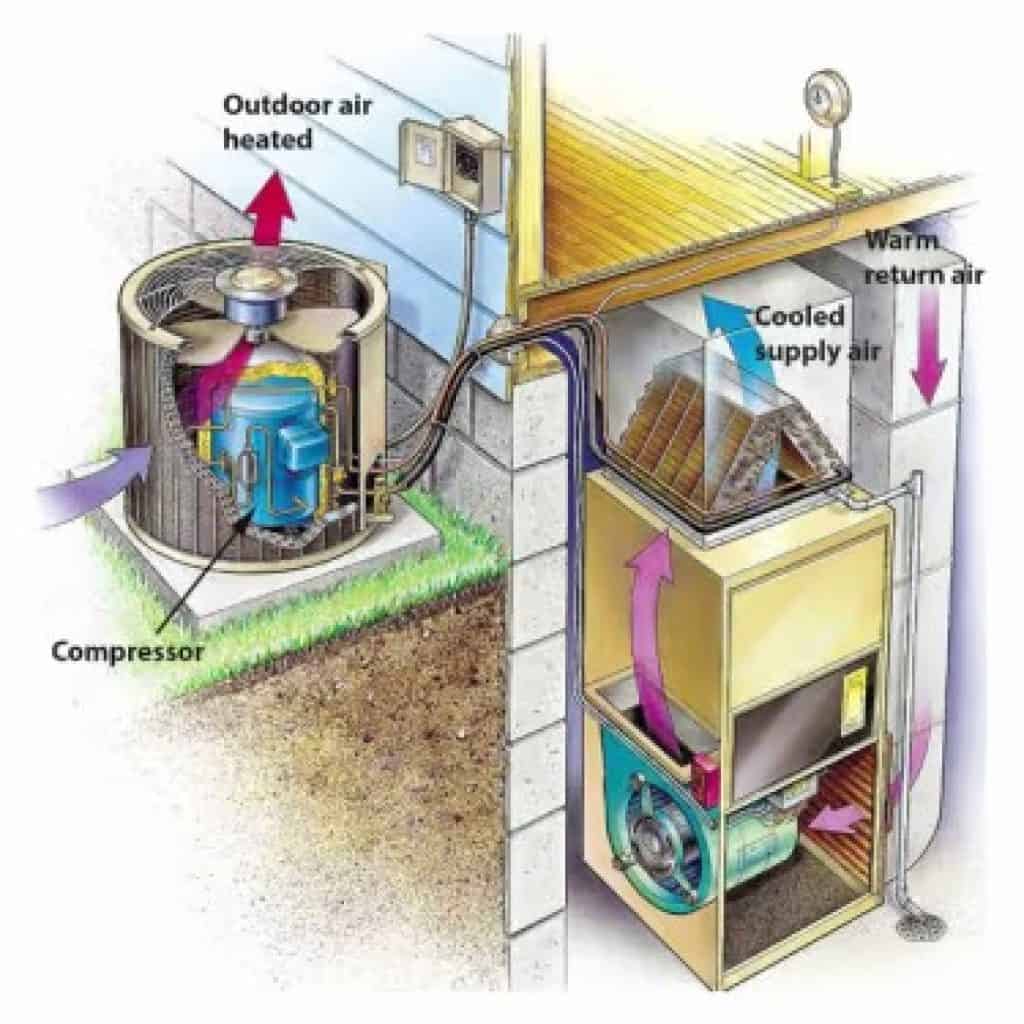
Have you ever wondered what makes your air conditioner cool the room so effectively? Knowing the key parts inside your AC can help you understand how it works and even spot problems early.
Whether you want to keep your system running smoothly or save on repair costs, understanding your air conditioner parts is the first step. You’ll discover the main components that keep your space comfortable, and why each one matters to your cooling experience.
Keep reading to unlock the secrets behind your AC’s cool power!

Credit: www.youtube.com
Main Components
An air conditioner has several important parts. These parts work together to cool your home or office. Understanding these main components helps you know how the AC works.
The four key parts are the compressor, condenser, evaporator, and expansion valve. Each part has a special job in the cooling process.
Compressor
The compressor is like the heart of the air conditioner. It pumps refrigerant through the system. This part increases the pressure of the refrigerant gas.
By compressing the gas, it turns into a hot, high-pressure vapor. This vapor then moves to the condenser.
- Pumps refrigerant through the system
- Compresses refrigerant gas
- Raises pressure and temperature
Condenser
The condenser cools the hot gas from the compressor. It changes the gas into a liquid. This happens by releasing heat to the outside air.
The condenser usually sits outside the building. It has coils and a fan to help cool the refrigerant faster.
- Receives hot gas from compressor
- Cools gas to liquid
- Releases heat outside
Evaporator
The evaporator is inside the building. It absorbs heat from the indoor air. The liquid refrigerant evaporates here and cools the air around it.
A fan blows warm indoor air over the evaporator coils. The air cools down before it circulates back into the room.
- Absorbs heat from indoor air
- Changes liquid refrigerant to gas
- Cools the air inside
Expansion Valve
The expansion valve controls the flow of refrigerant. It lowers the pressure of the liquid refrigerant before it enters the evaporator.
This drop in pressure helps the refrigerant evaporate and absorb heat. The valve keeps the cooling process steady and efficient.
- Regulates refrigerant flow
- Reduces refrigerant pressure
- Prepares refrigerant for evaporator
Additional Parts
An air conditioner works with many parts. Some parts help control the temperature. Others keep air clean and move it around. These additional parts keep the system working well.
This section explains the thermostat, fan, air filter, and refrigerant. These parts play a key role in cooling your home efficiently.
Thermostat
The thermostat controls the temperature inside your home. It tells the air conditioner when to turn on or off. You can set it to your preferred temperature. Some thermostats are digital and easy to read.
Fan
The fan moves air through the air conditioner. It pushes warm air out and cool air in. Without the fan, the air would not flow properly. The fan can be inside or outside the unit.
Air Filter
The air filter cleans the air before it cools your home. It traps dust, pollen, and other particles. A clean filter helps the air conditioner work better. You should change or clean the filter often.
- Traps dust and dirt
- Protects the air conditioner parts
- Improves indoor air quality
- Needs regular cleaning or replacement
Refrigerant
| Function | Description |
| Cools air | Absorbs heat from inside the home |
| Circulates | Moves through coils inside the unit |
| Types | Common types include R-22 and R-410A |
| Maintenance | Leaks should be fixed quickly |
How Parts Work Together
An air conditioner has many parts that work as a team. They keep your home cool by moving heat outside.
Understanding how these parts connect helps you see how the AC cools your space efficiently.
Cooling Cycle
The cooling cycle moves heat from inside your home to the outside air. It uses key parts like the compressor, condenser, expansion valve, and evaporator.
- Compressor:Compresses refrigerant gas, raising its pressure and temperature.
- Condenser:Releases heat from the refrigerant to the outside air, turning it into a liquid.
- Expansion Valve:Lowers pressure and cools the refrigerant before it enters the evaporator.
- Evaporator:Absorbs heat from inside air, cooling it as the refrigerant evaporates back to gas.
Airflow Process
Airflow moves cool air inside and pulls warm air out. Fans and ducts help push and pull the air through the system.
| Part | Role | How it Works |
| Blower Fan | Circulates indoor air | Pushes warm air over evaporator coils to cool it |
| Return Air Duct | Brings warm air back | Channels indoor warm air to the AC unit |
| Supply Air Duct | Delivers cooled air | Distributes cool air from the unit into rooms |
| Condenser Fan | Moves outside air | Blows air over condenser coils to release heat |

Credit: www.searspartsdirect.com
Common Issues
Air conditioners have many parts that work together. Sometimes these parts can stop working well. This causes problems with cooling or noise.
Knowing common issues helps you fix the air conditioner fast. It also keeps your home cool and comfortable.
Component Failures
Parts like compressors, fans, and filters can fail. Compressor failure stops the cooling process. Fan problems cause poor airflow or strange noises.
Dirty or clogged filters reduce air quality and cooling power. Electrical parts like capacitors and relays can also break. This stops the unit from starting or running properly.
- Compressor stops cooling
- Fan motor or blades get stuck
- Dirty air filters block airflow
- Capacitors fail to start the motor
- Thermostat stops reading temperature
Maintenance Tips
Regular care helps avoid part failures. Clean or replace filters every few months. This keeps air moving freely.
Check fans and motors for dirt and damage. Clean the coils to keep cooling efficient. Have a professional inspect electrical parts yearly.
- Change air filters every 3 months
- Clean fan blades and motor housing
- Clear debris from condenser coils
- Check thermostat settings regularly
- Schedule annual professional maintenance

Credit: www.appliancefactoryparts.com
Frequently Asked Questions
What Are The Main Parts Of An Air Conditioner?
An air conditioner primarily consists of an evaporator, condenser, compressor, and expansion valve. The evaporator absorbs heat, the compressor circulates refrigerant, the condenser releases absorbed heat, and the expansion valve regulates refrigerant flow. Together, these parts work to cool indoor air efficiently.
How Does The Compressor Function In Ac?
The compressor circulates refrigerant between the evaporator and condenser. It compresses the refrigerant, increasing its pressure and temperature. This process enables heat absorption from indoor air. The compressor’s efficient functioning is crucial for the air conditioner’s overall cooling performance and energy efficiency.
What Role Does The Condenser Play In Ac?
The condenser releases absorbed heat from the refrigerant to the outside environment. It cools and condenses the refrigerant back into a liquid state. This process allows the air conditioner to continuously cycle refrigerant, maintaining indoor cooling effectively and efficiently.
Why Is The Evaporator Important In Ac?
The evaporator absorbs heat from indoor air, cooling it down. It contains refrigerant that evaporates, removing heat and humidity. The evaporator’s efficient operation is essential for maintaining comfortable indoor temperatures and ensuring the air conditioner functions effectively.
Conclusion
Knowing the main parts of an air conditioner helps you understand how it works. Each part plays a role in cooling your home efficiently. Regular care keeps these parts running smoothly. This knowledge can save you time and money on repairs.
Stay aware of your air conditioner’s needs to enjoy cool, fresh air all year. Simple steps make a big difference in comfort and energy use. Keep your system healthy and it will keep you comfortable.