Are you tired of constantly sneezing or dealing with dust in your home? The solution might be simpler than you think.
The right air conditioner filter can make a world of difference in your indoor air quality. But with so many options out there, how do you know which one is the best for you and your family? Choosing the best air conditioner filter isn’t just about keeping your system running smoothly; it’s about creating a healthier environment in your home.
We’ll dive into what makes a filter the “best” and help you find the perfect match for your needs. Keep reading to discover how the right choice can lead to cleaner air and a happier home.
Types Of Air Conditioner Filters
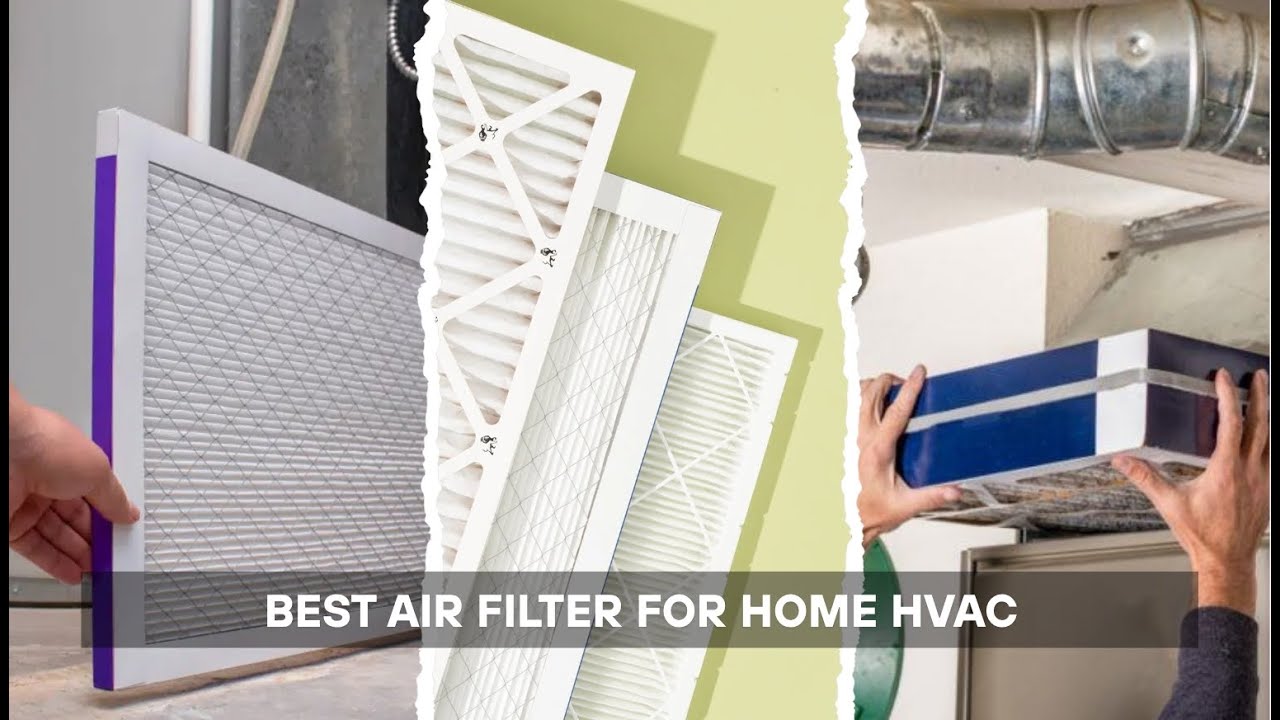
Air conditioner filters help clean the air inside your home. They trap dust, pollen, and other particles. Different types of filters work in different ways.
Choosing the right filter can improve your air quality and keep your AC running well. Here are some common types of air conditioner filters.
Fiberglass Filters
Fiberglass filters are the most basic type. They use layers of fiberglass fibers to catch large dust and dirt. These filters are cheap but need to be changed often. They do not clean the air very well.
Pleated Filters
Pleated filters have folded fabric that increases the surface area. They trap smaller particles than fiberglass filters. Pleated filters come in different sizes and thicknesses. They last longer and clean the air better.
Electrostatic Filters
Electrostatic filters use static electricity to catch dust and pollen. They can trap very small particles. These filters can be disposable or washable. They help improve indoor air quality.
- Use static charge to attract particles
- Work well for dust, smoke, and pollen
- Available in disposable and washable types
- Help reduce allergens in the home
Hepa Filters
HEPA filters are very strong and catch 99.97% of tiny particles. They trap dust, mold spores, and even bacteria. HEPA filters are often used in hospitals and clean rooms. They are more expensive but provide very clean air.
Washable Filters
Washable filters can be cleaned and reused. They save money over time. These filters trap dust and dirt but may not catch very small particles well. You must clean them regularly to keep them effective.
| Filter Type | Cost | Effectiveness | Reusable |
| Fiberglass | Low | Low | No |
| Pleated | Medium | Medium | No |
| Electrostatic | Medium | High | Yes/No |
| HEPA | High | Very High | No |
| Washable | Medium | Medium | Yes |
Credit: www.consumerreports.org
Factors To Consider When Choosing Filters
Choosing the right air conditioner filter can improve air quality and system efficiency. Filters come in many types and qualities.
Knowing what to look for helps you pick the best filter for your needs and budget.
Filter Efficiency Ratings
Filter efficiency shows how well a filter captures particles from the air. Higher ratings mean cleaner air.
Look for filters with a good MERV rating. MERV stands for Minimum Efficiency Reporting Value.
- MERV 1-4: Basic dust and pollen removal
- MERV 5-8: Better for home use, traps mold spores
- MERV 9-12: Captures smaller particles like pet dander
- MERV 13-16: High efficiency, good for allergies
Airflow Impact
Filters can affect how air flows through your system. Thick or dense filters may reduce airflow.
Choose filters that balance good air cleaning with smooth airflow to keep your air conditioner working well.
- High-efficiency filters may lower airflow if not compatible
- Check filter thickness and air resistance ratings
- Ask if your system supports high MERV filters
Filter Lifespan
Filter lifespan tells how long a filter works well before changing it. Some last one month, others several.
Longer lifespan filters save time but may cost more. Replace filters regularly to keep air quality high.
- Standard filters: change every 30 days
- Pleated filters: last 3 months or more
- Electrostatic filters: reusable with cleaning
Allergen And Dust Removal
Filters differ in removing allergens and dust from the air. Some trap very small particles, helping allergy sufferers.
Choose filters designed to capture pollen, dust mites, pet dander, and other common allergens for better home air.
- HEPA filters capture 99.97% of tiny particles
- Pleated filters trap more allergens than flat ones
- Electrostatic filters attract dust with static charge
Cost And Maintenance
Filter prices vary by type, size, and efficiency. Some cost more but last longer or clean better.
Consider how often you need to replace or clean filters. Regular upkeep keeps your system healthy and saves money over time.
- Basic filters are cheapest but change often
- High-efficiency filters cost more upfront
- Reusable filters need cleaning but last longer
- Factor in replacement costs and time
Top Air Conditioner Filter Brands
Choosing the right air conditioner filter helps keep your home clean and your system efficient. Many brands offer different types of filters with various features.
Here are some of the best air conditioner filter brands to consider for your needs.
3m Filtrete
3M Filtrete filters use electrostatic technology to trap particles. They come in various ratings for dust, pollen, and allergens. These filters fit most standard air conditioners and help improve indoor air quality.
Honeywell
Honeywell offers a wide range of air filters designed to capture dust, smoke, and pet dander. Their filters often feature reinforced frames for durability. Many models also focus on reducing odors and airborne bacteria.
Nordic Pure
Nordic Pure filters are known for their high efficiency and eco-friendly materials. They provide good filtration for allergens and dust mites. These filters come in many sizes and include options for washable and disposable types.
- HEPA and MERV rating options
- Hypoallergenic materials
- Recyclable packaging
- Custom sizes available
Aprilaire
Aprilaire filters focus on whole-house air quality. They offer high MERV ratings to capture tiny particles like smoke and bacteria. Their filters are designed for easy installation and long-lasting use.
| Feature | Aprilaire Filters |
| MERV Rating | Up to 16 |
| Filter Type | Electrostatic and Pleated |
| Typical Lifespan | 3 to 12 months |
| Use | Whole-house systems |
Flanders Precisionaire
Flanders PrecisionAire makes filters for commercial and residential use. They offer pleated filters with high dust-holding capacity. Their products focus on durability and consistent airflow.
Credit: www.youtube.com
Filter Ratings And What They Mean
Air conditioner filters help clean the air in your home. They catch dust, pollen, and other particles. Choosing the right filter is important for clean air and a healthy home.
Filters have ratings that show how well they work. These ratings help you pick the best filter for your needs. Understanding these ratings is key to making a good choice.
Merv Ratings Explained
MERV stands for Minimum Efficiency Reporting Value. It measures how well a filter traps particles. The higher the MERV number, the better the filter catches small particles.
MERV ratings range from 1 to 16. Lower ratings catch larger particles like dust and pollen. Higher ratings catch smaller particles like smoke and bacteria.
- MERV 1-4: Basic dust and lint capture
- MERV 5-8: Good for mold spores and pet dander
- MERV 9-12: Captures fine dust and some bacteria
- MERV 13-16: Filters very small particles, like smoke
Choosing The Right Merv Level
Choose a MERV level that fits your air quality needs. Higher MERV filters clean air better but can reduce airflow in some systems.
Check your air conditioner’s manual or ask a professional before using high MERV filters. Using the wrong filter can harm your system or lower efficiency.
- Use MERV 1-4 for simple dust control and low airflow restriction
- Use MERV 5-8 for better particle capture and moderate airflow
- Use MERV 9-12 if you want cleaner air and your system supports it
- Use MERV 13-16 only if your system can handle high airflow resistance
Benefits Of High-quality Filters
High-quality air conditioner filters help keep your home clean and comfortable. They block dust and other harmful particles from the air.
Using good filters improves your air conditioner’s performance and saves energy. It also protects your health by reducing allergens.
Improved Indoor Air Quality
High-quality filters trap tiny dust, pollen, and dirt from the air. This keeps the air inside your home fresh and clean.
Better air quality helps reduce breathing problems and makes your home more comfortable for everyone.
Energy Efficiency
Good filters let air flow smoothly through your AC system. This means the unit uses less energy to cool your home.
Lower energy use saves money on electricity bills and helps the environment.
Prolonged Ac Lifespan
High-quality filters protect the AC parts from dust and dirt buildup. This reduces wear and tear on the system.
Clean filters help your air conditioner last longer and need fewer repairs.
Reduced Allergens And Pollutants
Good filters remove allergens like pollen, pet dander, and mold spores from the air. This helps people with allergies breathe easier.
They also reduce harmful pollutants that can cause health problems over time.
Tips For Filter Maintenance
Air conditioner filters keep the air clean and help the system run well.
Taking care of filters saves money and improves air quality inside your home.
When To Replace Filters
Replace your air conditioner filter regularly to keep it working well.
- Check the filter every month during heavy use seasons.
- Replace it if it looks dirty or clogged.
- Follow the manufacturer’s recommended replacement schedule.
- Use a new filter if you have pets or allergies.
- Change filters more often in dusty or smoky areas.
Cleaning Washable Filters
Some filters can be washed and reused instead of replacing them.
Clean washable filters properly to avoid damage and keep them effective.
- Remove the filter carefully from the unit.
- Use a vacuum cleaner to remove loose dust and dirt.
- Rinse the filter with lukewarm water.
- Use mild soap if the filter is very dirty, then rinse again.
- Let the filter air dry completely before putting it back.
Proper Installation Techniques
Install the filter the right way to make sure your air conditioner works well.
| Installation Tip | Details |
| Check the arrow | Match the arrow on the filter with airflow direction. |
| Fit snugly | Make sure the filter fits tightly without gaps. |
| Clean filter slot | Remove dust and debris before installing the filter. |
| Secure filter | Use clips or brackets if your unit has them. |
| Do not force | Avoid bending or damaging the filter during installation. |
Credit: www.consumerreports.org
Frequently Asked Questions
What Types Of Air Conditioner Filters Work Best?
The best filters include HEPA, pleated, and electrostatic types. HEPA filters capture tiny particles, while pleated filters trap dust. Electrostatic filters attract pollutants using static electricity. Choose based on your air quality needs and budget for optimal performance.
How Often Should Air Conditioner Filters Be Replaced?
Replace filters every 1 to 3 months for typical use. Homes with pets or allergies may require more frequent changes. Regular replacement ensures better air quality and efficient AC performance, preventing dust buildup and system strain.
Can Washable Air Conditioner Filters Be Effective?
Yes, washable filters are eco-friendly and reusable. They capture large dust particles but may not trap fine allergens well. Clean them monthly for best results. Consider your air quality needs before choosing washable filters.
Do High Merv Ratings Improve Ac Filter Performance?
Higher MERV ratings mean better filtration of smaller particles. However, very high MERV filters can reduce airflow and strain your AC. Choose a MERV rating between 8 and 13 for balanced filtration and efficiency.
Conclusion
Choosing the best air conditioner filter helps keep your home air clean. Good filters catch dust, pollen, and other tiny particles. They also protect your AC unit from damage. Regular filter changes improve airflow and save energy. Clean air feels fresher and healthier to breathe.
Pay attention to filter types and their ratings. This small step can make a big difference in comfort. Your AC will work better and last longer too. Simple care means cleaner air and a happier home.