Are you tired of spending hours fishing without a single bite? Choosing the right fishing lure can change everything.
The best fishing lures not only attract more fish but also make your time on the water more exciting and successful. You’ll discover which lures work best for different types of fish and fishing conditions. By the end, you’ll be ready to pick the perfect lure that suits your style and boosts your catch rate.
Keep reading to unlock the secrets that can turn your next fishing trip into a real success.

Credit: mysterytacklebox.com
Types Of Fishing Lures
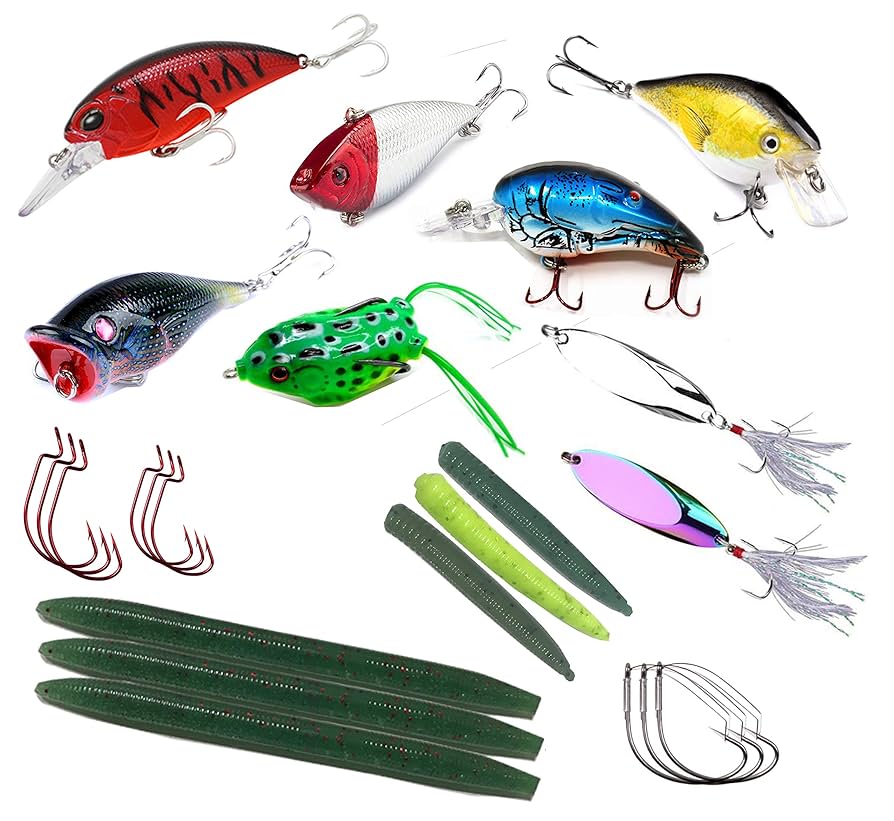
Fishing lures come in many shapes and sizes. Each type works best in different water and fish conditions.
Choosing the right lure can help you catch more fish. Here are some popular types of fishing lures.
Spinnerbaits
Spinnerbaits have one or more metal blades that spin. The spinning motion reflects light and creates vibrations in water.
These lures attract fish by mimicking small swimming prey. They work well in murky water and around weeds.
Crankbaits
Crankbaits are hard-bodied lures that dive and wobble when reeled in. They imitate injured baitfish swimming in water.
They come in many sizes and colors. Crankbaits are good for covering large areas quickly.
Jigs
Jigs have a weighted head and a hook with soft or feathered tails. Anglers use them with a vertical motion near the bottom.
Jigs are versatile. They can catch many types of fish in fresh and saltwater.
Soft Plastics
Soft plastic lures are made of flexible material. They look and feel like real worms, minnows, or crawfish.
Anglers rig them in many ways. Soft plastics work well in clear water and allow for natural movement.
Topwater Lures
Topwater lures float on the surface. They create splashes and noise to attract fish from below.
These lures are exciting because fish strike on the surface. Use them early morning or late evening for best results.

Credit: fishingbooker.com
Choosing The Right Lure
Picking the correct fishing lure helps catch more fish. Different lures work best for certain conditions and fish types.
Learn how to match your lure to the fish species, water, and season for better results.
Target Fish Species
Each fish species prefers certain lure shapes, colors, and sizes. Choose a lure that looks like the prey fish they eat.
- Bass often go for plastic worms and crankbaits
- Trout like small spinners and flies
- Pike prefer large, flashy lures
- Catfish respond well to scent baits and jigs
Water Conditions
Clear or murky water changes how fish see lures. Match lure color and size to water clarity and depth.
| Water Condition | Best Lure Color | Recommended Lure Type |
| Clear Water | Natural colors like silver, green | Small crankbaits, jigs |
| Murky Water | Bright colors like chartreuse, orange | Spinnerbaits, large soft plastics |
| Deep Water | Dark colors or glow-in-the-dark | Heavy jigs, deep-diving plugs |
Seasonal Considerations
Fish behavior changes by season. Adjust lure choice to match fish activity and water temperature.
Use this simple guide to pick seasonal lures:
- Spring:Use slow-moving lures like soft plastics.
- Summer:Use fast-moving lures such as topwater plugs.
- Fall:Use medium-speed crankbaits and spinnerbaits.
- Winter:Use small jigs or spoons with slow retrieves.
Top Lures For Freshwater Fishing
Choosing the right fishing lure can make your freshwater fishing more successful. Different fish prefer different lures. It is important to know which lures work best for each type of fish.
This guide covers the best lures for bass, trout, and panfish. Using the right lure will help you catch more fish and enjoy your time on the water.
Bass Lures
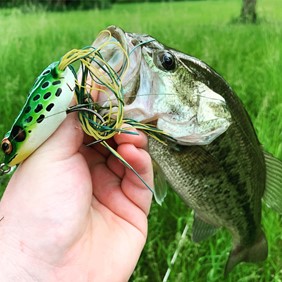
Bass are aggressive fish that respond well to many types of lures. They often strike at moving or noisy lures. Choosing the right bass lure depends on water conditions and bass behavior.
Popular bass lures include plastic worms, crankbaits, and spinnerbaits. These lures imitate prey that bass like to eat. Using these lures can attract bass in different water depths.
- Plastic worms for slow, natural movement
- Crankbaits for fast, erratic action
- Spinnerbaits for flash and vibration
- Jigs for bottom fishing and hiding spots
Trout Lures
Trout prefer smaller and more natural-looking lures. They often hunt insects and small fish. Using light lures can help catch trout in clear water.
Effective trout lures include spoons, small spinners, and flies. These lures mimic the trout’s natural food. Changing the lure size and color helps in different seasons.
- Spoons for shiny, fluttering movement
- Small spinners for flash and vibration
- Soft plastic grubs for slow movement
- Flies for insect imitation in fly fishing
Panfish Lures
Panfish like bluegill and crappie often go for small and colorful lures. These fish live near plants and structures. Using lures that are easy to cast and control works best.
Jigs, small spinners, and tiny crankbaits are top choices for panfish. Bright colors attract their attention. Using light lines helps in catching panfish easily.
- Small jigs with soft plastic tails
- Mini spinners with bright blades
- Tiny crankbaits for shallow water
- Live bait rigs with worms or minnows
Top Lures For Saltwater Fishing
Saltwater fishing needs the right lures to catch big fish. Different fish like different lures. Using the right lure can improve your catch rate.
This guide covers the best lures for redfish, snook, and tarpon. Each fish has lure types that work best in saltwater conditions.
Redfish Lures
Redfish often bite on lures that mimic small baitfish and crustaceans. Soft plastics and spoons are popular choices. Bright colors attract attention in murky water.
- Soft plastic shrimp imitations
- Gold or silver spoons
- Topwater plugs with a walking action
- Spinnerbaits with flashing blades
Snook Lures
Snook prefer fast-moving lures that imitate baitfish. Jigs and jerkbaits work well near mangroves and docks. Natural colors help lure shy snook.
| Lure Type | Best Color | Use Location |
| Jerkbaits | Silver, Pearl | Near Mangroves |
| Jigs | White, Chartreuse | Rocky Areas |
| Soft Plastics | Natural Brown | Dock Pilings |
Tarpon Lures
Tarpon like large, flashy lures that create vibrations. Surface plugs and large swimbaits attract their attention. Silver and blue colors mimic their prey.
Try these lures for tarpon:
- Large topwater plugs
- Heavy swimbaits
- Metal spoons with a wide wobble
Factors Influencing Lure Success
Choosing the right fishing lure is key to catching fish. Different factors affect how well a lure works.
Understanding these factors helps you pick the best lure for your fishing trip.
Lure Color
Color plays a big role in attracting fish. Fish see colors differently in water depending on light and depth.
Bright colors work well in clear water and sunny days. Dark colors are better in murky water or low light.
- Use bright colors like chartreuse or white in clear water
- Choose dark colors like black or brown in stained water
- Match the lure color to local baitfish for natural look
Lure Size
The size of a lure affects which fish will bite. Bigger lures attract bigger fish but need more effort to use.
Small lures work well for smaller fish or when fish are feeding on tiny prey.
- Use small lures for light tackle and shy fish
- Choose medium sizes for general fishing
- Pick large lures to target big predators
Retrieval Techniques
How you retrieve the lure changes its action in water. This can trigger a strike from fish.
Try different speeds and pauses. Some fish like fast movement, others react to slow or jerky action.
- Steady retrieve works for many lures and fish
- Twitch the rod tip to make the lure dart
- Pause during retrieve to imitate injured prey
- Vary your speed to find what triggers bites
Credit: n1outdoors.com
Tips For Storing And Maintaining Lures
Fishing lures are valuable tools that need care to last long. Keeping them clean and stored well helps catch more fish. This guide shares simple tips to maintain your lures.
Proper maintenance protects lures from damage and rust. It also keeps them ready for your next fishing trip.
Cleaning Lures
After fishing, clean lures to remove dirt, slime, and salt. These can damage the lure’s finish and hooks.
Use fresh water and a soft brush to clean lures gently. Avoid harsh chemicals that can harm the lure.
- Rinse lures with fresh water after use
- Use a soft toothbrush to scrub gently
- Dry lures fully before storing
- Check for any damage while cleaning
Storing Lures
Store lures in a dry, cool place to stop rust and fading. Use tackle boxes with compartments to keep lures organized.
Avoid mixing different types of lures together. This prevents hooks from tangling and paint from chipping.
- Use plastic or foam tackle boxes with dividers
- Keep lures separate to avoid damage
- Store in a dry, shaded area
- Check lures regularly for signs of rust
Replacing Hooks And Parts
Hooks and parts wear out over time. Replace rusty or bent hooks to keep lures effective and safe.
Use pliers to remove old hooks and attach new ones. Check split rings and swivels for damage and replace if needed.
- Inspect hooks for rust or bends
- Use split ring pliers to change hooks
- Replace damaged split rings and swivels
- Match new parts to the lure size and type
Frequently Asked Questions
What Are The Most Effective Fishing Lures For Beginners?
Soft plastic worms and spinnerbaits are great for beginners. They are easy to use and attract various fish species. These lures mimic natural prey, increasing your chances of a catch. Beginners benefit from their versatility in different water conditions.
How To Choose The Best Fishing Lure For Freshwater?
Select lures based on fish species and water clarity. Crankbaits and jigs work well in freshwater. Bright colors attract fish in clear water, while darker colors suit murky water. Always match lure size to local baitfish for better results.
Which Fishing Lures Work Best In Saltwater?
Topwater plugs, spoons, and soft plastics excel in saltwater. These lures imitate baitfish and crustaceans common in oceans. Durable materials resist corrosion, making them ideal for saltwater environments. Using the right lure increases your saltwater catch rate.
When Should I Use Topwater Fishing Lures?
Use topwater lures during low light or calm water. Early morning and late evening are prime times. These lures create surface disturbances that attract aggressive fish. They are effective for species like bass and pike.
Conclusion
Choosing the best fishing lure depends on your fishing spot and target fish. Different lures work well in different water and weather. Try a few types to see what attracts the fish most. Keep your tackle box ready with a variety of lures.
This way, you can adjust quickly and catch more fish. Remember, patience and practice help improve your fishing skills. Enjoy the time outdoors and the thrill of every catch. Fishing becomes more fun with the right lures and a good plan.