If you love trout fishing, you know that choosing the right lure can make all the difference between a great catch and an empty hook. But with so many options out there, how do you pick the best lures for trout fishing?
You want something that will grab the trout’s attention quickly and keep them biting. You’ll discover the top lures that work every time, helping you catch more trout and enjoy your fishing trips even more. Ready to boost your success on the water?
Let’s dive in and find out which lures you should have in your tackle box.
Top Trout Lure Types
Choosing the right lure helps catch more trout. Different lures work best in different waters.
Here are some popular trout lures you should know about.
Spinners And Spoons
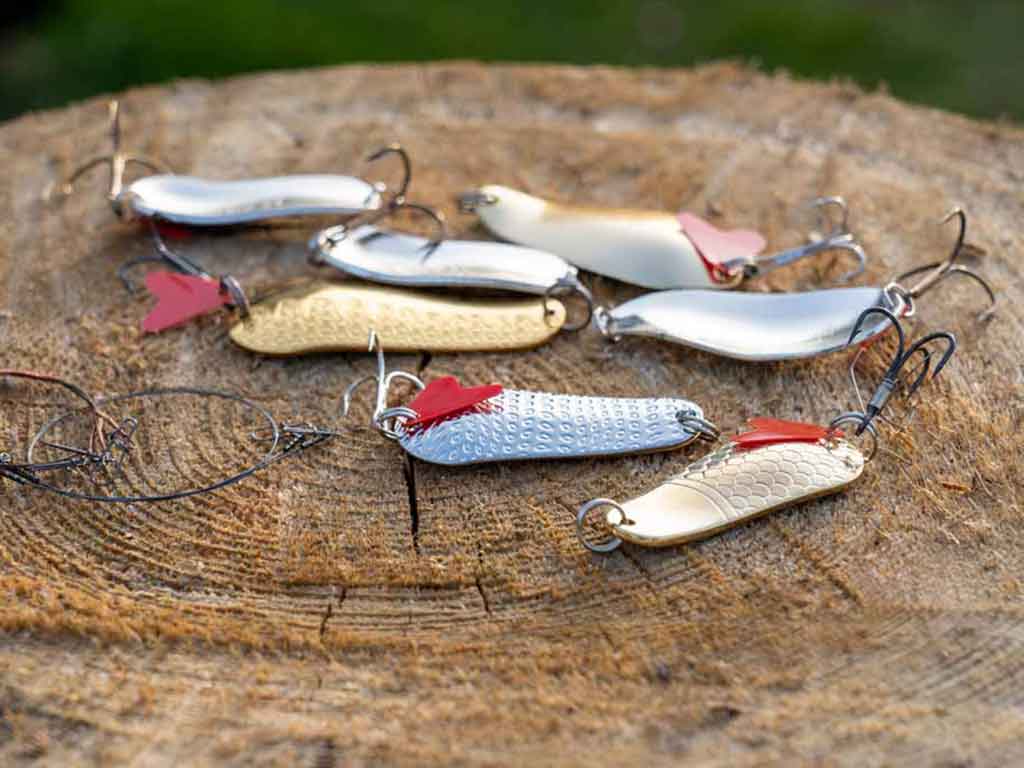
Spinners and spoons create flash and vibration in the water. Trout see and feel these signals easily.
They work well in rivers and lakes with clear or slightly murky water. Use slow or medium retrieval speeds.
- Spinners have a spinning blade that flashes light
- Spoons wobble and flash as they move
- Both mimic small fish or insects
Soft Plastics
Soft plastics look like worms, grubs, or small fish. They have a lifelike feel that attracts trout.
Use soft plastics on light tackle with slow pulls. They work well in calm water and near the bottom.
- Soft and flexible material
- Can be rigged on hooks or jig heads
- Come in many shapes and colors
Crankbaits
Crankbaits are hard lures that dive and wobble in the water. They copy small fish movements.
They work best in deeper water or near structures. Use steady or stop-and-go retrieval to attract trout.
- Made of hard plastic or wood
- Have a lip to dive underwater
- Come in many sizes and colors
Flies And Streamers
Flies and streamers are small lures that look like insects or tiny fish. They are used in fly fishing.
Trout often feed on insects, so these lures can be very effective. Use light line and gentle casts for best results.
- Flies imitate insects on or near water surface
- Streamers mimic small fish or leeches
- Use different patterns for seasons and water conditions

Credit: fishingbooker.com
Selecting Lures By Water Conditions
Choosing the right lure is key to catching trout. Water conditions affect which lure works best.
Clear water lets trout see well. Murky water makes it harder for fish to spot lures. Currents also change lure action.
Clear Water Choices
In clear water, trout can see your lure easily. Use natural colors and subtle designs. Small spoons, spinners, and flies work well.
- Use silver or gold spoons
- Choose natural colored spinners
- Try dry or wet flies matching local insects
- Use small, light lures to avoid spooking fish
Murky Water Options
In murky water, trout rely more on vibrations and bright colors. Use lures that make noise or flash to attract attention.
| Lure Type | Color | Action |
| Spinnerbaits | Chartreuse, Orange | Vibrates and flashes |
| Crankbaits | Bright Red, Yellow | Wobbles with noise |
| Jigs | Fluorescent Colors | Bottom movement with vibration |
Fast Vs Slow Currents
Fast currents need heavier lures to stay near the bottom. Slow currents let you use lighter lures with gentle action.
Here is a quick guide:
- Fast Currents:Use heavy spoons, weighted spinners, or jigs.
- Slow Currents:Use light spinners, small flies, or soft plastics.
- Adjust retrieve speedto match current strength.
Color And Size Tips
Choosing the right lure color and size can improve your trout fishing success. Trout react differently to colors and sizes depending on water conditions and time of day.
Understanding these factors helps you pick lures that attract trout more effectively. Below are tips on matching hatch colors, size, and day versus night colors.
Matching Hatch Colors
Trout feed on insects they find in their environment. Matching the lure color to the local insect hatch increases your chances of catching trout. Use natural colors like brown, green, and olive to mimic common insects.
- Observe the insects on or near the water
- Choose lure colors that look like those insects
- Use lighter colors for clear water and darker for murky water
- Change colors as the hatch changes throughout the day
Size Matters
Trout prefer different lure sizes based on their feeding habits and water conditions. Smaller lures often work better in clear water, while larger ones attract attention in rough water.
| Water Condition | Recommended Lure Size | Reason |
|---|---|---|
| Clear water | Small (1-2 inches) | Trout can see well and prefer natural size |
| Murky water | Medium to large (2-3 inches) | Larger size helps trout locate lure |
| Fast-moving water | Medium (1.5-2.5 inches) | Size balances visibility and control |
| Calm water | Small to medium (1-2 inches) | Trout feed carefully and notice detail |
Day Vs Night Colors
Trout react differently to colors depending on light levels. Bright colors work well during the day. Dark or glowing colors attract trout at night.
- Yellow
- Orange
- Chartreuse
- Natural earth tones
- Black
- Dark blue
- Glow-in-the-dark
- Fluorescent colors

Credit: www.lurenet.com
Seasonal Lure Strategies
Choosing the right lure for trout changes with the seasons. Water temperature and trout behavior affect lure success.
Using seasonal lure strategies helps you catch more trout year-round. Each season needs different lures and techniques.
Spring Selections
In spring, trout become active after winter. They feed aggressively to regain strength. Bright and flashy lures work well.
Use small spinners and spoons that mimic insects and small fish. Trout respond to movement and shine in clear spring water.
- Inline spinners in silver or gold
- Small spoons with bright colors
- Soft plastic grubs in natural colors
Summer Picks
Trout slow down in summer heat. They stay deep or near shade. Use lures that sink slowly or float near cover.
Try using larger, natural-colored lures. Trout look for easy meals during hot days. Imitate crayfish or baitfish for success.
- Jigs with soft plastics
- Crayfish imitation lures
- Floating poppers near shaded areas
Fall Favorites
Fall trout feed heavily before winter. They chase fast lures and big meals. Use bright colors and fast retrieves.
Spoons and crankbaits that mimic baitfish work well. Try flashy lures that move quickly through the water.
- Bright spoons with silver or chartreuse
- Crankbaits with rattles
- Spinnerbaits with extra flash
Winter Approaches
In winter, trout eat less and move slowly. Use small, slow-moving lures. Focus on natural colors and subtle actions.
Try small jigs or soft plastics fished near the bottom. Patience and slow retrieves bring better results.
- Tiny jigs in brown or olive
- Soft plastics with slow twitches
- Small spoons with gentle action
Tips For Effective Trout Fishing
Choosing the right lure is key to catching trout. Knowing how to fish smart helps you catch more fish.
This guide covers how to use lures well, where to find trout, and what gear works best.
Retrieval Techniques
How you retrieve your lure can attract trout or scare them away. Try different speeds and pauses.
- Use a slow, steady retrieve in cold water.
- Try a fast, erratic retrieve in warm water.
- Pause your lure to mimic injured prey.
- Vary the depth by changing your line length.
- Use short jerks to create splashes and movement.
Location Insights
Trout like cool, clear water with lots of oxygen. Look near structures and shaded areas.
| Location | Why It Works | Best Lure Type |
|---|---|---|
| Under Logs | Provides shelter and shade | Small spinners |
| Near Rocks | Hides insects and prey | Soft plastic baits |
| In Pools | Slower water holds fish | Floating spoons |
| Along Banks | Access to insects and food | Crankbaits |
Tackle And Gear
Light gear gives better lure action and helps feel bites. Use lines that match water conditions.
- Choose a light rod for better control.
- Use 4-6 pound test line in clear water.
- Pick lures that match local baitfish size.
- Keep extra hooks and split rings in your kit.
- Use polarized sunglasses to spot fish easier.

Credit: www.thefisherman.com
Frequently Asked Questions
What Are The Top Lures For Trout Fishing?
Top trout lures include spinners, spoons, soft plastics, and crankbaits. These imitate natural prey and attract trout effectively.
How To Choose The Best Lure For Trout?
Choose lures based on water clarity, weather, and trout behavior. Bright lures work well in murky water, natural colors suit clear water.
Which Lure Colors Work Best For Trout?
Natural colors like brown, green, and silver work best in clear water. Bright colors like chartreuse and orange attract trout in murky water.
When Should I Use Live Bait Versus Artificial Lures?
Use live bait in cold water or low light for better results. Artificial lures are effective during warmer months and clearer water conditions.
Conclusion
Choosing the right lure makes trout fishing more fun and successful. Small spoons and spinners often attract many trout. Bright colors can help in murky water. Soft plastic baits work well in calm lakes. Try different lures to see what trout prefer that day.
Remember, patience and practice improve your fishing skills. Enjoy the time outdoors and the thrill of the catch. Trout fishing offers great moments for all skill levels. Keep your gear ready and happy fishing!