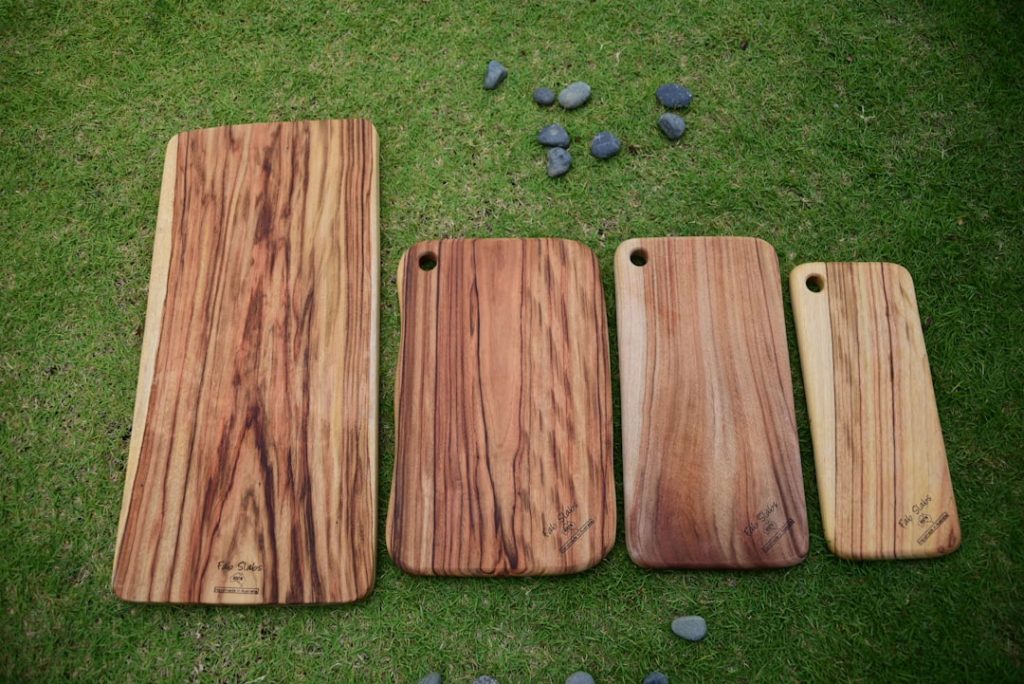
Choosing the right wood for your cutting board can make a big difference in your kitchen. You want a board that’s durable, easy on your knives, and safe for food.
But with so many types of wood out there, how do you know which one is best for you? You’ll discover the top woods that combine strength, beauty, and hygiene. By the end, you’ll be ready to pick the perfect cutting board that fits your cooking style and keeps your kitchen looking great.
Keep reading to find out what makes these woods stand out and why they matter for your daily meal prep.
Top Wood Choices
Choosing the right wood for a cutting board is important. The wood should be strong and safe for food use.
Different woods have different qualities. Some are harder, others resist water better.
Hard Maple
Hard maple is a popular choice for cutting boards. It is strong and has a fine texture.
This wood resists cuts and scratches well. It also does not absorb much water, making it hygienic.
Walnut
Walnut has a rich, dark color that looks attractive. It is a durable wood for cutting boards.
Walnut is gentle on knives and does not dull them quickly. It also resists moisture well.
Cherry
Cherry wood has a warm reddish tone. It is moderately hard and smooth.
This wood develops a beautiful patina over time. It is safe and suitable for food contact.
Teak
Teak is known for its natural oils. These oils make it very water-resistant.
This wood is strong and lasts a long time. It is a good choice for wet kitchen use.
Bamboo
Bamboo is not actually wood but a grass. It is eco-friendly and grows quickly.
Bamboo cutting boards are hard and resist stains. They are lightweight and easy to clean.
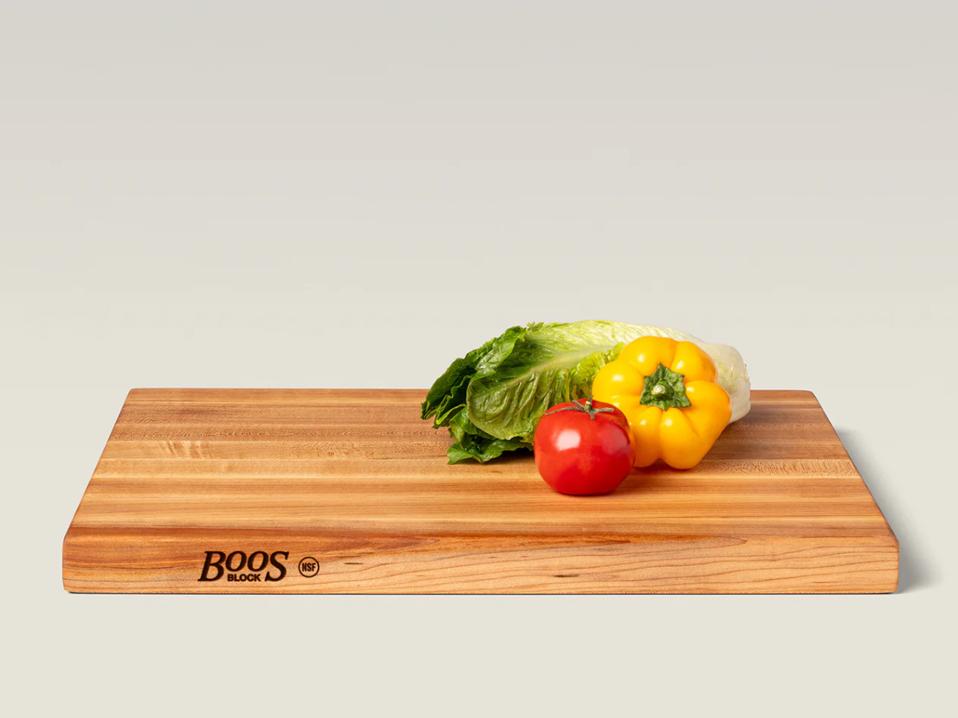
Credit: www.forbes.com
Durability Factors
Choosing the best wood for cutting boards depends on how durable it is. Durability means the board lasts long and stays safe to use.
This durability comes from several factors. These include the wood’s hardness, its ability to resist moisture, and how well it handles scratches and stains.
Hardness And Density
Hardness shows how strong the wood is against dents and cuts. Density means how heavy and compact the wood fibers are. Higher density usually means better durability.
Hard woods like maple, walnut, and cherry are common choices. They resist deep cuts and keep their shape well over time.
Resistance To Moisture
Cutting boards face water often. Wood that soaks up less water resists warping and cracking. This keeps the board safe and strong.
- Teak has natural oils that protect it from water.
- Maple is tight-grained and absorbs less moisture.
- Walnut also offers good moisture resistance.
Scratch And Stain Resistance
Some woods handle scratches and stains better than others. A good cutting board should not get deep marks easily or hold stains.
| Wood Type | Scratch Resistance | Stain Resistance |
| Maple | High | Moderate |
| Walnut | Moderate | High |
| Cherry | Moderate | Moderate |
| Teak | High | High |
Wood Grain And Maintenance
Choosing the right wood for cutting boards affects durability and care. Wood grain type impacts how the board holds up over time. Proper maintenance keeps your board safe and looking good.
Understanding wood grain and maintenance helps you pick the best cutting board wood. This guide covers grain types, cleaning tips, and conditioning methods.
Closed Vs Open Grain Woods
Closed grain woods have tight fibers and fewer pores. They resist moisture better and are easier to clean. Open grain woods have larger pores and can trap food particles.
| Wood Type | Grain Type | Maintenance Ease | Common Examples |
| Maple | Closed grain | Easy | Hard Maple, Sugar Maple |
| Walnut | Closed grain | Easy | Black Walnut |
| Oak | Open grain | Harder | Red Oak, White Oak |
| Teak | Open grain | Moderate | Teak wood |
Cleaning Tips
- Wash your cutting board with warm, soapy water after use.
- Rinse well and dry it immediately with a clean towel.
- Do not soak the board in water or put it in the dishwasher.
- Use a mixture of vinegar and water to sanitize the surface.
- Sprinkle coarse salt and rub with lemon to remove stains and odors.
Oiling And Conditioning
Oiling keeps wood from drying and cracking. Use food-safe mineral oil or beeswax-based conditioners. Apply oil evenly and let it soak in overnight. Wipe off excess oil before use.
- Apply oil once a month or when the board looks dry.
- Condition open grain woods more often to fill pores.
- Use separate oils for cutting boards only.
- Regular oiling extends the life of your board.

Credit: www.amazon.com
Safety And Hygiene
Choosing the right wood for cutting boards is important for safety and hygiene. Some woods are better at stopping bacteria and are safer for food.
Using safe woods helps keep your kitchen clean and protects your health while preparing food.
Antibacterial Properties
Some woods naturally fight bacteria. This helps keep your cutting board cleaner after use.
Hardwoods like maple and walnut have tight grains. These grains stop bacteria from hiding in the wood.
- Maple is dense and resists bacteria well.
- Walnut has natural oils that reduce germs.
- Cherry wood also has good antibacterial qualities.
Avoiding Toxins
Some woods can release harmful chemicals. Always pick woods safe for food contact.
Avoid woods treated with chemicals or softwoods like pine. These can have toxins or be too soft for cutting.
- Use untreated hardwoods for safety.
- Check if the wood is approved for food use.
- Stay away from softwoods and painted woods.
Proper Usage Practices
How you use and clean your cutting board affects safety. Proper care keeps it hygienic.
Clean boards well after use. Dry them completely to stop bacteria growth.
- Wash with hot, soapy water after each use.
- Dry boards fully before storing.
- Use separate boards for meat and vegetables.
- Oil wooden boards regularly to prevent cracking.
Wood Sustainability
Choosing the right wood for cutting boards matters for the planet. Wood sustainability means using wood that is grown and harvested responsibly.
Sustainable wood helps keep forests healthy and supports wildlife. It also reduces waste and pollution during production.
Eco-friendly Options
Some woods grow faster and use fewer resources. These woods are better for the environment.
Bamboo is a popular eco-friendly choice. It grows quickly and can be harvested without cutting down trees.
- Maple is a hardwood that is widely available and durable.
- Beech grows quickly and is easy to find sustainably.
- Bamboo is technically a grass but very strong for cutting boards.
Certified Woods
Look for wood certified by groups like FSC or PEFC. These certificates show the wood comes from well-managed forests.
Certified woods help protect forest ecosystems and support fair labor practices.
- FSC (Forest Stewardship Council) ensures responsible forest management.
- PEFC (Programme for the Endorsement of Forest Certification) promotes sustainable forest use.
- Certification helps buyers make smart, eco-friendly choices.
Longevity And Waste Reduction
Choosing durable woods means cutting boards last longer. This reduces the need to replace them often.
Less frequent replacement means less waste and lower demand for new wood.
- Hardwoods like maple and walnut resist cuts and scratches.
- Proper care extends the life of your cutting board.
- Long-lasting boards help reduce overall wood use and waste.

Credit: oggnhome.com
Frequently Asked Questions
What Is The Best Wood For Cutting Boards?
Maple is the best wood for cutting boards. It is durable, has a tight grain, and is gentle on knives. Maple’s natural resistance to bacteria makes it a top choice for kitchens. Its light color also provides a neutral background, reducing the appearance of stains.
Why Is Maple Preferred For Cutting Boards?
Maple is preferred due to its durability and tight grain. It is gentle on knives and resists bacteria. Its light color is aesthetically pleasing and reduces visible stains. Maple’s natural properties make it a popular choice among both home cooks and professional chefs.
Is Bamboo A Good Material For Cutting Boards?
Yes, bamboo is a good cutting board material. It is environmentally friendly and renewable. Bamboo is harder than most woods, making it durable. However, its hardness can be tough on knives. Regular oiling helps maintain bamboo cutting boards, preventing them from drying out.
How Does Walnut Compare To Other Woods?
Walnut is softer than maple but still durable. It offers a rich, dark appearance that some prefer. Its softness is gentle on knives, reducing blade wear. Walnut’s natural grain pattern hides scratches well. However, regular maintenance is needed to prevent drying and cracking.
Conclusion
Choosing the right wood makes your cutting board last longer. Hardwoods like maple and walnut resist cuts and bacteria well. Soft woods may wear out quickly and absorb moisture. A good cutting board stays safe and easy to clean. Think about durability, grain, and how it feels in your hand.
This helps you find the best wood for your kitchen needs. A quality board makes cooking more enjoyable and safer. Keep your cutting board clean and dry to protect it. Good wood means better meals and less worry.