Are you ready to catch more fish but unsure which fishing rod is right for you? Choosing the perfect fishing rod can make all the difference between a frustrating day on the water and an exciting, successful catch.
In this guide, you’ll discover the different types of fishing rods and how each one suits various fishing styles and environments. By the end, you’ll feel confident picking the rod that matches your needs and boosts your fishing game. Keep reading to find out which rod fits you best!
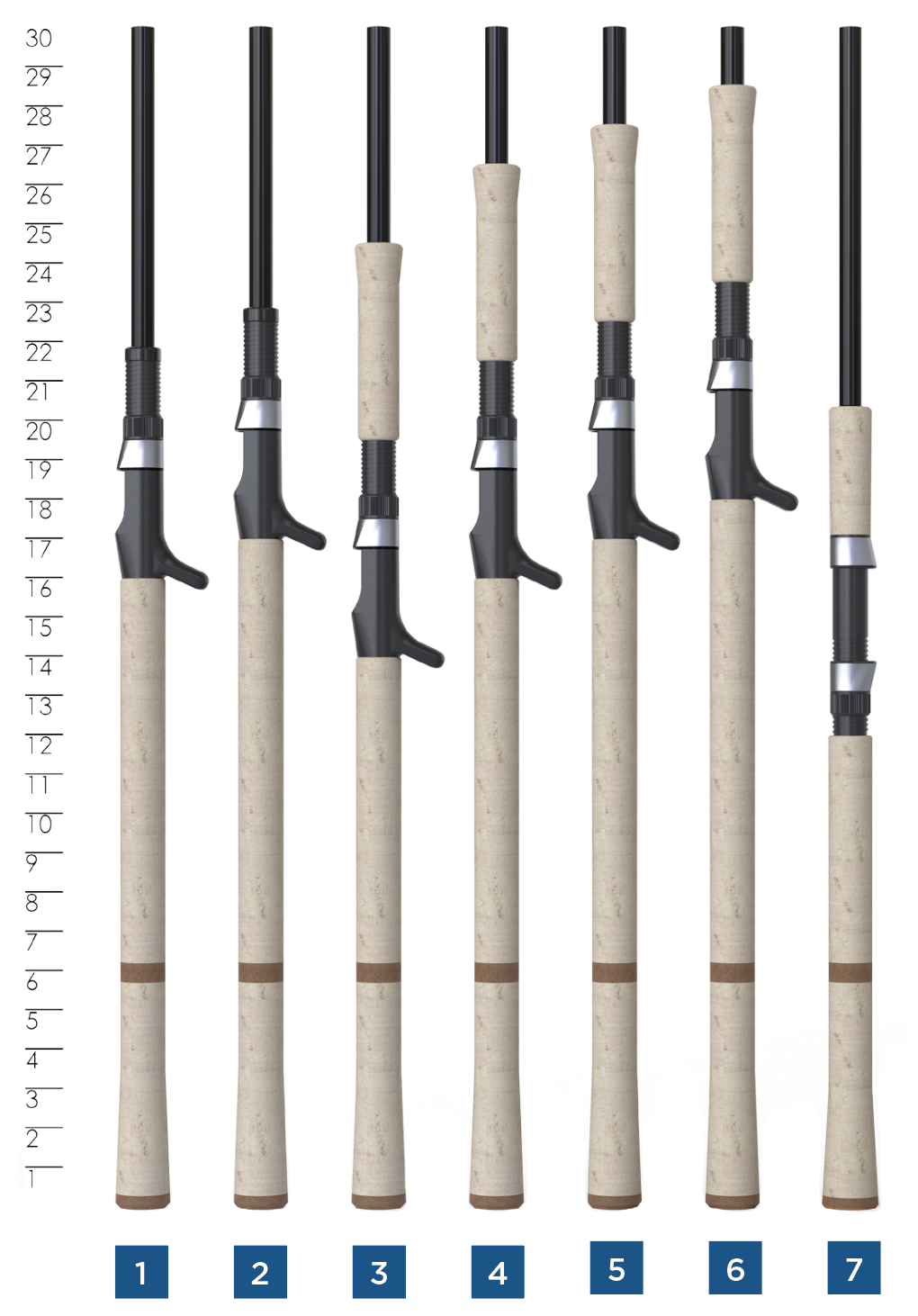
Credit: stcroixrods.com
Spinning Rods
Spinning rods are popular fishing rods. They have guides on the underside of the rod. The reel hangs below the rod handle.
These rods work well with spinning reels. They are easy to use and fit many fishing styles.
Features And Uses
Spinning rods have flexible tips. This helps to cast light lures far. They suit freshwater and light saltwater fishing.
- Designed for spinning reels
- Good for casting light baits
- Flexible and sensitive tip
- Used for catching small to medium fish
- Works well in rivers, lakes, and shore fishing
Best For Beginners
Spinning rods are easy to handle. Beginners learn casting faster with these rods. They reduce line tangles and backlashes.
- Simple to cast and control
- Good for many fishing types
- Lightweight and balanced
- Affordable for new anglers
- Works with many lure types
Popular Brands
| Brand | Known For | Price Range |
| Shimano | Durable rods with smooth action | Medium to High |
| Ugly Stik | Strong and affordable rods | Low to Medium |
| Fenwick | Light and sensitive rods | Medium |
| St. Croix | High-quality, professional rods | High |
| Okuma | Good balance of quality and price | Low to Medium |

Credit: www.meltontackle.com
Casting Rods
Casting rods are a popular type of fishing rod. They are made for precise and long-distance casting.
Anglers use casting rods to catch different fish in many water types. These rods offer control and power.
Design And Benefits
Casting rods have a trigger grip handle for better control. They usually have guides on top of the rod.
These rods are strong but light. They help anglers cast accurately over long distances.
- Trigger grip for steady hold
- Guides placed on top for smooth line flow
- Lightweight design reduces arm fatigue
- Strong enough for bigger fish
Techniques For Casting
Anglers use a smooth, controlled motion to cast with these rods. The trigger grip helps aim the cast.
Proper timing when releasing the line is important. This timing controls distance and accuracy.
- Hold the rod with the trigger grip
- Bring the rod back smoothly
- Move the rod forward with steady speed
- Release the line at the right moment
Ideal Conditions
Casting rods work well in lakes, rivers, and ponds. They are good for fishing from the shore or a boat.
These rods are best when you need to cast far or place the bait in a specific spot.
- Clear weather with little wind
- Open areas without many obstacles
- Fishing spots far from the shore
- Water with active fish near the surface
Fly Rods
Fly rods are special fishing rods used in fly fishing. They are different from regular rods because of their design and use.
These rods help anglers cast lightweight flies to catch fish in rivers, lakes, and streams.
Specialized Construction
Fly rods are made to be light and flexible. They bend easily to help cast the fly line smoothly.
- Usually made from graphite or fiberglass
- Longer than many other rods, often 7 to 10 feet
- Designed with a thin tip for delicate casting
- Have guides spaced to control the fly line
- Handle shapes vary, but cork is common for comfort
Fly Fishing Basics
Fly fishing uses artificial flies to attract fish. The fly rod helps cast these flies using the weight of the line.
The angler moves the rod back and forth to send the fly line out over the water. This method is different from bait fishing.
| Term | Meaning |
| Fly Line | Weighted line that helps cast the fly |
| Leader | Thin, clear line attached to the fly line |
| Fly | Artificial lure that looks like insects |
| Cast | Action of throwing the fly into the water |
Choosing The Right Fly Rod
Pick a fly rod based on the type of fish and water you will fish. Different rods suit different needs.
- Length: Longer rods cast farther but need more space
- Weight: Match rod weight to fly line weight for balance
- Action: Fast action rods bend near the tip, slow action bend more
- Material: Graphite rods are light; fiberglass rods are more flexible
- Handle: Choose a comfortable grip for long fishing trips
Telescopic Rods
Telescopic rods are fishing rods that collapse down to a short length. They extend by sliding sections out like a telescope. This design makes them easy to carry and store.
These rods are popular for anglers who need a portable and convenient fishing tool. They come in many sizes and materials to fit different fishing styles.
Portability Advantages
Telescopic rods are very easy to carry. Their compact size fits into backpacks and small bags. This makes them perfect for travel and hiking trips.
- Collapses to a small size for easy transport
- Lightweight design reduces carrying effort
- Fits in tight spaces like car trunks or airplane luggage
- Quick to set up and pack away
Durability Concerns
Telescopic rods have more moving parts than fixed rods. These parts can wear out or break if not handled carefully. Some models use weaker materials to stay light.
| Issue | Cause | Effect |
| Joint Weakness | Sliding sections may loosen | Rod may collapse during use |
| Material Fatigue | Thin materials for light weight | Rod can crack or break |
| Water and Dirt Build-up | Gaps between sections | Sections stick or jam |
When To Use
Telescopic rods work well for fishing trips where space is limited. They suit casual fishing and travel anglers. They are not best for very heavy fishing or big fish.
- Fishing in remote areas requiring hiking
- Traveling by plane or public transport
- Light freshwater fishing for small to medium fish
- Quick fishing sessions where setup time is short
Ice Fishing Rods
Ice fishing rods are designed for fishing through holes in frozen lakes. They are shorter and stronger than regular rods.
These rods help anglers catch fish in very cold weather and tight spaces on ice.
Short Length Features
Ice fishing rods are usually 24 to 36 inches long. This short length helps control the line near the ice hole.
The short size also makes it easier to handle fish in small spaces on the ice.
- Easy to use in tight spots
- Better control of the fishing line
- Less chance of breaking under pressure
Handling Cold Weather
Ice fishing rods use materials that stay strong in cold weather. They resist cracking and freezing.
Many rods have comfortable grips that keep hands warm and dry while fishing.
- Cold-resistant rod materials
- Non-slip, warm grips
- Durable under ice conditions
Top Picks
Some popular ice fishing rods are known for their strength and ease of use. They fit many fishing styles.
Here are some top choices for ice fishing rods:
- Spinning rods with sensitive tips
- Telescopic rods for easy transport
- Rods with insulated handles
Surf Rods
Surf rods are fishing rods made for fishing from the shore. They help anglers cast their lines far into the ocean.
These rods are strong and long to handle big fish and rough water. They are popular among saltwater fishermen.
Long Casting Range
Surf rods are designed to cast bait or lures very far. This helps reach fish that swim far from the shore.
The length of surf rods usually ranges from 10 to 15 feet. Longer rods give better casting distance.
- Long rods allow powerful casting
- Distance helps avoid shore obstacles
- Better reach to deep waters
Materials And Strength
Surf rods need to be strong and durable. They face saltwater, wind, and heavy fish.
Common materials include fiberglass and graphite. Fiberglass is strong and flexible. Graphite is light and sensitive.
- Fiberglass offers durability and strength
- Graphite provides light weight and feel
- Many rods combine both for balance
- Corrosion-resistant parts help last longer
Best Practices
Using a surf rod well means casting smoothly and handling fish carefully. Good technique protects the rod and line.
Check the rod and reel after each use. Clean off salt and sand to avoid damage. Use the right line strength for your target fish.
- Cast with a smooth, steady motion
- Use strong, corrosion-resistant reels
- Clean rod and reel after fishing
- Match line strength to fish size
- Store rods in a dry place
Trolling Rods
Trolling rods are designed for fishing while moving the boat slowly. They help catch big fish by dragging lures or bait behind the boat. These rods are strong and built to handle heavy lines and big catches.
They come in different lengths and powers to match the type of fish and water conditions. Using the right trolling rod improves your chances of a good catch on the water.
Strength And Flexibility
Trolling rods need a balance of strength and flexibility. Strong rods handle big fish without breaking. Flexible rods absorb the fight and prevent the line from snapping.
- Power: Medium-heavy to heavy for big fish
- Action: Moderate to fast for good hook setting
- Length: Usually 6 to 8 feet for better control
- Material: Graphite or fiberglass for durability and flexibility
Boat Fishing Tips
Using trolling rods on a boat requires some special tips. Keep your lines organized to avoid tangles. Use rod holders to keep rods steady and hands free.
| Tip | Reason |
| Use a rod holder | Keeps rod steady and reduces fatigue |
| Check line tension | Prevents loose lines and missed bites |
| Watch boat speed | Too fast or slow affects lure action |
| Choose the right lure | Matches target fish behavior |
Maintenance Guide
Keep trolling rods in good shape by cleaning them after every trip. Saltwater can cause damage if not washed off. Check guides and reel seats for wear.
- Rinse rod with fresh water
- Dry completely before storage
- Inspect guides for cracks or rust
- Tighten reel seats and handle grips
- Store rods in a cool, dry place
Choosing The Right Rod
Choosing the right fishing rod is key to a good fishing experience. The right rod makes casting easier and catches more fish.
Many types of rods fit different fishing styles. Pick a rod that matches your needs for the best results.
Matching Rod To Fish Species
Different fish need different rods. Small fish need light rods. Big fish need strong rods.
Using the right rod helps control the fish and avoid breaking the line.
- Light rods work well for trout and panfish
- Medium rods fit bass and walleye fishing
- Heavy rods suit big fish like catfish and pike
Considering Rod Length And Power
Rod length affects casting distance and control. Short rods give better control but less distance. Long rods cast far but are harder to control.
Power means how strong the rod is. Match power to the fish size and fishing style.
- Light power rods are flexible for small fish
- Medium power rods balance strength and flexibility
- Heavy power rods handle large fish and tough conditions
Budget And Quality
Fishing rods come in many prices. A higher price often means better materials and durability.
Choose a rod that fits your budget but lasts long. Look for good reviews and solid build quality.
- Low-cost rods are good for beginners and casual use
- Mid-range rods offer better performance and durability
- High-end rods suit serious anglers and frequent use

Credit: fishingkayakpro.com
Frequently Asked Questions
What Are The Main Types Of Fishing Rods?
The main types include spinning rods, casting rods, fly rods, and trolling rods. Each suits different fishing styles and environments.
How Do Spinning Rods Differ From Casting Rods?
Spinning rods use open-faced reels and are easier for beginners. Casting rods have trigger grips and offer more control for experienced anglers.
Which Fishing Rod Is Best For Beginners?
Spinning rods are best for beginners due to their ease of use and versatility in various fishing conditions.
What Is A Fly Fishing Rod Used For?
Fly rods are designed for fly fishing, using lightweight lines and artificial flies to catch fish in freshwater streams.
Conclusion
Exploring fishing rods reveals their unique uses and benefits. Each type serves a purpose. Choose based on fishing style and target species. Beginners might prefer spinning rods. Advanced anglers often choose fly rods for precision. Match the rod with your fishing environment.
Lake, river, or sea fishing needs different tools. Understanding these differences improves your fishing experience. Enjoyment increases with the right gear. Start with basic knowledge and grow your skills. Fishing becomes more rewarding with the proper rod. Happy fishing adventures await you!