Have you ever wondered if your hot water heating system is really the best choice for your home? While it might keep you warm on chilly days, there are some hidden drawbacks you need to know about.
Understanding these disadvantages can help you make smarter decisions for your comfort and your wallet. Keep reading to discover what you might be missing—and how it could affect your daily life.
High Installation Costs
Hot water heating systems can be expensive to install. The high cost often stops some people from choosing this system.
These costs come from several parts of the installation process. Two main reasons are the price of materials and labor, and the system’s design complexity.
Expense Of Materials And Labor
The materials needed for hot water heating systems are costly. Pipes, boilers, pumps, and radiators add up fast.
Labor costs are also high. Skilled workers must install the system carefully to avoid leaks and problems.
- Quality pipes and fittings increase price
- Boilers and pumps are expensive parts
- Expert labor costs more than general labor
- Installation takes more time than simpler systems
Complexity Of System Design
Hot water heating systems have complex designs. The layout must ensure even heat distribution in all rooms.
This complexity makes installation harder. It takes more planning, tools, and skill to set up the system correctly.
- System must match building size and shape
- Proper pipe routing needs careful planning
- Boiler size must fit heating needs
- Controls and valves add to design difficulty

Credit: calldeans.com
Slow Heat Response
Hot water heating systems take time to heat up. This delay can affect how quickly a room becomes warm. Understanding this slow heat response helps in knowing the system’s limits.
The slow heat response is a key disadvantage. It impacts how comfortable a space feels during cold times. Let’s look at the details.
Time To Warm Up
Hot water systems need time to heat water and move it through pipes. This process can take 20 to 30 minutes or longer. During this time, rooms stay cold.
- The boiler heats the water slowly.
- Warm water flows through radiators or pipes.
- Heat spreads gradually in each room.
- It takes time for all rooms to reach a comfortable level.
Impact On Comfort Levels
| Comfort Factor | Effect of Slow Heat Response |
| Initial Warmth | Delayed; room stays cold longer |
| Temperature Control | Hard to adjust quickly |
| Energy Use | May waste energy running longer to heat up |
| User Satisfaction | Lower during cold mornings or sudden weather changes |
Maintenance Challenges
Hot water heating systems need regular care to work well. Without proper upkeep, they can cause problems.
Understanding maintenance challenges helps you keep the system safe and efficient.
Regular Inspection Needs
These systems require frequent checks to spot issues early. Inspections help avoid big repairs later.
- Check for leaks in pipes and valves.
- Inspect the boiler for rust or damage.
- Test pressure gauges and safety valves.
- Clean sediment buildup in the system.
- Monitor thermostat and control settings.
Common Repair Issues
Repairs can be frequent and costly. Some parts wear out faster and need fixing or replacing.
| Problem | Cause | Effect |
| Leaking Pipes | Corrosion or loose joints | Water damage and heat loss |
| Boiler Failure | Old age or lack of cleaning | No heat or water circulation |
| Pressure Drop | Faulty valves or leaks | System shuts down for safety |
| Thermostat Fault | Wiring or sensor issues | Incorrect temperature control |

Credit: www.familyhandyman.com
Energy Efficiency Concerns
Hot water heating systems use energy to heat water. This energy use can sometimes be wasteful. It is important to understand where energy losses happen.
Energy efficiency means using less energy to get the same heat. Some parts of hot water heating systems lose heat, which lowers efficiency.
Heat Loss In Pipes
Heat escapes from pipes carrying hot water. This loss happens because pipes are often not well insulated. The heat loss makes the system work harder.
Cold areas or long pipe runs increase heat loss. Insulating pipes can reduce this problem but does not stop it fully.
- Uninsulated pipes lose heat quickly
- Heat loss causes more energy use
- Insulation can lower but not remove losses
- Long pipe routes increase energy waste
Comparison With Other Systems
Hot water heating systems use more energy than some modern options. Electric heat pumps and forced air systems often save more energy.
Other systems also warm rooms faster. Hot water systems take longer and lose heat during delivery. This lowers their overall energy efficiency.
| System Type | Energy Efficiency | Heat Loss |
|---|---|---|
| Hot Water Heating | Medium | High (pipes lose heat) |
| Electric Heat Pumps | High | Low (no pipes) |
| Forced Air Heating | Medium-High | Medium (ducts lose heat) |
Space Requirements
Hot water heating systems need enough space for their parts. This can be a problem in small homes.
The space needed affects where you can put the system and how rooms look.
Boiler Size And Placement
Boilers in hot water systems are often large. They need a special place for safe use and maintenance.
- Boilers take up floor or wall space in basements or utility rooms.
- They need clear space around them for repairs.
- Placement can limit room layout options.
- In small homes, finding room for a boiler can be hard.
Radiator And Piping Space
Radiators and pipes spread heat but use extra space inside rooms and walls.
| Component | Space Needed | Impact |
| Radiators | Wall or floor area | Limits furniture placement |
| Piping | Inside walls and floors | Needs space for installation and access |
| Expansion Tanks | Near boiler or ceiling | Requires extra room above or beside boiler |
Potential Safety Risks
Hot water heating systems use heat and pressure to warm a home. These systems can cause safety risks if they are not maintained well.
Understanding these risks helps homeowners prevent accidents and damage. Below are two main safety concerns.
Risk Of Leaks And Burns
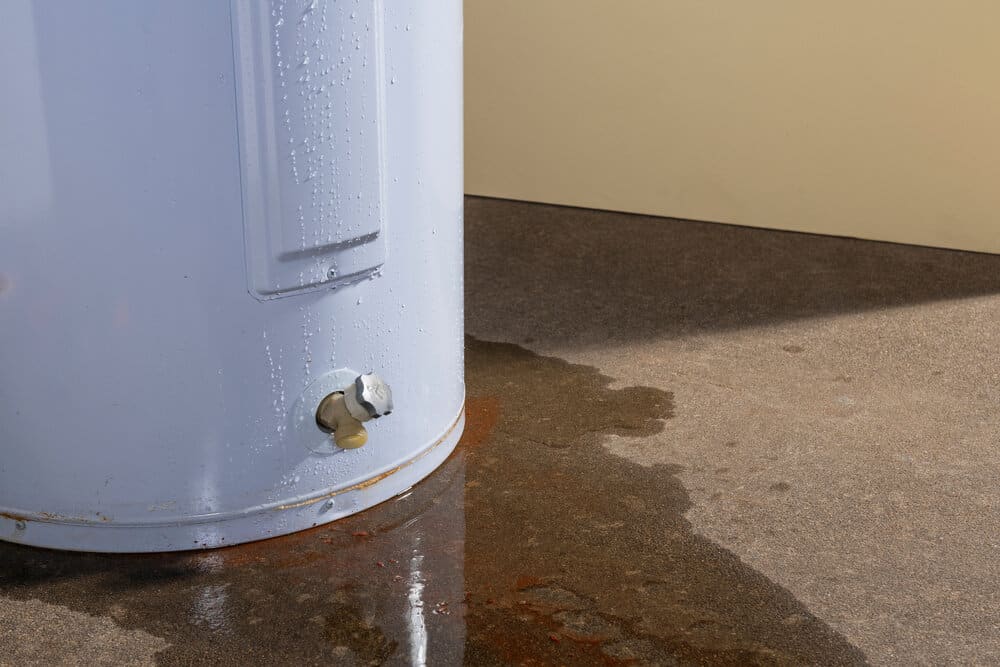
Hot water systems can develop leaks from pipes or tanks. Leaks can cause water damage and create slippery floors. Hot water leaks also pose a burn risk.
- Leaks may cause mold growth in walls and floors.
- Hot water can cause serious skin burns.
- Damaged pipes may lead to flooding inside the home.
- Leaks reduce system efficiency and increase repair costs.
Pressure-related Hazards
Hot water heating systems operate under pressure. If pressure builds up too much, it can cause parts to fail or burst.
| Pressure Hazard | Possible Consequence | Safety Measure |
|---|---|---|
| Overpressure in tank | Tank rupture or explosion | Install pressure relief valves |
| Faulty pressure gauge | Incorrect pressure readings | Regular inspection and replacement |
| Blocked or damaged valves | Pressure buildup inside pipes | Routine maintenance and cleaning |
Limited Zoning Flexibility
Hot water heating systems use a single loop to heat multiple rooms. This setup limits how you control temperatures in different spaces.
Because the same hot water flows through all radiators, adjusting heat in one room affects others. This can cause uneven heating.
Difficulty In Room-by-room Control
Hot water systems often lack individual thermostats for each room. This makes it hard to set different temperatures in different rooms.
Rooms closer to the boiler tend to get more heat. Rooms farther away may stay cooler, even if you want more warmth there.
- Single thermostat controls many rooms
- Rooms heat unevenly depending on pipe layout
- No easy way to lower heat in just one room
Energy Waste Issues
Because hot water heats all connected rooms, energy can be wasted in empty or unused spaces. You pay to heat rooms no one uses.
This system runs longer to keep all rooms warm. It uses more fuel and costs more money over time.
- Heat flows to unused rooms
- Boiler runs longer than needed
- Higher fuel and electricity bills
Credit: fischerheating.com
Frequently Asked Questions
What Are The Costs Of Hot Water Heating Systems?
Hot water heating systems can be expensive to install and maintain. The initial setup cost is often high, and regular maintenance is required. This includes checking for leaks and ensuring the system operates efficiently. Additionally, energy costs can be significant, especially in larger homes or colder climates.
Are Hot Water Heating Systems Energy Efficient?
Hot water heating systems can be less energy efficient compared to modern alternatives. They often lose heat through pipes, requiring more energy to maintain temperatures. Insulation can help, but these systems generally consume more energy than systems like heat pumps, which can lead to higher energy bills.
Do Hot Water Systems Require Regular Maintenance?
Yes, regular maintenance is crucial for hot water systems. They need periodic inspections to prevent leaks and ensure efficiency. Over time, sediment can build up, affecting performance. Professional servicing can help extend the system’s life, but it adds to the ongoing costs of owning such a system.
Can Hot Water Heating Systems Be Noisy?
Hot water heating systems can sometimes be noisy, especially if there’s air trapped in the pipes. Radiators and pipes may also make banging or clicking sounds. Regular bleeding of radiators and system checks can help reduce noise, but it may not eliminate it entirely.
Conclusion
Hot water heating systems have some clear drawbacks to consider. They can be costly to install and maintain. Leaks may cause water damage and reduce efficiency. These systems take time to heat up a room. They also need regular checks to avoid problems.
Noise from pumps and pipes can disturb some people. Choosing the right heating system depends on your needs and budget. Knowing these disadvantages helps you make a smart choice. Think about what matters most before deciding.