
Have you ever wondered what the mirrors on your car are really called? You see them every day, but do you know their true names and why each one matters?
These mirrors are more than just glass—they help keep you safe and aware on the road. Understanding what they are and how they work can change the way you drive. Keep reading to discover the names of your car’s mirrors and why they play a crucial role in your daily drive.

Credit: autos.yahoo.com
Types Of Car Mirrors
Car mirrors help drivers see areas around the vehicle. They improve safety and make driving easier.
There are different types of mirrors on cars. Each type serves a specific purpose.
Rearview Mirror
The rearview mirror is inside the car at the top center of the windshield. It shows the area behind the car. Drivers use it to watch traffic and see when to change lanes or stop.
Side Mirrors
Side mirrors are on the left and right doors. They show the sides of the car and traffic behind. They help drivers park and change lanes safely.
- Left side mirror shows the left side view.
- Right side mirror shows the right side view.
- Some side mirrors can be adjusted electronically.
- They often have a heating feature to clear fog.
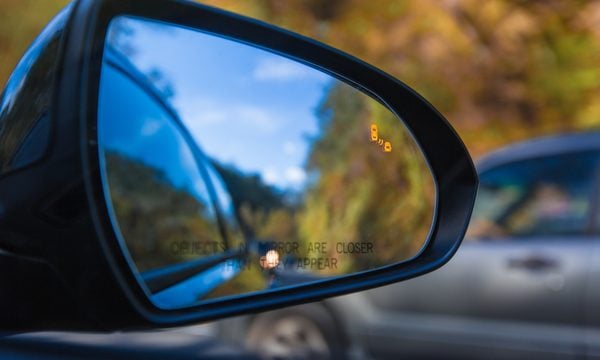
Blind Spot Mirrors
Blind spot mirrors are small mirrors added to side mirrors. They show areas that normal mirrors miss. These spots are called blind spots. They help prevent accidents when changing lanes.
| Type | Purpose | Location |
|---|---|---|
| Flat Blind Spot Mirror | Shows a direct view of the blind spot | Attached to side mirrors |
| Convex Blind Spot Mirror | Shows a wider area for better visibility | Attached to side mirrors |
| Adjustable Blind Spot Mirror | Can be moved to cover specific blind spots | Attached to side mirrors |
Interior Mirrors
Interior mirrors include the main rearview mirror and other smaller mirrors inside the car. Some cars have mirrors on sun visors for driver and passenger use. Interior mirrors help with visibility inside and outside the car.
Additional interior mirrors:
- Vanity mirrors on sun visors
- Wide-angle mirrors for rear passenger views
- Cabin surveillance mirrors in larger vehicles
Functions Of Each Mirror
Mirrors in a car help drivers see areas around the vehicle. They improve safety by showing what is behind and beside the car.
Each mirror has a special role. Knowing their functions helps drivers use them correctly and avoid accidents.
Rearview Mirror Uses
The rearview mirror is inside the car, usually at the top center of the windshield. It shows the driver what is behind the car on the road.
It helps with:
- Checking traffic behind
- Watching for emergency vehicles
- Backing up safely
- Changing lanes smoothly
Side Mirror Roles
Side mirrors are on the left and right outside of the car. They show the sides and parts of the road behind the car.
| Side Mirror | Main Function | Additional Use |
| Left Mirror | View left side traffic | Helps in left turns |
| Right Mirror | View right side traffic | Helps in right turns and lane changes |
Blind Spot Mirror Benefits
Blind spot mirrors are small mirrors added to side mirrors. They show areas not visible in regular mirrors.
- Help detect cars in blind spots
- Reduce chances of side collisions
- Make lane changes safer
- Provide extra wide-angle view
Mirror Materials And Designs
Car mirrors help drivers see what is behind and beside the vehicle. They come in many materials and designs. These affect how well the mirrors work and how long they last.
Understanding the different types of glass, coatings, and shapes can help you know why car mirrors look and perform the way they do.
Glass Types
Car mirrors use special glass to give clear and safe reflections. Most mirrors have flat glass for true images. Some side mirrors use curved glass to show wider views.
Curved glass can be convex, which makes objects look smaller but shows more area. Flat glass shows objects in real size but covers less space.
- Flat glass: shows true image size
- Convex glass: shows wider view, objects look smaller
- Aspheric glass: combines flat and convex for better vision
Coatings And Treatments
Coatings protect mirror glass and improve how well drivers see. Some mirrors have anti-glare coatings to reduce bright light from headlights. Others have heating layers to stop fog and ice.
Special treatments can also make mirrors stronger and easier to clean. These features keep the mirror clear in bad weather and at night.
- Anti-glare coating: reduces headlight glare
- Heated coating: melts ice and fog
- Hydrophobic treatment: repels water for clear view
- Scratch-resistant layer: protects glass surface
Shape And Size Variations
Car mirrors come in many shapes and sizes to fit different needs. Rearview mirrors inside cars are usually rectangular and small. Side mirrors are bigger and shaped for wide angles.
Some mirrors have curved edges to reduce blind spots. Others are designed to fold in to avoid damage when parked. Size and shape help drivers see well and keep the car safe.
- Rectangular mirrors: common for rearview
- Oval or round mirrors: reduce blind spots
- Large side mirrors: increase field of view
- Folding mirrors: protect from damage when parked

Credit: m.youtube.com
Adjusting And Positioning Mirrors
Car mirrors help drivers see areas behind and beside the vehicle. Proper adjustment of these mirrors is important for safe driving.
There are different types of mirrors in a car. Knowing how to position them reduces blind spots and improves road awareness.
Manual Adjustment Tips
Some cars have mirrors you adjust by hand. To adjust, sit in the driver’s seat and reach out to the mirror.
Move the mirror slowly until you see the side of your car and the road behind. Adjust both side mirrors this way.
- Lean your head to the left to adjust the left mirror
- Lean your head to the right to adjust the right mirror
- Make sure you can see the edge of your car in the mirror
Power Mirror Controls
Many modern cars have power mirrors. Use buttons or a joystick inside the car to move these mirrors.
Turn on the ignition to activate the controls. Select the mirror you want to adjust and use the control to position it.
- Select left or right mirror using the switch
- Use directional buttons to move the mirror up, down, left, or right
- Adjust until you have a clear view of the road and car side
Reducing Blind Spots
Blind spots are areas you cannot see in your mirrors. Adjust mirrors to lower these blind spots for safer driving.
Side mirrors should show a small part of your car and a wide view of the lanes next to you. This helps you see cars in blind spots.
- Adjust side mirrors slightly outward
- Check blind spots by turning your head before changing lanes
- Use rearview mirror to see traffic behind
- Consider installing blind spot mirrors if needed
Safety Features In Modern Mirrors
Car mirrors help drivers see what is behind and beside their vehicles. Modern mirrors have many safety features. These features make driving safer and easier.
These mirrors reduce accidents by improving visibility and awareness. They also help drivers react faster to road conditions.
Auto-dimming Mirrors
Auto-dimming mirrors reduce glare from headlights behind you. They use sensors to detect bright lights at night. The mirror darkens automatically to protect your eyes.
This feature helps prevent temporary blindness from strong lights. It makes night driving safer and more comfortable.
Heated Mirrors
Heated mirrors keep the mirror surface clear in cold weather. They melt ice, snow, and fog quickly. This keeps your view clear and safe.
Heated mirrors improve visibility during winter. They save time by removing frost without manual cleaning.
Integrated Turn Signals
Some mirrors have turn signals built into them. These lights flash when you signal a turn or lane change. They alert other drivers to your moves.
Integrated signals increase safety by making your intentions clearer. They add extra visibility from the side of the car.
Credit: www.nerdwallet.com
Legal Requirements For Car Mirrors
Car mirrors help drivers see areas around their vehicles that are not in their direct view. Laws control what types of mirrors cars must have. These rules help keep roads safe for everyone.
Different regions have different rules about car mirrors. These rules cover what mirrors are needed, where they must be placed, and how to keep them in good condition.
Mirror Regulations By Region
| Region | Required Mirrors | Notes |
| United States | Rearview and left side mirror | Right side mirror needed if visibility is blocked |
| European Union | Rearview and both side mirrors | Mirrors must reduce blind spots |
| United Kingdom | Rearview and both side mirrors | Additional mirrors allowed for larger vehicles |
| Australia | Rearview and both side mirrors | Mirrors must meet safety standards |
Mandatory Mirror Types
Cars must have certain types of mirrors to meet the law. These mirrors help drivers see behind and to the sides of their cars. The main mirror types required include:
- Rearview mirror inside the car
- Left side (driver’s side) mirror
- Right side (passenger’s side) mirror, if rearview is blocked
- Additional mirrors for special vehicles or conditions
Inspection And Maintenance
Car mirrors must be kept clean and undamaged. Regular checks ensure mirrors work well. Broken or missing mirrors can lead to fines or failed vehicle inspections.
- Clean mirrors regularly for clear vision
- Replace cracked or broken mirrors immediately
- Adjust mirrors before driving to reduce blind spots
- Check mirror mounts to keep them secure
Upgrading And Replacing Car Mirrors
Car mirrors help drivers see areas behind and beside the vehicle. They improve safety and awareness on the road. Upgrading or replacing these mirrors can enhance your driving experience.
This guide covers choosing aftermarket mirrors, installation tips, and cost considerations. It will help you make smart decisions about your car mirrors.
Choosing Aftermarket Mirrors
Aftermarket mirrors offer options that may not be available from the car maker. You can find mirrors with better designs, added features, or improved durability. It is important to pick the right type for your vehicle.
- Check mirror size and shape compatibility with your car.
- Look for features like heating, power adjustment, or blind spot detection.
- Choose materials that resist weather damage.
- Consider style and color to match your vehicle.
- Read reviews to assess quality and reliability.
Installation Tips
Installing car mirrors requires care to avoid damage and ensure safety. Some mirrors are easy to install, while others may need professional help.
| Tip | Details |
| Gather Tools | Have screwdrivers, pliers, and cleaning cloth ready. |
| Disconnect Battery | Prevent electrical issues if mirrors have power features. |
| Remove Old Mirror | Follow car manual instructions carefully. |
| Clean Mounting Area | Remove dirt and debris for better fit. |
| Attach New Mirror | Secure screws and check alignment. |
| Test Functions | Check power, heating, and indicators if available. |
Cost Considerations
Costs vary depending on mirror type, features, and installation. Knowing these factors helps plan your budget.
Typical cost factors include:
- Basic manual mirrors: $20 to $50
- Power-adjustable mirrors: $50 to $150
- Heated or signal mirrors: $100 to $300
- Professional installation: $50 to $100
DIY installation can save money but requires skills and tools.
Frequently Asked Questions
What Are The Mirrors Inside A Car Called?
The mirrors inside a car are commonly referred to as rearview mirrors. They provide a clear view of the area behind the vehicle. These mirrors are essential for safe driving and help in monitoring traffic. They are usually mounted on the windshield or ceiling.
What Are The Side Mirrors On A Car Called?
The side mirrors on a car are known as wing mirrors or side-view mirrors. They are located on the exterior of the vehicle. These mirrors help drivers see areas beside and slightly behind the car. They are crucial for safe lane changes and parking.
How Often Should You Adjust Car Mirrors?
Adjust car mirrors every time before driving a different vehicle. Ensure they provide a clear view of the road. Properly adjusted mirrors reduce blind spots and enhance safety. Regular adjustments ensure optimal visibility and prevent accidents.
Why Are Car Mirrors Important For Driving?
Car mirrors are vital for safe driving. They help monitor traffic and surroundings. Proper use of mirrors reduces blind spots and assists in safe lane changes. They ensure better awareness of other vehicles on the road, enhancing overall safety.
Conclusion
Car mirrors help drivers see what is behind and beside them. Side mirrors show traffic on both sides of the car. The rearview mirror gives a clear view of the road behind. These mirrors improve safety and help avoid accidents.
Adjust them before you start driving. Remember to check all mirrors often while on the road. Knowing the names and uses of these mirrors makes driving easier. Safe driving depends on good mirror use every time. Keep your mirrors clean and properly set for the best view.