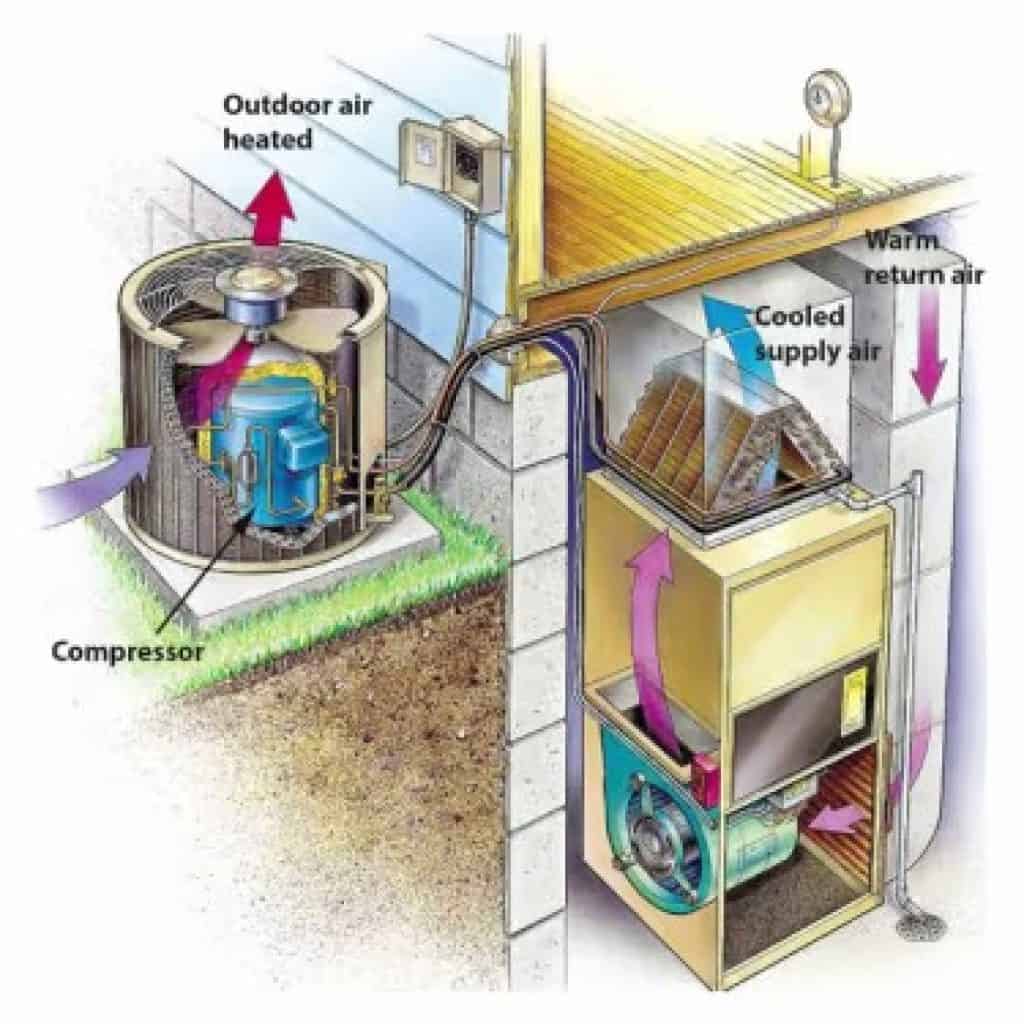
Have you ever wondered what makes your air conditioner keep your room cool and comfortable? Understanding the parts of an air conditioner can help you take better care of your device and even spot problems early.
Whether you want to save money on repairs or just learn how your AC works, this guide will walk you through the key components inside your unit. Keep reading to discover what’s behind the cool breeze you enjoy every day.
Main Air Conditioner Components
An air conditioner has several parts that work together to cool your home. Each part has a special job to keep the air fresh and cold.
Understanding these main components helps you know how your AC works and when it needs maintenance.
Compressor
The compressor is the heart of the air conditioner. It pumps the refrigerant through the system.
This part raises the pressure of the refrigerant gas and moves it to the condenser.
Condenser Coil
The condenser coil is outside the house. It cools down the hot refrigerant gas from the compressor.
The gas changes into a liquid as it releases heat to the outside air.
Evaporator Coil
The evaporator coil is inside the house. It absorbs heat from the indoor air.
The refrigerant inside the coil turns from liquid to gas while cooling the air.
Expansion Valve
The expansion valve controls the flow of refrigerant into the evaporator coil. It lowers the pressure of the liquid refrigerant.
This drop in pressure helps the refrigerant cool quickly and absorb heat from the air.
Air Filter
The air filter cleans the air before it passes through the evaporator coil. It traps dust and dirt particles.
Keeping the filter clean helps the AC work better and improves indoor air quality.
Blower Fan
The blower fan moves air over the evaporator coil and into your home. It helps spread the cooled air evenly.
This fan also pulls warm air from the rooms back to the AC to be cooled again.
Thermostat
The thermostat controls the air conditioner’s temperature. It tells the AC when to turn on or off.
You can set the thermostat to keep your home at the temperature you want.

Credit: www.appliancefactoryparts.com
Compressor Role And Types
The compressor is the heart of an air conditioner. It moves refrigerant through the system.
This part increases the pressure of the refrigerant gas. It helps cool your home efficiently.
Compressor Role
The compressor pumps refrigerant from the evaporator to the condenser. It changes low-pressure gas to high-pressure gas.
This action raises the refrigerant’s temperature. The hot gas then releases heat outside your house.
Types Of Compressors
- Reciprocating Compressor:Uses pistons to compress refrigerant. It is common in small to medium AC units.
- Scroll Compressor:Moves refrigerant with two spiral disks. It is quieter and more efficient.
- Rotary Compressor:Compresses refrigerant using a rotating drum. It is compact and good for small systems.
- Screw Compressor:Uses two screws to compress refrigerant. It handles large cooling loads in big buildings.
| Compressor Type | Key Feature | Common Use |
| Reciprocating | Piston movement | Small to medium AC units |
| Scroll | Spiral disks | Residential and commercial AC |
| Rotary | Rotating drum | Compact, small systems |
| Screw | Two screws | Large commercial buildings |
Function Of The Condenser Coil
The condenser coil is a key part of an air conditioner. It helps remove heat from inside your home. This keeps the air cool and comfortable.
The coil works with other parts to change hot gas into a cool liquid. This process is important for cooling the air.
Heat Release Process
The condenser coil releases heat from the refrigerant. It takes hot gas from the compressor and cools it down. This changes the gas into a liquid.
The heat moves from the refrigerant to the outside air. This is why the coil is usually outside the house.
Structure Of The Condenser Coil
The coil is made of many thin tubes. These tubes are surrounded by metal fins. The fins help spread the heat quickly.
- Thin copper or aluminum tubes carry refrigerant
- Metal fins increase surface area
- Fans blow air over the fins
- Heat moves from refrigerant to air
Role In Air Conditioner Efficiency
A clean and well-maintained condenser coil improves cooling. Dirt and dust on the coil reduce its ability to release heat. This makes the air conditioner work harder.
| Condition | Effect on Cooling |
| Clean Coil | Good heat transfer and efficient cooling |
| Dirty Coil | Poor heat transfer and higher energy use |
Evaporator Coil Purpose
The evaporator coil is a key part of an air conditioner. It helps cool down the warm air inside your home. This coil works by absorbing heat from the air.
The evaporator coil is usually found inside the indoor unit of the air conditioner. It plays a major role in making the air feel cool and comfortable.
How The Evaporator Coil Works
The coil contains cold refrigerant. Warm air from your room passes over the coil. The refrigerant absorbs heat from the air. This cools the air before it goes back into the room.
- Warm air enters the indoor unit.
- Air passes over the cold evaporator coil.
- The coil absorbs heat from the air.
- Cooled air is blown back into the room.
Importance Of The Evaporator Coil
The evaporator coil keeps your home cool and dry. It removes heat and moisture from the air. This helps reduce humidity inside your room.
| Function | Effect on Air |
|---|---|
| Heat Absorption | Air temperature lowers |
| Moisture Removal | Air becomes less humid |
| Air Circulation | Cool air moves through room |
Signs Of A Dirty Evaporator Coil
A dirty coil lowers cooling performance. Dust and dirt block heat transfer. This makes the air conditioner work harder and use more energy.
- Air feels less cool
- Higher electricity bills
- Air conditioner runs longer
- Strange odors from indoor unit
Expansion Valve Importance
The expansion valve is a key part of an air conditioner. It controls the flow of refrigerant inside the system.
This valve helps keep the air conditioner working efficiently and cooling the air well.
Regulates Refrigerant Flow
The expansion valve controls how much refrigerant moves from the high-pressure side to the low-pressure side.
This control is important to keep the right pressure and temperature in the system.
Cools The Air Efficiently
By reducing the pressure of the refrigerant, the valve makes the refrigerant cooler.
This cooler refrigerant helps absorb heat from the air inside your home.
Protects The Compressor
The expansion valve prevents liquid refrigerant from reaching the compressor.
This protection stops damage and keeps the compressor running longer.
Maintains System Balance
The valve balances the cooling cycle by matching refrigerant flow to the cooling load.
This balance saves energy and keeps the air conditioner working well.
Air Filters And Their Impact
Air filters are important parts of an air conditioner. They clean the air by trapping dust and dirt. This helps keep the air fresh and healthy.
Clean air filters also help the air conditioner work well. Dirty filters can cause problems and make the system use more energy.
Purpose Of Air Filters
Air filters catch dust, pollen, and other small particles. They stop these particles from entering the air conditioner. This protects the system and the air you breathe.
Types Of Air Filters
- Fiberglass filters: Cheap and disposable, but less effective
- Pleated filters: Better at trapping small particles
- HEPA filters: Very efficient for clean air
- Electrostatic filters: Use static electricity to catch dust
Impact On Air Conditioner Performance
| Filter Condition | Effect on Air Conditioner |
| Clean Filter | Good airflow, efficient cooling, lower energy use |
| Dirty Filter | Blocked airflow, system strain, higher energy use |
| Clogged Filter | Overheating, possible damage, frequent repairs |
Maintaining Air Filters
Regular cleaning or replacement keeps filters working well. This helps the air conditioner last longer and saves energy. Always check filters every month during use.
Tips for Filter Care:
- Turn off the unit before cleaning the filter
- Use a vacuum or rinse with water if washable
- Replace disposable filters on time
- Keep the area around the unit clean
Thermostat Functions
The thermostat is a key part of an air conditioner. It controls the temperature inside a room. It tells the air conditioner when to turn on or off.
Understanding the thermostat helps to use the air conditioner more efficiently. It keeps the room comfortable and saves energy.
Temperature Sensing
The thermostat senses the room temperature. It uses a sensor to detect heat levels. When the temperature rises above the set point, it signals the air conditioner to cool the room.
Control Signals
The thermostat sends control signals to the air conditioner. These signals tell the unit to start or stop cooling. It helps maintain the desired temperature without manual effort.
User Interface
The thermostat has an interface for users. This can be a dial, buttons, or a touchscreen. Users set their preferred temperature here. The thermostat then keeps the room at this temperature.
Energy Saving Features
Many thermostats include energy-saving features. These reduce power use while keeping comfort. Some models learn user habits or adjust settings automatically.
- Automatic shut-off when room is cool
- Adjusting temperature during night or away times
- Scheduling cooling periods
- Remote control through apps
Types Of Thermostats
| Type | Description |
| Mechanical | Uses a bimetallic strip to sense temperature |
| Digital | Uses electronic sensors and displays temperature |
| Smart | Connects to Wi-Fi and can be controlled remotely |
Fans And Blowers Explained
Fans and blowers are key parts of an air conditioner. They move air through the system. This helps cool your room effectively.
Both fans and blowers work to circulate air, but they do it in different ways. Understanding these parts can help you maintain your air conditioner better.
What Is A Fan?
A fan is a simple device with blades that spin to move air. It pulls warm air from your room and pushes it over the cooling coils. This cools the air before it goes back into the room.
What Is A Blower?
A blower is similar to a fan but it uses a different design. It has a drum shape and spins to push air through narrow spaces. This makes blowers more powerful for moving air inside the air conditioner.
Differences Between Fans And Blowers
- Design:Fans have open blades; blowers have enclosed drums.
- Airflow:Fans move air in a wide path; blowers push air in a focused stream.
- Power:Blowers usually move air faster and with more pressure.
- Use:Fans cool rooms; blowers help move air inside the AC unit.
How Fans And Blowers Work Together
Fans and blowers work as a team in air conditioners. The blower forces air across the cooling coils. Then the fan spreads the cooled air into the room. This cycle keeps your room comfortable.
| Part | Function | Location |
| Fan | Moves cooled air into the room | Inside the air handler or room unit |
| Blower | Pushes air through cooling coils | Inside the air handler or evaporator section |
Drainage System Components
The drainage system in an air conditioner removes water formed during cooling. It helps keep the unit dry and working well.
This system has many parts that work together to carry water away safely. Knowing these parts helps with maintenance.
Drain Pan
The drain pan collects water that drips from the evaporator coil. It is usually made of metal or plastic.
The pan holds the water temporarily before it moves to the drain pipe. It prevents water damage inside the unit.
Drain Pipe
The drain pipe carries water from the drain pan to outside the air conditioner. It ensures water leaves the system safely.
This pipe is often a small plastic tube. It needs to stay clear to avoid clogs and water leaks.
Drain Trap
The drain trap holds a small amount of water to block air from flowing back into the unit. It acts like a seal.
This trap helps stop bad smells and keeps the system clean. It is important for proper drainage.
Condensate Pump
The condensate pump moves water when gravity drainage is not possible. It pumps water to a higher place or far away.
This pump is useful in basements or rooms without easy drain access. It keeps the air conditioner dry and safe.
Drain Line Filter
The drain line filter stops dirt and debris from entering the drain pipe. It helps prevent clogs and blockages.
This small filter needs regular cleaning to keep water flowing smoothly through the drainage system.

Credit: bellbroshvac.com
Electrical Controls And Safety Features
Electrical controls and safety features keep air conditioners running well. They help the unit work safely and avoid damage.
These parts control power flow and protect the system from electrical problems. They also stop accidents and failures.
Thermostat
The thermostat controls the air conditioner’s temperature. It turns the unit on or off based on room heat.
It uses sensors to check the air temperature. This helps save energy and keeps the room comfortable.
Capacitor
The capacitor stores electrical energy to help start the motor. It also keeps the motor running smoothly.
If the capacitor fails, the motor may not start or work properly. This can cause the air conditioner to stop cooling.
Contactor
The contactor acts like a switch to control power flow. It turns the compressor and fan on or off.
It helps protect the system by cutting power when needed. This avoids electrical damage inside the air conditioner.
Fuse And Circuit Breaker
Fuses and circuit breakers protect the air conditioner from electrical overload. They stop power flow if there is a fault.
This prevents fire risks and damage to electrical parts. They reset or replace after fixing the issue.
High-pressure And Low-pressure Switches
These switches monitor refrigerant pressure inside the system. They shut off the compressor if pressure is too high or low.
This protects the compressor from damage and keeps the air conditioner safe to use.
Overload Protector
The overload protector stops the motor if it gets too hot. It prevents motor burnout and costly repairs.
Once the motor cools down, the protector resets and lets the motor start again.

Credit: damatajhiz.com
Frequently Asked Questions
What Are The Main Parts Of An Air Conditioner?
The main parts include the compressor, condenser, evaporator coil, expansion valve, and refrigerant. These components work together to cool air efficiently.
How Does The Compressor Function In An Air Conditioner?
The compressor compresses refrigerant gas, raising its pressure and temperature. This process enables heat transfer and cooling within the system.
What Role Does The Evaporator Coil Play?
The evaporator coil absorbs heat from indoor air. It allows refrigerant to evaporate, cooling the air before it circulates back inside.
Why Is The Condenser Important In Air Conditioning?
The condenser releases heat absorbed from indoors to the outside air. It condenses refrigerant from gas back to liquid form.
Conclusion
Understanding air conditioner parts helps with efficient use. Each part plays a role. The compressor, condenser, and evaporator work together. They keep your space cool. Filters ensure clean air. Regular maintenance extends lifespan. It also improves performance. Knowing these parts aids in troubleshooting.
You can save time and money. Stay informed. Enjoy a comfortable home environment. Keep your air conditioner in top shape. Prioritize regular checks. Simple steps lead to better efficiency. Everyone enjoys cool air. Make informed decisions for your cooling needs.