When it comes to preparing your meals, the cutting board you choose plays a bigger role than you might think. Using the safest cutting board can protect your health and keep your kitchen clean.
But with so many options available, how do you know which one is right for you? You’ll discover the top cutting boards that are not only safe but also easy to maintain. By the time you finish reading, you’ll feel confident making the best choice for your kitchen and your family’s well-being.
Keep reading to find out which cutting boards you should be using every day.
Materials Matter
Choosing a safe cutting board helps keep your food clean and healthy. Different materials change how safe and easy the board is to use.
Some materials hold bacteria more than others. This guide looks at popular types and their safety.
Wooden Boards
Wooden cutting boards are popular for their natural look and durability. Hardwoods like maple and walnut resist deep cuts that trap germs.
Wood absorbs less water, which helps stop bacteria growth. Cleaning wooden boards well keeps them safe to use.
Plastic Boards
Plastic boards are easy to clean and dishwasher safe. They do not absorb water or bacteria as much as wood.
- Best for raw meat and fish
- Use different colors to avoid cross-contamination
- Replace when deeply scratched
Bamboo Boards
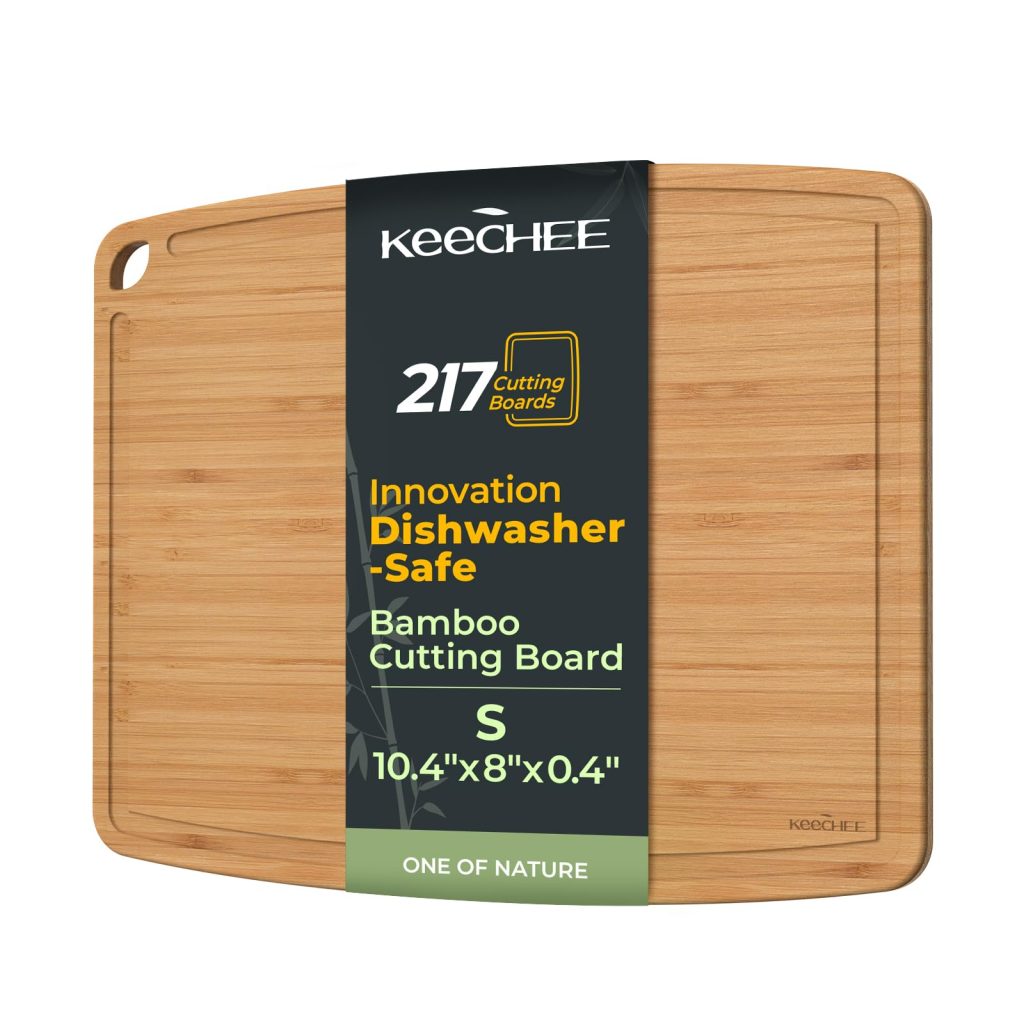
Bamboo boards are eco-friendly and harder than many woods. They resist knife marks but need oiling to stay smooth.
Bamboo is less porous than wood, making it harder for bacteria to settle inside the board.
Glass And Other Materials
Glass boards look clean but can dull knives quickly. They do not absorb bacteria but may cause food to slip.
| Material | Pros | Cons |
| Wood | Durable, natural, less bacteria | Needs regular cleaning, can crack |
| Plastic | Easy to clean, dishwasher safe | Scratches trap bacteria, replace often |
| Bamboo | Eco-friendly, hard surface | Needs oiling, can splinter |
| Glass | Non-porous, easy to sanitize | Dulls knives, slippery surface |

Credit: www.amazon.com
Hygiene Factors
Choosing the safest cutting boards helps keep your kitchen clean. Good hygiene lowers the risk of bacteria spreading.
Some cutting boards are better at staying clean and safe than others. Let’s look at what makes a cutting board hygienic.
Porosity And Bacterial Growth
Porosity means how many tiny holes are in a cutting board’s surface. High porosity boards can trap food and bacteria.
Less porous materials stop bacteria from hiding inside. This keeps the board safer to use for longer periods.
- Plastic boards are less porous than wood but can scratch easily.
- Bamboo boards have low porosity but need good care.
- Hardwoods like maple have tight grains, reducing porosity.
- Glass and metal are non-porous but can damage knives.
Ease Of Cleaning
Cleaning a cutting board well stops bacteria from growing. Some materials clean faster and better than others.
Boards that can go in the dishwasher make cleaning easier. Hand wash boards need thorough scrubbing with hot water and soap.
- Plastic boards are dishwasher safe and easy to scrub.
- Wood boards must be hand washed to avoid cracking.
- Bamboo boards need gentle cleaning and drying.
- Glass boards clean easily but may slip during use.
Durability And Maintenance
Durable cutting boards last longer and keep their surface safe. Boards that wear down fast can trap bacteria in cracks.
Proper maintenance, like oiling wood boards, keeps them strong and clean. Some materials need less care but may damage knives.
- Wood boards need regular oiling to prevent drying.
- Plastic boards can get deep cuts and should be replaced often.
- Bamboo boards are strong but need careful cleaning.
- Glass boards do not wear out but may dull knives.
Best Picks For Safety
Choosing a safe cutting board is important to keep your kitchen clean. Some materials stop bacteria better than others.
We look at wooden, plastic, and bamboo boards to find the safest options for your home.
Top Wooden Cutting Boards
Wooden cutting boards are natural and gentle on knives. They do not dull blades quickly.
Wood has natural antimicrobial properties. It can help reduce bacteria on the surface.
- Choose hardwoods like maple or walnut for durability
- Look for boards with tight grains to avoid deep cuts
- Clean wood boards with warm, soapy water and dry well
Top Plastic Cutting Boards
Plastic cutting boards are easy to clean and lightweight. They can be washed in dishwashers safely.
Plastic boards may develop deep cuts where bacteria hide. Replace them if they get worn out.
- Pick boards made from high-density polyethylene (HDPE)
- Use different colors to avoid cross-contamination
- Replace boards with many deep cuts or grooves
Eco-friendly Bamboo Options
Bamboo cutting boards are a green choice. Bamboo grows fast and is renewable.
Bamboo is hard and resists knife marks. It also has natural antibacterial traits.
- Choose bamboo boards with a smooth finish
- Clean with mild soap and avoid soaking in water
- Oil bamboo boards regularly to keep them strong

Credit: finance.yahoo.com
Tips For Safe Usage
Choosing the safest cutting boards helps keep food clean and healthy. Using your board the right way prevents germs and accidents.
This guide shares important tips for using cutting boards safely in your kitchen.
Proper Cleaning Techniques
Cleaning your cutting board well stops bacteria from growing. Always wash boards right after use with hot, soapy water.
Dry the board completely before storing to avoid mold and warping.
- Use a scrub brush or sponge to clean all surfaces.
- Rinse with hot water to remove soap and food bits.
- Let the board air dry upright or wipe with a clean towel.
- For deep cleaning, use diluted vinegar or baking soda paste.
Avoiding Cross-contamination
Cross-contamination spreads germs from one food to another. Use separate boards for raw meat, vegetables, and cooked food.
Mark boards with color codes or labels to keep foods apart and safe.
- Use one board for raw meat and another for fruits.
- Clean boards after each use to remove any leftover bacteria.
- Never place cooked food on a board used for raw food without cleaning.
- Consider using plastic boards that go in the dishwasher for meat.
When To Replace Your Board
Replace cutting boards when they get deep cuts or cracks. These spots can hide bacteria even after cleaning.
Also replace boards that warp, stain, or smell bad to keep food safe.
- Check boards often for deep grooves or cracks.
- Replace boards that absorb stains or odors.
- Wood boards may need oiling; if dry or cracked, replace them.
- Plastic boards should be replaced when scratched or worn out.

Credit: www.amazon.com
Frequently Asked Questions
What Materials Are Best For Cutting Boards?
The safest cutting boards are made from bamboo, hard plastic, or wood. Bamboo is durable and eco-friendly. Hard plastic is dishwasher safe, which helps eliminate bacteria. Wooden boards are gentle on knives and naturally antimicrobial. Each material offers a unique blend of safety, durability, and maintenance ease.
Are Wooden Cutting Boards Safe To Use?
Yes, wooden cutting boards are safe and naturally antimicrobial. They are gentle on knives and resist deep cuts, reducing bacteria lodgment. Regular cleaning and oiling maintain their safety and longevity. Use separate boards for raw meats to prevent cross-contamination and enhance kitchen hygiene.
How Often Should I Replace My Cutting Board?
Replace your cutting board when it shows deep grooves or excessive wear. Deep cuts can harbor bacteria and become hard to clean. Regular inspection helps maintain kitchen safety. For plastic boards, consider replacing them annually or when they become heavily scarred, ensuring optimal hygiene.
Can Bamboo Cutting Boards Harbor Bacteria?
Bamboo cutting boards are less likely to harbor bacteria due to their density. They are naturally antimicrobial and resist deep cuts. Regular cleaning with hot water and mild soap keeps them hygienic. Bamboo is eco-friendly and requires occasional oiling to prevent cracking and maintain its surface.
Conclusion
Choosing the safest cutting boards protects your health and food. Wooden boards are gentle on knives and resist bacteria well. Plastic boards are easy to clean and dishwasher-safe. Avoid boards with deep cuts where germs can hide. Regular cleaning and proper care keep boards safe longer.
Replace worn-out boards to prevent contamination risks. Safe cutting boards help keep your kitchen clean. Use the right board for different foods to avoid cross-contamination. Small steps make a big difference in food safety. Keep these tips in mind for healthier cooking every day.