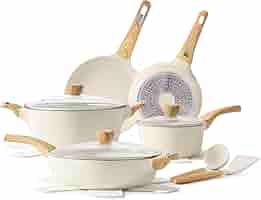
Choosing the right pots and pans can feel overwhelming, especially when safety is at stake. You want cookware that protects your health and cooks your food perfectly every time.
But how do you know which materials are truly safe? You’ll discover the safest pots and pans to use, so you can cook with confidence and keep your kitchen free from harmful chemicals. Keep reading to find out what experts recommend and what you should avoid to protect yourself and your loved ones.
Materials That Are Safe
Choosing safe pots and pans is important for healthy cooking. Some materials do not release harmful chemicals.
Here are common safe materials and their benefits for your kitchen.
Stainless Steel Benefits
Stainless steel is strong and does not react with food. It resists rust and scratches well. This makes it a popular choice.
- Does not leach chemicals into food
- Easy to clean and maintain
- Works well with all cooking types
- Durable and long-lasting
Cast Iron Durability
Cast iron pans last for many years. They hold heat evenly and add a small amount of iron to food, which is healthy.
Proper care keeps cast iron safe and non-stick over time.
Ceramic Coating Safety
Ceramic coatings are free from harmful chemicals like PTFE and PFOA. They offer a non-stick surface without toxins.
| Feature | Description |
| Non-stick | Easy cooking and cleaning |
| Chemical-free | No harmful coatings |
| Heat resistance | Can handle medium to high heat |
| Fragility | Can chip if dropped |
Anodized Aluminum Features
Anodized aluminum has a hard surface that does not react with food. It is lightweight and heats quickly.
- Scratch resistant
- Non-reactive to acidic foods
- Easy to clean
- Long-lasting finish

Credit: www.rd.com
Materials To Avoid
Choosing the right pots and pans affects your health and cooking results.
Some materials can release harmful substances or react with food. Learn which ones to avoid.
Teflon And Nonstick Concerns
Teflon coatings can release toxic fumes if overheated. This may cause flu-like symptoms.
Nonstick surfaces also wear off over time. Scratches can mix chemicals with your food.
Copper Risks
Copper pans look nice but can be dangerous if not lined properly.
Unlined copper reacts with acidic foods. This can cause copper poisoning.
- Avoid unlined copper cookware
- Check for lining before buying copper pans
- Replace any scratched or worn lining immediately
Aluminum Reactivity
Aluminum is lightweight and cheap but it reacts with acidic and salty food.
This reaction can change the taste and color of food. It may also cause health concerns.
| Material | Risk | Advice |
| Uncoated Aluminum | Reacts with acids | Use only coated or anodized types |
| Coated Aluminum | Less reactive | Check coating for damage |
| Anodized Aluminum | Safe and durable | Best aluminum choice |
Health Impacts Of Cookware
Choosing the safest pots and pans can protect your health. Some cookware can release harmful substances into food.
Understanding the risks helps you pick the right materials for cooking safely.
Chemical Leaching Risks
Certain pots and pans may leach chemicals into your food. Non-stick coatings can release toxins if heated too much.
- Non-stick pans with old or damaged coatings may release harmful chemicals.
- Aluminum cookware can leach aluminum into acidic foods.
- Some plastics used in cookware parts may melt or leach chemicals.
- Stainless steel is generally safer but can release nickel or chromium in rare cases.
Heavy Metal Exposure
Heavy metals in cookware can cause health problems. Metals like lead and cadmium are toxic if ingested.
| Metal | Source in Cookware | Health Concern |
| Lead | Some ceramic glazes | Brain and kidney damage |
| Cadmium | Cheap metal coatings | Lung and kidney damage |
| Nickel | Stainless steel alloys | Allergic reactions |
| Aluminum | Aluminum pots and pans | Potential nervous system effects |
Allergen Considerations
Some cookware materials can cause allergies or skin irritation. Nickel is a common allergen in metal pans.
- People allergic to nickel should avoid certain stainless steel pans.
- Ceramic and glass cookware rarely cause allergic reactions.
- Season cast iron pans well to reduce metal contact and prevent reactions.
- Clean cookware well to avoid cross-contamination from allergens.

Credit: nypost.com
Choosing Based On Cooking Style
Choosing the right pots and pans depends on how you cook. Different materials work better for different heat levels and recipes. Knowing your cooking style helps pick safer cookware.
Some pots handle high heat well. Others are better for slow cooking. Some offer great all-around use. Let’s explore the best options for each style.
Best For High Heat Cooking
High heat cooking needs pots and pans that can handle strong temperatures without releasing harmful chemicals. Stainless steel and cast iron are top choices. They heat evenly and last a long time.
- Stainless steel: durable and non-reactive
- Cast iron: excellent heat retention and natural non-stick
- Copper: heats quickly but needs lining for safety
Ideal For Slow Cooking
Slow cooking uses low temperatures for a long time. Pots made from ceramic or enameled cast iron work well. They keep heat steady and prevent food from sticking.
| Material | Advantages | Safety |
| Ceramic | Even heat, non-reactive surface | Free from metals and toxins |
| Enameled Cast Iron | Retains heat, easy to clean | No exposure to bare iron |
Versatility In The Kitchen
Some pots and pans work well for many cooking styles. They handle different heat levels and cooking methods safely. Stainless steel and hard-anodized aluminum are popular for this.
Here are key features of versatile cookware:
- Durable and scratch resistant
- Non-reactive with acidic foods
- Good heat distribution
- Easy to clean and maintain
Care And Maintenance Tips
Choosing safe pots and pans is important, but caring for them is just as key. Proper cleaning and storage keep your cookware in good shape.
This guide covers simple ways to clean, store, and extend the life of your pots and pans safely.
Cleaning Methods
Cleaning your cookware the right way prevents damage and keeps surfaces safe for cooking. Use gentle tools and avoid harsh chemicals.
- Wash with warm, soapy water after each use.
- Use a soft sponge or cloth, not steel wool.
- Avoid abrasive cleaners that can scratch coatings.
- For stuck food, soak the pan before cleaning.
- Dry pots and pans thoroughly to stop rust.
Storage Recommendations
Proper storage protects your pots and pans from damage and keeps them ready for cooking.
| Storage Tip | Reason |
| Use pan protectors or cloths between stacked pans | Prevents scratches and dents |
| Hang pans on hooks | Keeps them dry and easy to reach |
| Store lids separately or upside down | Prevents warping and saves space |
| Keep cookware in a dry place | Stops rust and corrosion |
Extending Cookware Lifespan
Taking extra steps can help your safe pots and pans last longer and stay healthy for your cooking.
- Use cooking utensils made of wood or silicone to avoid scratches.
- Heat pans gradually to avoid warping.
- Do not overheat empty pans to protect coatings.
- Season cast iron pans regularly to keep the surface non-stick.
- Check cookware regularly for damage and replace if necessary.
Top Brands For Safe Cookware
Choosing safe pots and pans is important for healthy cooking. Some brands focus on using safe materials that do not release harmful chemicals.
This guide highlights top brands known for safe cookware. They use stainless steel, ceramic, or cast iron to protect your food.
Trusted Stainless Steel Makers
Stainless steel cookware is strong and does not react with food. It is safe and easy to clean. Many brands use high-quality stainless steel for durability.
Look for brands that use 18/10 stainless steel. This means 18% chromium and 10% nickel for rust resistance and shine.
- All-Clad: Known for thick, even heating and durable steel.
- Cuisinart: Offers affordable, high-quality stainless steel sets.
- Calphalon: Uses heavy-gauge stainless steel for long life.
Leading Ceramic Producers
Ceramic cookware has a non-stick surface made from natural minerals. It is free from toxic chemicals like PTFE and PFOA.
These brands make ceramic pots and pans that are safe and easy to clean. They avoid harmful coatings and use safe glazes.
- GreenPan: Pioneers in ceramic non-stick cookware.
- Caraway: Crafts ceramic cookware with natural materials.
- Bialetti: Offers ceramic-coated cookware with safe finishes.
Reputable Cast Iron Brands
Cast iron cookware lasts for decades and can improve with use. It is naturally non-stick if seasoned well.
These brands provide pre-seasoned or traditional cast iron pans that are free from synthetic coatings.
- Lodge: Well-known for affordable, pre-seasoned cast iron.
- Le Creuset: Offers enameled cast iron with safe coatings.
- Staub: Produces durable cast iron with a smooth enamel finish.
Budget-friendly Safe Options
Choosing safe pots and pans does not mean spending too much money. Many affordable options provide safety and durability for your kitchen.
This guide covers three budget-friendly cookware types that are safe to use and easy to find.
Affordable Stainless Steel Sets
Stainless steel is a popular choice for safe cookware. It does not react with food and is easy to clean. Affordable sets often include multiple pots and pans for different uses.
- Look for 18/10 stainless steel for better quality.
- Sets with aluminum or copper cores offer even heat distribution.
- Choose pieces with sturdy handles and lids.
Cost-effective Ceramic Pans
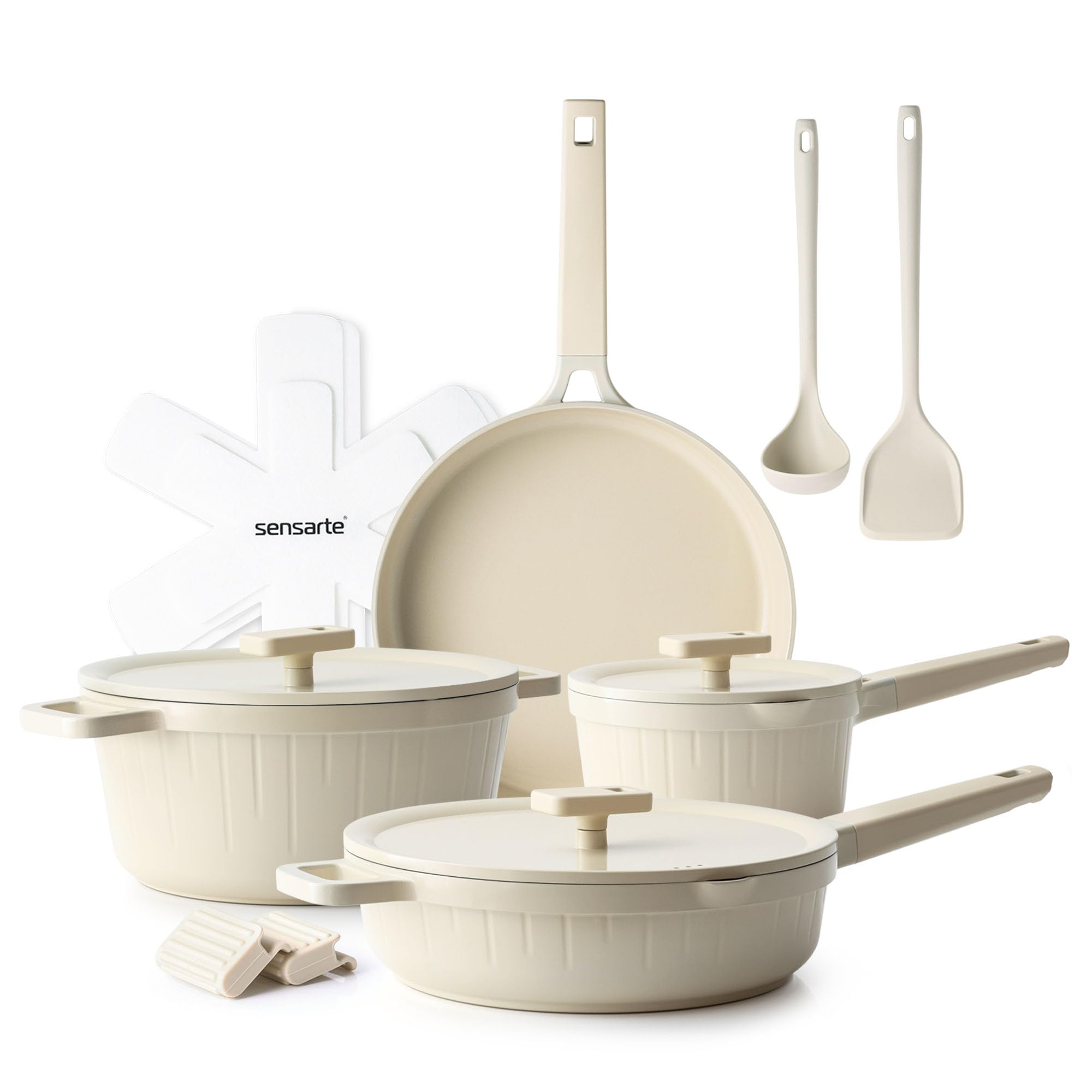
Ceramic pans are non-toxic and have a non-stick surface. They cook food evenly and require less oil. Many brands offer affordable ceramic options without harmful chemicals.
| Feature | Benefit |
|---|---|
| Non-stick ceramic coating | Easy food release and cleaning |
| Free from PFOA and PTFE | Safe for health and environment |
| Works well on low to medium heat | Prevents overheating and damage |
Value Cast Iron Choices
Cast iron pans last a lifetime if cared for properly. They are naturally non-stick once seasoned and add iron to your food. Budget-friendly cast iron options are available in many stores.
- Choose pre-seasoned pans for easy use.
- Heavy weight ensures even cooking.
- Use soap-free cleaning to protect seasoning.
Credit: www.amazon.com
Frequently Asked Questions
What Materials Are Safest For Cookware?
Stainless steel, cast iron, and ceramic are among the safest materials. They are non-toxic and durable. Stainless steel is resistant to leaching, cast iron provides even heat distribution, and ceramic is free from harmful chemicals. Choose high-quality brands to ensure safety and longevity in your kitchen.
Are Non-stick Pans Safe To Use?
Modern non-stick pans are generally safe when used properly. Avoid overheating and scratching the surface. Opt for pans free from PFOA and PFAS. Use utensils that won’t damage the coating. Follow manufacturer’s guidelines for use and care to maintain safety and effectiveness.
Is Aluminum Cookware Safe For Daily Use?
Aluminum cookware is safe if anodized. Anodized aluminum prevents leaching into food. It’s lightweight and conducts heat well. Avoid using scratched or damaged aluminum cookware. When in doubt, consider alternatives like stainless steel or ceramic for peace of mind and safety.
How Do I Maintain Safe Cookware?
Regular cleaning and proper storage extend cookware life. Use gentle cleaning methods to avoid damage. Avoid metal utensils on non-stick surfaces. Regularly inspect for wear and tear. Follow manufacturer’s instructions for care. This ensures your pots and pans remain safe and effective over time.
Conclusion
Choosing safe pots and pans protects your health and food quality. Materials like stainless steel, cast iron, and ceramic offer reliable safety. Avoid cookware that may release harmful chemicals when heated. Regular cleaning and proper use keep your cookware safe longer.
Safe pots and pans make cooking easier and healthier. Trust your kitchen tools to support a safe cooking experience every day.