Are you experiencing unexplained back pain or discomfort? You might have come across the term “Vacuum Disc Phenomenon” in your search for answers.
Understanding the symptoms of this condition can be crucial for your well-being and peace of mind. Imagine being able to identify the signs early and seek the right treatment before it worsens. We’ll delve into the telltale symptoms of Vacuum Disc Phenomenon, empowering you with the knowledge to take control of your health.
Stick around, because what you learn here could be the key to relieving your discomfort and improving your quality of life.
Causes Of Vacuum Disc Phenomenon
The Vacuum Disc Phenomenon occurs when gas accumulates in the spaces of the spinal discs, creating a visible gap on imaging scans. Understanding what causes this condition can help you recognize its development and take steps to manage or prevent worsening symptoms. Let’s look into the main causes behind this unusual yet telling sign of spinal health.
Degenerative Disc Changes
Degeneration of spinal discs is a leading cause of the Vacuum Disc Phenomenon. Over time, the discs lose water content and their ability to cushion the vertebrae effectively. This breakdown creates small spaces where gas, primarily nitrogen, can collect.
Think about how a worn-out sponge loses its shape and starts to crack. Similarly, your discs shrink and develop fissures, allowing gas to escape from surrounding tissues. If you’ve ever felt stiffness or occasional back pain, it might be linked to these early degenerative changes.
Spinal Injuries
Trauma or injuries to the spine can disrupt the normal structure of the discs. A sudden impact, like a fall or car accident, may cause tears in the disc material. These tears provide an entry point for gas to enter the disc space, leading to the Vacuum Disc Phenomenon.
Have you noticed back discomfort after an injury that just doesn’t seem to go away? It’s possible that such damage has introduced gas pockets inside your discs. Early diagnosis can be crucial to prevent further complications.
Aging And Wear
Aging naturally affects every part of your body, including your spine. As you get older, the discs gradually lose their elasticity and strength. This wear and tear can create small gaps where gas accumulates over time.
Many people think back pain is just “part of getting older,” but recognizing the role of aging in vacuum disc changes can motivate you to maintain spinal health. Simple lifestyle adjustments like regular exercise and good posture can slow down this process significantly.
Common Symptoms
Symptoms of Vacuum Disc Phenomenon vary but often affect daily life. Recognizing common signs helps in early action. Below are key symptoms people experience with this condition.
Back Pain
Back pain is the most frequent symptom. It can be sharp or dull. Pain often worsens after sitting or standing for long. Some feel discomfort during movement or lifting. The pain may come and go or stay constant.
Stiffness And Reduced Mobility
Stiffness in the back is common. It limits how much you can bend or twist. Many notice difficulty in simple tasks like reaching or bending. This stiffness may feel worse in the morning or after rest. Movement may improve after some activity.
Numbness And Tingling
Numbness or tingling may occur in the legs or feet. This happens if nerves get compressed. The sensation can feel like pins and needles. It may appear on one or both sides. These feelings sometimes come with weakness or loss of balance.
Symptoms By Location
Symptoms of Vacuum Disc Phenomenon vary based on the spine area affected. Each spine region has unique signs due to different nerve and bone structures. Understanding symptoms by location helps identify the problem accurately.
Cervical Spine Signs
- Neck pain that worsens with movement
- Stiffness or limited neck motion
- Tingling or numbness in the arms or hands
- Muscle weakness in the shoulders or arms
- Headaches that start at the base of the skull
Thoracic Spine Signs
- Mid-back pain that may increase with deep breaths
- Stiffness or tightness in the upper back
- Discomfort around the rib area
- Numbness or tingling in the chest or abdomen
- Muscle weakness in the back or chest
Lumbar Spine Signs
- Lower back pain that worsens with bending or lifting
- Stiffness in the lower back area
- Numbness or tingling in the legs or feet
- Weakness in leg muscles
- Difficulty standing or walking for long periods
Credit: www.frontiersin.org
Diagnosing Vacuum Disc Phenomenon
Diagnosing Vacuum Disc Phenomenon requires a clear and precise approach to identify the condition accurately. It involves a combination of imaging studies, thorough physical examination, and understanding your symptoms. Knowing how doctors pinpoint this issue can help you seek timely treatment and avoid complications.
Imaging Techniques
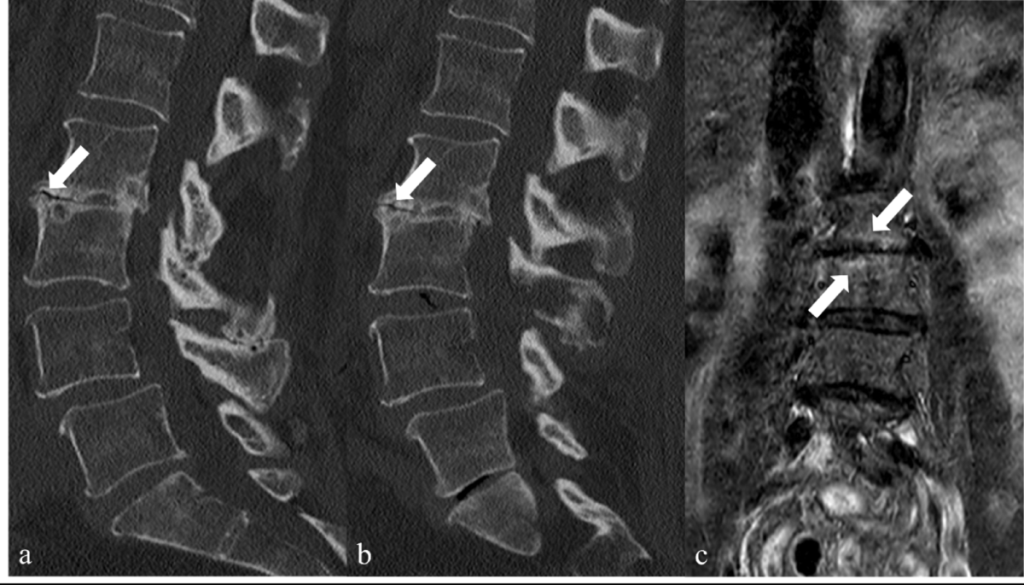
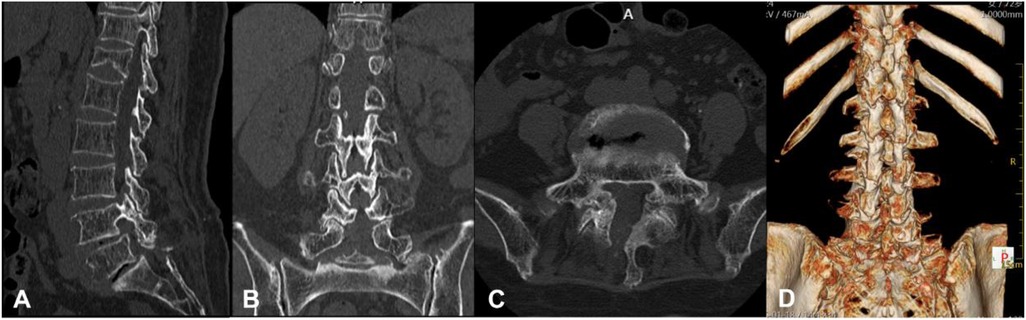
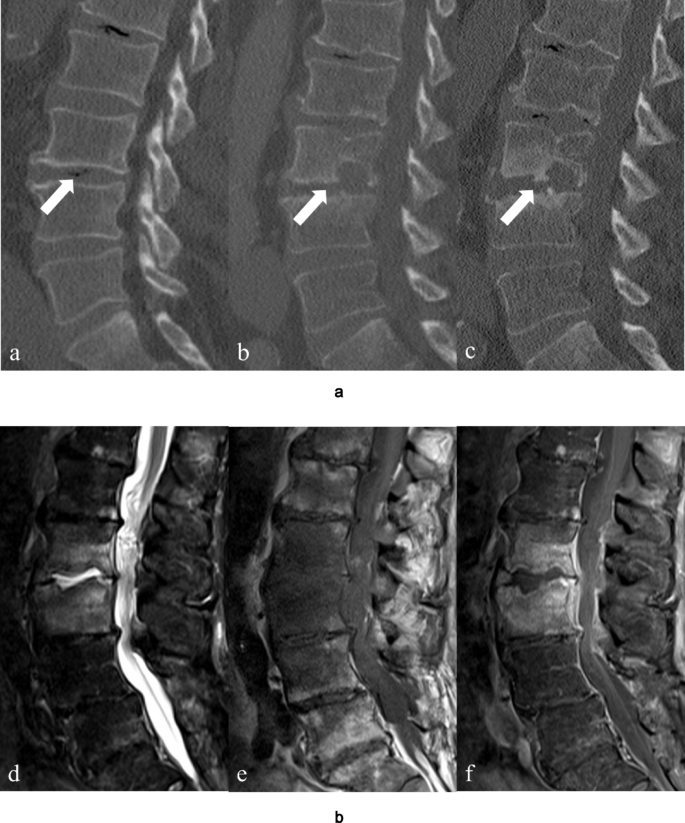
Imaging plays a crucial role in spotting Vacuum Disc Phenomenon. X-rays often reveal the characteristic gas accumulation within the disc space, appearing as dark spots.
CT scans provide a more detailed view, showing the exact location and extent of the gas. MRI scans can assess related soft tissue damage or nerve involvement, although gas itself may be less visible.
Have you ever wondered why some scans show this gas clearly while others don’t? It’s because different techniques highlight various tissue types, making a combination of imaging necessary.
Physical Examination
A doctor will examine your spine for tenderness, range of motion, and signs of nerve irritation. You might be asked to perform certain movements to see if they trigger pain or numbness.
Physical tests also help rule out other causes of back pain that might mimic Vacuum Disc Phenomenon. Your feedback during this exam guides the physician on what further tests to order.
Think about how your pain changes with activity—does bending forward or twisting make it worse? This insight can be vital during the exam.
Symptom Assessment
Discussing your symptoms in detail helps create a clear picture of the condition. Common complaints include localized back pain, stiffness, or sometimes radiating discomfort if nerves are affected.
Doctors will ask about the duration, intensity, and triggers of your symptoms. This information helps distinguish Vacuum Disc Phenomenon from other spinal disorders.
Have you noticed if your pain worsens after sitting for long periods or improves when walking? Such details can be key clues in diagnosis.
When To See A Doctor
Knowing when to see a doctor for Vacuum Disc Phenomenon can make a big difference in your recovery and quality of life. The symptoms might start mild but can quickly worsen, impacting your daily routine and overall health. Paying attention to warning signs helps you get the right care at the right time.
Persistent Pain
If your back or neck pain lasts for weeks without improvement, it’s time to consult a doctor. Constant pain that doesn’t respond to rest, over-the-counter painkillers, or gentle stretching can signal a deeper issue. Have you noticed pain increasing during certain activities or at night? This persistence deserves professional evaluation to prevent further damage.
Neurological Symptoms
Watch for signs like numbness, tingling, or weakness in your arms or legs. These symptoms suggest that nerves near the affected discs might be compressed. Don’t ignore sudden changes in bladder or bowel control—these are urgent signs that require immediate medical attention. Early diagnosis can protect your nerve health and prevent lasting problems.
Impact On Daily Life
Is your pain stopping you from doing simple tasks like walking, sitting, or lifting objects? Difficulty in performing everyday activities is a clear signal to seek medical advice. When pain or discomfort limits your independence and happiness, a doctor can help find solutions tailored to your lifestyle and needs.

Credit: www.frontiersin.org
Treatment Options
Treating Vacuum Disc Phenomenon involves several approaches tailored to your symptoms and overall health. Some cases respond well to simple care, while others may require more intensive procedures. Understanding your options can help you make informed decisions about your recovery path.
Conservative Care
Many people find relief through conservative care, which focuses on reducing pain and preventing further damage. This includes rest, avoiding heavy lifting, and using over-the-counter pain medications like ibuprofen or acetaminophen.
Applying heat or cold packs can also ease discomfort and inflammation. Have you tried alternating between heat and cold to see which works better for your pain?
Physical Therapy
Physical therapy helps strengthen the muscles around your spine, improving stability and reducing pressure on the affected discs. A therapist may guide you through exercises that increase flexibility and promote better posture.
Therapy often includes techniques such as traction or gentle stretching to decompress the spine. Many patients report that consistent physical therapy sessions reduce their pain significantly over time.
Surgical Interventions
If conservative care and physical therapy don’t bring relief, surgery might be necessary. Procedures can range from minimally invasive techniques to more extensive spinal fusion surgeries.
Surgery aims to remove damaged disc material or stabilize the spine, but it carries risks and requires recovery time. Are you ready to discuss surgical options with your doctor if your symptoms persist?
Preventing Symptom Progression
Preventing the progression of symptoms related to Vacuum Disc Phenomenon is crucial to maintaining your spine’s health and avoiding further discomfort. Small daily habits can make a big difference in how your back feels and functions. Taking control early on can help you stay active and reduce the risk of worsening pain.
Posture Tips
Your posture plays a major role in spinal health. Sitting or standing with a straight back reduces pressure on your discs and prevents additional damage.
- Keep your shoulders relaxed and aligned over your hips.
- Avoid slouching or leaning forward for long periods.
- Use ergonomic chairs that support the natural curve of your spine.
Have you noticed how small posture adjustments can ease your back tension? Paying attention to how you sit or stand throughout the day can slow symptom progression significantly.
Exercise Recommendations
Gentle, regular exercise strengthens the muscles supporting your spine. This support helps reduce stress on the damaged discs and can relieve pain.
- Try low-impact activities like walking, swimming, or cycling.
- Incorporate core strengthening exercises such as planks or pelvic tilts.
- Avoid heavy lifting or high-impact sports that strain your back.
When you move carefully and consistently, you’re building a stronger foundation for your spine. What kind of exercise fits easily into your daily routine?
Lifestyle Changes
Simple changes in daily habits can protect your spine from further harm. Managing weight, quitting smoking, and reducing prolonged sitting can make a big difference.
- Maintain a healthy weight to lessen pressure on your spinal discs.
- Take frequent breaks to stand and stretch if you sit for work.
- Quit smoking to improve blood flow and disc nutrition.
Think about your current lifestyle—what small adjustment could have the biggest impact on your back health?
Credit: link.springer.com
Frequently Asked Questions
What Are The Common Symptoms Of Vacuum Disc Phenomenon?
Vacuum disc phenomenon often causes lower back pain and stiffness. Some patients experience numbness or tingling in the legs. It can also lead to reduced spinal flexibility and discomfort during movement.
How Does Vacuum Disc Phenomenon Affect Spinal Health?
It indicates degeneration of the intervertebral disc, causing gas accumulation. This degeneration can reduce disc height and lead to spinal instability. Over time, it may worsen back pain and mobility issues.
Can Vacuum Disc Phenomenon Cause Nerve Compression Symptoms?
Yes, it can contribute to nerve compression if disc degeneration narrows the spinal canal. This may result in radiating pain, numbness, or weakness in the legs. Early diagnosis helps manage symptoms effectively.
Is Vacuum Disc Phenomenon Always Painful?
Not always. Some people have the phenomenon without symptoms. Pain typically arises when disc degeneration affects nearby nerves or spinal structures. Symptom severity varies by individual and condition progression.
Conclusion
Vacuum Disc Phenomenon shows clear signs in your spine and body. Pain and stiffness often signal the condition’s presence. Some feel numbness or weakness in limbs. These symptoms may vary by person and severity. Early notice helps doctors suggest proper care.
Don’t ignore ongoing back discomfort or unusual feelings. Understanding symptoms aids in better health decisions. Stay aware and seek help if symptoms persist. Your spine health matters for a good life.