Have you ever noticed two copper lines connected to your air conditioner and wondered what they do? These small, shiny tubes might seem simple, but they play a huge role in keeping your home cool and comfortable.
Understanding what these copper lines are and how they work can help you take better care of your AC and avoid costly repairs. Keep reading to discover the secret behind these essential parts and how they impact your air conditioner’s performance.
You won’t want to miss this!
Credit: www.vevor.com
Copper Lines Role
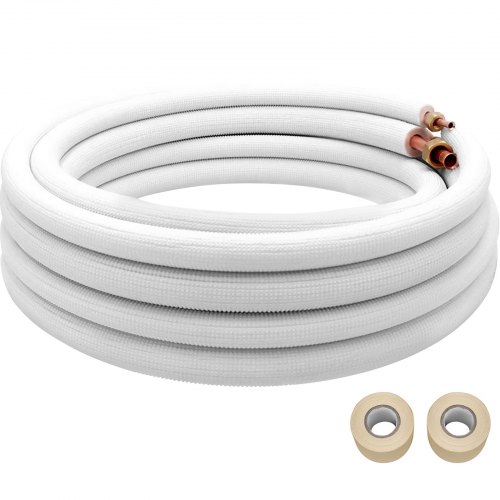
Air conditioners use two copper lines to move refrigerant between units. These lines are key to the cooling process.
The copper lines carry hot and cold refrigerant. This helps the air conditioner cool your home efficiently.
Function In Cooling Cycle
One copper line carries warm gas refrigerant from inside to outside. The other line carries cool liquid refrigerant back inside.
This flow of refrigerant cools the air inside your home. The copper lines make the cycle work smoothly.
- Warm gas leaves the indoor unit through one copper line
- The outdoor unit cools the gas and turns it into liquid
- Cool liquid returns to the indoor unit through the other copper line
- The cycle repeats to keep your home cool
Connection Between Units
The two copper lines connect the indoor and outdoor units of the air conditioner. They form a closed loop for refrigerant flow.
The lines must be properly sealed and insulated. This prevents leaks and keeps the system efficient.
- One line carries warm gas refrigerant outside
- The other line returns cool liquid refrigerant inside
- Both lines keep the refrigerant flowing between units
- Proper connection ensures good cooling performance
Credit: www.vevor.com
Types Of Copper Lines
Air conditioners have two main copper lines. These lines help move refrigerant through the system. Each line has a special role.
Understanding these copper lines helps in maintenance and repair. The two lines are called the liquid line and the suction line.
Liquid Line Characteristics
The liquid line carries liquid refrigerant from the condenser to the expansion valve. It is usually smaller in diameter than the suction line.
- Usually made of copper tubing
- Carries high-pressure liquid refrigerant
- Smaller diameter to control refrigerant flow
- Often insulated to prevent heat gain
- Runs between the condenser and expansion device
Suction Line Features
The suction line carries low-pressure refrigerant gas back to the compressor. It is larger in diameter to handle the gas volume.
| Feature | Liquid Line | Suction Line |
| Function | Transports liquid refrigerant | Transports refrigerant gas |
| Pressure | High pressure | Low pressure |
| Diameter | Smaller | Larger |
| Insulation | Usually insulated | Usually insulated |
| Location | Between condenser and expansion valve | Between evaporator and compressor |
Material And Size
Air conditioners use two copper lines to move refrigerant. These lines have different sizes and materials. This helps the system work well.
The copper pipes carry refrigerant between the indoor and outdoor units. Their quality and size affect how well the air conditioner cools your home.
Copper Quality
Good copper quality means the pipes last longer and resist corrosion. Copper is soft but strong, making it ideal for air conditioning.
High-quality copper pipes reduce leaks and improve heat transfer. This helps the air conditioner run efficiently and safely.
- Pure copper offers better durability
- Corrosion resistance prevents damage
- High thermal conductivity improves cooling
Diameter Importance
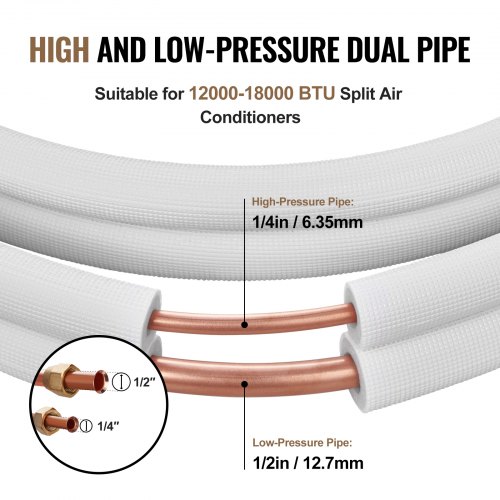
The two copper lines have different diameters. One is thicker to carry gas, and the other is thinner to carry liquid refrigerant.
The right diameter keeps the refrigerant flowing well. If the pipes are too small or too large, the system will lose efficiency.
- Larger diameter line carries low-pressure gas
- Smaller diameter line carries high-pressure liquid
- Proper size avoids pressure drops and cooling loss
Installation Process
Installing the two copper lines on an air conditioner requires care and precision. These lines carry refrigerant between the indoor and outdoor units.
Following proper steps ensures the system works efficiently and lasts longer. Focus on correct routing and insulation during installation.
Proper Routing
Route the copper lines carefully to avoid sharp bends and kinks. Proper routing prevents damage and helps refrigerant flow smoothly.
- Keep lines away from heat sources and electrical wiring.
- Use clamps or brackets to secure lines firmly.
- Avoid long loops or unnecessary bends in the lines.
- Ensure the lines have a slight slope for proper drainage.
Insulation Needs
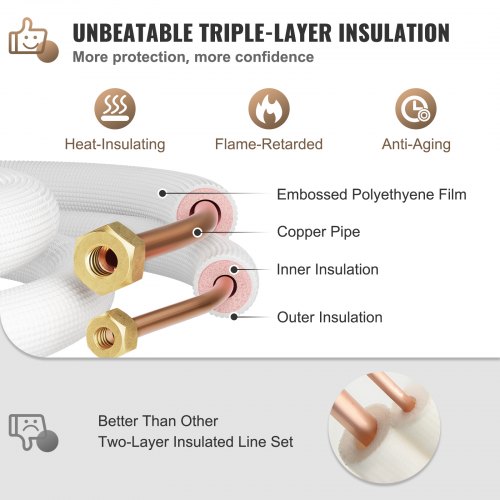
Insulating copper lines is important to prevent energy loss and condensation. Use the right materials to keep the system efficient.
| Insulation Type | Purpose | Installation Tip |
|---|---|---|
| Foam Sleeve | Prevents heat exchange | Wrap tightly around the line |
| Rubber Insulation | Resists moisture and UV rays | Seal all joints with tape |
| Closed-cell Insulation | Stops condensation | Cover entire length without gaps |
Common Issues
The two copper lines on an air conditioner carry refrigerant between the indoor and outdoor units. These lines are important for the cooling process. Problems with these lines can stop the air conditioner from working well.
This article explains common issues with the copper lines. Knowing these problems can help you spot trouble early and get repairs done fast.
Leaks And Corrosion
Leaks happen when the copper lines have holes or cracks. Refrigerant escapes, and the air conditioner loses cooling power. Corrosion can cause leaks by making the copper weak over time.
Corrosion often occurs if the lines are exposed to moisture or salty air. Small leaks may go unnoticed but reduce efficiency. Large leaks cause the system to stop cooling.
- Signs of leaks include hissing sounds and reduced cooling
- Corrosion looks like green or white powder on copper
- Leaks need to be fixed quickly to avoid bigger damage
- Regular inspection helps catch corrosion early
Blockages And Damage
Blockages happen when dirt or debris clog the copper lines. This stops refrigerant from flowing freely. Damage can occur from bending or crushing the lines during installation or repairs.
Blockages reduce cooling and make the system work harder. Damaged lines can cause leaks or stop the air conditioner completely. Careful handling and cleaning can prevent these problems.
- Blockages lower cooling and increase energy use
- Bent or crushed lines can cause leaks
- Regular maintenance keeps lines clear and safe
- Handle lines gently during service
Maintenance Tips
The two copper lines on an air conditioner play a key role in its cooling system. These lines carry refrigerant between indoor and outdoor units.
Proper care of these copper lines can keep your air conditioner running well and save energy.
Regular Inspections
Check the copper lines often for signs of damage or leaks. Look for cracks, holes, or corrosion on the surface.
- Inspect insulation covering the larger copper line.
- Look for oil stains that may show refrigerant leaks.
- Make sure copper lines are secure and not bent sharply.
- Check for signs of rust or wear on connections and joints.
Cleaning Techniques
Keep the copper lines clean to prevent dirt buildup that reduces efficiency. Use gentle cleaning methods to avoid damage.
| Cleaning Method | How to Do It |
| Wipe with Cloth | Use a soft, damp cloth to clean the lines gently. |
| Use Mild Soap | Mix mild soap with water and wipe the lines carefully. |
| Check Insulation | Clean or replace damaged insulation on the larger copper line. |
| Avoid Harsh Chemicals | Do not use strong cleaners that can harm the copper. |
Energy Efficiency Impact
The two copper lines on an air conditioner carry refrigerant to cool your home. Their condition directly affects energy use.
When these lines work well, your air conditioner uses less energy and cools better.
Effect Of Line Condition
Damaged or dirty copper lines reduce cooling efficiency. This causes the air conditioner to use more electricity.
- Leaking lines lower refrigerant levels and reduce cooling power.
- Corroded lines block refrigerant flow, increasing energy use.
- Poor insulation on lines causes temperature loss and extra work.
- Clogged or bent lines can stop refrigerant circulation.
Benefits Of Proper Care
Taking care of the copper lines improves energy efficiency and extends your air conditioner’s life.
| Care Action | Energy Efficiency Benefit |
| Regular inspection | Find leaks early to prevent energy loss |
| Cleaning lines | Remove dirt that blocks refrigerant flow |
| Proper insulation | Keep refrigerant temperature stable |
| Timely repairs | Maintain optimal cooling and reduce power use |

Credit: www.reddit.com
Frequently Asked Questions
What Are The Two Copper Lines On An Air Conditioner?
The two copper lines are refrigerant lines. One is the suction line, carrying cold vapor. The other is the liquid line, carrying high-pressure liquid refrigerant.
Why Are Copper Lines Important In Air Conditioners?
Copper lines transport refrigerant between indoor and outdoor units. They enable heat exchange, essential for cooling your home efficiently and reliably.
How To Identify The Larger Copper Line In Ac?
The larger copper line is the suction line. It carries low-pressure, cold refrigerant gas back to the compressor.
Can Copper Lines Leak And Cause Ac Problems?
Yes, copper lines can develop leaks. Leaks reduce refrigerant, causing poor cooling and potential system damage if not fixed promptly.
Conclusion
The two copper lines in an air conditioner carry refrigerant between parts. One line moves gas, and the other moves liquid. Both lines work together to cool your home. Knowing their roles helps you understand how your AC works. Proper care keeps these lines clean and leak-free.
This ensures your air conditioner runs smoothly and lasts longer. Simple maintenance can save money on repairs. Now, you can better appreciate these small but important parts.