Have you ever looked at your air conditioner and noticed two copper lines running from it? You might wonder what those copper lines do and why they are important for your AC’s performance.
Understanding these two copper lines can help you take better care of your unit and avoid costly repairs. You’ll discover exactly what the two copper lines on your air conditioner are, how they work, and why they matter to your comfort.
Keep reading to unlock the secrets behind these simple-looking pipes and become more confident in managing your air conditioner.
Copper Lines In Ac Systems
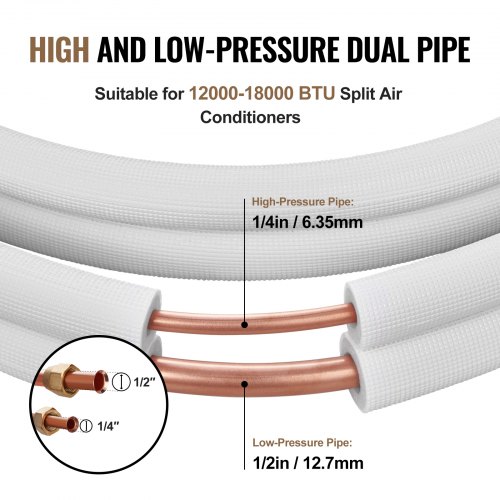
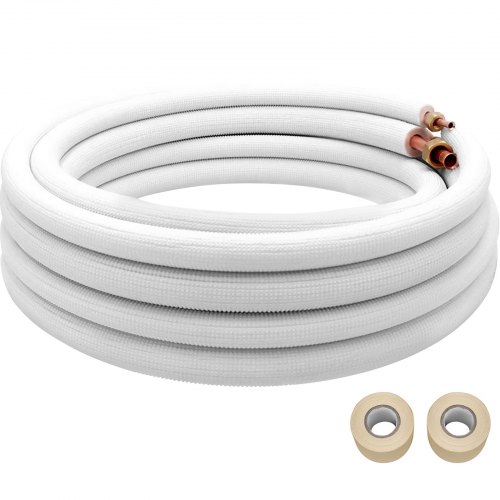
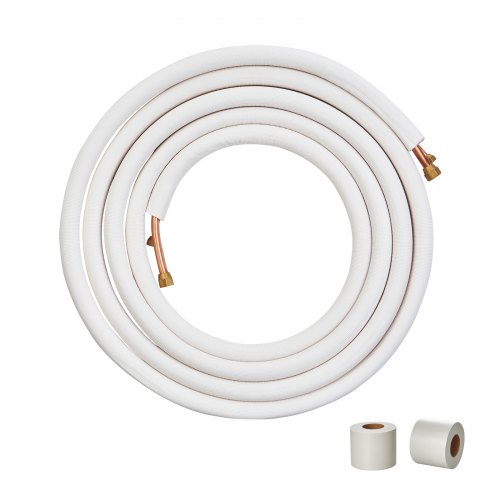
Copper tubingin air conditioners moves refrigerant between parts. It helps to cool your home by carrying heat away.
Two main copper lines work together:
- Liquid line:carries cold liquid refrigerant from the condenser to the evaporator.
- Suction line:brings warm gas refrigerant back to the compressor.
These lines are made of copper because it is strong, flexible, and resists corrosion. Copper tubing helps the AC run efficiently and safely.
| Type of Copper Line | Description | Size |
|---|---|---|
| Liquid Line | Transports cold liquid refrigerant to evaporator | Smaller diameter |
| Suction Line | Returns warm gas refrigerant to compressor | Larger diameter |
Credit: www.vevor.com
Functions Of The Two Copper Lines
The two copper lines in an air conditioner carry refrigerant. One is called the liquid line. It carries cold liquid refrigerant from the outdoor unit to the indoor coil. This line is smaller in size and is usually insulated to keep the refrigerant cold.
The other line is the suction line. It carries warm gas refrigerant back to the outdoor unit for cooling. This line is thicker and is always insulated to prevent heat gain. Both lines work together to move heat and keep your home cool.
Differences Between The Lines
The two copper lines on an air conditioner differ in diameter and thickness. One line is thickerbecause it carries refrigerant in a gas form. The thinner line carries refrigerant in a liquid form. These size differences help the system work efficiently.
Temperature and pressure inside these lines also vary. The thicker line handles low pressure and cool temperature, while the thinner line deals with high pressure and warm temperature. This difference is key to cooling your home properly.
Installation And Maintenance Tips
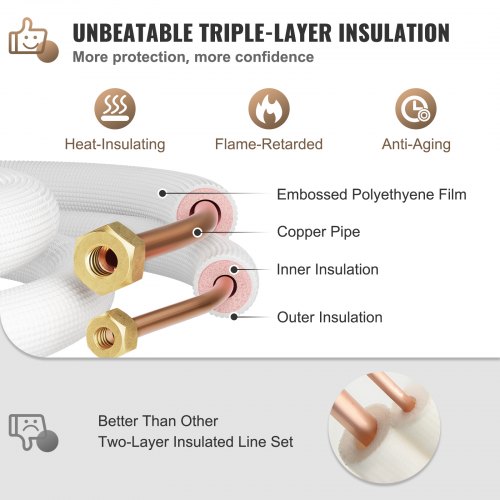
Handle copper lines gentlyto avoid kinks or damage. Use soft bends instead of sharp angles. Keep lines clean and free from dirt. Protect them from weather and pests during installation.
Check for leaks regularly. Leaks cause poor cooling and higher bills. Use soapy water to find bubbles on connections. Tighten or replace faulty parts quickly.
- Insulate copper linesto prevent energy loss.
- Secure lines firmly to walls or frames.
- Clear debris around outdoor units.
- Ensure proper slope for drainage.
| Common Issue | Cause | Fix |
|---|---|---|
| Leaks | Loose fittings or damaged lines | Tighten or replace parts |
| Kinks in copper lines | Improper handling | Replace or straighten carefully |
| Poor insulation | Worn or missing insulation | Apply new insulation wrap |
Impact On Air Conditioner Performance
The two copper lines in an air conditioner carry refrigerant between the indoor and outdoor units. One line is thicker and insulated; it carries cool gas back to the compressor. The thinner line sends warm liquid refrigerant to the indoor unit. Both lines must be free of damage for the system to work well.
Damaged or leaking copper lines cause low cooling efficiency. The air conditioner may take longer to cool the room. Repairs or replacements are needed to restore proper function. Regular checks help catch issues early.
- Holes or cracks in the lines
- Oily residue on pipes
- Ice buildup on the lines
- Hissing sounds near the pipes
- Reduced cooling performance
Credit: www.vevor.com
Credit: www.vevor.com
Frequently Asked Questions
What Are The Two Copper Lines On An Ac?
The two copper lines on an air conditioner are the suction line and the liquid line. The suction line transports cool refrigerant gas back to the compressor, while the liquid line carries refrigerant in liquid form to the evaporator. Both lines are crucial for effective heat exchange and cooling.
Why Is One Copper Line Thicker?
The thicker copper line is the suction line, which carries refrigerant gas. Its larger diameter accommodates the lower pressure and higher volume of gas. This design is essential for maintaining efficient heat transfer, ensuring the air conditioner operates effectively and cools the space properly.
Are The Copper Lines Insulated?
Yes, the suction line is typically insulated to prevent condensation and energy loss. Insulation helps maintain the refrigerant’s temperature, ensuring efficient operation and preventing water damage from condensation. The liquid line is generally not insulated, as it carries refrigerant at a higher temperature.
Can Damaged Copper Lines Affect Ac Performance?
Yes, damaged copper lines can significantly impact AC performance. Leaks or blockages in the lines can reduce cooling efficiency and increase energy consumption. It’s crucial to regularly inspect and maintain these lines to ensure optimal air conditioner performance and prevent costly repairs.
Conclusion
The two copper lines in an air conditioner carry refrigerant. One line moves the warm gas outside. The other brings cool liquid inside. Both lines work together to cool your home. Knowing their purpose helps you understand how AC works.
Proper care can keep these lines in good shape. This keeps your air conditioner running well. Regular checks can prevent costly repairs. Now, you can see why these copper lines matter. Simple but important parts of your AC system.