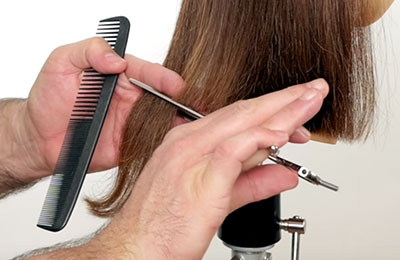
Are you tired of bulky, uneven hair that just won’t sit right? Thinning shears might be the secret tool you’re missing.
These special scissors do more than just cut—they help shape your hair, reduce thickness, and add natural texture without changing your style completely. If you want to know how thinning shears can transform your look and make styling easier, keep reading.
You’ll discover exactly what they are used for and why they could become your new favorite hair tool.
Purpose Of Thinning Shears
Thinning shears are special scissors used in hair cutting. They help change the hair’s look without cutting too much length.
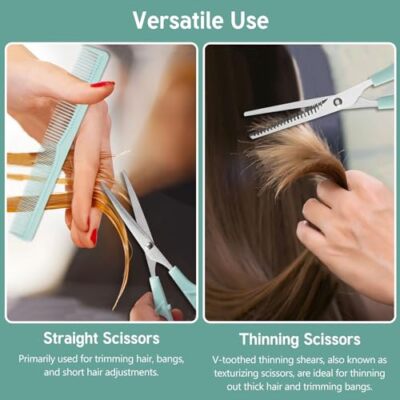
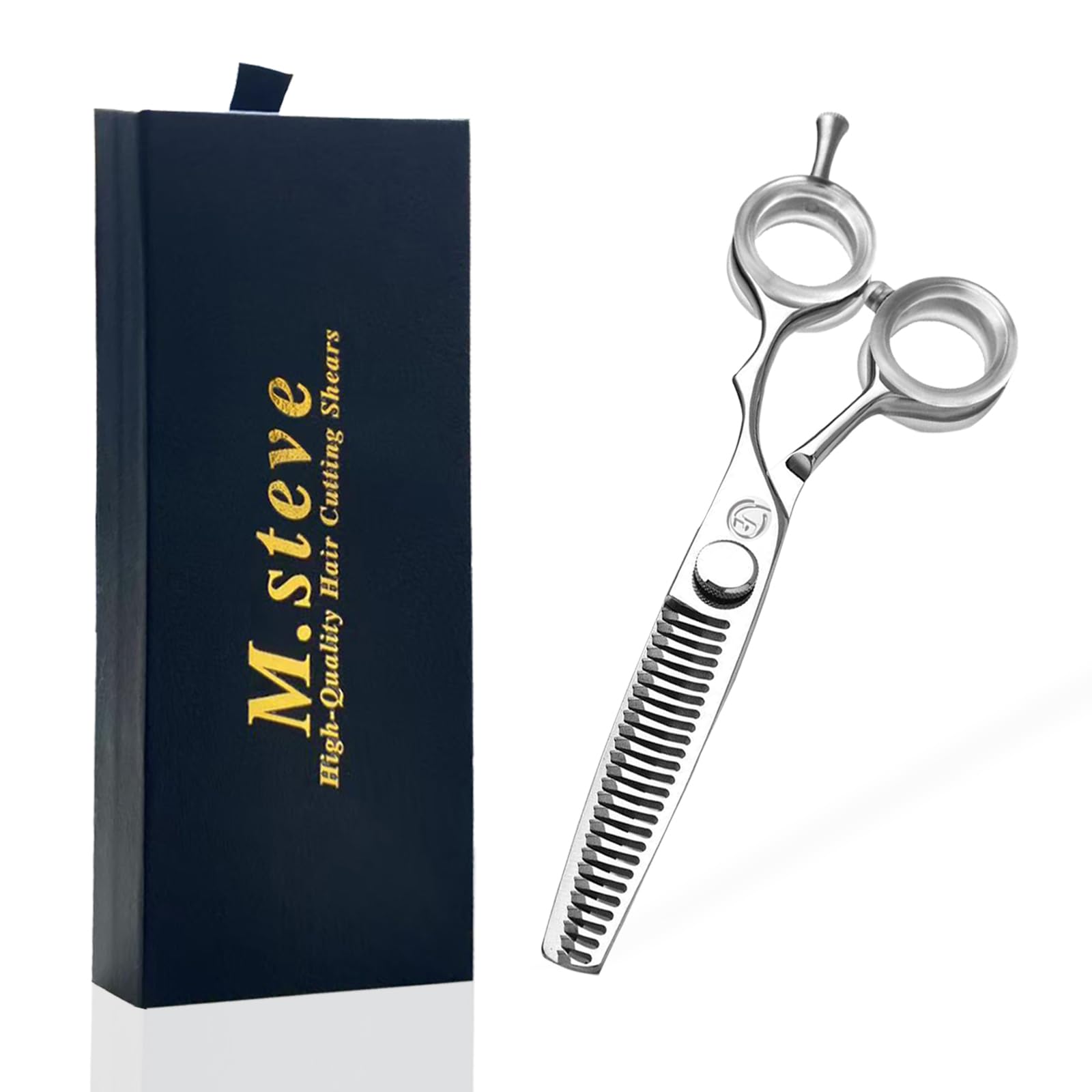
These shears have teeth that cut some hair strands but leave others. This makes hair softer and easier to style.
Reducing Hair Bulk
Thinning shears reduce thick hair bulk. They cut small amounts of hair to make it less heavy. This helps hair feel lighter and less puffy.
- Make thick hair easier to manage
- Remove excess volume without changing length
- Help hair lie flat and smooth
Creating Texture And Movement
These shears add texture to hair. They create soft layers and natural movement. This makes hairstyles look fresh and lively.
| Effect | Description |
|---|---|
| Soft Layers | Thinning shears cut some strands to add gentle layers. |
| Natural Flow | They help hair move smoothly and look less stiff. |
| Less Bulk | Reduces heavy parts so hair feels lighter. |
Blending Different Hair Lengths
Thinning shears blend hair with different lengths. They soften hard lines between short and long hair. This creates a smooth, natural look.
- Mix layers evenly
- Remove harsh edges
- Help hairstyles look balanced
Types Of Thinning Shears
Thinning shears are special scissors used by hairdressers to thin out thick hair. They help create texture and reduce bulk without cutting too much length.
There are different types of thinning shears. Each type works best for certain hair styles and thickness levels.
Notch Count Variations
The number of notches on thinning shears affects how much hair is cut at once. More notches mean less hair is removed with each cut.
Shears with fewer notches remove more hair quickly. Those with many notches provide a softer, more natural look.
- 10-15 notches: Removes more hair, good for thick hair
- 20-30 notches: Removes less hair, better for fine hair
- 40+ notches: Very gentle thinning, used for blending
Blade Styles
Thinning shears come with different blade styles. The blade style affects how smoothly the shears cut and blend hair.
Some blades have straight edges, while others are curved. Curved blades help follow the shape of the head better.
- Straight blades: Basic style, easy to use
- Curved blades: Better for blending and soft cuts
- Swivel blades: Offer more comfort and control
Material And Quality Differences
Thinning shears are made from different materials. The material affects how sharp and durable the shears are.
Higher quality shears stay sharp longer and feel better in the hand. Cheaper shears may dull quickly and be harder to use.
- Stainless steel: Common and affordable
- High-carbon steel: Sharper and more durable
- Titanium-coated: Resistant to rust and very strong
Choosing The Right Thinning Shears
Thinning shears are tools used to remove bulk from hair. They help create a more natural look by blending layers. Picking the right thinning shears depends on several factors.
Knowing your hair type, styling goals, and budget can guide you to the best choice. Let’s explore these factors in detail.
Hair Type Considerations
Different hair types need different thinning shears. Fine hair might need shears with fewer teeth. Thick hair benefits from shears with more teeth.
| Hair Type | Recommended Shears |
| Fine | 15-20 Teeth |
| Thick | 25-30 Teeth |
| Curly | 20-25 Teeth |
Styling Goals
Your desired hairstyle affects the choice of shears. Want a layered look? Need subtle texture? Choose accordingly.
- Layered cuts need more teeth for blending.
- Subtle texture requires fewer teeth.
- For volume reduction, use more aggressive shears.
Budget And Brand Options
Your budget plays a role in choosing shears. Brands offer different price ranges. Quality often matches cost, but you can find good deals.

Credit: jatai.net
Techniques For Using Thinning Shears
Thinning shears help reduce hair bulk without changing the style. They create softer, blended looks by cutting some hairs and leaving others.
Using the right techniques with thinning shears improves your haircut results. You can control the texture and remove weight carefully.
Proper Hand Positioning
Hold thinning shears like regular scissors but with a relaxed grip. Keep your wrist straight to avoid strain.
Use your thumb and ring finger to open and close the shears smoothly. Support the handles with your other fingers.
- Hold shears firmly but not tightly
- Keep wrist and hand relaxed
- Use thumb and ring finger for control
- Support with middle and index fingers
Sectioning Hair
Divide hair into small sections before thinning. This helps you work evenly and avoid over-thinning.
Use clips to hold sections in place. Start thinning from the bottom layers and move upward.
- Separate hair into thin, manageable sections
- Clip away hair not being worked on
- Thin from lower layers first
- Check each section for even thinning
Angle And Placement Tips
Hold thinning shears at a slight angle to the hair. Avoid cutting too close to the scalp to keep a natural look.
Place shears mid-shaft or near ends to remove bulk without shortening the hair length. Move shears gently through the hair.
- Use a 45-degree angle for soft blending
- Avoid cutting near roots or scalp
- Target mid-lengths and ends of hair
- Move shears slowly for control
Common Mistakes To Avoid
Thinning shears help reduce hair bulk and add texture. Using them the wrong way can cause problems with your hairstyle.
Learn about common mistakes people make with thinning shears. Avoid these to keep hair looking natural and healthy.
Over-thinning
Over-thinning happens when too much hair is cut with thinning shears. This can make hair look thin and uneven.
- Don’t use thinning shears on the same spot repeatedly.
- Only thin hair where it feels too thick or bulky.
- Use thinning shears lightly to keep natural volume.
- Cut small sections at a time for better control.
Using On Wet Hair
Thinning shears work best on dry hair. Wet hair looks different and cuts unevenly.
| Hair Condition | Result Using Thinning Shears |
| Wet Hair | Uneven cuts, harder to see real thickness |
| Dry Hair | Cleaner cuts, better control of volume |
Ignoring Hair Growth Patterns
Hair grows in different directions. Cutting against this can cause damage or odd shapes.
To avoid problems:
- Watch how hair naturally falls before cutting.
- Cut following the growth pattern gently.
- Don’t force shears through hair that grows oddly.
Styling Secrets With Thinning Shears
Thinning shears are special scissors used by hairstylists. They help change hair texture and shape without cutting too much length. These shears have teeth that remove some hair strands, making hair lighter.
Using thinning shears correctly can improve your hairstyle. They add volume, soften harsh lines, and make layered cuts look natural. Let’s explore how to use them well.
Adding Volume Without Bulk
Thinning shears help add volume by removing weight from thick hair. This makes hair lift and look fuller. They reduce bulk without making hair flat or lifeless.
- Use thinning shears on dense areas only
- Cut small sections at a time for control
- Focus on mid-lengths and ends, not roots
- Keep scissors at an angle to blend layers
Softening Harsh Lines
Thinning shears can smooth sharp edges in a haircut. This makes the style appear softer and less rigid. They blend lines between different hair lengths.
| Technique | Effect |
|---|---|
| Light snipping along edges | Softens blunt cuts |
| Scattering hair strands | Creates a natural finish |
| Cutting at an angle | Reduces harsh shadows |
Enhancing Layered Cuts
Thinning shears improve layered cuts by blending and shaping layers. They remove excess hair that makes layers look heavy or chunky. This adds flow and movement.
- Use thinning shears between layers for smooth transitions
- Thin thick ends to avoid a blocky look
- Work in small sections to keep control
- Combine with point cutting for texture
Maintenance And Care
Thinning shears need regular care to work well for a long time. Proper maintenance keeps the blades sharp and clean. It also protects the tool from damage.
Taking good care of thinning shears helps you get smooth cuts every time. It also makes sure the shears last through many uses.
Cleaning Tips
Clean thinning shears after every use. Dirt and hair can build up and cause rust or dull blades. Use a soft cloth to wipe the blades carefully.
- Remove hair stuck between the blades with a small brush.
- Use rubbing alcohol to disinfect the blades.
- Dry the shears completely to avoid rust.
- Apply a drop of oil to the pivot point to keep it moving smoothly.
Sharpening Frequency
Sharpen thinning shears regularly to keep cuts clean and easy. Dull blades pull hair and cause uneven cutting. The right sharpening schedule depends on how often you use them.
| Usage | Sharpening Frequency |
| Daily use | Every 4–6 weeks |
| Weekly use | Every 2–3 months |
| Occasional use | Every 6 months |
Safe Storage Practices
Store thinning shears in a dry, safe place. Keep them away from moisture and dust. Use a protective case or pouch to avoid damage.
- Keep shears closed and locked if possible.
- Store in a dedicated box or holder.
- Avoid dropping or throwing shears inside drawers.
- Check blades before use to ensure no rust or damage.
Credit: www.ebay.com
Credit: www.amazon.com
Frequently Asked Questions
What Are Thinning Shears Used For In Hairstyling?
Thinning shears are used to remove bulk from hair without changing length. They create a softer, blended look by cutting some strands and leaving others intact. This tool helps achieve natural texture and reduces hair volume, making hairstyles more manageable and polished.
How Do Thinning Shears Differ From Regular Scissors?
Thinning shears have notched blades that cut only some hair strands. Regular scissors have smooth blades that cut all hair in their path. Thinning shears help blend layers and soften edges, while regular scissors trim hair length evenly.
Can Thinning Shears Help With Thick Hair Management?
Yes, thinning shears are ideal for managing thick hair. They reduce bulk and volume, making hair lighter and easier to style. Using them prevents a heavy, bulky appearance and enhances hair movement and natural flow.
Are Thinning Shears Suitable For All Hair Types?
Thinning shears work best on medium to thick hair. They can add texture and reduce bulk effectively. For very fine or thin hair, use them sparingly to avoid making hair appear too thin or uneven.
Conclusion
Thinning shears help create softer, lighter hairstyles. They remove bulk without cutting length. Stylists use them to blend layers and add texture. These tools work well on thick or curly hair. Using thinning shears takes practice to get right. They can make hair look more natural and neat.
Keep your shears sharp for the best results. Experiment gently to avoid cutting too much. Thinning shears are a useful tool for any haircut. They help achieve a balanced, polished look easily.