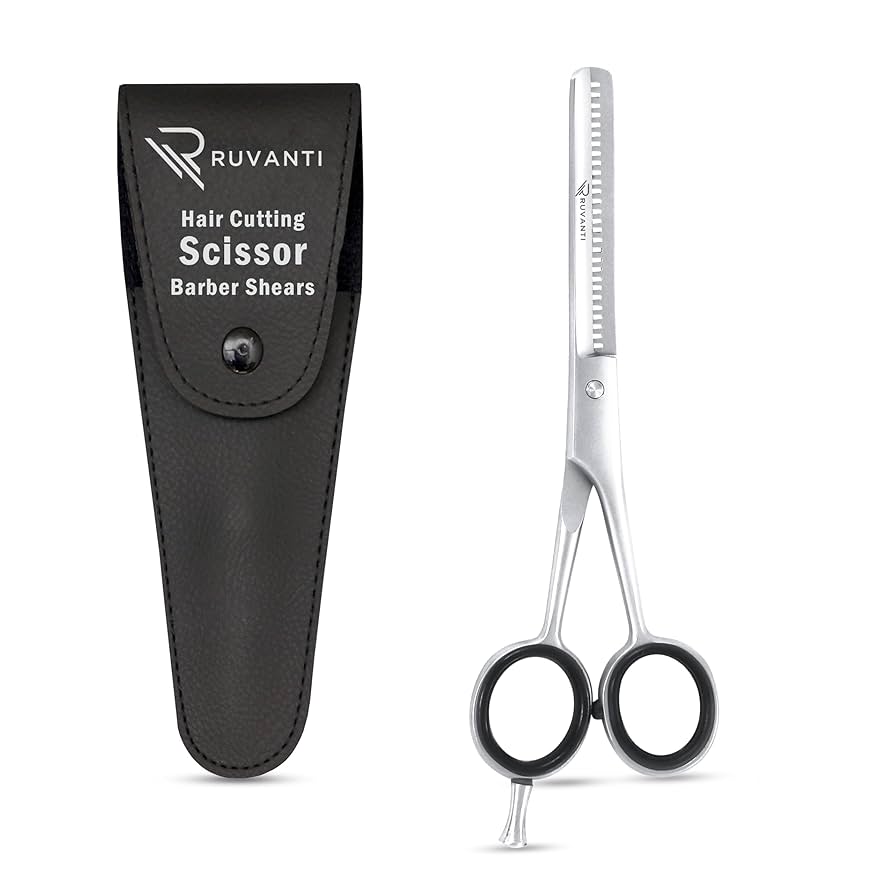
Have you ever wondered how hairstylists create those perfectly blended, natural-looking cuts? The secret often lies in a special tool called thinning shears.
If you want to learn how these unique scissors can transform your hair, reduce bulk, and add texture without changing the length, you’re in the right place. Keep reading to discover what thinning shears are, why they might be the game-changer for your hairstyle, and how you can use them to achieve salon-quality results at home.
Your hair deserves this!
Credit: www.weaverequine.com
What Thinning Shears Are
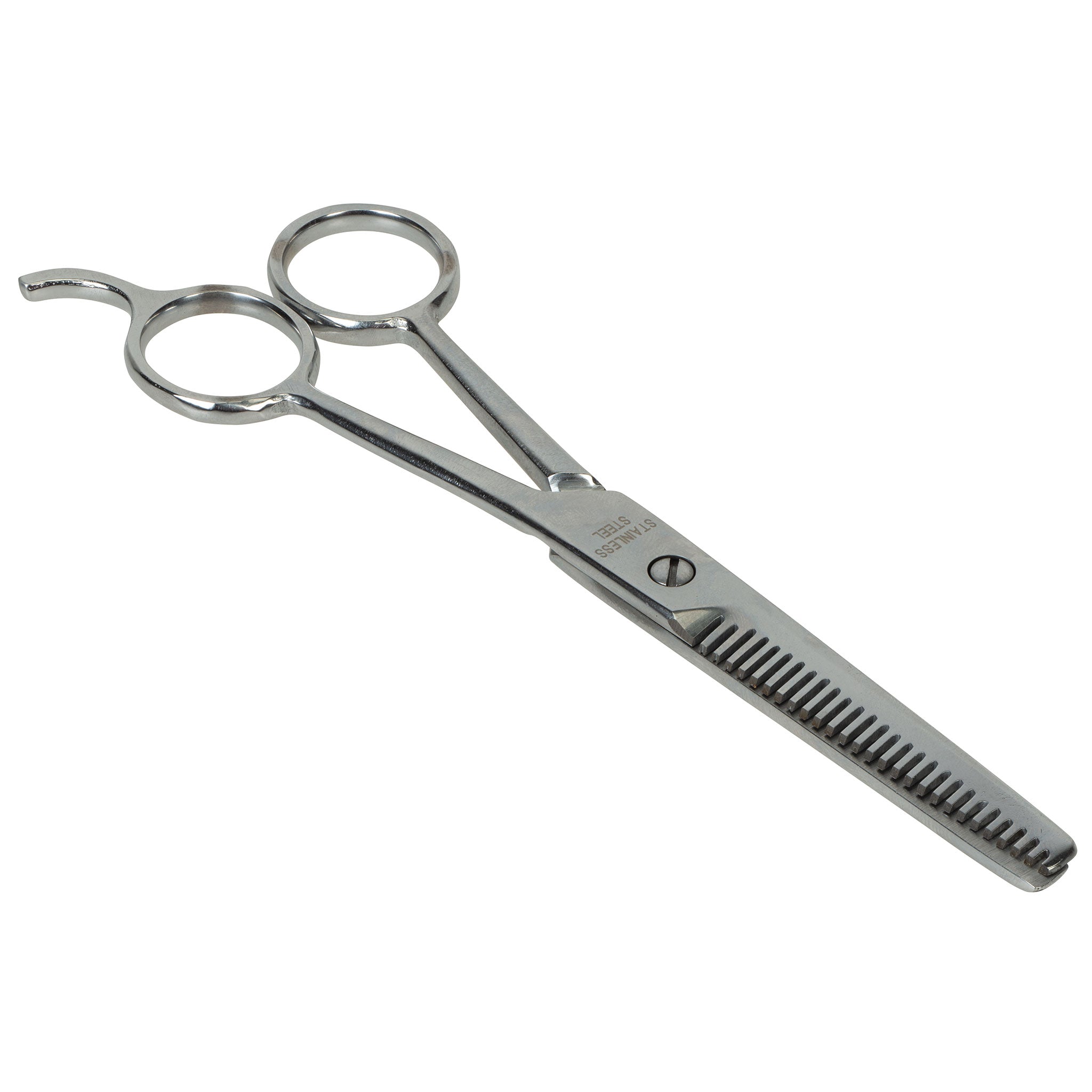
Thinning shears are special scissors used in hair cutting. They help remove bulk from hair without changing the overall length.
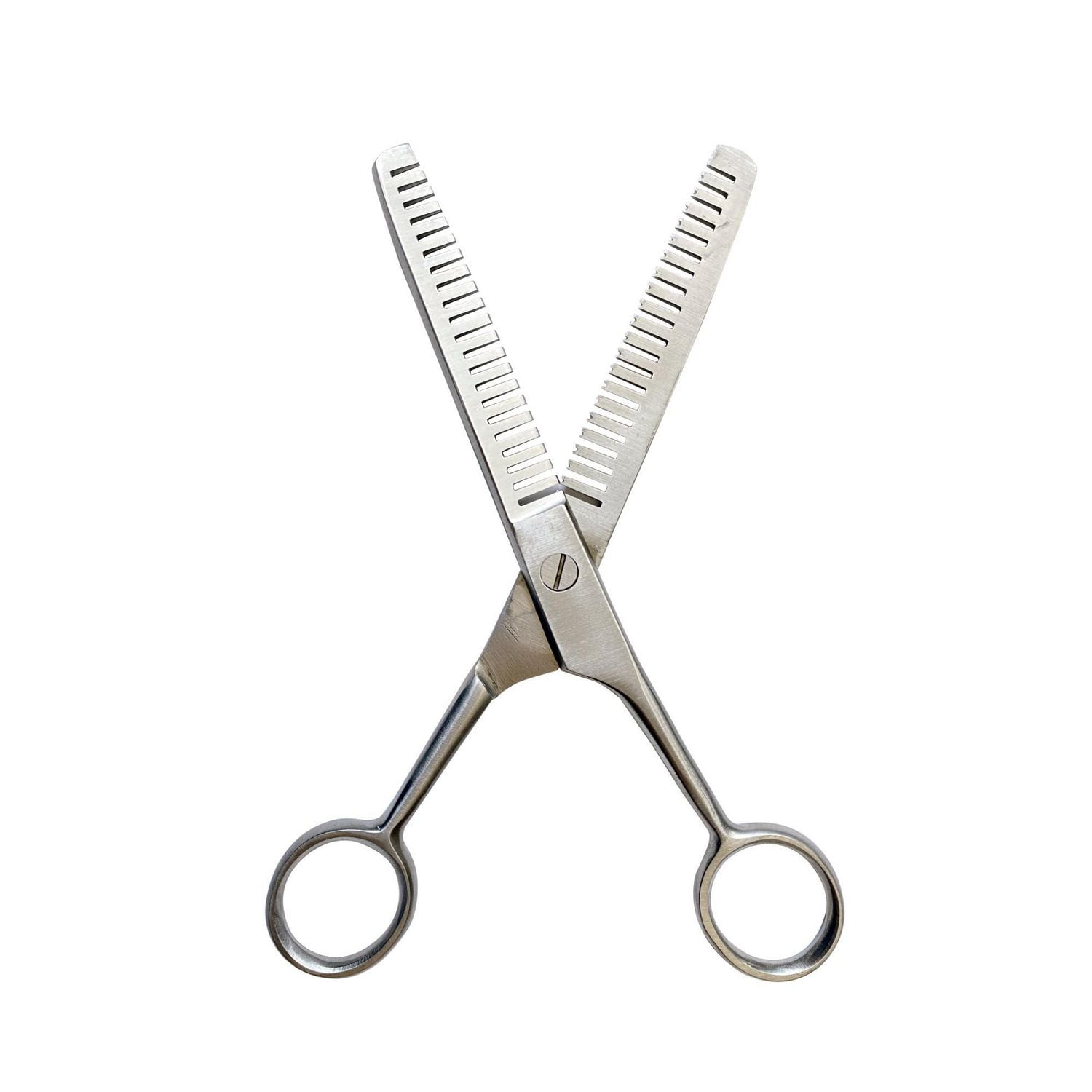
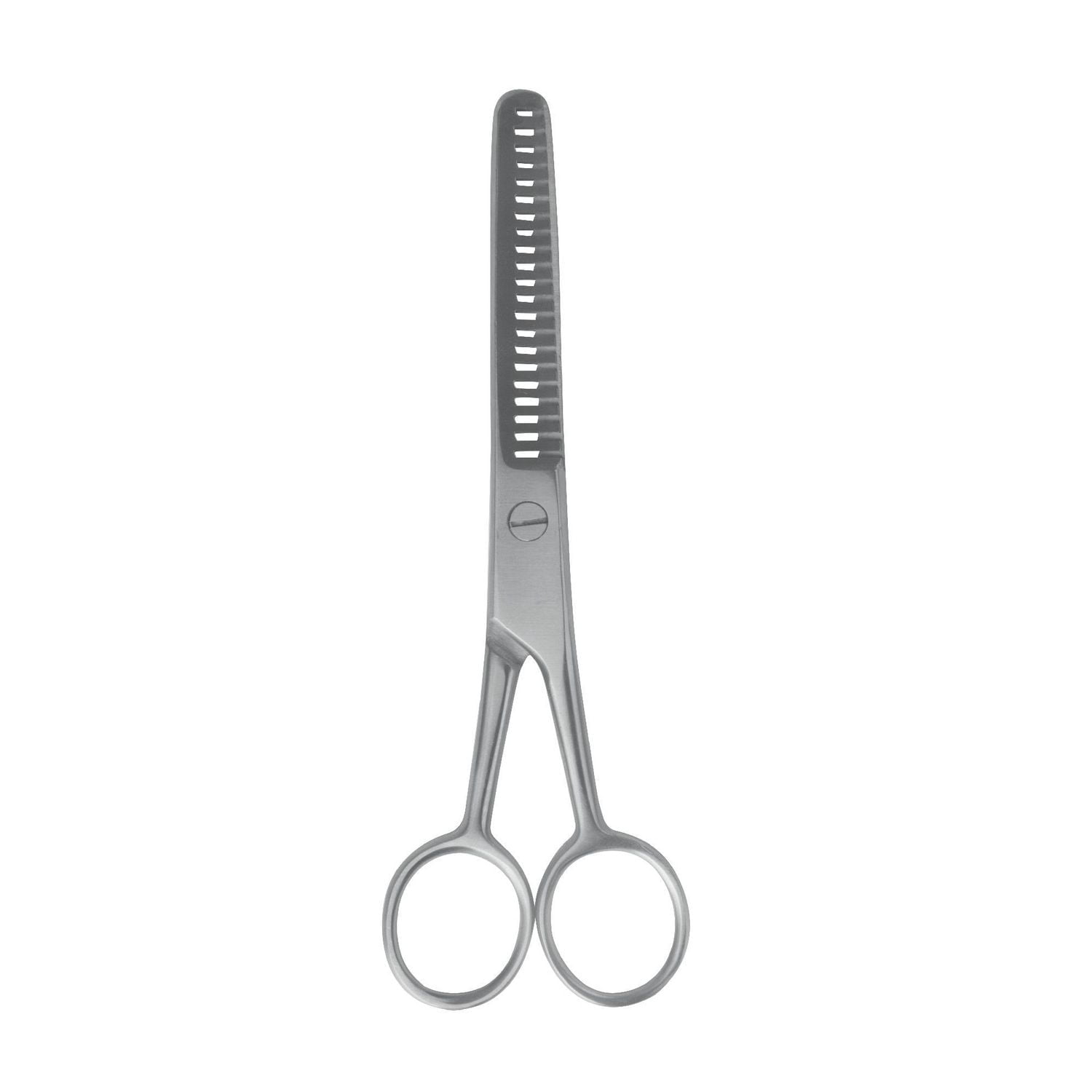
These shears have teeth on one or both blades. They cut some hair strands while leaving others untouched.
Design And Structure
Thinning shears look like regular scissors but have teeth along the blades. The teeth create spaces that allow only some hair to be cut.
- One blade is smooth, the other has teeth
- The teeth vary in number and size
- Commonly made from stainless steel
- Handles may have finger rests for comfort
Purpose And Use
Thinning shears thin thick hair and remove excess volume. They help blend layers and soften harsh lines.
| Use | Effect |
| Cutting thick hair | Reduces bulk |
| Blending layers | Smooth transitions |
| Texturizing ends | Creates softer look |
| Removing split ends | Improves hair health |
Difference From Regular Scissors
Regular scissors cut all hair they touch, making a blunt cut. Thinning shears cut only some strands, keeping the shape intact.
Note:Thinning shears are tools for styling, not for cutting large sections of hair.
Credit: www.walmart.ca
Types Of Thinning Shears
Thinning shears are tools used by hairstylists to reduce hair bulk. They blend and texturize hair without affecting length.
These shears have teeth on one or both blades. Different types serve different purposes in hair styling.
Texturizing Shears
Texturizing shears have fewer teeth. They remove more hair at once. This makes them great for adding layers and texture.
These shears create volume and movement. They are ideal for thick or curly hair that needs thinning.
- Typically have 7-15 teeth
- Best for removing weight from hair
- Used for creating soft, blended layers
Blending Shears
Blending shears have more teeth. They remove less hair with each cut. This makes them perfect for finishing and smoothing.
These shears help create a natural look. They are used to blend different sections of hair seamlessly.
- Usually have 25-40 teeth
- Great for fine-tuning and finishing
- Excellent for removing visible cutting lines
How Thinning Shears Work
Thinning shears are special scissors used to thin hair. They help remove bulk without cutting too much length.
These shears have teeth on one or both blades. The teeth cut some hair strands while leaving others untouched.
Blade Design
Thinning shears have one straight blade and one blade with teeth. The teeth look like small notches or gaps.
The teeth control how much hair is cut. They allow only some strands to be trimmed at a time.
- Straight blade cuts hair normally
- Toothed blade cuts hair selectively
- The number of teeth affects thinning level
Cutting Mechanism
When you close the shears, the straight blade cuts all hair in its path. The toothed blade cuts only some strands.
This action removes some hair but leaves others uncut. It reduces hair thickness gently and evenly.
- Close blades to cut hair
- Teeth catch and cut some strands
- Other strands pass through uncut
Hair Texture And Movement
Thinning shears create texture by removing bulk. They help hair look lighter and softer.
They also improve hair movement. Hair does not feel heavy or thick after thinning.
- Remove thick, heavy hair parts
- Make hair easier to style
- Enhance natural hair flow
Usage Techniques
Hairdressers use thinning shears by cutting small sections. They avoid cutting too much at once.
They also cut at different angles to blend hair layers. This creates a natural look without sharp edges.
- Cut small hair sections
- Use angles to blend layers
- Repeat to reach desired thinness
Choosing The Right Thinning Shears
Thinning shears help reduce hair bulk and add texture. Picking the right pair makes cutting easier and results neater.
Consider blade size, material quality, and handle design to find shears that suit your needs and comfort.
Blade Size And Teeth Count
Blade size affects control and cutting style. Teeth count controls how much hair is removed with each cut.
- Smaller blades offer precision for detailed work.
- Medium blades suit most general thinning tasks.
- More teeth remove less hair per cut for subtle thinning.
- Fewer teeth remove more hair for strong thinning effects.
Material And Quality
Good quality materials last longer and stay sharper. Stainless steel is common and resists rust. High-carbon steel blades hold edges well.
| Material | Advantages | Disadvantages |
| Stainless Steel | Rust resistant, easy to clean | May dull faster |
| High-Carbon Steel | Sharp and long-lasting edge | Needs more care to avoid rust |
| Titanium Coated | Very durable, stays sharp | Usually more expensive |
Handle Design
Handles affect comfort and control. Look for ergonomic shapes that fit your hand size.
- Offset handles reduce wrist strain during use.
- Swivel handles allow easy hand movement.
- Soft grips improve comfort over long periods.
- Adjustable tension screws help control blade tightness.
When To Use Thinning Shears
Thinning shears are special scissors that remove some hair while leaving the rest. They help change how thick or textured hair looks. Hairdressers use them in many ways to shape hair.
Knowing when to use thinning shears helps create a natural and balanced hairstyle. They work best to reduce bulk, add texture, and blend layers smoothly.
Reducing Hair Bulk
Thinning shears cut some strands without changing the overall length. This makes thick hair lighter and easier to style. Use them when hair feels too heavy or puffy.
- Thick hair that looks bulky
- Heavy ends that drag hair down
- Hair that is hard to manage or dry
Creating Texture
Thinning shears add softness and movement by cutting some strands unevenly. This creates a textured look without losing length. Use them to make hair look lively and fresh.
Tips for Texturing Hair:
- Cut in small sections for even texture
- Avoid thinning too close to the scalp
- Use on dry hair for best results
Blending Layers
Thinning shears help blend different hair layers together. They soften hard lines and make the cut look natural. Use them between layers after cutting to smooth the transition.
| Purpose | How Thinning Shears Help |
| Remove harsh edges | Soften lines between layers |
| Create smooth flow | Blend thick and thin areas |
| Balance volume | Reduce uneven bulk in layers |
Techniques For Using Thinning Shears
Thinning shears help reduce hair thickness and add texture. They create softer looks by removing bulk without changing length.
Using thinning shears correctly needs good technique. This guide explains key steps for better results.
Sectioning Hair
Start by dividing hair into small sections. This makes the cutting more precise and even.
Use clips to hold hair apart. Work on one section at a time for better control.
Angle And Placement
Hold thinning shears at a slight angle to the hair. This helps blend the hair naturally.
Place the shears about halfway down the hair shaft. Avoid cutting too close to the roots or ends.
- Cut at a 45-degree angle for soft blending
- Position shears in the middle of the hair strand
- Open and close shears gently to avoid harsh cuts
Cutting Frequency
Use thinning shears sparingly. Too much cutting can make hair look thin or uneven.
Check hair after a few snips. Stop when the desired texture or volume is reached.
- Cut small amounts at a time
- Pause often to assess the hair
- Limit thinning to 10-15% of hair per session
Common Mistakes To Avoid
Thinning shears help shape hair by removing bulk. Using them the right way keeps hair healthy and looking good.
Many people make errors that damage hair or cause bad results. Knowing what to avoid helps you use thinning shears better.
Over-thinning
Taking too much hair with thinning shears can leave hair thin and uneven. It may cause patchy spots or frizzy texture.
- Do not cut large sections at once.
- Use thinning shears sparingly, especially near the ends.
- Check hair thickness often while cutting.
Using On Wet Hair
Wet hair looks thicker and stretches more. Cutting with thinning shears on wet hair can cause uneven results when dry.
| Reason | Effect |
| Hair stretches when wet | Cut may be too short when hair dries |
| Hair appears thicker | Over-thinning risk increases |
| Harder to see final shape | Uneven texture and length |
Ignoring Hair Type
Different hair types need different thinning techniques. Using the same method on all hair can cause damage or poor results.
- Fine hair:Use thinning shears lightly to avoid making hair too thin.
- Curly hair:Avoid over-thinning to keep curls defined.
- Thick hair:Thinning shears can help remove bulk but cut small sections.
Credit: www.walmart.ca
Maintenance And Care Tips
Thinning shears need regular care to work well and last long. Proper maintenance keeps the blades sharp and clean. It also prevents rust and damage.
This guide covers cleaning, sharpening, and storage tips for your thinning shears.
Cleaning
Clean your thinning shears after each use. Hair and dirt can build up and cause rust or dullness.
- Wipe blades with a soft cloth to remove hair.
- Use rubbing alcohol to clean the blades and kill germs.
- Dry the shears completely to avoid rust.
- Apply a small drop of oil to the blades to keep them smooth.
Sharpening
Sharp blades cut better and reduce hair damage. Sharpen thinning shears carefully to keep their edge.
| Sharpening Method | Tips |
| Professional sharpening | Best for thorough and safe sharpening. Use a trusted service. |
| Manual sharpening | Use sharpening stones made for scissors. Follow the blade angle. |
| Frequency | Sharpen every few months or when blades feel dull. |
Storage
Store thinning shears in a dry place to avoid moisture damage. Proper storage protects blades and keeps shears ready to use.
- Keep shears in a protective case or pouch.
- Store away from other sharp tools to avoid nicks.
- Keep shears closed or locked when not in use.
- Check storage area for humidity and dryness.
Frequently Asked Questions
What Are Thinning Shears Used For?
Thinning shears are used to reduce hair volume and blend layers. They create texture and soften blunt cuts without changing hairstyle length.
How Do Thinning Shears Differ From Regular Scissors?
Thinning shears have one serrated blade and one straight blade. Regular scissors have two straight blades for clean, straight cuts without texturizing.
Can Anyone Use Thinning Shears At Home?
Yes, anyone can use thinning shears with practice. Use them carefully to avoid uneven hair and maintain a natural look.
How Often Should Thinning Shears Be Cleaned?
Clean thinning shears after each use to prevent buildup. Use a soft cloth and blade oil to keep them sharp and rust-free.
Conclusion
Thinning shears help remove bulk without changing hair length. They create softer, more natural hairstyles. Using them carefully can improve your look. These scissors suit both professional and home use. Try thinning shears to add texture and volume. They work well on all hair types.
Practice makes perfect with these special tools. Choose the right pair for best results. You’ll enjoy easier styling and a fresh appearance. Simple, useful, and effective—thinning shears are worth knowing about.