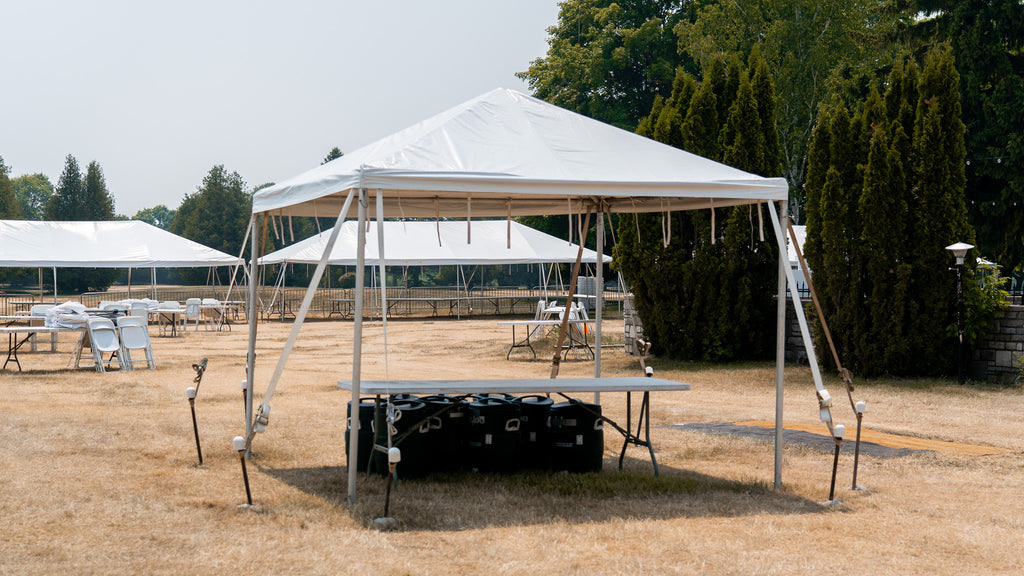
Have you ever seen those huge tents at fairs, festivals, or big outdoor events and wondered what they’re called? You’re not alone.
These giant tents aren’t just ordinary shelters—they play a big role in making events special and comfortable. If you’ve been curious about their name, purpose, or why they’re so popular, this article is made just for you. Keep reading, and you’ll discover everything you need to know about those impressive big tents.

Credit: americantent.com
Types Of Giant Tents
Big tents are often used for events, parties, and gatherings. They come in different styles and shapes. Each type has unique features and uses.
Here, we will look at four common giant tent types. These are marquee tents, pole tents, frame tents, and clear span tents.
Marquee Tents
Marquee tents are large tents with a peaked roof and sidewalls. They often look elegant and classic. These tents suit weddings and formal events.
They come in different sizes and can be linked together. The design allows good airflow and easy decoration.
Pole Tents
Pole tents have a central pole or several poles holding up the tent fabric. The roof forms peaks around the poles. This style gives a traditional look.
- Cost-effective and easy to set up
- Good for open, flat areas
- Strong in moderate wind
- Limited sidewall options
Frame Tents
Frame tents use a metal frame to hold up the fabric. They do not need center poles, so the inside space is clear. This makes them flexible for layouts.
They work well on hard surfaces like concrete. You can add sidewalls or open sides as needed.
Clear Span Tents
Clear span tents have no interior poles or supports. They use strong aluminum frames for large open spaces. This makes them great for big events and trade shows.
| Feature | Marquee Tent | Pole Tent | Frame Tent | Clear Span Tent |
| Interior Poles | Sometimes | Yes | No | No |
| Setup Surface | Grass or flat | Grass or flat | Grass, concrete | Grass, concrete |
| Typical Use | Weddings, parties | Casual events | Any event | Large events |
| Wind Resistance | Moderate | Good | Good | Excellent |
| Sidewall Options | Yes | Limited | Yes | Yes |
Materials Used In Large Tents
Large tents use strong materials to protect people and goods. These materials must resist weather and last long.
Different materials offer different benefits like breathability, waterproofing, or visibility. Let’s explore common materials used in big tents.
Canvas
Canvas is a heavy fabric made from cotton or linen. It is very durable and can handle strong winds and rain.
Canvas tents are breathable and good for hot weather. They can be treated to resist water and mildew.
Vinyl
Vinyl is a synthetic material that is waterproof and easy to clean. It is often used for large tents that need strong weather protection.
- Waterproof and blocks rain
- Durable and tear-resistant
- Easy to wipe clean
- Heavier than other fabrics
Polyester
Polyester is a lightweight and strong fabric. It dries quickly and resists stretching.
| Feature | Benefit |
| Lightweight | Easy to carry and set up |
| Water-resistant | Keeps inside dry in rain |
| Strong fibers | Long-lasting and tough |
| UV resistant | Protects against sun damage |
Mesh And Screened Walls
Mesh materials allow air to flow while keeping bugs out. They are great for warm weather tents.
Common uses of mesh and screened walls in tents:
- Ventilation to reduce heat
- Insect protection
- Lightweight and easy to pack
- Used in doors and windows
Common Uses For Giant Tents
Giant tents are large structures used for many events. They offer shelter and space for gatherings. These tents suit outdoor and indoor needs.
People use giant tents for different occasions. They create a special place for guests to meet and enjoy activities.
Weddings And Parties
Giant tents give a beautiful space for weddings and parties. They protect guests from weather. Tents can be decorated with lights and flowers.
- Wedding ceremonies
- Reception dinners
- Birthday celebrations
- Anniversary parties
Corporate Events
Companies use giant tents for meetings and events. Tents help host many people. They create an open and flexible space for work and fun.
| Event Type | Purpose |
| Product Launch | Show new products to guests |
| Team Building | Host group activities and games |
| Conferences | Hold presentations and speeches |
Festivals And Fairs
Giant tents are key for festivals and fairs. They offer space for food, crafts, and shows. Tents keep the event organized and safe.
- Food and drink stalls
- Performance stages
- Art and craft booths
- Information centers
Sporting Events
Giant tents support many sports events. They give shade and rest areas. Teams and fans use tents for comfort and meetings.
- Player rest zones
- Equipment storage
- Ticket and registration booths
- Medical aid stations

Credit: americantent.com
Setting Up Giant Tents
Giant tents are often used for big events like weddings or fairs. Setting them up needs careful work and planning.
This guide explains the main steps to set up large tents safely and correctly.
Site Preparation
Choose a flat and clear area to place the tent. Remove stones, sticks, and other obstacles. Check the ground for any holes or soft spots that might cause problems.
- Clear the space completely
- Measure the area to fit the tent size
- Mark the corners with stakes or flags
- Make sure the ground is firm and dry
Frame Assembly
Start by laying out all parts of the tent frame. Follow the instructions to connect poles and joints. Check that every piece fits tightly.
| Frame Part | Description | Tip |
| Poles | Long metal rods | Inspect for damage before use |
| Joints | Connect poles | Secure with pins or bolts |
| Base Plates | Support poles on ground | Place on flat surface |
| Cross Braces | Provide extra strength | Install last for stability |
Securing The Tent
After the frame is ready, attach the tent fabric. Use ropes and stakes to hold the tent tight. Make sure the tent will not move in the wind.
- Attach the fabric carefully to the frame
- Drive stakes into the ground at an angle
- Tighten ropes and secure them firmly
- Double-check all connections and fasteners
Weather Considerations
Large tents must handle sun, rain, and wind. Check weather forecasts before setup. Use extra ties and weights if wind is strong.
| Weather | Precautions |
|---|---|
| Rain | Use waterproof fabric and check drainage |
| Wind | Secure all ropes and add extra stakes |
| Sun | Choose UV-resistant material and provide shade |
Choosing The Right Tent Size
Big tents are often used for events like weddings and parties. Picking the right size is important for comfort and space.
The size of the tent depends on how many people will attend and what activities you plan.
Guest Capacity
Consider how many guests you expect. More people need a bigger tent.
Make sure there is enough room for everyone to sit or stand comfortably.
- 50 guests: 20×20 feet tent
- 100 guests: 30×30 feet tent
- 200 guests: 40×40 feet tent
Event Type
The type of event affects the tent size. Formal events need more space.
Dinners require room for tables and chairs, while parties need space to dance.
- Formal dinner: Extra room for tables and decor
- Concert: Space for stage and audience
- Wedding: Area for ceremony and reception
Additional Space Needs
Think about additional spaces. You may need areas for food, bathrooms, or storage.
Extra space can make the event more comfortable and functional.
- Catering: Space for food prep and serving
- Restrooms: Portable bathroom areas
- Storage: Room for supplies and equipment

Credit: americantent.com
Renting Vs Buying Giant Tents
Big tents are often used for events like weddings and festivals. People wonder if renting or buying these tents is better. Each choice has its own benefits and challenges.
This guide looks at three main points to help you decide: cost factors, storage and maintenance, and frequency of use.
Cost Factors
Renting a giant tent means you pay only for the time you use it. Buying a tent needs a large upfront cost. You also pay for repairs and cleaning if you own it.
| Type | Initial Cost | Ongoing Cost | Long-Term Value |
| Renting | Low | Rental fees per use | None |
| Buying | High | Maintenance and storage | Asset |
Storage And Maintenance
Owning a giant tent requires space to store it safely. You must clean and fix it to keep it usable. Renting removes these worries since the rental company handles them.
- Owner must find dry, secure storage
- Regular cleaning needed to avoid damage
- Repairs can be costly and time-consuming
- Renters get tents ready to use
Frequency Of Use
If you use giant tents often, buying may save money in the long run. For rare use, renting is more practical. Evaluate how many events need a tent each year.
- Use tent more than twice a year: consider buying.
- Use tent once or twice a year: renting is better.
- Special events only: rent to avoid storage hassle.
Safety Tips For Large Tents
Large tents are popular for events and gatherings. They offer shelter and space for many people. Safety is very important when using these tents.
Knowing how to keep tents safe helps prevent accidents. Follow simple rules to protect everyone inside.
Fire Safety
Fire can spread quickly in a large tent. Use fire-resistant materials for the tent fabric. Keep open flames away from the tent walls.
- Do not allow smoking inside or near the tent.
- Keep fire extinguishers near all exits.
- Have a fire safety plan and share it with all staff.
- Test fire alarms and emergency lighting before the event.
Structural Stability
Strong winds and rain can cause tents to collapse. Make sure the tent is installed on level ground. Use strong stakes and ropes to keep it stable.
| Check Area | Clear of sharp objects and debris |
| Anchoring | Use heavy-duty stakes and secure ropes |
| Weather | Monitor forecast and avoid storms |
| Inspection | Check poles and joints for damage |
Emergency Exits
Emergency exits must be clear and easy to find. Mark exits with bright signs. Keep paths free of obstacles.
- Have at least two exits for large tents.
- Train staff on how to guide guests to exits.
- Do not block exits with furniture or decorations.
- Use lighting to show exit paths during night events.
Innovations In Giant Tent Design
Big tents are used for many events like festivals, weddings, and trade shows. These large tents have changed a lot over time.
New designs help tents last longer, use less energy, and stay comfortable. Let’s explore some key innovations in giant tent design.
Eco-friendly Materials
Many big tents now use eco-friendly materials to reduce waste. These materials come from natural or recycled sources.
Using eco-friendly fabrics helps lower pollution and makes tents safer for the environment.
- Recycled polyester from plastic bottles
- Organic cotton and hemp fabrics
- Biodegradable coatings for water resistance
- Low-impact dyes and finishes
Modular Systems
Modular tents use parts that fit together like building blocks. This makes them easy to set up and change size.
These systems save time and allow tents to be reused for different events.
- Sections connect with simple clips or hooks
- Flexible shapes for different spaces
- Easy to add or remove walls and roofs
- Transport parts fit in smaller packages
Climate Control Features
New tents have better ways to control temperature and air quality inside. This keeps people comfortable in any weather.
These features also help reduce energy use while keeping fresh air flowing.
- Built-in vents and windows for airflow
- Insulated fabric layers to keep heat or cold out
- Options for fans, heaters, or air conditioners
- Smart sensors to adjust temperature automatically
Frequently Asked Questions
What Are Those Big Tents Used For?
Big tents, often called marquees, are used for events like weddings, festivals, and parties. They provide large covered spaces outdoors, protecting guests from weather while offering a stylish venue.
What Is The Official Name For Big Tents?
The official name for big tents is “marquee. ” Marquees are large, portable tents designed to host events and gatherings, offering shelter and ample space.
How Are Big Tents Set Up Quickly?
Big tents use modular frames and heavy-duty fabric for fast assembly. Professional crews follow a planned process to ensure stability and safety during setup.
Are Big Tents Weather-resistant?
Yes, big tents are weather-resistant. They use waterproof materials and sturdy frames to withstand rain, wind, and sun, making them suitable for outdoor events in various conditions.
Conclusion
Big tents have many names, like marquees or event tents. They come in different shapes and sizes for various uses. People use them for parties, weddings, and outdoor events. These tents protect from sun and rain, making events comfortable. Choosing the right tent depends on the event and number of guests.
Now, you know what those big tents are called and why they matter. Next time you see one, you’ll recognize it easily. Simple and useful structures for many occasions.