Have you ever wondered why trowels are a must-have tool in so many projects? Whether you’re fixing a small patch of wall or starting a big garden makeover, knowing what trowels are used for can save you time and frustration.
This simple tool holds the key to smoother, faster, and more precise work. Keep reading, and you’ll discover how using the right trowel can make your tasks easier and your results look professional every time.

Credit: www.amazon.com
Types Of Trowels
Trowels are hand tools used in masonry and gardening. They help move, spread, and shape materials like mortar and soil.
There are different types of trowels. Each type has a unique shape and use. Knowing the types helps you pick the right tool.
Brick Trowels
Brick trowels are the most common type. They have a flat, triangular blade. This shape helps spread mortar evenly on bricks.
They also help lift and place bricks. The pointed tip reaches tight spots. Builders use brick trowels to create strong walls.
Pointing Trowels
Pointing trowels have a small, narrow blade. They are perfect for detailed work. Masons use them to fill small gaps between bricks.
This trowel helps repair cracks and joints. Its size allows better control and precision. Pointing trowels keep brickwork neat and strong.
Margin Trowels
Margin trowels have a rectangular blade. They are good for working in tight spaces. Gardeners and masons use them to smooth and shape materials.
These trowels help apply mortar along edges. They also scrape excess material. Margin trowels are small but very useful for detail work.
Notched Trowels
Notched trowels have a flat blade with notches on one edge. These notches help spread adhesive evenly. They are often used in tile work.
The notches create ridges in glue or mortar. These ridges help tiles stick better. Notched trowels come in different notch sizes for various jobs.
- Smaller notches for thin materials
- Larger notches for heavier tiles
- Square or V-shaped notches for different textures
Trowel Uses In Masonry
Trowels are important tools for masonry work. They help workers handle bricks, blocks, and mortar.
This tool makes building walls and structures easier and neater. Different trowel uses help with specific tasks.
Laying Bricks And Blocks
Trowels help place bricks and blocks in the right position. They hold mortar to stick the materials together.
- Pick up mortar and spread it on the brick or block.
- Lift bricks or blocks and set them on mortar beds.
- Adjust the position for a straight and level wall.
- Clean off excess mortar from the surface.
Spreading Mortar
Spreading mortar evenly is important for strong walls. Trowels help spread mortar smoothly and in thin layers.
| Type of Spread | Purpose |
| Bed Mortar | Hold bricks or blocks in place |
| Butter Mortar | Apply on brick ends for joining |
| Scratch Coat | Base layer for plaster or stucco |
Filling Joints
Trowels help fill joints between bricks or blocks. This seals gaps and adds strength to the wall.
Workers use the pointed end of the trowel to press mortar deep into joints. This prevents cracks and water leaks.
Trowels For Gardening
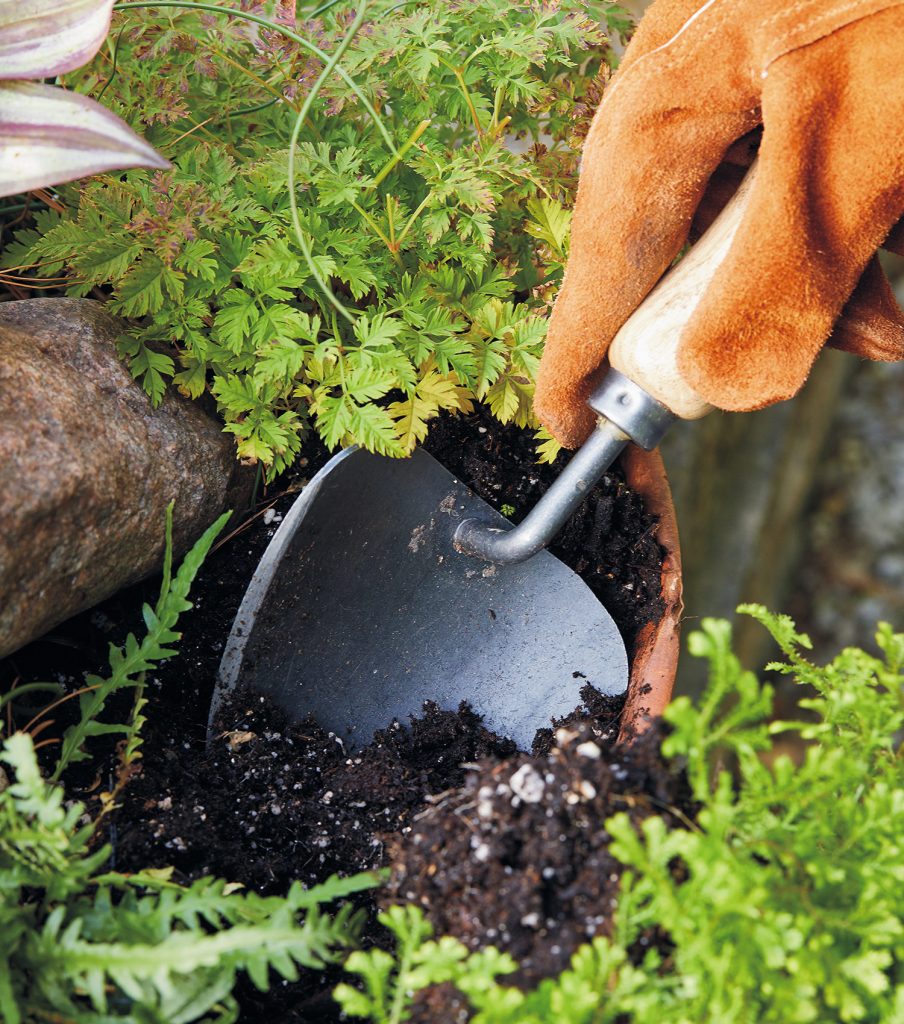
Trowels are small hand tools used in gardening. They have a pointed, scoop-shaped metal blade with a handle.
Gardeners use trowels for many tasks like digging, planting, and moving soil.
Planting And Transplanting
Trowels help you dig holes for seeds or small plants. They make planting easier and faster.
When moving plants, trowels gently lift roots with soil. This protects the plant during transplanting.
Soil Aeration
Trowels break up compacted soil. This lets air, water, and nutrients reach plant roots better.
Using a trowel to loosen soil helps plants grow strong and healthy.
Weeding
Trowels remove weeds by digging under their roots. This stops weeds from growing back quickly.
They work well in tight spaces where large tools cannot reach.

Credit: www.protilertools.co.uk
Trowels In Tile Work
Trowels are essential tools in tile work. They help in spreading adhesive and creating smooth surfaces. Understanding their uses can improve your tiling projects.
Different trowels serve different purposes. Knowing which to use will make your tile work more efficient and effective.
Applying Adhesive
Trowels are used to apply adhesive evenly on surfaces. This ensures that tiles stick properly and stay in place.
- Choose the right trowel size for your tile type.
- Hold the trowel at a 45-degree angle.
- Spread adhesive evenly with the notched side.
Creating Even Surfaces
Trowels help in leveling tiles. They ensure each tile is at the same height, creating a smooth surface.
| Tile Type | Recommended Trowel |
| Small Tiles | 3/16-inch V-notch |
| Medium Tiles | 1/4-inch Square notch |
| Large Tiles | 1/2-inch U-notch |
Choosing The Right Trowel
Trowels are essential tools for gardening and masonry work. Picking the right trowel helps you work faster and with less effort.
Different trowels suit different tasks. Knowing their features lets you choose one that fits your needs.
Material And Handle Types
Trowels come in various materials and handle styles. Each has pros and cons for comfort and durability.
- Steel Blades:Strong and long-lasting, good for heavy jobs.
- Stainless Steel:Resists rust and easy to clean.
- Plastic Blades:Lightweight but less durable, best for light gardening.
- Wooden Handles:Comfortable grip but may wear out over time.
- Plastic Handles:Durable and water-resistant.
- Rubber Handles:Provide extra grip and reduce hand fatigue.
Size And Shape Considerations
Trowels vary in size and shape for different tasks. Choosing the right one depends on what you want to do.
| Shape | Best Use | Notes |
| Pointed | Digging and breaking soil | Sharp tip for precision |
| Rounded | Moving soil and mixing materials | Smooth edges for scooping |
| Square | Leveling and smoothing surfaces | Flat edge for spreading |
| Large Blade | Cover more ground quickly | Heavier, less precise |
| Small Blade | Work in tight spaces | Light and easy to control |
Maintaining Your Trowel
Trowels are useful tools for spreading and shaping materials like cement and plaster. Taking care of your trowel helps it last longer and work better.
Regular maintenance prevents rust and damage. Clean and store your trowel properly after each use.
Cleaning Tips
Clean your trowel right after using it. Removing dirt and material stops buildup and rust.
Use water and a brush to scrub off cement or plaster. Avoid using harsh chemicals that can damage the metal.
- Rinse trowel with clean water
- Use a stiff brush to remove stuck material
- Dry the trowel completely to prevent rust
- Apply light oil if storing for a long time
Storage Recommendations
Store your trowel in a dry place to avoid rust. Keep it away from moisture and dirt.
Hanging your trowel or placing it in a toolbox keeps it safe and easy to find. Avoid stacking heavy items on top of it.
- Keep trowel in a dry area
- Hang it on a hook or pegboard
- Store in a toolbox or container
- Do not place heavy objects on top
Safety Tips For Trowel Use
Trowels are useful tools for spreading and smoothing materials like cement and plaster. Using them safely helps prevent injuries and work problems.
Following safety tips keeps you safe and improves your work quality. Always pay attention while handling trowels.
Proper Handling
Hold the trowel firmly but comfortably. Avoid gripping it too tight to reduce hand strain.
Use smooth and controlled movements to apply materials. Avoid sudden or rough actions that can cause slips or accidents.
- Keep your wrist straight while working
- Do not use a damaged or bent trowel
- Clean the trowel after each use to keep it sharp
- Store the trowel safely when not in use
Protective Gear
Wear gloves to protect your hands from cuts and blisters. Gloves also improve grip on the trowel handle.
Use safety glasses to protect your eyes from flying debris or splashes of cement and plaster.
- Wear sturdy gloves made for construction work
- Use safety glasses with side protection
- Wear long sleeves to avoid skin contact with materials
- Use dust masks if working with dry cement or powders

Credit: www.amazon.com
Frequently Asked Questions
What Are The Main Uses Of A Trowel?
Trowels are primarily used for spreading, shaping, and smoothing materials like mortar, plaster, and concrete. They help in bricklaying, gardening, and small construction tasks, ensuring precision and a neat finish.
How Do Different Trowels Vary By Use?
Different trowels have varied blade shapes and sizes. Pointed trowels suit masonry work, flat trowels are for smoothing surfaces, and gardening trowels help dig and transplant plants efficiently.
Can Trowels Be Used For Gardening Purposes?
Yes, gardening trowels are essential for planting, digging small holes, removing weeds, and mixing soil. Their pointed blades make garden tasks easier and more precise.
Why Are Trowels Important In Bricklaying?
Trowels evenly spread mortar between bricks, ensuring strong adhesion and a level surface. They allow masons to work efficiently and create durable, well-aligned structures.
Conclusion
Trowels serve many important tasks in construction and gardening. They help spread, shape, and smooth materials like cement or soil. Different types suit different jobs, making work easier and neater. Knowing how to use a trowel well saves time and effort.
Simple tools, big impact. Trowels remain essential for both beginners and experts alike. A small tool with many uses.