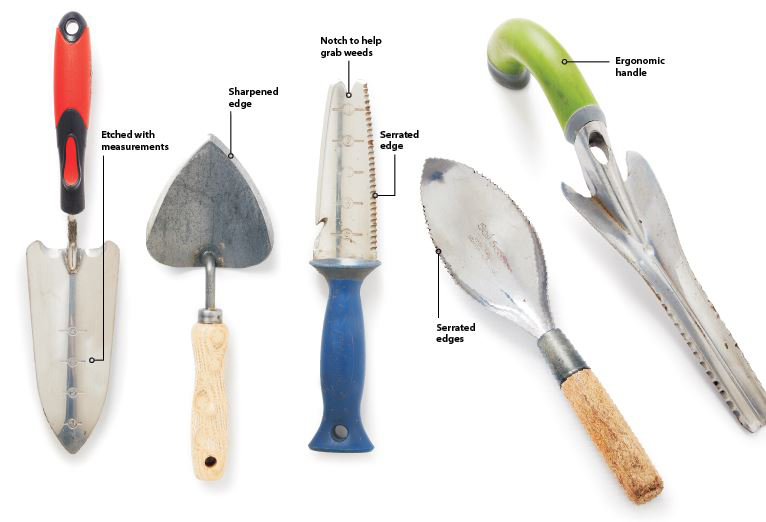
Have you ever wondered what makes a builder’s job smoother and more precise? If you’re curious about tools that help shape your projects perfectly, understanding trowels is key.
Whether you’re a DIY enthusiast or just starting out, knowing what a trowel is and how it works can save you time and effort. Keep reading, and you’ll discover how this simple tool can become your best friend in any construction or gardening task.
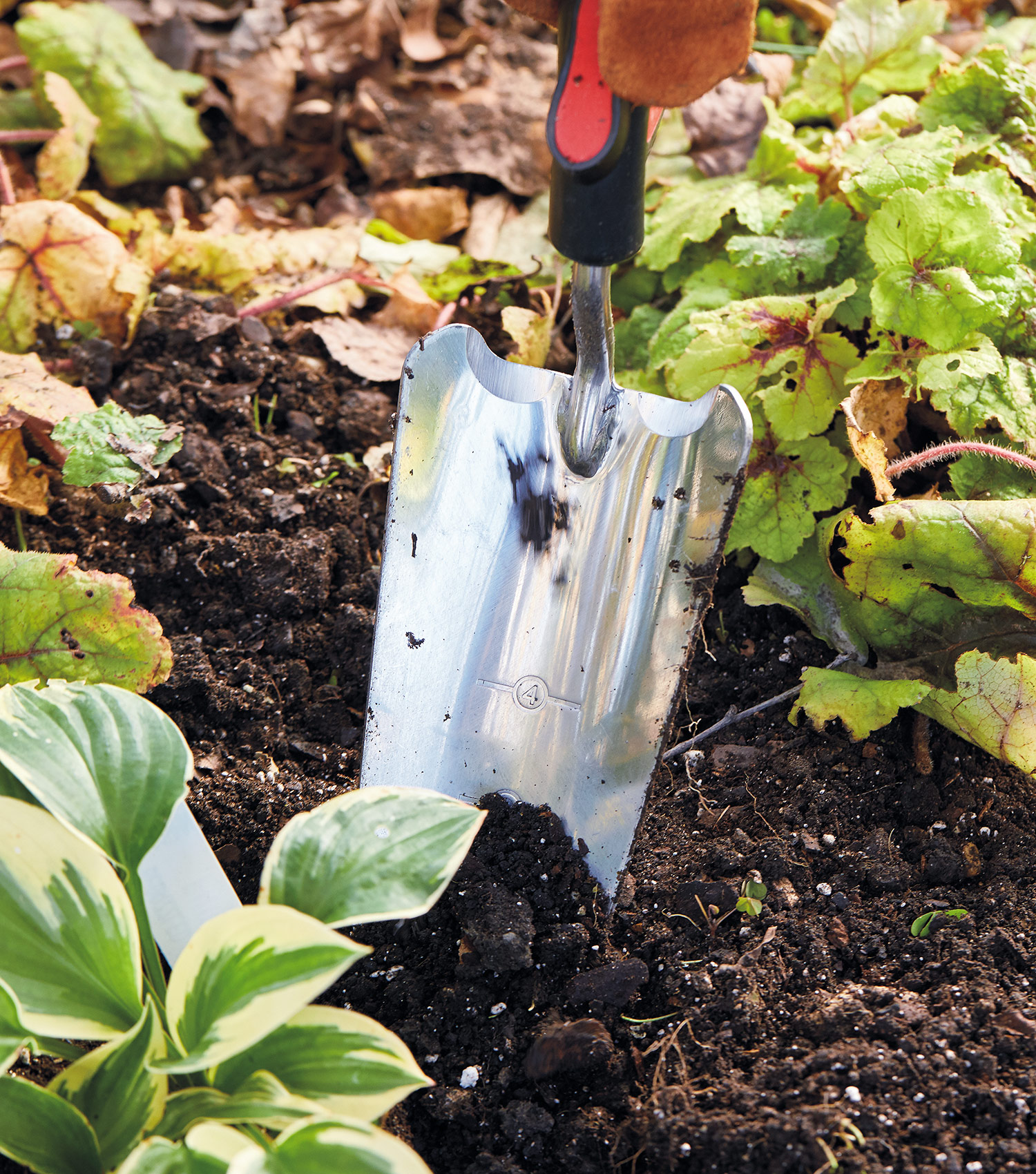
Credit: www.gardengatemagazine.com
Types Of Trowels
Trowels are hand tools used in construction and gardening. They help spread, shape, and smooth materials like mortar and plaster.
There are different types of trowels. Each type has a special shape and use for specific tasks.
Brick Trowels
Brick trowels have a long, flat blade with a pointed tip. They are used to spread mortar on bricks.
The pointed tip helps place mortar in tight spaces. This trowel is common for bricklaying and block work.
Pointing Trowels
Pointing trowels are small with a triangular blade. They are used for filling small gaps and cracks.
This trowel is great for detailed work like repairing mortar joints. Its size allows better control in tight spots.
Notched Trowels
Notched trowels have a flat blade with one or more notches along the edge. These notches help spread adhesive evenly.
They are often used for laying tiles or flooring. The size of the notches controls the thickness of the adhesive layer.
- Small notches for thin layers
- Large notches for thick layers
- Different notch shapes suit different materials
Margin Trowels
Margin trowels have a small rectangular blade. They are used for mixing and scraping mortar or plaster.
This trowel fits well in tight spaces. It is useful for cleaning joints and smoothing small surfaces.
Gauging Trowels
Gauging trowels have a rounded or pointed blade. They are used to mix small amounts of plaster or mortar.
Their shape helps scoop and blend materials easily. This trowel is handy for detailed plaster work and repairs.
Materials And Design
Trowels are tools used for digging, smoothing, or applying materials. Their design and materials make them strong and easy to use.
Good materials and design help workers finish jobs faster and with less effort. Let’s look at the parts of a trowel.
Blade Materials
The blade is the flat part of a trowel. It needs to be tough to handle hard materials.
Most blades are made from steel, but there are types of steel and other materials used too.
- Stainless steel blades resist rust and last long
- Carbon steel blades are strong but can rust if not cared for
- Plastic blades are light and good for soft materials
- Aluminum blades are lightweight but less strong
Handle Types
The handle is where you hold the trowel. It should feel comfortable and give a good grip.
Handles come in different materials and shapes to fit different needs and hands.
- Wood handles offer a natural feel and good grip
- Plastic handles are light and easy to clean
- Rubber handles give a soft and slip-free hold
- Metal handles are strong but can be heavy
Ergonomic Features
Ergonomic features make a trowel easier to use for long times. They reduce hand strain and pain.
Good design includes shapes and materials that fit the hand and reduce pressure points.
- Curved handles fit the hand better
- Soft grips reduce slipping and discomfort
- Balanced weight helps control the tool easily
- Non-slip surfaces improve safety
Common Uses In Construction
Trowels are hand tools used widely in construction. They help workers apply and shape materials like mortar and cement.
Different types of trowels serve different tasks. These tools make building and finishing surfaces easier and neater.
Laying Bricks And Blocks
Trowels help place mortar on bricks or blocks. Workers spread mortar evenly to join bricks tightly.
The pointed tip of a brick trowel fits between bricks. This helps position bricks correctly and keep walls straight.
Applying Mortar And Cement
Trowels spread mortar or cement smoothly on surfaces. They allow control over how thick the layer should be.
This tool helps workers apply material quickly and accurately. It prevents waste and keeps the work clean.
Smoothing And Finishing Surfaces
Trowels smooth wet cement or plaster on walls and floors. They remove bumps and fill small holes.
The flat, wide blade helps create a flat, even finish. This makes surfaces ready for painting or tiling.
Tile Installation
Trowels spread adhesive evenly before placing tiles. The notched edge creates grooves for better grip.
Proper use of a tile trowel ensures tiles stick firmly. It also keeps tiles level and spaced correctly.
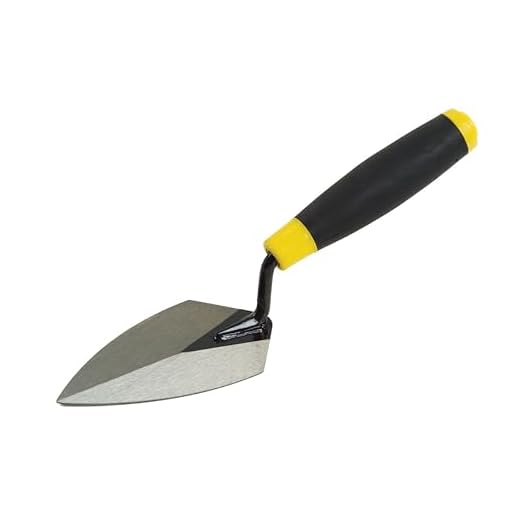
Credit: www.engimarket.com
Choosing The Right Trowel
Trowels are essential tools for many building jobs. Picking the right one helps you work better and faster.
Different trowels suit different tasks. Think about what you need before buying one.
Project Requirements
Check the type of work you will do with the trowel. Some jobs need special shapes or sizes.
For example, masonry work often needs a pointed trowel. Plastering may require a flat one.
- Masonry: pointed trowel for placing bricks
- Plastering: flat trowel for smoothing surfaces
- Tile work: notched trowel for spreading adhesive
Durability And Comfort
Choose a trowel made with strong materials. It should last through many uses.
Comfort matters. Look for a handle that feels good in your hand and reduces strain.
- Steel blades resist rust and breakage
- Wood or rubber handles offer a firm grip
- Ergonomic handles reduce hand fatigue
Size And Shape Considerations
Trowels come in many sizes and shapes. Pick one that fits your hand and job size.
Small trowels work well in tight spaces. Large trowels cover more area quickly.
- Small (4-6 inches): detailed or small jobs
- Medium (8-10 inches): most general tasks
- Large (12+ inches): big surfaces and fast work
- Pointed or square tips suit different materials
Care And Maintenance
Trowels are essential tools for gardening and construction. Proper care extends their life and efficiency.
Regular maintenance keeps them sharp and ready for any task. Here are some tips on how to care for your trowels.
Cleaning Tips
Cleaning your trowels after use prevents rust and damage. Follow these simple steps for effective cleaning.
- Rinse dirt off with water immediately after use.
- Dry thoroughly with a clean cloth to avoid rust.
- Use a wire brush to remove stubborn soil.
Storage Solutions
Proper storage protects trowels from damage. Find a dry place to keep them safe.
Consider using a wall-mounted rack to hang your trowels. This keeps them organized and off the ground.
Sharpening And Repairs
Keeping your trowels sharp ensures they perform well. Regular checks help identify issues early.
| Task | Frequency |
| Sharpen blades | Monthly |
| Check handles | Every use |
| Tighten screws | Biweekly |
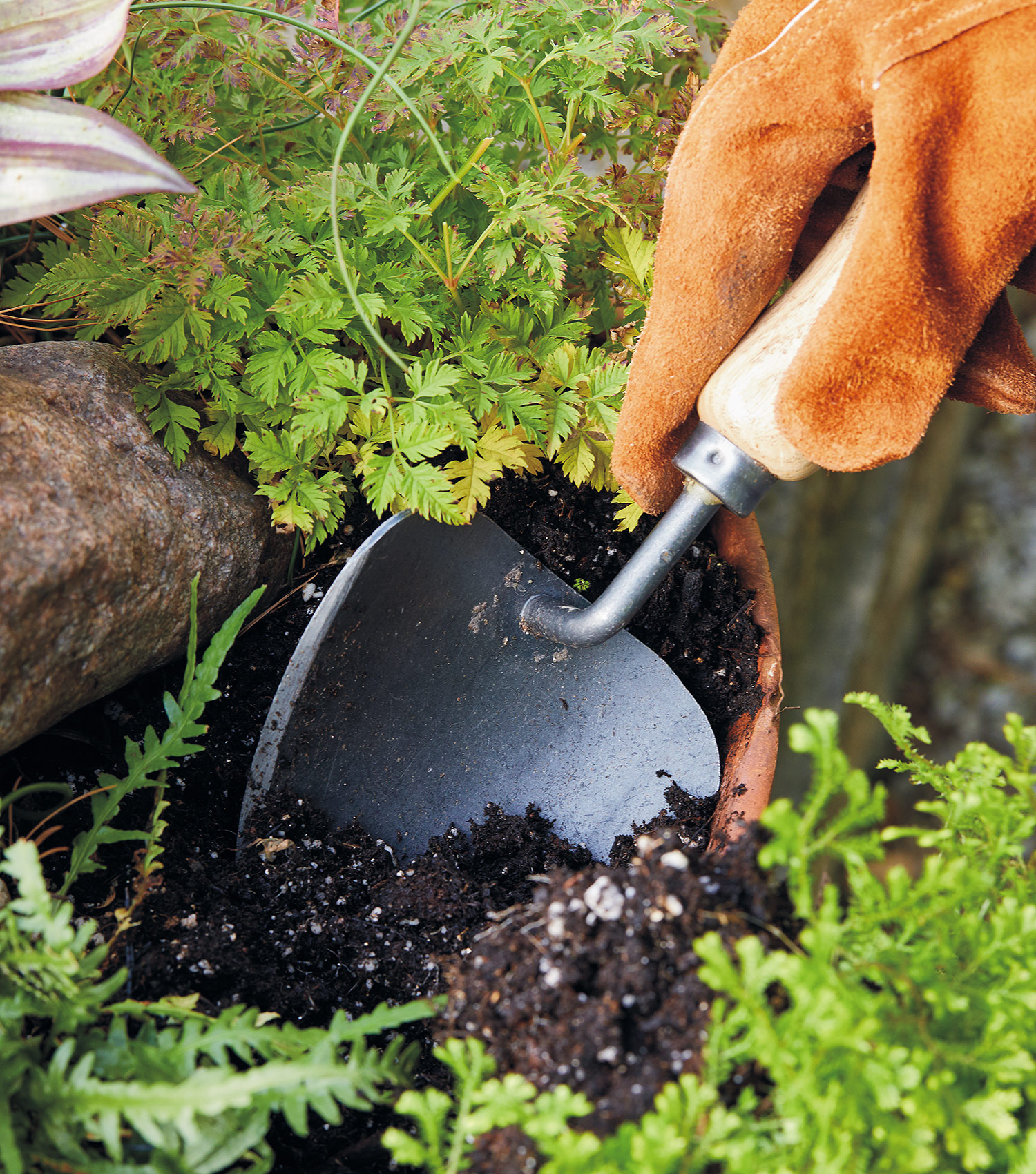
Credit: www.gardengatemagazine.com
Safety Tips When Using Trowels
Trowels are handy tools for gardening and construction tasks. Using them safely helps prevent injuries and keeps your work smooth.
Follow safety tips to protect yourself and work better with trowels.
Protective Gear
Wearing the right gear protects your hands and body from cuts and scrapes. Always use gloves to shield your hands.
Eye protection is important if you work with materials that can fly into your eyes.
- Wear sturdy gloves to protect your hands
- Use safety glasses to guard your eyes
- Consider long sleeves to protect your arms
Proper Handling Techniques
Hold the trowel firmly but comfortably. Use your wrist and arm to move it, not just your fingers.
Keep the blade pointed away from your body and others. Always cut or dig away from yourself.
- Grip the handle firmly
- Move the trowel with your arm, not fingers
- Point the blade away from your body
- Work in a clear area to avoid hitting people
Avoiding Common Injuries
Injuries happen if you rush or use a damaged trowel. Check your tool before use and work carefully.
Take breaks to avoid hand strain and stop if you feel pain.
- Inspect trowel for cracks or rust before use
- Work slowly and carefully
- Take regular breaks to rest your hands
- Stop if you feel pain or discomfort
Frequently Asked Questions
What Is A Trowel Used For?
A trowel is a hand tool used in masonry, gardening, and construction. It helps apply, spread, and shape materials like mortar and soil precisely.
What Are The Main Types Of Trowels?
The main types include brick trowels, pointing trowels, and garden trowels. Each serves specific tasks like laying bricks, finishing joints, or digging soil.
How Do You Choose The Right Trowel?
Choose a trowel based on your task, material type, and size needs. Comfort, blade shape, and handle grip also influence your choice.
Can Trowels Be Used For Gardening?
Yes, garden trowels are designed for digging, planting, and weeding. Their small size makes them perfect for detailed gardening work.
Conclusion
Trowels are simple but useful tools for many jobs. They help spread, shape, and smooth materials like cement or soil. Knowing about different trowels can make your work easier and neater. These tools suit gardeners, builders, and DIY lovers alike.
Choosing the right trowel saves time and effort. Keep your trowel clean to make it last longer. Small tool, big help. Use trowels well, and your projects will look great.