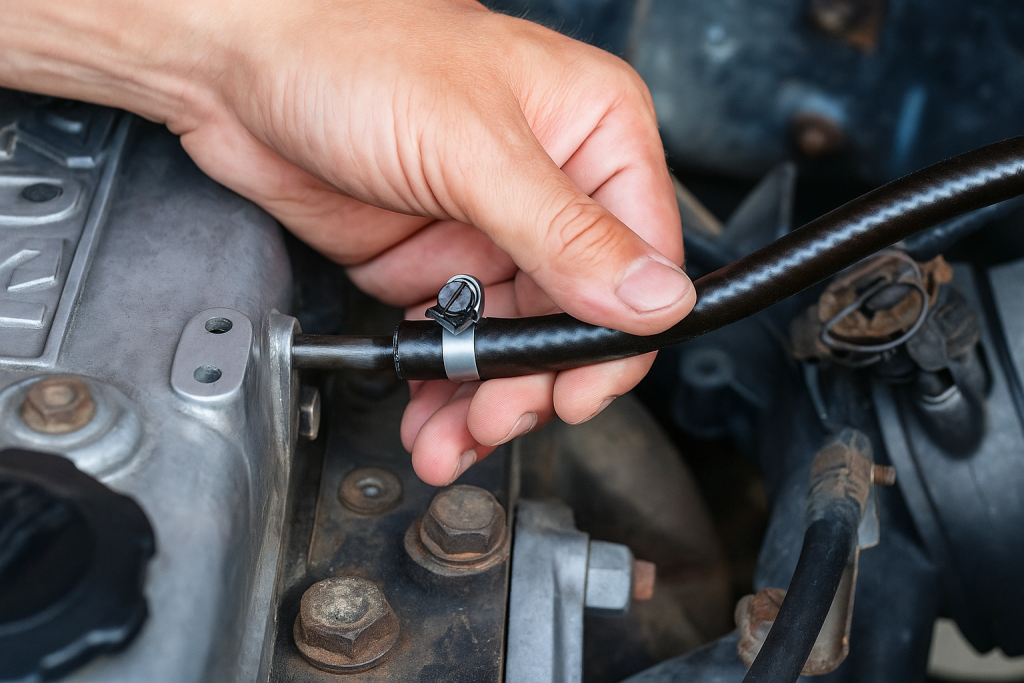
Do you ever wonder what makes your car’s engine run smoothly and efficiently? You might not realize it, but vacuum lines play a crucial role in your vehicle’s performance.
These seemingly simple components are essential for a variety of functions under the hood. But what exactly are vacuum lines in a car, and why should you care? Understanding these hidden heroes can save you from unexpected breakdowns and costly repairs.
Get ready to uncover the secrets of your car’s vacuum lines, so you can keep your vehicle in top shape and enjoy a worry-free drive. Keep reading to discover how these small yet mighty parts impact your driving experience and what you can do to maintain them.
Role Of Vacuum Lines
Vacuum lines play an important role in a car’s engine system. They carry vacuum pressure from the engine to different parts. This pressure helps control various functions that keep the engine running smoothly. Without vacuum lines, many engine components would not work correctly.
How Vacuum Lines Work
Vacuum lines are small tubes made of rubber or plastic. They connect the engine’s intake manifold to other devices. The intake manifold creates a vacuum when the engine runs. This vacuum pulls air through the lines. The vacuum pressure activates devices like brakes and fuel controls. It also helps measure airflow and control emissions.
Key Functions In The Engine
- Operate the brake booster for easier braking
- Control the fuel pressure regulator for proper fuel delivery
- Manage the EGR valve to reduce emissions
- Help the HVAC system control airflow inside the car
- Assist in regulating the idle speed of the engine
Impact On Vehicle Performance
Vacuum lines affect how well the engine runs. Leaks or cracks can cause poor engine performance. The engine may idle roughly or stall. Fuel efficiency can drop, and emissions may increase. Proper vacuum line function ensures smooth acceleration and better fuel use. It keeps the car safe and reliable on the road.
Credit: www.solsticeforum.com
Common Vacuum Line Materials
Vacuum lines in a car are essential for various engine functions, and the materials used for these lines play a crucial role in their performance and longevity. Choosing the right vacuum line material can affect how well your car runs and how often you need to replace parts. Understanding the common materials helps you make better decisions for maintenance and repairs.
Types Of Vacuum Hoses
Most vacuum hoses are made from rubber, silicone, or plastic. Rubber hoses are flexible and affordable, making them common in many vehicles. Silicone hoses handle high temperatures better and resist cracking, which is great if your engine runs hot.
Plastic vacuum lines are lightweight but less flexible and more prone to damage from vibrations. Some specialized hoses also include braided reinforcement for extra strength. Have you ever noticed a cracked rubber hose under your hood? That’s a sign it might be time to consider silicone for a longer-lasting fix.
Durability And Lifespan
Rubber vacuum lines usually last around 3 to 5 years before they start cracking or leaking. Silicone hoses can last much longer, sometimes up to 10 years, because they resist heat and chemicals better. However, silicone can be more expensive and less flexible than rubber, which might affect installation.
Plastic lines tend to wear out faster, especially in hot engine environments. It’s important to inspect your vacuum lines regularly, no matter what material they’re made from. Have you checked your vacuum hoses lately? A small leak can cause big engine problems.
Signs Of Vacuum Line Issues
Noticing signs of vacuum line issues early can save you from costly repairs and keep your car running smoothly. These lines play a crucial role in managing engine functions, so any problem with them often shows up in how your car behaves or sounds. Recognizing these signs quickly helps you decide when to check or replace the vacuum lines before the problem worsens.
Symptoms Of Leaks
Vacuum leaks often cause your engine to run unevenly. You might feel the car idling roughly or notice it stalls more frequently at stops. Sometimes, the check engine light comes on without a clear reason, signaling a possible vacuum leak.
Look for a drop in fuel efficiency too. If your car suddenly starts using more gas, vacuum line leaks could be to blame. Have you ever experienced these symptoms after driving through a rough road or after engine work?
Effects On Engine Behavior
When vacuum lines fail, your engine can hesitate during acceleration or lose power unexpectedly. This happens because the air-fuel mixture gets unbalanced, affecting performance. If your car feels sluggish or struggles to pick up speed, it might be time to inspect the vacuum lines.
Another sign is difficulty starting the engine, especially in cold weather. Your car may crank longer than usual before catching. These subtle changes in engine behavior often point to vacuum line issues that many drivers overlook.
Noise Indicators
Unusual sounds coming from under the hood can be a clear warning. A hissing or sucking noise often means air is escaping through a cracked or disconnected vacuum line. Have you ever heard this sound and wondered what it was?
Pay attention to changes in engine noise during idling or acceleration. These noises can get louder as the vacuum leak worsens. Catching these sounds early helps you avoid engine damage and keeps your car running quietly.
Diagnosing Vacuum Line Problems
Diagnosing vacuum line problems in your car is crucial for maintaining engine performance and fuel efficiency. These lines control important functions like fuel delivery, emissions control, and brake boosters. Catching issues early can save you from costly repairs and frustrating breakdowns.
Visual Inspection Tips
Start by opening the hood and looking closely at the vacuum lines. Check for cracks, splits, or signs of wear—rubber hoses often dry out and become brittle over time.
Look for disconnected or loose lines, especially near the intake manifold and vacuum reservoir. A quick shake test can reveal hidden damage as damaged lines may feel weak or collapse under pressure.
Don’t forget to inspect clamps and connectors; a loose clamp can cause a vacuum leak just as easily as a cracked hose.
Using Diagnostic Tools
A simple smoke machine can be a game-changer for spotting leaks that aren’t visible to the naked eye. It pumps smoke into the vacuum system, highlighting escaping smoke from cracks or loose fittings.
Alternatively, a handheld vacuum gauge helps you measure system pressure and detect leaks by showing abnormal readings. This tool can provide instant feedback on your vacuum system’s health.
Scan tools that read engine codes can point you to vacuum-related trouble spots, especially if the check engine light is on. These codes help narrow down which line or component needs attention.
Pressure Testing Methods
Pressure testing involves applying a controlled amount of pressure to the vacuum lines and watching for drops over time. A slow pressure drop usually means there’s a leak somewhere.
Use a pressure pump with a gauge designed for automotive vacuum systems. Connect it to the vacuum line and monitor the gauge for any decrease in pressure.
This method is highly effective for pinpointing small leaks that are difficult to detect visually or with smoke. Have you ever been surprised by a tiny hole causing big engine issues?
Vacuum Line Repair Techniques
Vacuum line repair techniques help keep your car running smoothly. These lines control important functions like fuel pressure and engine timing. Fixing vacuum lines quickly prevents poor engine performance and higher fuel use. This section explains simple ways to repair vacuum lines safely and effectively.
Temporary Fixes
Temporary fixes can stop leaks until a full repair is possible. Use electrical tape or rubber patches to cover small holes or cracks. Make sure the area is clean before applying the patch. Avoid using glue, as it may not hold under engine heat. These fixes are short-term and need replacement soon.
Replacing Damaged Hoses
Damaged hoses should be replaced with new ones to ensure proper function. Choose hoses that match the size and material of the original. Cut the new hose to the correct length using sharp scissors. Slide the hose onto the fittings firmly. Use hose clamps to secure the connections and prevent leaks.
Ensuring Proper Connections
Check all connections to avoid loose or leaking vacuum lines. Make sure hoses fit tightly on each end. Replace worn or cracked connectors with new ones. Inspect the entire vacuum system regularly for damage. Proper connections improve engine efficiency and reduce air leaks.
Preventive Maintenance
Preventive maintenance helps keep your car’s vacuum lines in good shape. These lines are small tubes that carry air pressure to different engine parts. If they break or leak, your engine may run poorly. Checking and caring for vacuum lines regularly saves costly repairs and keeps your car running smoothly.
Routine Checks
Inspect vacuum lines during every oil change or service visit. Look for cracks, hard spots, or loose fittings. Use a flashlight to see inside dark engine areas. Listen for hissing sounds that show air leaks. Clean dirt and oil from the lines to prevent damage.
Protecting Vacuum Lines
- Keep the engine bay clean to avoid dust buildup.
- Avoid sharp bends or pinching of vacuum hoses.
- Use proper clamps to secure lines firmly in place.
- Apply silicone spray to protect hoses from drying out.
- Shield lines from extreme heat with heat-resistant wraps.
When To Replace
Replace vacuum lines that are cracked, brittle, or swollen. Any sign of leaking air means the hose is failing. Old hoses become soft and lose shape. Change them every few years or as recommended in your car’s manual. Using fresh vacuum lines improves engine performance and fuel efficiency.
Vacuum Lines And Emissions
Vacuum lines play a vital role in managing car emissions. These small tubes carry vacuum pressure to different engine parts. This pressure helps control air and fuel mixtures. Proper functioning of vacuum lines keeps emissions low. Faulty lines can lead to higher pollution. Understanding their role helps in maintaining cleaner air and better engine performance.
Role In Emission Control
Vacuum lines connect to emission control devices. They operate valves that reduce harmful gases. For example, they help the EGR valve recirculate exhaust gases. This process lowers nitrogen oxide emissions. They also assist the PCV system in removing blow-by gases. Without vacuum pressure, these systems fail to work properly. Thus, vacuum lines ensure the engine emits fewer pollutants.
Impact Of Faulty Lines On Emissions
Damaged or leaking vacuum lines cause emission problems. Air leaks disrupt the air-fuel balance in the engine. This imbalance increases harmful exhaust gases. It can trigger the check engine light. Faulty lines may cause rough idling and poor fuel economy. Emission tests often fail due to bad vacuum lines. Replacing or repairing these lines improves air quality and engine health.
Credit: www.cgsulitstore.com

Credit: www.reddit.com
Frequently Asked Questions
What Are Vacuum Lines In A Car Used For?
Vacuum lines carry vacuum pressure to various engine components. They control emissions, fuel delivery, and braking systems. Proper functioning ensures smooth engine performance and fuel efficiency.
How Do Vacuum Lines Affect Engine Performance?
Vacuum lines regulate air pressure in the engine. Leaks or damage cause rough idling, poor acceleration, and increased emissions. Maintaining them is crucial for optimal engine function.
What Are Common Signs Of Vacuum Line Problems?
Signs include engine misfires, stalling, hissing sounds, and check engine lights. These indicate leaks or blockages that disrupt engine vacuum pressure and performance.
Can I Replace Vacuum Lines Myself?
Yes, replacing vacuum lines is usually straightforward. Use the correct hose type and size. Ensure secure connections to avoid leaks and engine issues.
Conclusion
Vacuum lines play a key role in your car’s engine system. They help control air and fuel flow for smooth running. Damaged or blocked lines can cause engine problems and poor performance. Regular checks keep your car working well and prevent costly repairs.
Understanding vacuum lines helps you notice issues early. Simple care keeps your vehicle reliable and efficient. Keep an eye on these small but important parts. They quietly help your car perform every day.