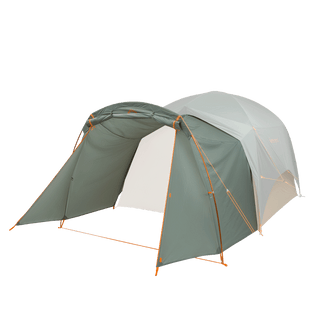
Have you ever wondered what makes a tent more than just a simple shelter? If you want extra space to store your gear, protect yourself from the weather, or create a cozy entryway, understanding vestibules in a tent is key.
Knowing what vestibules are and how they work can change the way you camp, making your experience more comfortable and organized. Keep reading to discover how this often-overlooked part of your tent can make a big difference on your next outdoor adventure.

Credit: www.coreequipment.com
Purpose Of Tent Vestibules
Vestibules are small covered areas attached to tents. They add useful space outside the main tent room. People use them for different purposes during camping.
This article explains three main purposes of tent vestibules. These include extra storage space, weather protection, and entryway function.
Extra Storage Space
Vestibules provide extra room to store gear outside the sleeping area. This keeps the tent less cluttered and more comfortable.
- Backpacks and boots can stay dry but outside the tent.
- Cooking tools can be kept nearby without using tent space.
- Wet clothes or muddy gear stay out of the sleeping area.
Weather Protection
Vestibules act as a shield from rain, wind, and snow. They help keep the tent entrance dry and safe.
| Weather Condition | Vestibule Benefit |
| Rain | Keeps water from entering the tent |
| Wind | Blocks strong gusts at the door |
| Snow | Prevents snow buildup near the entrance |
Entryway Function
Vestibules work as a buffer zone at the tent entrance. They help campers enter and exit without bringing dirt inside.
- Campers can remove shoes and boots before entering.
- They provide a dry spot to open the tent door safely.
- Vestibules reduce the chance of bugs entering the tent.
Credit: www.nemoequipment.com
Types Of Vestibules
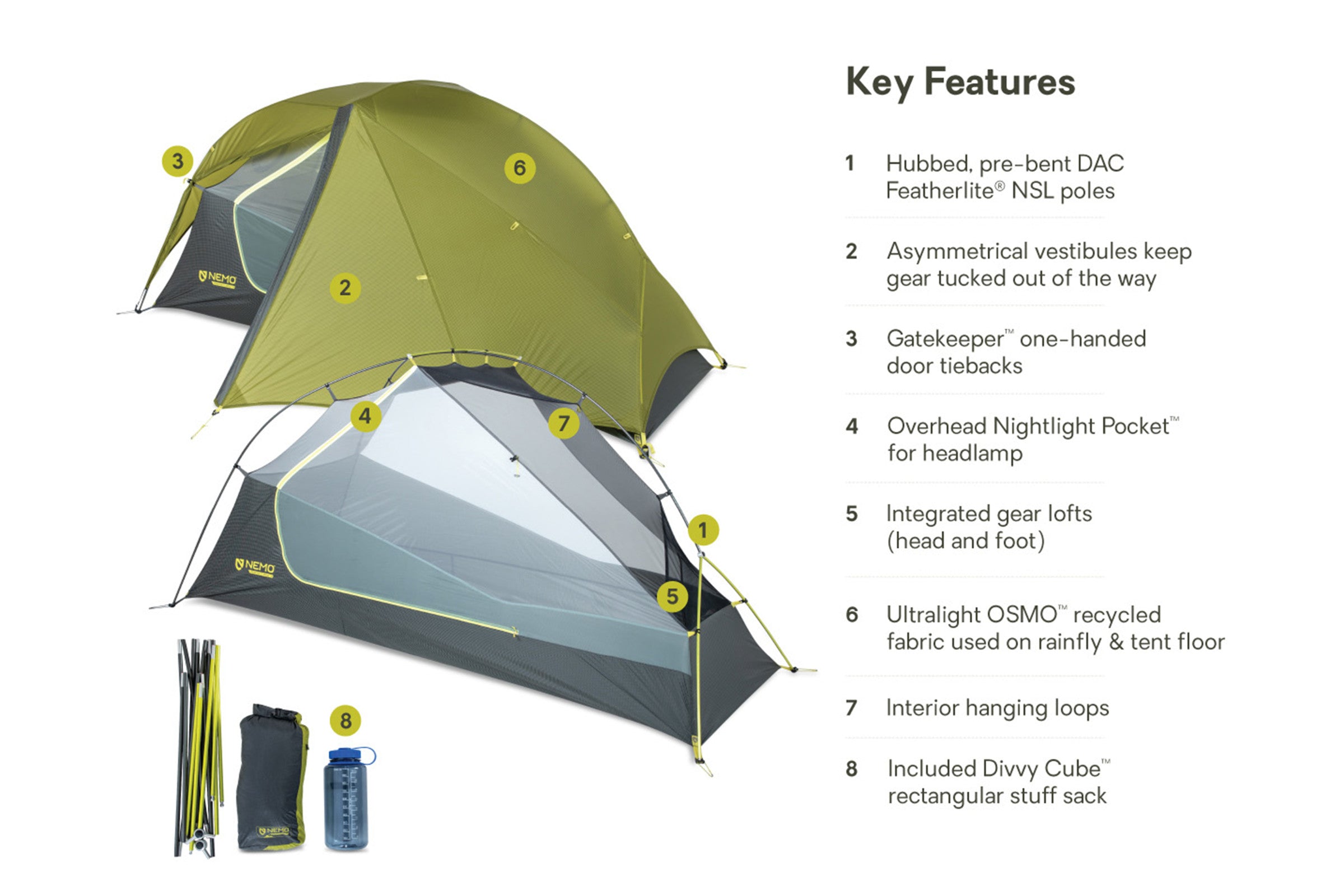
Vestibules are extra spaces attached to tents. They provide covered areas outside the main sleeping space.
Different tents have different types of vestibules. These types affect how much space and protection you get.
Single Vestibule
A single vestibule is one covered area outside the tent door. It keeps gear dry and protected from rain.
It is common in small to medium tents. This type saves weight and space while still adding extra shelter.
Double Vestibule
Double vestibules offer two covered areas on each side of the tent door. This design gives more storage space.
This type is useful for longer trips or larger groups. It allows users to keep gear separate and organized.
- Extra room for backpacks and shoes
- Better shelter from wind and rain
- More options for entering and exiting
Integrated Vestibule Designs
Integrated vestibules are built as part of the tent’s main structure. They blend smoothly with the tent walls.
This design improves weather protection. It also helps keep the tent stable in strong winds.
- No extra setup needed for the vestibule
- Better sealing against bugs and rain
- Often found in high-quality camping tents
Materials Used In Vestibules
Vestibules in tents provide extra space for gear and protection from the elements. The materials used in vestibules determine their durability and functionality.
Understanding the materials can help you choose the right tent vestibule for your needs.
Waterproof Fabrics
Waterproof fabrics keep the vestibule dry during rain. These fabrics are essential for preventing moisture from seeping in.
| Fabric Type | Water Resistance |
| Polyester | High |
| Nylon | Moderate |
| Canvas | Low |
Mesh Panels
Mesh panels in vestibules provide ventilation and keep insects out. They are lightweight and easy to use.
- Improve airflow inside the vestibule
- Prevent bugs from entering
- Offer privacy while allowing light
Durable Flooring Options
Durable flooring options protect gear and ensure comfort. They are vital for maintaining the vestibule’s integrity.
- Polyethylene: Affordable and water-resistant
- Reinforced Nylon: Strong and durable
- Thermoplastic Polyurethane: High abrasion resistance
Setting Up A Vestibule
A vestibule is an extra space attached to your tent. It keeps your gear dry and protected from the weather.
Setting up a vestibule correctly helps you use your tent better. It adds comfort and storage space.
Attaching To The Tent
Most vestibules connect to the tent door or rainfly. Check the zippers or Velcro straps for attachment points.
Line up the vestibule edges with the tent’s base. Make sure the fabric is tight and without wrinkles.
Securing With Stakes And Guy Lines
Use stakes to pin the vestibule to the ground. Place them at each corner and along the edges.
Attach guy lines to loops on the vestibule. Pull them tight and secure with stakes away from the tent.
- Place stakes firmly into the ground
- Keep guy lines tight but not too tight
- Check tension after setting up
Tips For Stability In Wind
Point the vestibule entrance away from strong winds. This reduces wind pressure on the fabric.
Add extra guy lines if the wind is strong. Tie them to solid objects or extra stakes for support.
- Use heavy-duty stakes in soft soil
- Check and tighten lines regularly
- Lower tent height if possible
Benefits For Campers
Vestibules are extra covered spaces outside the main tent area. They offer many benefits to campers during outdoor trips. These spaces help improve comfort and convenience.
Adding a vestibule to your tent protects gear, enhances airflow, and creates more living space. These advantages make camping easier and more enjoyable.
Gear Protection
A vestibule keeps your gear safe from rain, dirt, and bugs. You can store backpacks, shoes, and cooking tools there without cluttering your tent.
- Protects gear from weather damage
- Keeps dirt and mud outside the sleeping area
- Offers a dry place to store wet items
- Prevents bugs from entering the main tent
Improved Tent Ventilation
Vestibules help increase air flow inside the tent. They allow fresh air to enter while keeping rain out. This reduces condensation and keeps the tent dry.
| Ventilation Benefit | Result for Campers |
| Better air circulation | Less moisture inside tent |
| Reduced condensation | More comfort while sleeping |
| Fresh air intake | Improved air quality |
Enhanced Living Space
Vestibules add extra covered space outside your tent. You can use this area to cook, relax, or store gear. It makes your camping area feel bigger and more organized.
- Extra space for shoes and backpacks
- Covered area for cooking or sitting
- Keeps the tent interior less cluttered
- Provides shelter during bad weather
Choosing The Right Vestibule
Vestibules are extra covered spaces attached to tents. They protect gear and create sheltered entryways. Choosing the right vestibule improves comfort and usability during camping.
Consider your tent type, weather, and the balance between weight and space. These factors help pick a vestibule that fits your needs well.
Matching Tent Models
Not all vestibules fit every tent. Choose a vestibule designed for your tent model. This ensures a secure fit and proper coverage.
- Check the tent brand and model compatibility
- Look for vestibules that match your tent’s shape
- Consider vestibules made by the tent manufacturer
- Verify size measurements before buying
Considering Weather Conditions
Weather affects the type of vestibule you need. Wind, rain, and snow require strong materials and good coverage.
| Weather Type | Vestibule Features |
| Rain | Waterproof fabric, sealed seams |
| Wind | Sturdy poles, secure attachments |
| Snow | Strong frame, extra space for snow buildup |
| Dry/Cool | Lightweight, ventilated materials |
Balancing Weight And Space
Vestibules add weight and space to your setup. Find a balance that fits your trip style and gear needs.
- Choose lightweight vestibules for hiking trips
- Pick larger vestibules for base camping with more gear
- Consider easy setup and breakdown time
- Think about storage space inside the vestibule
Common Mistakes To Avoid
Vestibules in a tent offer extra storage and protection. Many campers make simple errors using them.
Avoiding common mistakes helps keep your gear dry and safe. It also makes your camping experience better.
Overloading The Vestibule
Putting too many items in the vestibule can damage the tent. The floor or fabric might tear under heavy weight.
Overloading also blocks air flow. This causes moisture buildup inside the tent, making it damp.
- Keep heavy gear outside the vestibule
- Store only lightweight items inside
- Distribute weight evenly on the floor
Improper Setup
Setting up the vestibule wrong leads to poor protection. It might not keep rain or wind out.
Make sure all zippers, poles, and stakes are used correctly. A loose vestibule can flap loudly and wear out fast.
- Follow the tent instructions carefully
- Check that the vestibule is taut and secure
- Use all poles and stakes designed for it
Ignoring Maintenance
Not cleaning or drying the vestibule causes mold and mildew. This damages the fabric over time.
Check the vestibule for holes and tears after every trip. Fixing small damage early saves bigger repair costs later.
- Air out the vestibule after use
- Wash dirt off with mild soap and water
- Repair small holes quickly with patch kits

Credit: www.coreequipment.com
Frequently Asked Questions
What Is A Vestibule In A Tent?
A vestibule is an enclosed space outside the tent’s main area. It offers extra storage for gear and shoes, protecting the tent’s interior from dirt and moisture.
Why Are Vestibules Important In Camping Tents?
Vestibules keep your tent clean and dry. They provide sheltered space for backpacks, cooking gear, and boots, enhancing comfort and organization during camping trips.
How Do Vestibules Improve Tent Usability?
Vestibules add functional space without expanding the sleeping area. They create a weatherproof entryway, allowing you to enter the tent without tracking dirt inside.
Can Vestibules Protect Gear From Bad Weather?
Yes, vestibules shield your equipment from rain, wind, and snow. They offer secure, dry storage outside the tent’s sleeping quarters, ensuring gear stays safe and accessible.
Conclusion
Vestibules add extra space outside your tent’s main area. They keep gear dry and protected from rain. You can store muddy boots or backpacks there. Vestibules also offer a sheltered spot for cooking or resting. Choosing a tent with a vestibule improves your camping comfort.
It helps keep the inside clean and organized. Remember, a good vestibule makes outdoor trips easier and more enjoyable.