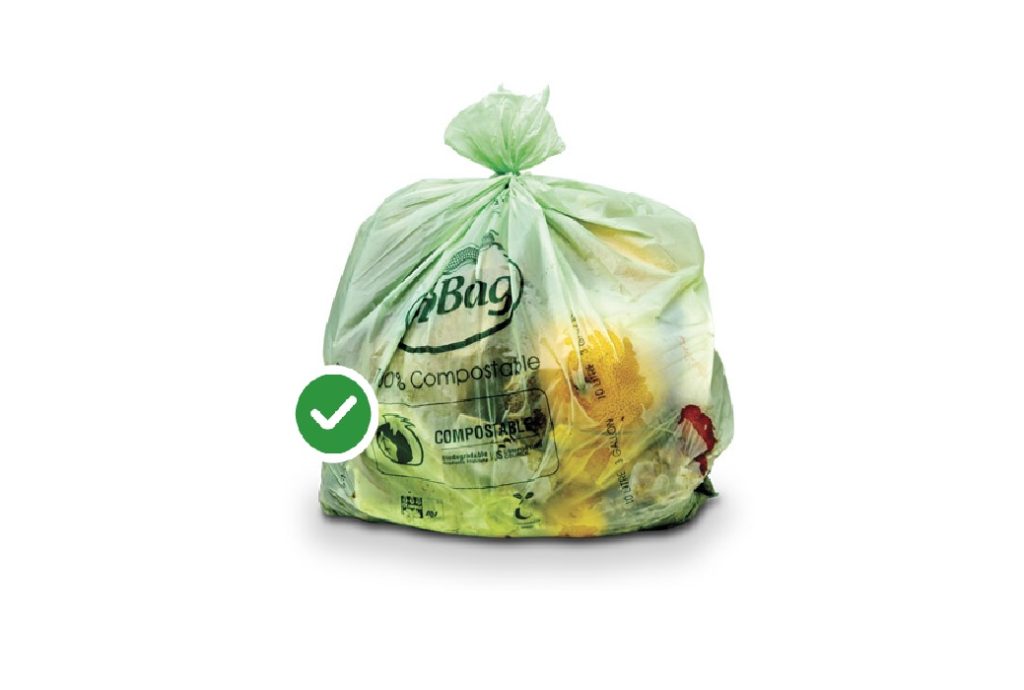
Are you wondering what bags you can use for your compost bin? Choosing the right bag can make your composting process cleaner, easier, and more efficient.
But with so many options out there, it’s hard to know which ones work best without causing mess or slowing down decomposition. You’ll discover simple, practical advice that helps you pick the perfect bags for your compost bin—so you can turn your kitchen scraps into rich soil without any hassle.
Keep reading to find out what works, what doesn’t, and how to make composting a breeze for you and your garden!

Credit: www.amazon.ca
Choosing The Right Compost Bags
Choosing the right bags for your compost bin is important. The right bags help keep your compost clean and healthy.
Not all bags work well for composting. Some can harm the compost or take a long time to break down.
Key Features To Look For
Good compost bags should be strong but still break down easily. Look for bags made from natural materials or special compostable plastics.
The bags should let air pass through. This helps the compost stay fresh and reduces bad smells.
- Made from compostable or biodegradable materials
- Allow air flow to prevent bad odors
- Strong enough to hold compost without tearing
- Break down quickly in compost conditions
Avoiding Harmful Materials
Some bags contain chemicals or plastics that do not break down. These can pollute your compost and soil.
Avoid bags made from regular plastic or with harmful dyes. These materials can stop the compost from being healthy and safe.
- Stay away from non-biodegradable plastic bags
- Avoid bags with synthetic additives or dyes
- Check if bags are certified compostable
- Use bags made from natural fibers or plant-based plastics
Biodegradable Compost Bags
Compost bins need bags that break down easily. Biodegradable compost bags help keep waste tidy. They support nature by decomposing with the compost.
These bags are made to handle wet and dry scraps. They reduce plastic waste and fit well in home or garden compost bins.
Materials And Benefits
Biodegradable compost bags come from natural materials. Common ones include cornstarch, plant fibers, and vegetable oils. These materials break down in soil and compost piles.
Using these bags reduces harmful plastics in the environment. They also help keep compost bins clean and reduce odors. These bags are safe for soil and plants after they break down.
- Cornstarch bags break down quickly in compost.
- Plant fiber bags are strong and eco-friendly.
- Vegetable oil bags degrade naturally in soil.
- Reduce plastic pollution by using these bags.
- Help keep compost bins neat and smell-free.
Popular Brands And Options
Many brands offer biodegradable compost bags. They vary in size, strength, and material type. Some are certified compostable to meet standards.
Look for bags labeled “compostable” or “biodegradable.” These products work well for kitchen scraps and garden waste. Choose the right size for your compost bin.
- Brand A offers cornstarch-based compost bags in various sizes.
- Brand B uses plant fiber to make strong compostable bags.
- Brand C provides certified compostable bags with quick breakdown.
- Brand D sells vegetable oil-based bags that are eco-friendly.
- Many local stores now stock biodegradable compost bags.
Reusable Compost Liners
Reusable compost liners are an eco-friendly choice. They help reduce waste and keep your compost bin clean. These liners come in various materials that suit different needs.
Using reusable liners can make managing compost easier. They are durable and can be used multiple times. This reduces the need for disposable bags.
Fabric And Mesh Liners
Fabric and mesh liners are popular for compost bins. They allow air to circulate, which helps in composting. These liners are usually made from breathable materials.
Fabric liners can be washed and reused. Mesh liners are lightweight and fit easily inside the bin. Both types help keep the compost bin clean and odor-free.
- Fabric liners are durable and washable
- Mesh liners allow air circulation
- Both types reduce odors
Cleaning And Maintenance Tips
Cleaning reusable liners is simple. Regular maintenance will extend their lifespan. Rinse them after each use to prevent odor build-up.
For deep cleaning, use mild soap and warm water. Allow liners to dry completely before reusing. This helps prevent mold and bacteria growth.
- Rinse liners after each use
- Use mild soap for deep cleaning
- Ensure liners are fully dry before reuse

Credit: www.homehardware.ca
Paper And Cardboard Alternatives
Composting is easier when you use the right bags. Paper and cardboard are good choices. They break down well in compost bins.
These materials help keep the compost healthy. They also reduce plastic waste and improve air flow.
Using Paper Bags For Compost
Paper bags are a smart option for compost bins. They are biodegradable and let air pass through. This helps the compost break down faster.
Use plain paper bags without coatings or inks. Avoid plastic-lined or glossy paper bags. Tear the bags into small pieces to speed up composting.
- Choose unbleached, plain brown paper bags
- Remove any tape or stickers
- Tear bags into small bits before adding
- Avoid colored or wax-coated bags
Cardboard As Compostable Containers
Cardboard works well as a compost container. It adds carbon to the compost mix. Cardboard breaks down slowly, helping balance wet food scraps.
Use cardboard boxes or scraps without plastic parts. Flatten the cardboard and cut it into smaller pieces. This helps it decompose faster and keeps the bin tidy.
- Use clean, plain cardboard without plastic
- Flatten and cut into smaller pieces
- Remove tape, labels, and staples
- Layer cardboard with food scraps for best results
Diy Compost Bag Solutions
Choosing the right bag for your compost bin helps keep your compost tidy. You can save money by making or reusing bags at home.
DIY compost bags work well and reduce waste. They should allow air and water to pass through for good composting.
Upcycling Household Items
Many household items make great compost bags. Using old materials helps reduce trash and saves money.
Look for items that are breathable and strong enough to hold compost. Avoid plastic bags that do not let air through.
- Old pillowcases or sheets
- Used burlap sacks
- Worn-out cotton t-shirts
- Natural fiber laundry bags
- Mesh produce bags
Making Your Own Compost Bags
You can sew compost bags from breathable fabric. Choose natural materials like cotton or linen to allow airflow.
Make bags in sizes that fit your compost bin. Add drawstrings or ties to close the bags easily.
- Cut fabric to the right size
- Sew sides and bottom to make a pouch
- Add a drawstring or zipper at the top
- Use double layers for strength
- Wash bags regularly to keep them clean
Tips For Managing Compost Bags
Choosing the right bags for your compost bin helps keep the process clean and efficient. Proper care of these bags ensures good compost quality.
Managing compost bags well means placing them correctly and controlling moisture and airflow. These steps reduce smell and speed up decomposition.
Proper Bag Placement
Place compost bags in a shaded area to avoid overheating. Keep them off the ground to prevent pests and improve airflow around the bags.
- Use a raised platform or stand for bags
- Keep bags away from direct sunlight
- Arrange bags so air can circulate freely
- Store bags near your compost bin for easy access
Handling Moisture And Airflow
Good moisture and airflow control help compost break down quickly. Avoid soggy bags that block air and dry bags that slow decomposition.
| Tip | What to Do | Why It Helps |
| Check moisture | Keep bags damp but not wet | Supports bacteria that break down waste |
| Allow airflow | Do not seal bags tightly | Prevents bad smells and mold growth |
| Turn contents | Open bags and mix materials weekly | Speeds up composting process |
Where To Buy Eco-friendly Compost Bags
Choosing the right bags for your compost bin can help reduce waste. Eco-friendly compost bags break down naturally and protect the environment.
You can find these bags in different places, both online and in your local area. Here are some options to consider.
Online Retailers
Many websites offer eco-friendly compost bags. You can compare prices and reviews before buying. Some sellers even provide bulk discounts for larger orders.
- Amazon: Offers a wide variety of brands and sizes.
- EcoRoots: Specializes in sustainable home products.
- EarthHero: Focuses on zero-waste and biodegradable items.
- Thrive Market: Carries eco-friendly composting supplies.
Local Stores And Markets
Check your nearby stores for eco-friendly compost bags. Garden centers and some supermarkets now stock biodegradable options. Local farmers markets can also be good places to ask for recommendations.
| Store Type | What to Look For |
| Garden Centers | Biodegradable and compostable bags |
| Supermarkets | Eco-friendly kitchen waste bags |
| Farmers Markets | Local composting supplies and advice |
| Zero-Waste Shops | Reusable or home-compostable bags |

Credit: www.amazon.ca
Frequently Asked Questions
What Types Of Bags Are Compost Bin Safe?
Compost bin safe bags include biodegradable, compostable, and paper bags. Avoid plastic bags as they don’t break down. These bags help maintain moisture and prevent odors while decomposing naturally in the compost.
Can I Use Plastic Bags In Compost Bins?
No, plastic bags are not recommended. They do not decompose and can contaminate your compost. Use only certified compostable or biodegradable bags to ensure proper breakdown in your compost bin.
Are Biodegradable Bags Better For Compost Bins?
Yes, biodegradable bags are designed to break down quickly. They decompose with organic waste, reducing landfill waste. Always check if the bag is certified compostable for the best results.
How Do Compostable Bags Differ From Regular Bags?
Compostable bags break down into natural elements within months. Regular bags, especially plastic, persist for years and harm the environment. Compostable bags support healthy composting and soil enrichment.
Conclusion
Choosing the right bags helps keep your compost bin clean and effective. Use biodegradable or compostable bags to protect the environment. Avoid plastic bags that do not break down. Paper bags also work well and help with airflow. Remember, good bags make composting easier and neater.
Keep your compost healthy by picking bags that match your needs. Simple choices lead to better gardening results. Start with these tips for a cleaner, greener compost bin.