Are you looking for the perfect sheet music for “What Baking Can Do” from Waitress? Whether you want to play it on piano, guitar, or any other instrument, finding the right notes can be tricky.
You’ll discover where to get accurate and easy-to-follow sheet music that fits your skill level. Get ready to bring this beautiful song to life and impress your friends or audience with your playing. Keep reading to unlock all the tips and resources you need to start playing today!
Sheet Music Basics
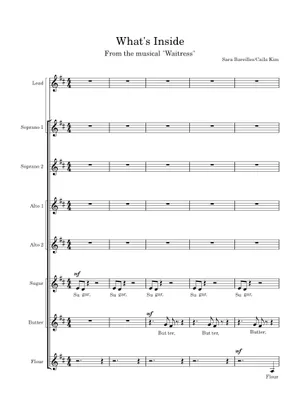
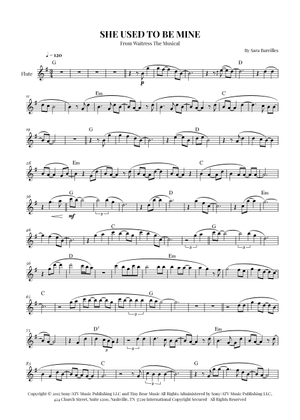
Sheet music shows how to play a song on an instrument. It uses notes, symbols, and marks on a staff.
For “What Baking Can Do Waitress,” reading sheet music helps you learn the melody and rhythm.
Key Signature And Tempo
The key signature tells you which notes are sharp or flat in the song. It sets the song’s main scale.
Tempo shows how fast or slow to play the music. It is usually written as beats per minute (BPM).
- The key signature appears at the start of the staff.
- Common tempos include Largo (slow) and Allegro (fast).
- Tempo can change during the song to show mood shifts.
Note Patterns And Rhythm
Note patterns are groups of notes that form the melody. Rhythm controls how long each note lasts.
Rhythm uses different note shapes to show timing. Quarter notes, half notes, and rests are common.
- Quarter note = one beat
- Half note = two beats
- Rest symbols show silence for a set time
- Repeating patterns make the song easy to follow
Common Symbols And Marks
Sheet music uses symbols to guide how to play the song. These marks show dynamics, repeats, and expression.
Learning these symbols helps you play the music as the composer intended.
- Dynamic marks like pmean soft, fmeans loud
- Repeat signs tell you to play a section again
- Slurs connect notes smoothly
- Accidentals add sharps or flats outside the key signature
Credit: musescore.com
Breaking Down The Melody
The melody of “What Baking Can Do” from Waitress is both charming and memorable. It captures the song’s mood and tells a story through music.
Understanding the melody helps players perform the piece with feeling and accuracy. Let’s explore the key parts of this beautiful tune.
Main Theme Analysis
The main theme uses simple notes that repeat in a smooth, flowing way. It starts with a bright tone and moves up and down gently.
- The melody often rises by small steps to create a hopeful sound.
- It uses pauses that give space and let the music breathe.
- The notes are clear and easy to follow, making it singable.
Repetitive Motifs
Repetitive motifs appear throughout the song to build familiarity. They repeat short note patterns that stick in your mind.
| Motif | Description | Effect |
| Rising 3-Note Pattern | Three notes moving upward | Creates anticipation |
| Descending Scale | Notes step down smoothly | Calms the listener |
| Repeated Note | Same note played twice | Adds emphasis |
Emotional Expression
The melody carries strong emotions by using dynamics and note choices. It feels hopeful, tender, and sometimes a little sad.
The emotional impact comes from:
- Soft notes that sound gentle and caring
- Louder parts that show excitement or strength
- Slow sections that give time to feel the music deeply
Mastering The Chords
Learning the chords in “What Baking Can Do” helps you play the song smoothly. Understanding the chord shapes and changes builds your confidence.
This guide focuses on chord progressions, harmonizing techniques, and left hand patterns. These parts work together to create the song’s feel.
Chord Progressions
The song uses simple chord progressions that repeat in different parts. Knowing these progressions helps you follow the music easily.
- Start with the basic chords: C, Am, F, and G.
- Practice switching between these chords smoothly.
- Listen to the rhythm to match chord changes with the song.
- Try playing the progressions in different keys to improve skill.
Harmonizing Techniques
Harmonizing means adding notes that sound good with the main chords. It makes the music richer and more interesting.
| Technique | Description | Example |
|---|---|---|
| Thirds | Play the note two steps above the root | C chord: C and E |
| Sixths | Play the note four steps above the root | Am chord: A and F |
| Octaves | Play the root note higher or lower | F chord: F low and F high |
Left Hand Patterns
The left hand often plays the bass or root notes in patterns. These add rhythm and support the melody.
- Play steady root notes on each beat to keep time.
- Try broken chords by playing notes one after another.
- Use arpeggios to play chord notes in sequence.
- Mix patterns to add variety and movement.
Practice Tips
Playing “What Baking Can Do” from Waitress requires careful practice. Taking your time helps you learn the music well.
Use clear practice steps to improve your skills and play smoothly.
Slow Practice Strategies
Start by playing the piece slowly. This helps you see notes and rhythms clearly.
Playing slow lets you fix mistakes early. It builds a strong foundation.
Hands Separate Then Together
Practice the right and left hands alone first. This makes each hand confident with its part.
After hands feel ready alone, play both hands together slowly. This helps you coordinate better.
Using A Metronome
A metronome keeps your timing steady. Set it to a slow speed first.
Gradually increase the speed as you get comfortable. This builds good rhythm and control.
Common Challenges
Playing “What Baking Can Do Waitress” from sheet music has some tricky parts. Many players find certain sections hard to play smoothly.
Understanding these challenges helps improve practice and performance. Let’s look at the common difficulties.
Handling Fast Sections
Fast parts need quick finger movements and good timing. It is easy to lose the beat or make mistakes in speed.
Slow practice helps build accuracy. Gradually increase speed to match the original tempo.
- Start slow and steady
- Use a metronome for timing
- Focus on finger placement
- Repeat tricky measures often
Dynamic Control
Dynamic control means playing loud and soft notes clearly. This adds emotion to the music.
It can be hard to change volume quickly. Players must watch their hand pressure and speed.
- Practice playing softly and loudly
- Listen carefully to volume changes
- Use wrist and arm to control sound
- Keep fingers relaxed to avoid tension
Smooth Transitions
Smooth transitions connect different parts without breaks. This keeps the music flowing well.
Changing notes or chords fast can cause rough sounds. Players need to plan finger movements carefully.
- Practice moving between sections slowly
- Use finger anticipation to prepare changes
- Keep steady rhythm during transitions
- Focus on even sound and timing
Performance Advice
Playing “What Baking Can Do” on the piano needs more than just notes. It calls for expression, confidence, and calmness. These tips will help you give a great performance.
Focus on how you play, how you look on stage, and how to manage nerves before and during the show.
Expressive Playing
Bring emotion to the music by using dynamics and timing. Soft and loud parts make the song interesting. Pause slightly where it feels natural to add feeling.
- Use varied volume to match the mood.
- Change your tempo slightly for expression.
- Highlight key melodies with stronger touch.
- Listen to recordings to hear expressive ideas.
Stage Presence
How you act on stage matters. Look relaxed and confident. Smile gently and make eye contact with your audience. Your body language tells the story.
| Tip | Why It Helps |
| Stand or sit straight | Shows confidence and control |
| Use natural hand movements | Keeps audience engaged |
| Face the audience often | Creates connection |
| Dress comfortably but neatly | Supports your ease and focus |
Dealing With Nerves
Nervousness is normal. Use simple steps to stay calm before playing. Focus on your breathing and positive thoughts.
- Take deep breaths slowly to relax.
- Practice the piece many times to feel ready.
- Visualize a smooth performance in your mind.
- Remember the audience wants to enjoy your music.
- Start playing with a calm and steady pace.
Additional Resources
Finding the right tools helps you learn “What Baking Can Do” from Waitress sheet music. These resources guide you through practice and understanding.
Below are tutorials, sheet music sources, and apps to support your learning journey.
Recommended Tutorials
Tutorials show you how to play the song step by step. They cover melody, rhythm, and chords clearly.
Look for video lessons and written guides that match your skill level. Simple tutorials help beginners start easily.
- Video lessons on YouTube with slow play and tips
- Step-by-step written guides breaking down the song
- Lessons focusing on piano and vocal parts
Sheet Music Sources
Good sheet music makes learning easier. Choose clear and accurate copies of “What Baking Can Do” from Waitress.
Official sheet music or trusted publishers offer reliable versions. Some sources give different arrangements for various skill levels.
- Official musical score books for Waitress
- Online platforms selling licensed sheet music
- Free sheet music sites with user reviews
- Arrangements for piano, voice, and guitar
Practice Apps
Apps help you practice the song with interactive features. They offer tools like slow play and looping sections.
Use apps that support sheet music display and audio playback. Some apps also let you record and compare your playing.
- Sheet music readers with playback options
- Metronome apps to keep steady time
- Practice apps with looping and speed control
- Recording apps for self-review
Credit: musescore.com

Credit: www.amazon.ca
Frequently Asked Questions
What Is “what Baking Can Do” About?
“What Baking Can Do” is a song from the musical “Waitress. ” It highlights the character Jenna’s emotional journey and her passion for baking. The song illustrates how baking serves as an escape and a creative outlet, providing solace and empowerment in her life.
Who Composed “what Baking Can Do”?
The song “What Baking Can Do” was composed by Sara Bareilles. She is an acclaimed singer-songwriter known for her emotive lyrics and melodies. Her work on “Waitress” received widespread praise, further establishing her reputation in the musical theater world.
Where Can I Find The Sheet Music?
You can find the sheet music for “What Baking Can Do” online on music platforms like MusicNotes and Sheet Music Plus. These websites offer digital downloads and printed versions, making it easy for musicians to access and play the piece.
Is “what Baking Can Do” Suitable For Beginners?
Yes, “What Baking Can Do” is suitable for beginners with some musical experience. The sheet music typically includes simplified versions for novice players. It’s an excellent choice for those looking to practice emotional expression through music.
Conclusion
Baking Can Do Waitress sheet music offers a clear guide for players. It helps musicians learn the song step by step. The notes and rhythms are easy to follow. This sheet music suits beginners and those with some experience. Playing this piece can bring joy and improve skills.
Try practicing regularly to enjoy steady progress. Music like this keeps players motivated and engaged. Give it a chance and enjoy the learning journey.