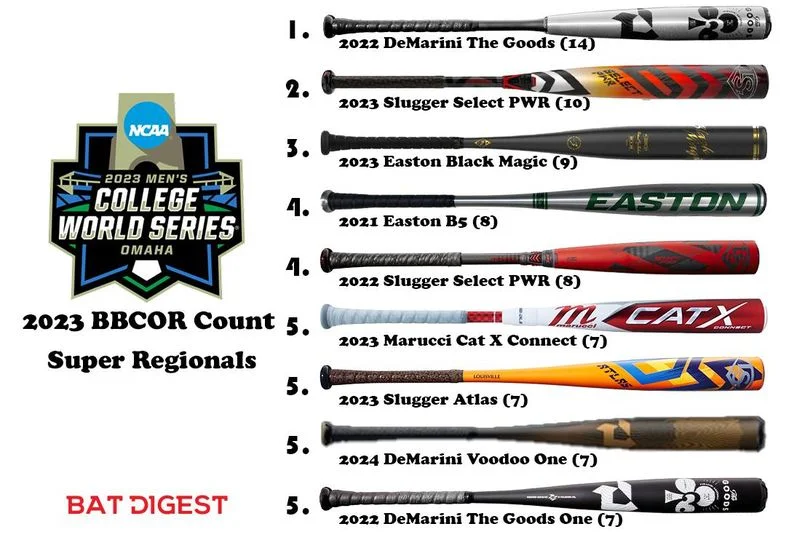
Are you curious about what bats college baseball players trust when they step up to the plate? The right bat can make a huge difference in your game—boosting your power, control, and confidence.
Whether you’re aiming to improve your swing or just want to know what the pros use, understanding the choices college players make can give you an edge. Keep reading, and you’ll discover the top bats favored by college athletes and how to pick the perfect one for your own game.

Credit: batdigest.com
Popular Bat Types
College baseball players use different types of bats. Each bat type has unique features. Choosing the right bat depends on player preference and league rules.
Bats vary in materials, weight, and performance. Understanding these options helps players pick the best bat for them.
Wood Vs. Aluminum
Wood bats are traditional and offer a natural feel. They are usually heavier and require good technique.
Aluminum bats are lighter and more durable. They provide a bigger sweet spot and can help players hit the ball farther.
- Wood bats: classic, heavier, less forgiving
- Aluminum bats: lighter, durable, bigger sweet spot
- Wood bats break more easily than aluminum bats
- Aluminum bats often cost more upfront
Composite Bats
Composite bats are made from carbon fiber or fiberglass. They offer a lightweight feel and reduce vibration on contact.
These bats usually perform well after a break-in period. Many college players like composite bats for their balance and power.
- Lightweight and balanced
- Less vibration felt in hands
- Require break-in time for best performance
- Often used in college leagues
Hybrid Options
Hybrid bats combine materials like composite barrels and aluminum handles. This mix offers strength and control.
Players get the durability of aluminum with the lightweight feel of composite. Hybrid bats suit those who want a bit of both worlds.
- Composite barrel for power
- Aluminum handle for control
- Good balance of weight and strength
- Popular among college players
Key Bat Features
College baseball players choose bats based on specific features. These features help improve their performance at the plate.
Understanding barrel size, bat length, and swing speed effects can guide players to the right choice.
Barrel Size And Weight
Bats with larger barrels give a bigger sweet spot for hitting. Weight affects control and power during swings.
- Barrel sizes usually range from 2 5/8 inches to 2 3/4 inches.
- Heavier bats provide more power but can slow down swing speed.
- Lighter bats allow faster swings but may reduce hitting power.
Bat Length Preferences
Length affects a player’s reach and swing mechanics. College players pick lengths that fit their height and style.
| Player Height | Common Bat Length |
| 5’6″ – 5’9″ | 31″ – 32″ |
| 5’10” – 6’1″ | 32″ – 33″ |
| 6’2″ and above | 33″ – 34″ |
Swing Speed Impact
Swing speed changes how a bat performs. Faster swings need lighter bats for better control.
Key tips for swing speed and bat choice:
- Faster swing speeds benefit from balanced or end-loaded bats.
- Slower swing speeds may prefer lighter bats to increase bat speed.
- Training to improve swing speed helps players handle heavier bats well.
Top Bat Brands
College baseball players rely on top-quality bats for their performance. Several brands are popular among athletes for their durability and performance.
Here are some of the most preferred bat brands used in college baseball. Each offers unique features that cater to different playing styles.
Louisville Slugger
Louisville Slugger is known for its rich history and quality. Many players choose these bats for their balance and power.
- Used by top collegiate players
- Known for durability
- Offers a range of models for different needs
Demarini
DeMarini bats are famous for their innovative designs. They provide excellent performance with enhanced swing speed.
DeMarini bats often feature:
| Feature | Benefit |
| Composite materials | Increases flex |
| End-loaded options | Boosts power |
| Balanced models | Improves control |
Easton
Easton is a trusted name in baseball. Their bats are known for precision and performance. Many college players favor them for their lightweight feel.
Marucci
Marucci bats are crafted with input from professional players. They are designed for those who seek quality and consistency.
- High-quality materials
- Professional-grade options
- Trusted by top collegiate teams
Player Position And Bat Choice
College baseball players pick bats based on their position. Each position needs different bat features. Choosing the right bat helps players perform better.
Bat weight, length, and material vary by player role. Understanding these differences shows why certain bats suit some players more than others.
Infielders’ Picks
Infielders prefer bats that are light and easy to control. Quick swings help them react fast to ground balls and line drives.
- Shorter length for better hand control
- Lighter weight to increase swing speed
- Balanced swing weight for quick adjustments
- Strong barrel for power hitting
Outfielders’ Preferences
Outfielders often choose bats with more power. They get time to prepare their swings, so weight is less of a concern.
| Bat Feature | Reason |
|---|---|
| Longer length | Generates more power and reach |
| Heavier weight | Helps hit the ball farther |
| End-loaded swing | Improves power for long hits |
| Durable material | Withstands strong impacts |
Catchers And Pitchers
Catchers and pitchers usually pick bats that balance control and power. Their roles need careful swings and quick reactions.
Common bat choices for catchers and pitchers include:
- Medium weight for balance
- Moderate length for control
- Balanced swing weight
- Durability to handle stress
Ncaa Bat Regulations
College baseball players use bats that follow strict NCAA rules. These rules keep the game fair and safe.
The NCAA sets guidelines on what bats players can use in games. These rules focus on bat size, materials, and performance.
Approved Bat Standards
Bats must meet NCAA standards for length, weight, and material. Only bats that pass these rules are allowed in games.
The NCAA requires bats to have a certain drop weight. The drop weight is the length minus the weight of the bat.
- Bats cannot be longer than 34 inches
- The drop weight must be -3 or less
- Bats must be made from approved materials like aluminum or composite
Certification Marks
Bats must have certification marks to show they meet NCAA rules. These marks help umpires check if bats are legal.
Common certification marks include stamps from organizations that test bat performance and safety.
- USA Baseball stamp
- USSSA (United States Specialty Sports Association) stamp
- BBCOR (Batted Ball Coefficient of Restitution) stamp
Changes In Rules
The NCAA updates bat rules to keep the sport safe and fair. These changes affect bat design and testing methods.
In recent years, the NCAA began requiring BBCOR-certified bats. This rule limits how fast the ball can come off the bat.
- Before 2011, players used lighter bats with higher ball speed
- BBCOR bats started in 2011 to reduce ball speed
- New tests ensure bats meet safety and performance limits
Factors Influencing Bat Selection
Choosing the right bat is important for college baseball players. The bat affects hitting power and control.
Several factors help players pick the best bat for their needs. These include budget, comfort, and team advice.
Budget Considerations
Bats come in many price ranges. College players must find bats that fit their budget.
More expensive bats may have better materials and technology. But cheaper bats can still work well.
- Set a clear budget before shopping
- Look for bats that last long
- Consider used bats to save money
Personal Comfort
Comfort is key when picking a bat. Players must hold and swing the bat comfortably.
Weight, length, and grip size affect comfort. A bat that feels right helps improve performance.
- Choose a bat weight that you can control
- Pick a length that matches your height and style
- Check the grip to avoid slipping
Team Recommendations
Coaches and teammates give good advice on bat choices. They know what works well in games.
Teams may have rules about which bats are allowed. Players should follow these guidelines closely.
- Ask coaches for bat brand and model suggestions
- Follow team rules on bat certifications
- Try bats recommended by experienced players
Maintenance And Longevity
College baseball players rely on their bats every day. Keeping the bat in good shape helps it last longer. Simple care routines protect the bat’s performance over time.
This guide covers tips for bat care, signs to watch for wear, and when to replace your bat. Follow these tips to get the most out of your equipment.
Bat Care Tips
Regular cleaning and proper storage are key to bat maintenance. Dirt and moisture can damage the bat’s surface and affect its balance.
- Wipe the bat with a soft cloth after each use.
- Store the bat in a dry place at room temperature.
- Avoid leaving the bat in extreme heat or cold.
- Use bat sleeves to protect the bat during transport.
- Inspect the grip tape and replace it if worn out.
Signs Of Wear
Knowing when a bat shows wear helps prevent poor performance and injury. Look for cracks, dents, and loose parts.
| Sign | What It Means |
| Cracks on the barrel | Bat may break soon |
| Dents or deep scratches | Performance could decline |
| Loose end cap | Possible internal damage |
| Worn grip tape | Less control when swinging |
| Hollow or strange sounds | Internal damage likely |
Replacing Your Bat
Replacing a bat is necessary when damage affects safety or play. Do not wait until the bat breaks during use.
- Check your bat regularly for damage.
- Replace the bat if cracks or dents appear.
- Upgrade the bat if it feels unbalanced or heavy.
- Follow your team’s rules on bat replacement.
- Recycle or donate old bats if possible.

Credit: batdigest.com
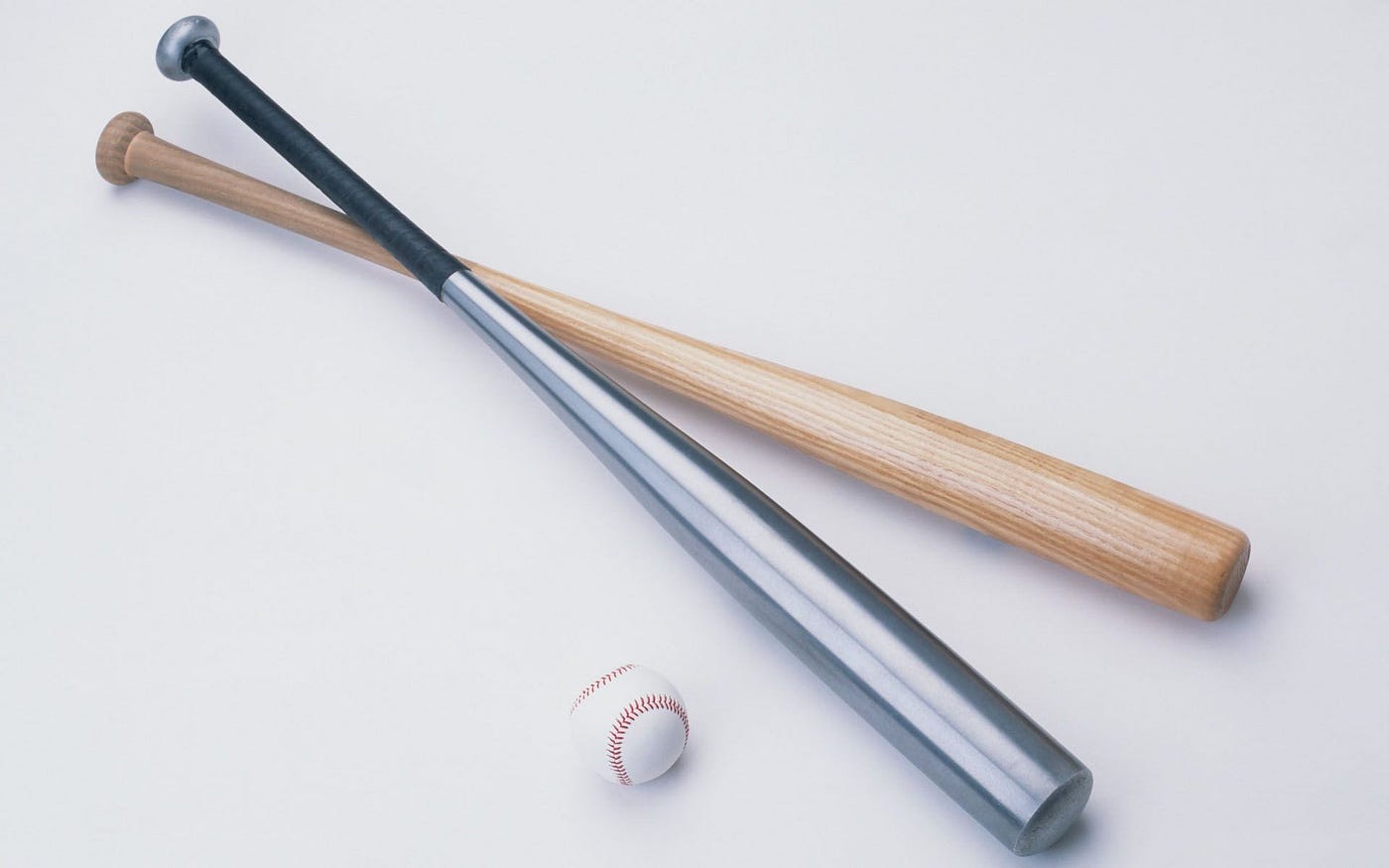
Credit: skazone.medium.com
Frequently Asked Questions
What Types Of Bats Do College Baseball Players Prefer?
College baseball players typically use aluminum or composite bats. These bats offer durability, power, and lightweight handling. NCAA rules require bats to meet specific performance standards. Wood bats are less common but sometimes used for training or specific leagues.
Are Metal Bats Allowed In College Baseball?
Yes, metal bats are allowed in college baseball. Most players use aluminum or composite metal bats. These bats provide better performance and durability compared to wood bats. NCAA regulates bat standards to ensure fair play and player safety.
How Do Composite Bats Benefit College Players?
Composite bats offer enhanced performance by combining materials for strength and flexibility. They reduce vibration, improving player comfort and control. Composite bats often have a larger sweet spot, helping players hit more consistent and powerful shots.
What Bat Size Is Ideal For College Baseball Players?
Ideal bat size depends on player height, weight, and strength. Most college players use bats between 32 and 34 inches long. Weight varies, but a lighter bat allows faster swing speed and better control, enhancing hitting performance.
Conclusion
College baseball players choose bats based on rules and personal style. Wood bats are common in some leagues, while metal bats dominate others. Players pick bats for balance, weight, and power. Different bats affect hitting speed and control. Knowing the right bat helps players perform better.
Choosing wisely can improve confidence at the plate. Always check league rules before buying a bat. The right bat supports skill development and enjoyment of the sport. Bat choice matters for every college baseball player.