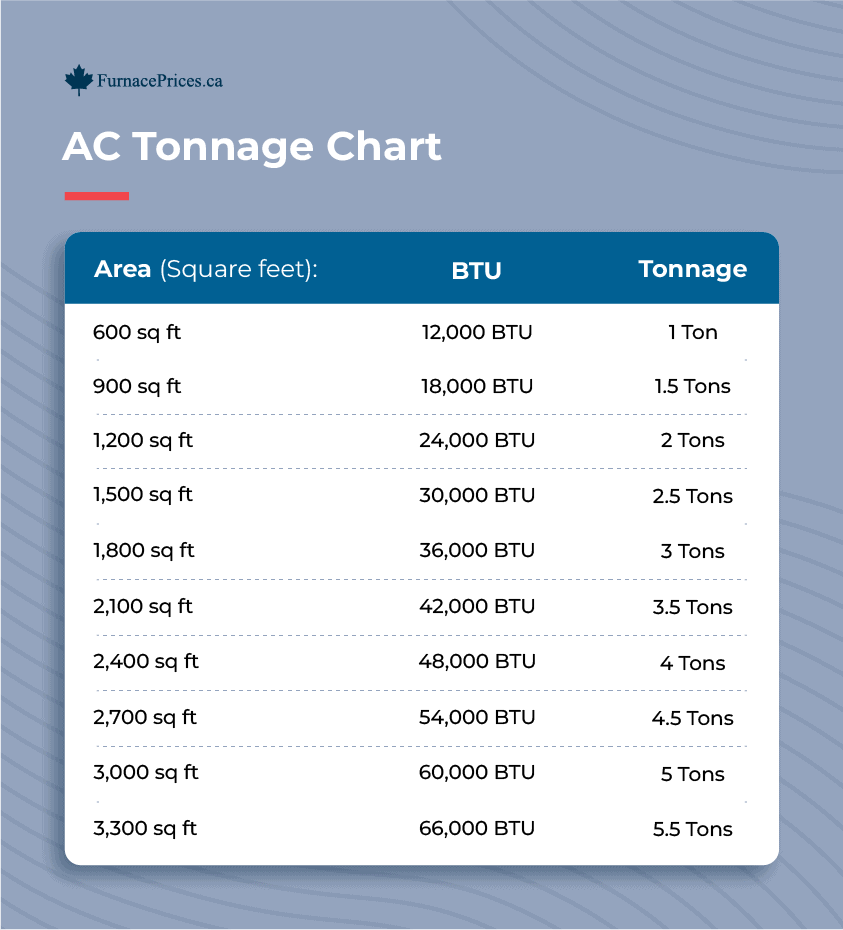
Are you struggling to figure out what BTU you need for your air conditioner? Choosing the right cooling power isn’t just about comfort—it can save you money and keep your energy bills in check.
Too small, and your room stays hot; too big, and you waste energy. You’ll discover exactly how to find the perfect BTU for your space, so your air conditioner works efficiently and keeps you cool all summer long. Keep reading to make a smart choice that fits your needs and budget.
How Btu Affects Cooling
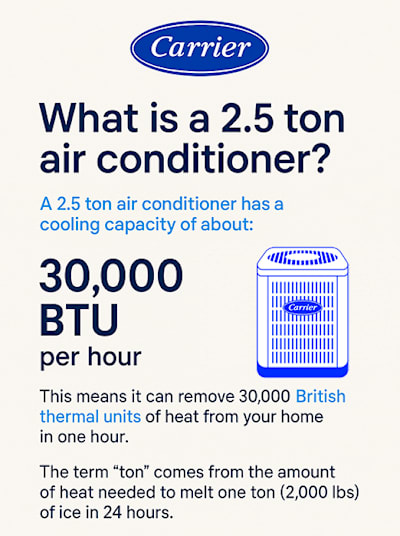
BTU stands for British Thermal Unit. It measures how much heat an air conditioner can remove.
Choosing the right BTU size helps keep your room cool and comfortable.
Btu Basics
BTU is a unit that tells you how much cooling power an air conditioner has. More BTUs means more cooling ability.
- 1 BTU cools the heat needed to raise one pound of water by 1°F.
- Air conditioners have BTU ratings from a few thousand to over 20,000.
- Higher BTU units cool larger spaces faster.
Btu And Room Size
Room size is the main factor to decide the needed BTU. Bigger rooms need more BTUs.
| Room Size (Square Feet) | Recommended BTU |
| 100 – 300 | 5,000 – 6,000 |
| 300 – 500 | 7,000 – 8,000 |
| 500 – 800 | 10,000 – 12,000 |
| 800 – 1,200 | 14,000 – 18,000 |
| 1,200 – 1,500 | 18,000 – 20,000 |
Other factors like ceiling height and sunlight affect the BTU needed.
Btu And Energy Efficiency
Choosing the right BTU helps save energy. Too small makes the AC work hard. Too big wastes power.
- Correct BTU size cools the room quickly.
- It uses less electricity over time.
- It keeps your energy bills lower.
- Proper BTU size improves AC lifespan.
Credit: www.carrier.com
Calculating Btu Requirements
Choosing the right air conditioner size depends on calculating BTU needs. BTU means British Thermal Unit. It measures how much heat an air conditioner can remove.
Calculating the correct BTU helps cool your room efficiently. It saves energy and keeps you comfortable.
Measuring Room Dimensions
First, measure your room’s length, width, and height. Multiply these numbers to find the room’s volume. This number helps estimate the BTU needed.
- Measure length in feet
- Measure width in feet
- Measure height in feet
- Multiply all three numbers for cubic feet
Considering Sunlight And Insulation
Sunlight and insulation affect cooling needs. Rooms with many windows or poor insulation need more BTUs. South-facing rooms get more sun and need extra cooling power.
| Condition | BTU Adjustment |
| Room gets lots of sunlight | Add 10% |
| Room is shaded | Subtract 10% |
| Poor insulation | Add 15% |
| Good insulation | No change |
Adjusting For Occupants And Appliances
Each person adds heat to a room. Appliances also raise the temperature. Add BTUs for each occupant and appliance to keep the room cool.
- Add 600 BTUs for each extra person beyond two
- Add 400 BTUs for every large appliance
- Consider devices like computers and TVs
Matching Btu To Room Types
Choosing the right BTU for your air conditioner depends on the room size. BTU means British Thermal Unit. It measures cooling power.
Too little BTU will not cool the room well. Too much BTU wastes energy. Match BTU with room size for best results.
Small Bedrooms
Small bedrooms usually need between 5,000 and 8,000 BTU. This range cools rooms up to 350 square feet. Choose the lower BTU for rooms with less sun.
Living Rooms
Living rooms are larger and need more cooling power. They often require 8,000 to 14,000 BTU. Size and sunlight affect the exact BTU you need.
- For rooms up to 500 sq ft, use 8,000 BTU
- For rooms 500 to 800 sq ft, use 10,000 to 12,000 BTU
- For rooms 800 to 1,000 sq ft, use 12,000 to 14,000 BTU
Kitchens And Large Spaces
Kitchens and large spaces need more BTU because of heat from appliances and open areas. Use this table to find the right BTU.
| Room Type | Square Feet | Recommended BTU |
|---|---|---|
| Small Kitchen | Up to 150 | 6,000 – 8,000 |
| Large Kitchen | 150 – 300 | 8,000 – 12,000 |
| Large Open Space | 300 – 1,000 | 14,000 – 24,000 |
Btu And Air Conditioner Types
BTU stands for British Thermal Unit. It measures how much heat an air conditioner can remove in one hour.
Different air conditioner types need different BTU sizes. Choosing the right BTU keeps your space cool and saves energy.
Window Units
Window units are small air conditioners that fit in a window. They cool one room at a time.
For window units, BTU size depends on the room size. A small room needs about 5,000 BTUs. A larger room may need 8,000 to 12,000 BTUs.
- Up to 150 sq ft: 5,000 BTUs
- 150-300 sq ft: 6,000-8,000 BTUs
- 300-450 sq ft: 10,000-12,000 BTUs
Portable Acs
Portable air conditioners are movable units. You can use them in different rooms.
They also use BTU to measure cooling power. Portable ACs usually range from 8,000 to 14,000 BTUs.
- Small rooms: 8,000-10,000 BTUs
- Medium rooms: 10,000-12,000 BTUs
- Large rooms: 12,000-14,000 BTUs
Central Air Systems
Central air systems cool whole houses. They use large BTU units to cover many rooms.
BTU needs for central systems depend on house size and insulation. Common sizes range from 18,000 to 60,000 BTUs or more.
| House Size (sq ft) | BTU Needed |
|---|---|
| 1,000 – 1,500 | 18,000 – 24,000 |
| 1,500 – 2,500 | 24,000 – 36,000 |
| 2,500 – 3,500 | 36,000 – 48,000 |
| 3,500+ | 48,000 – 60,000+ |
Energy Saving Tips
Choosing the right BTU for your air conditioner helps save energy. Using the correct size keeps your home cool without wasting power.
Small changes in how you use and maintain your AC can lower your bills. Follow these tips to keep your system efficient and save energy.
Proper Sizing Benefits
Choosing the right BTU size prevents your AC from working too hard or too little. An oversized unit cools fast but wastes energy. An undersized unit runs all the time and does not cool well.
Proper sizing means your air conditioner works efficiently. It cools your space comfortably and uses less electricity.
- Reduces energy waste
- Lowers electricity bills
- Increases system lifespan
- Improves home comfort
Maintenance For Efficiency
Regular maintenance keeps your air conditioner running well. Clean filters and coils help the system use less energy.
Check and replace filters every 1-3 months. Clear debris around outdoor units to improve airflow. Schedule yearly professional service for best results.
- Clean or replace filters regularly
- Clear debris from outdoor units
- Check refrigerant levels
- Schedule yearly inspections
Smart Thermostat Use
Smart thermostats help save energy by adjusting temperatures automatically. They learn your schedule and cool only when needed.
Set your thermostat higher when you are away. Use programmable settings to avoid cooling an empty home. This reduces energy use and lowers bills.
- Program temperature changes by time
- Avoid cooling when no one is home
- Use remote control features
- Monitor energy use with apps

Credit: northnjhvac.com
Common Btu Mistakes To Avoid
Choosing the right BTU for your air conditioner is important. Picking the wrong size can cause problems.
This guide covers common BTU mistakes to help you pick the right cooling power.
Overestimating Cooling Needs
Many people buy air conditioners with too high BTU. This wastes energy and costs more money.
Too much cooling can make the room cold and dry. It also makes the AC cycle on and off too often.
Ignoring Room Features
Room size is not the only factor. Windows, ceiling height, and insulation affect cooling needs.
- Large windows let in more heat
- High ceilings increase the air volume
- Poor insulation causes heat gain
- Number of people in the room adds heat
Ignoring these can cause you to pick an AC with the wrong BTU.
Neglecting Climate Factors
| Climate Type | BTU Adjustment |
|---|---|
| Hot and Humid | Increase BTU by 10-20% |
| Moderate Climate | Standard BTU Calculation |
| Cool Climate | Reduce BTU by 10-15% |
Climate affects how hard your air conditioner must work. Adjust BTU based on local weather.

Credit: www.amazon.com
Frequently Asked Questions
What Btu Size Is Best For A Small Room?
A small room typically needs an air conditioner with 5,000 to 6,000 BTUs. This size efficiently cools rooms up to 150 square feet, ensuring comfort without wasting energy or increasing costs.
How Do I Calculate Btu For My Room?
To calculate BTU, multiply the room’s square footage by 20. Adjust for factors like sunlight, ceiling height, and insulation to find the ideal cooling capacity accurately.
Can Too High Btu Damage My Air Conditioner?
Yes, using an air conditioner with too high BTU can cause short cycling. This wastes energy, reduces efficiency, and may shorten the unit’s lifespan.
What Btu Is Needed For A 500 Sq Ft Room?
A 500 sq ft room generally requires a 10,000 BTU air conditioner. This size provides sufficient cooling for medium-sized rooms effectively and efficiently.
Conclusion
Choosing the right BTU for your air conditioner is crucial. It affects comfort and energy use. A unit too small struggles to cool your space. Too large? It wastes energy and money. Measure your room size accurately. Consider your climate and insulation.
Match the BTU to your needs. This ensures efficiency and comfort. Energy bills stay manageable too. A properly sized unit enhances your living environment. Enjoy a cool and pleasant home. Always refer to expert guides for precise calculations. Stay cool and save energy by making informed choices.